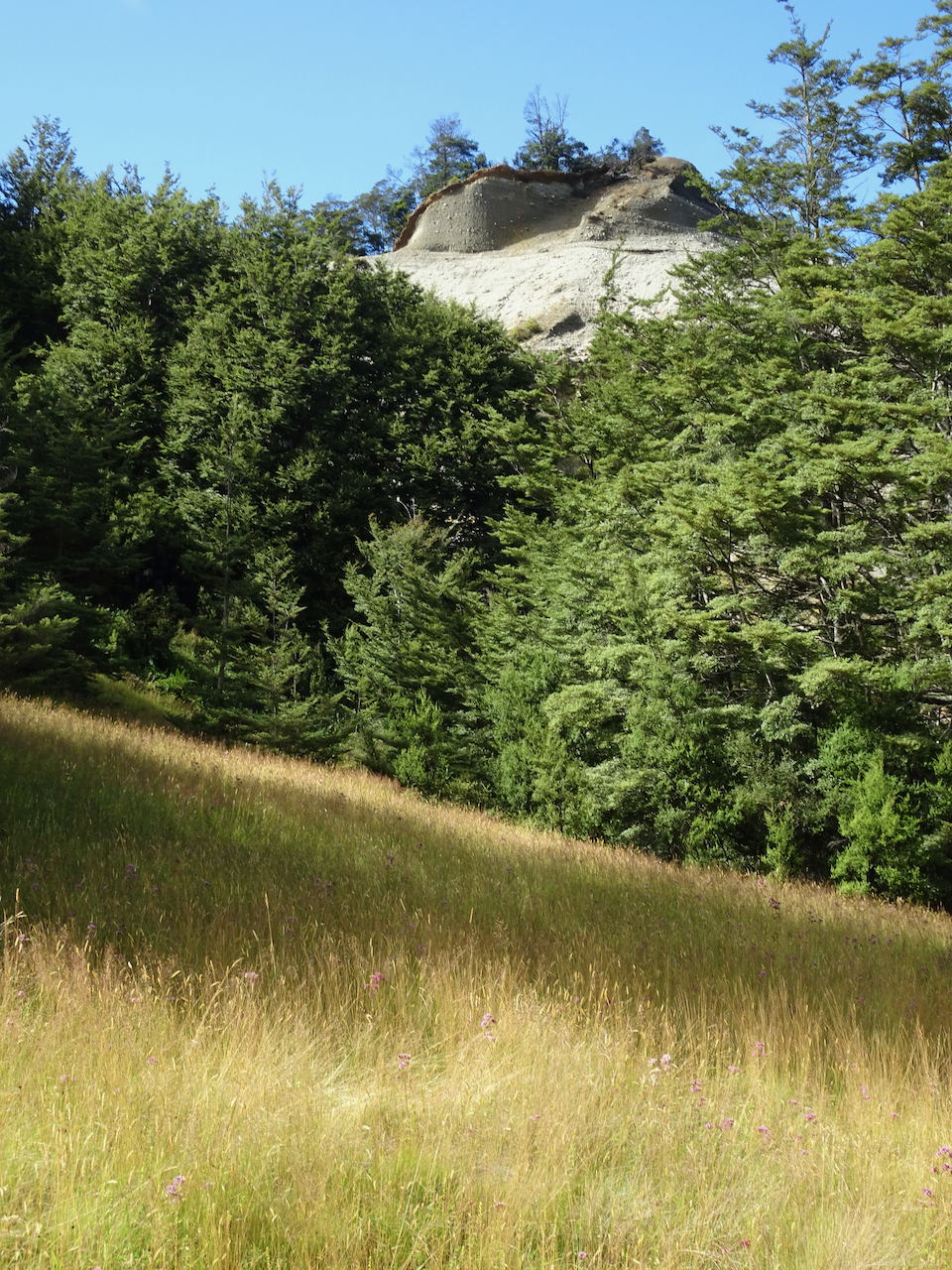
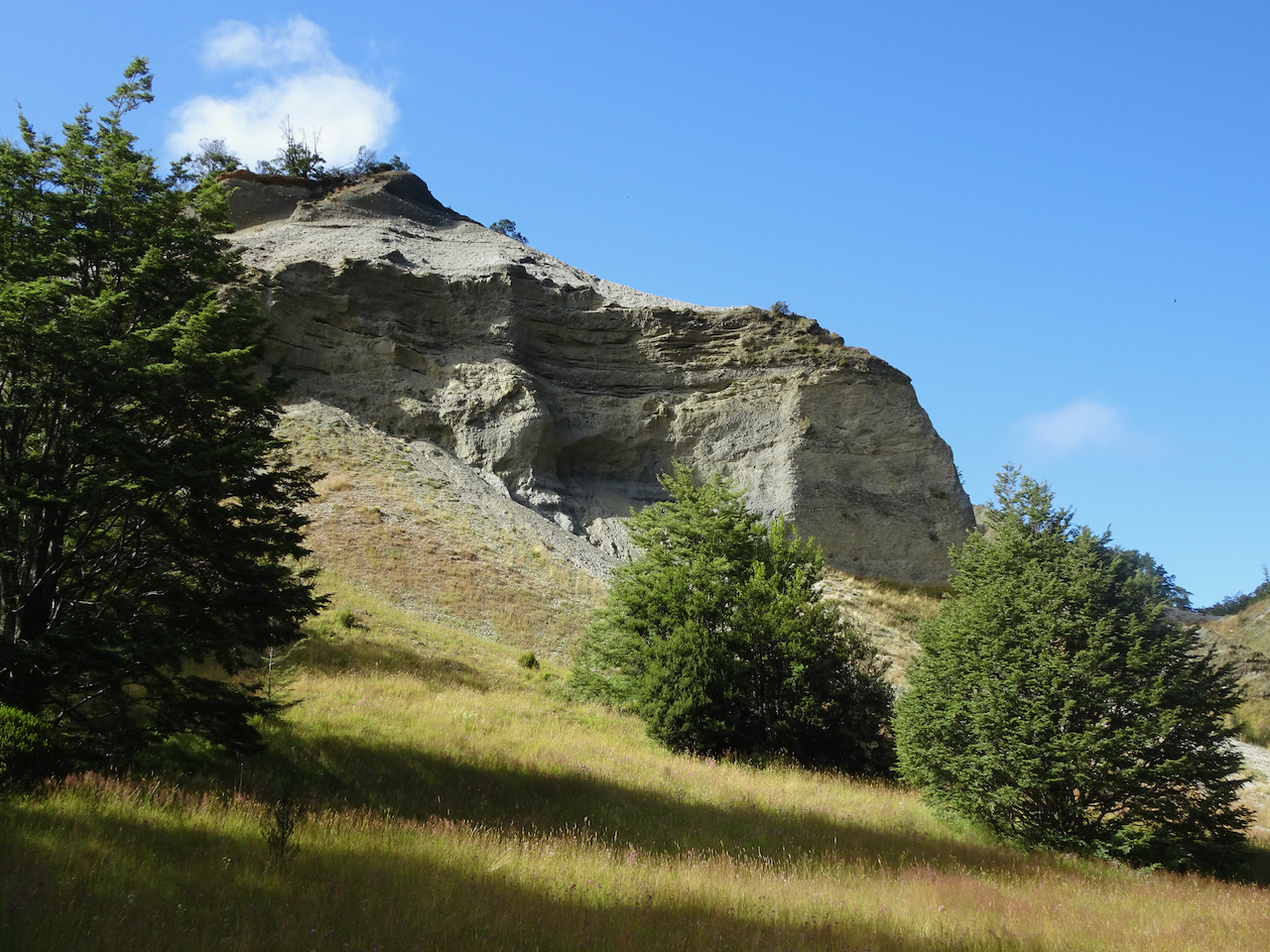
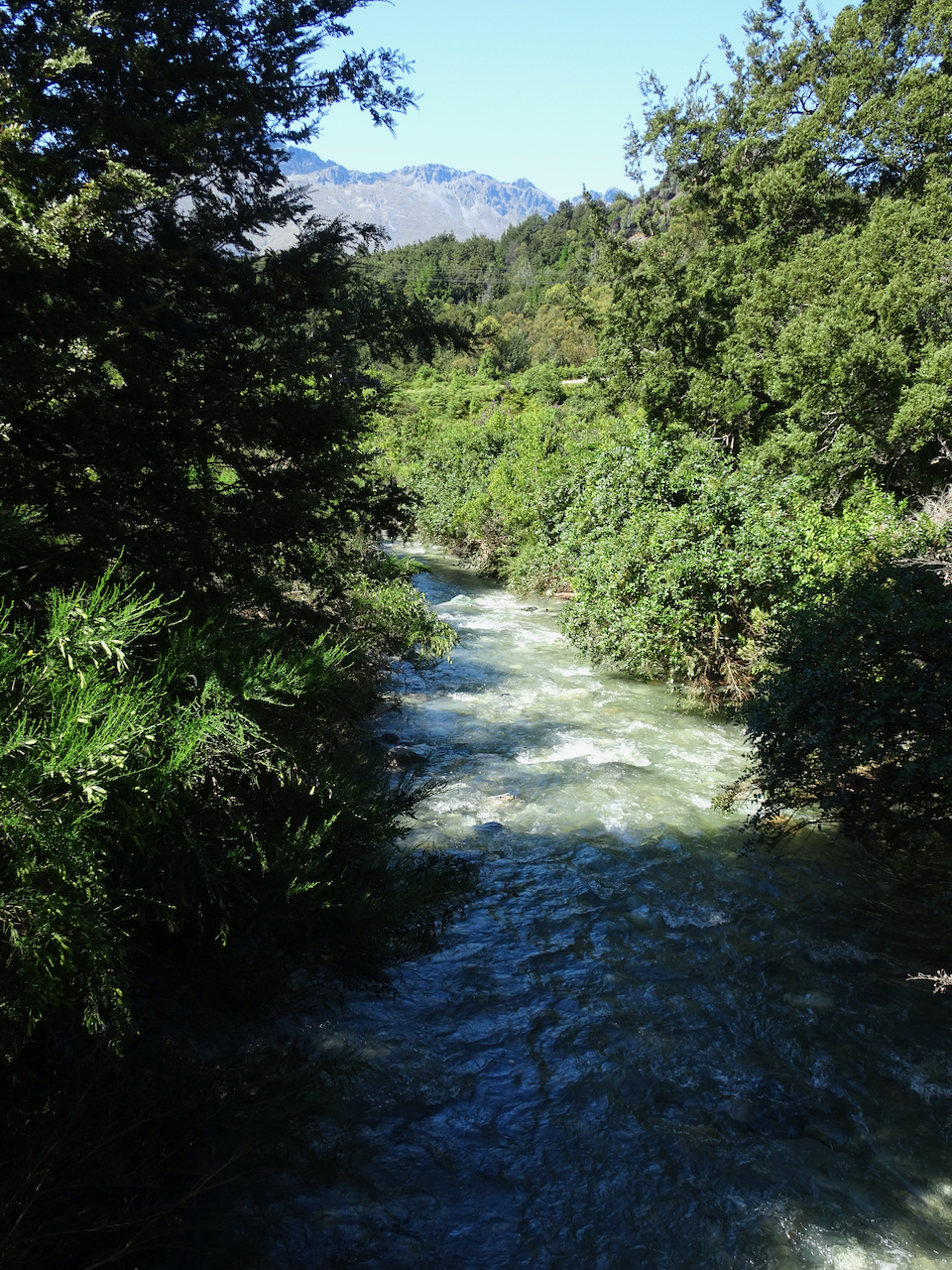
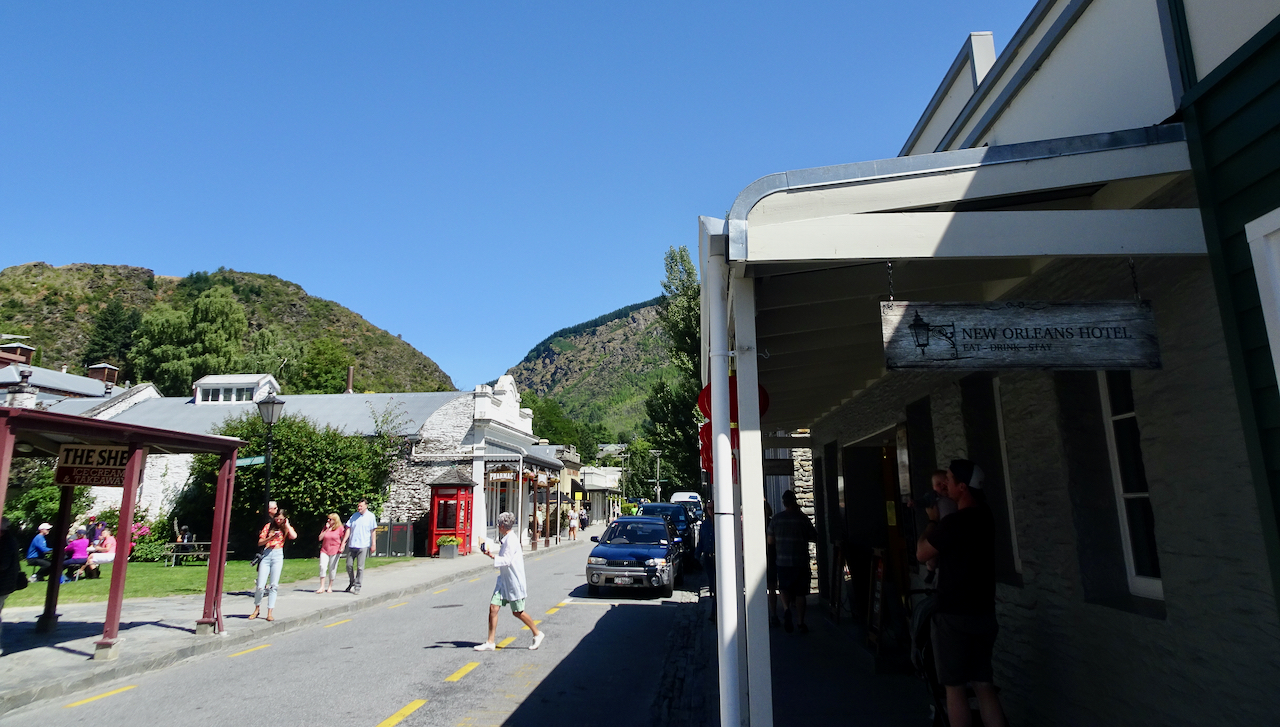
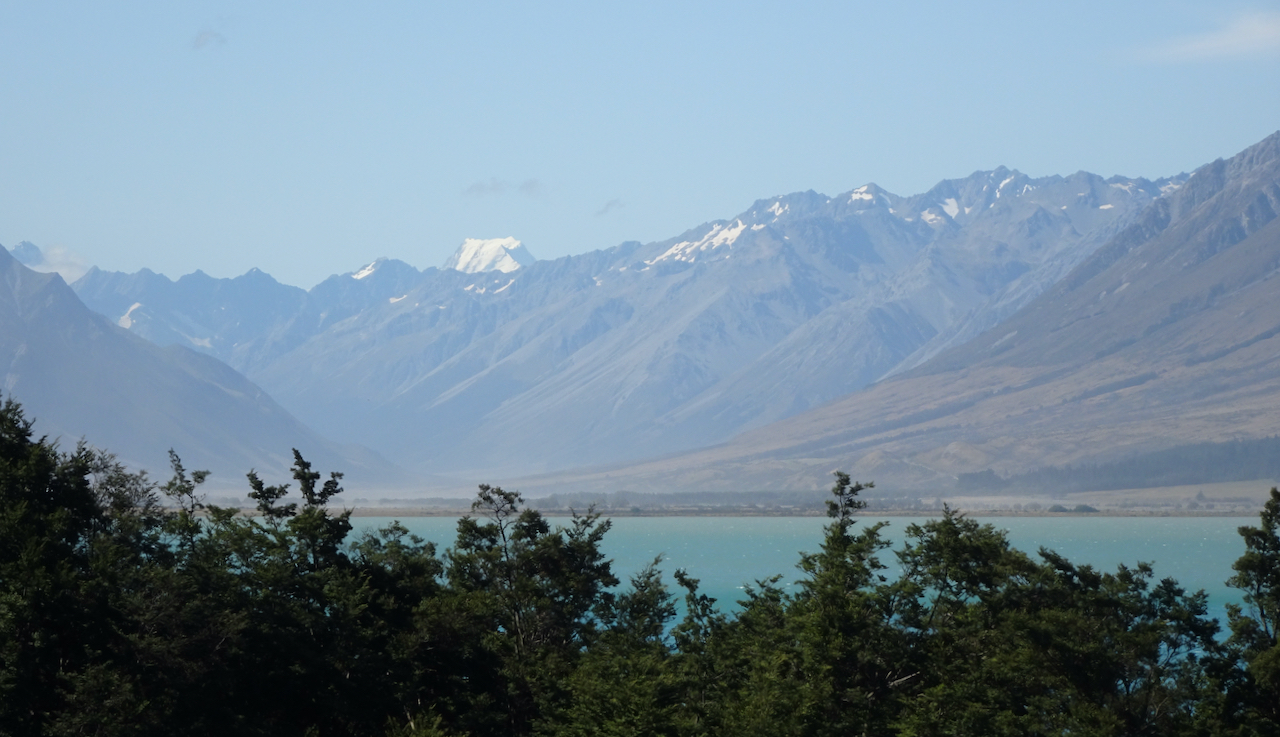
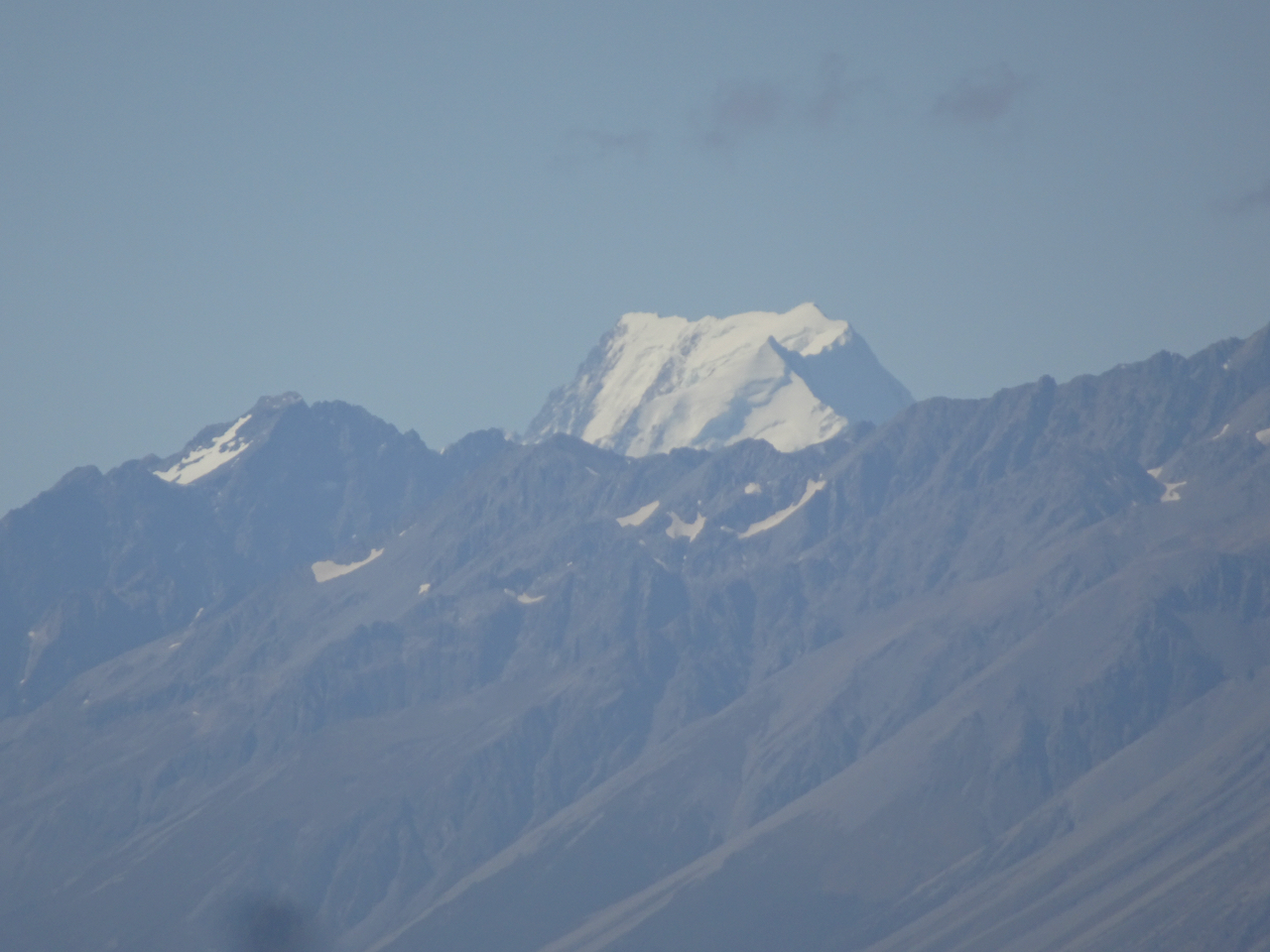
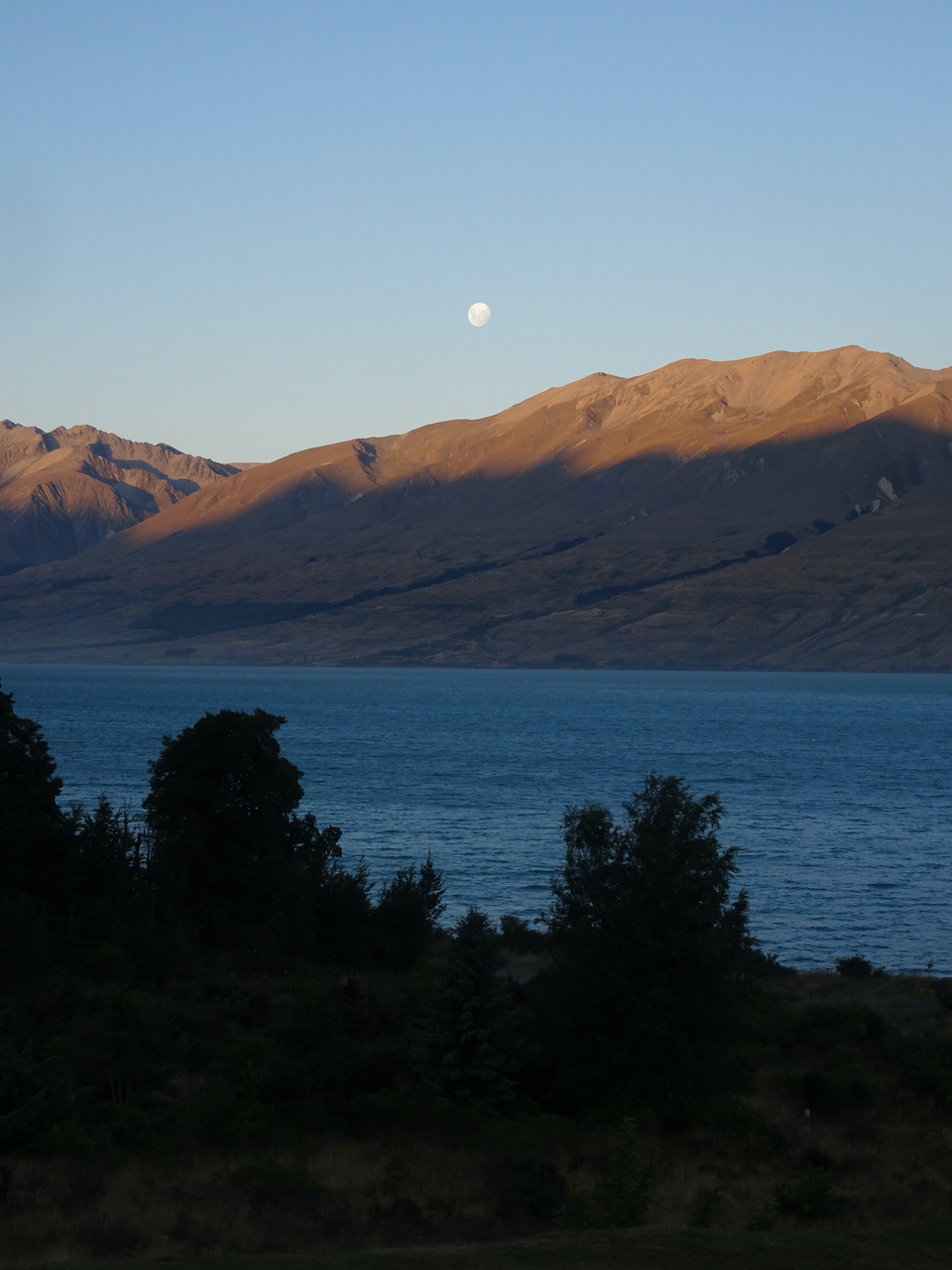
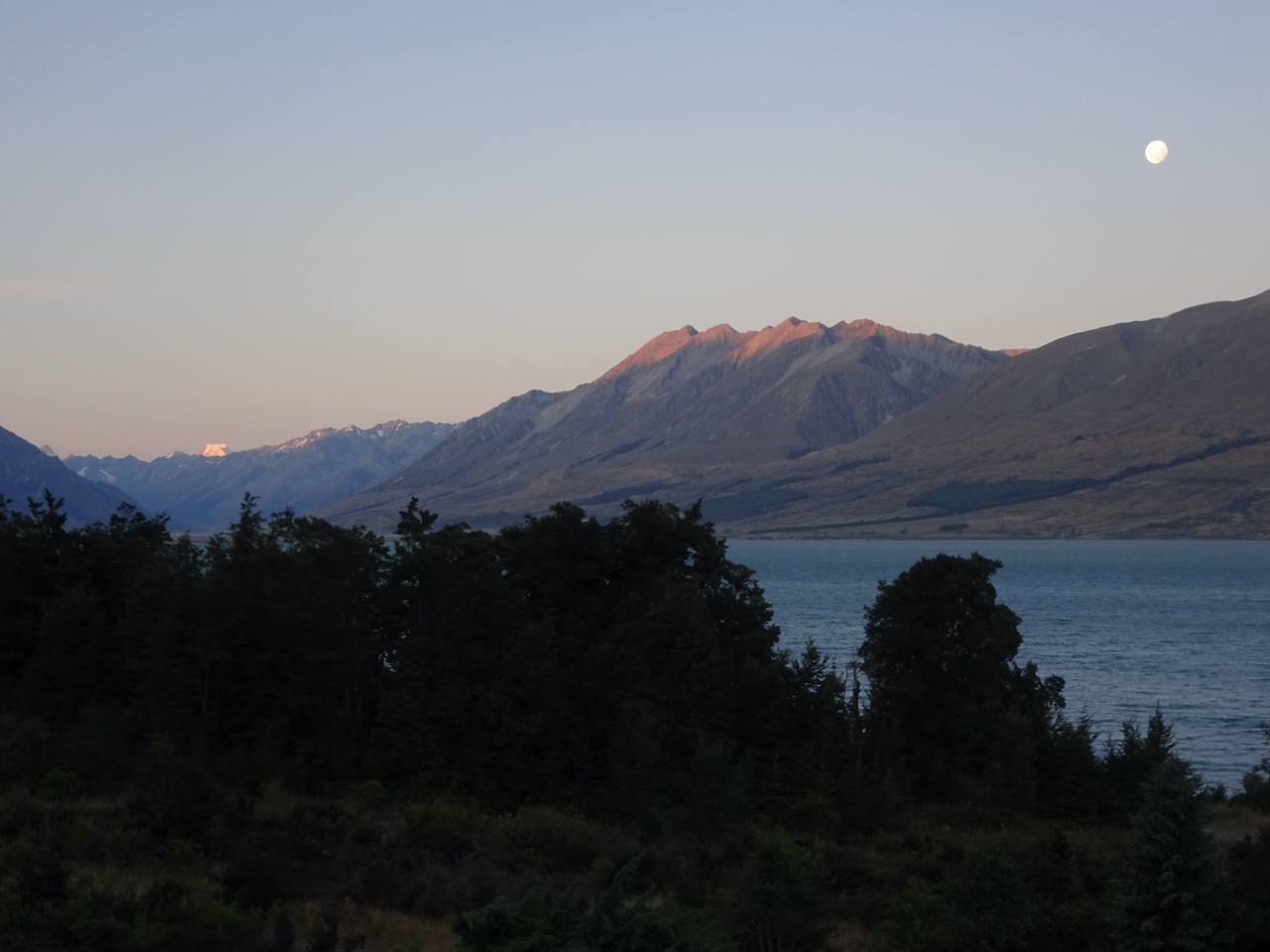
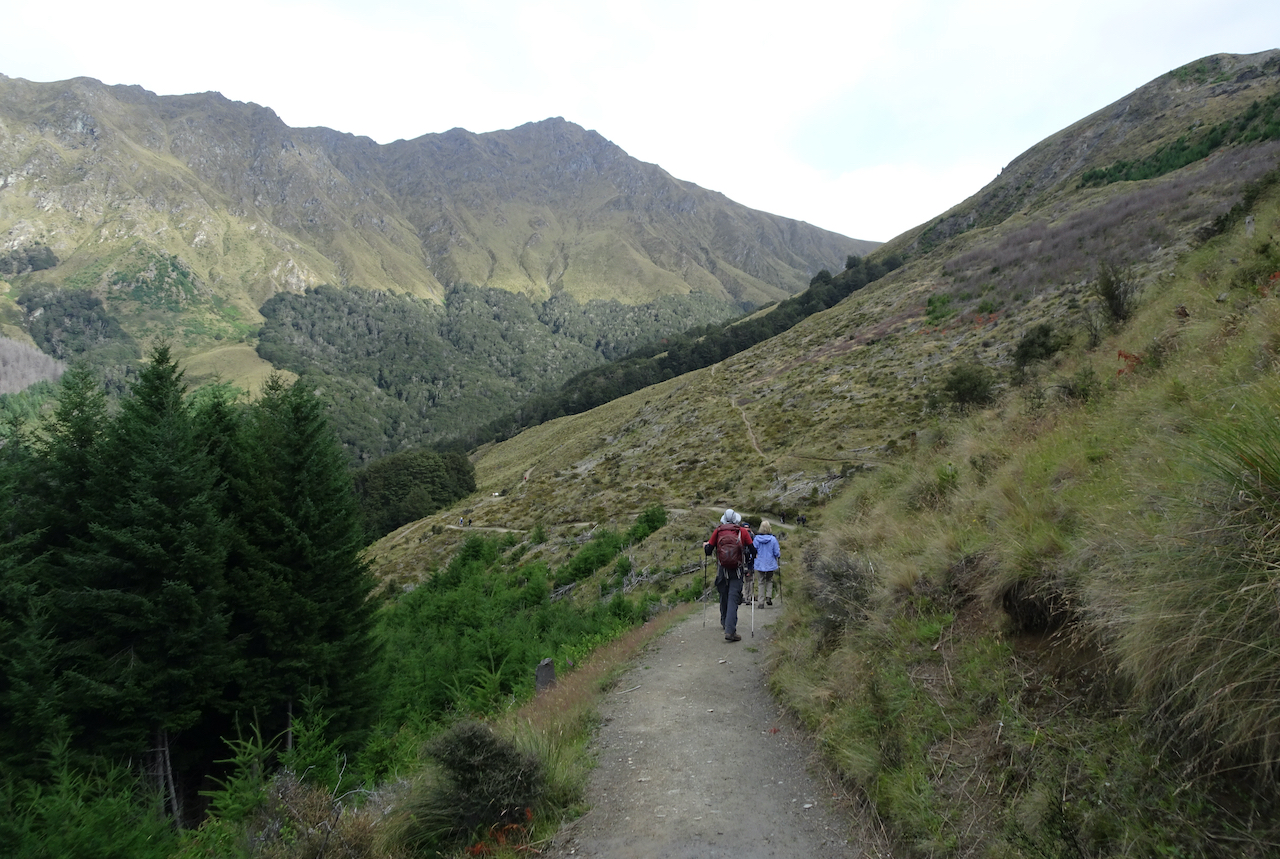
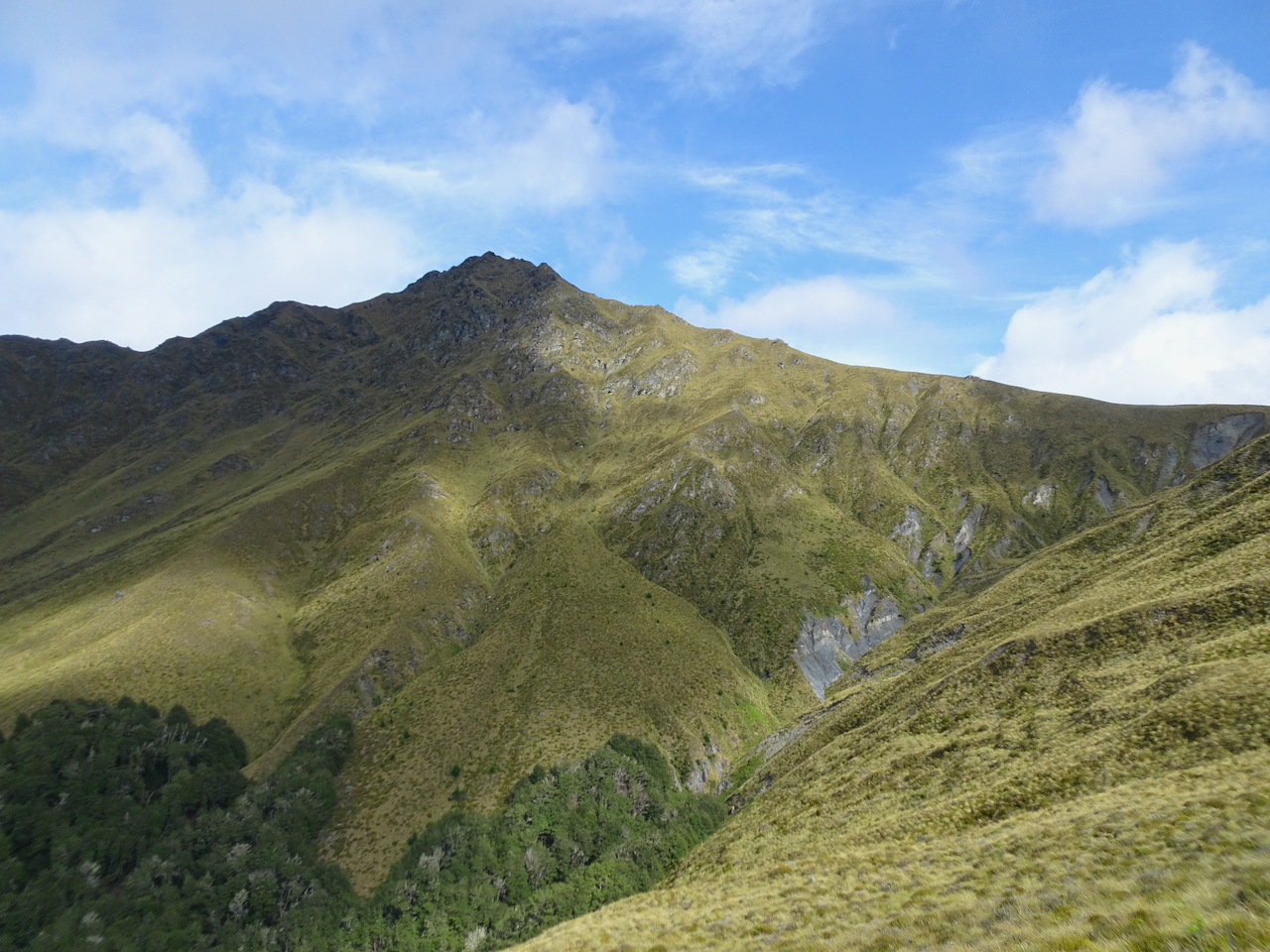
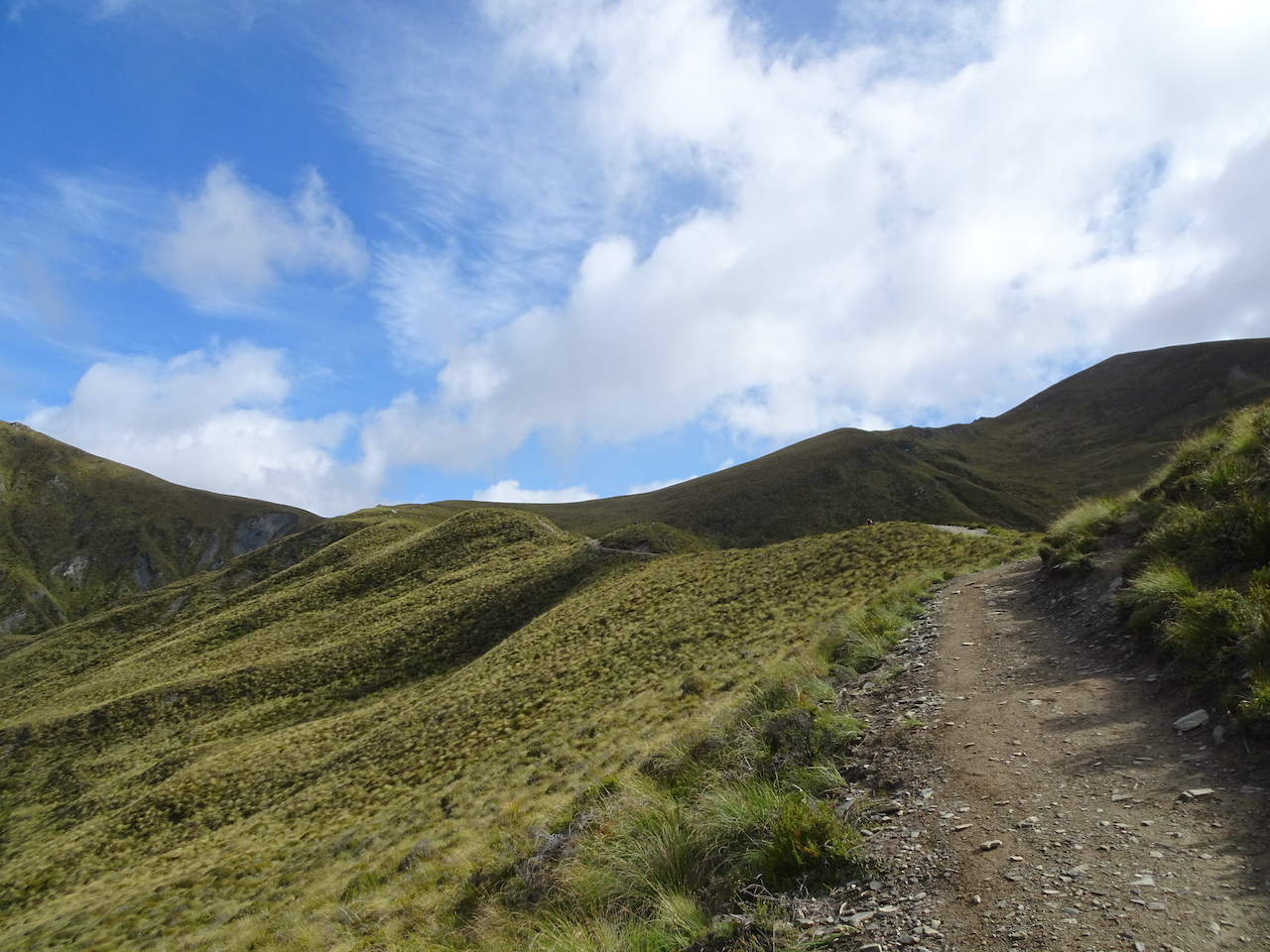
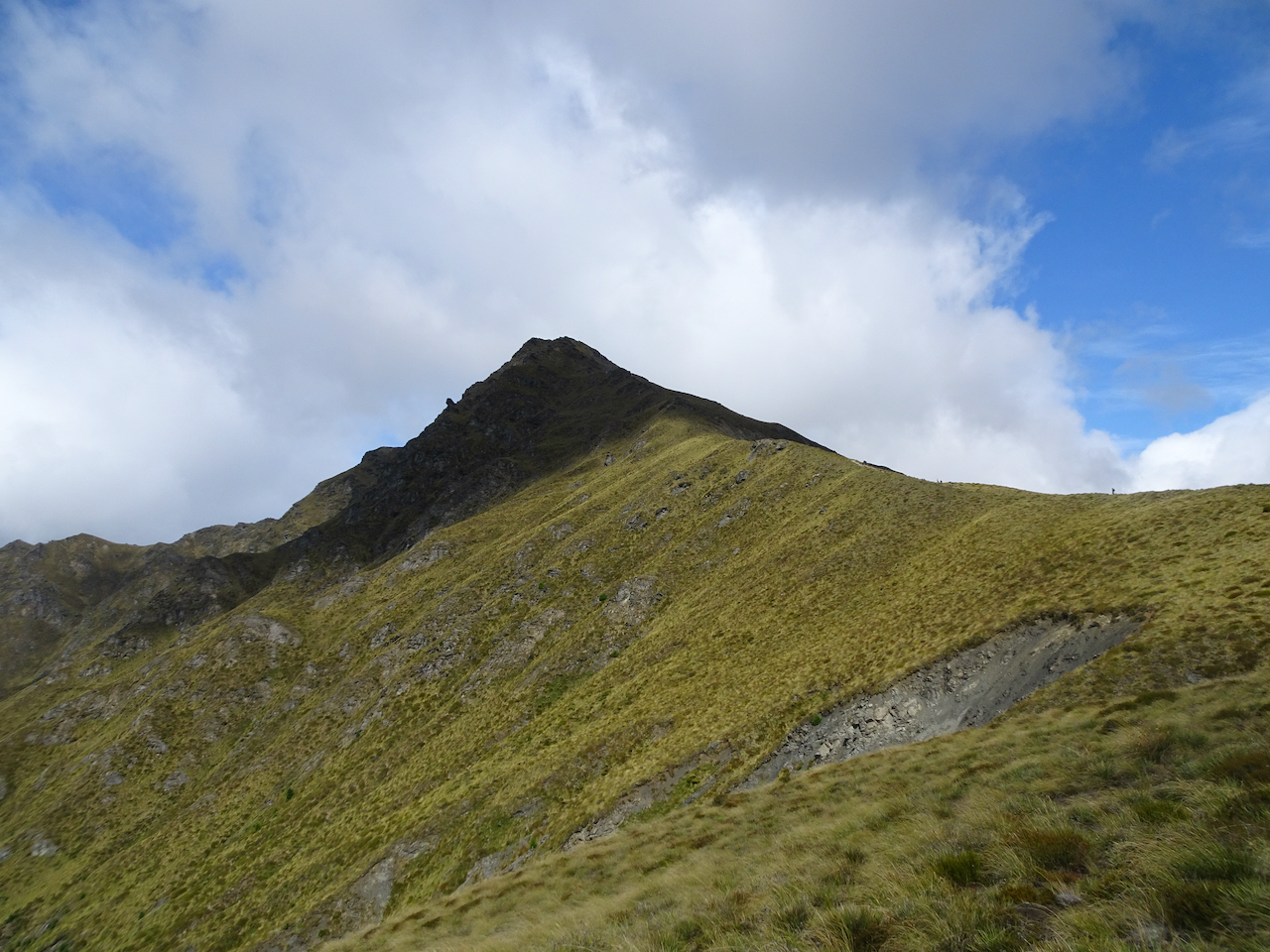
New Zealand 2023 (or there and back, again)

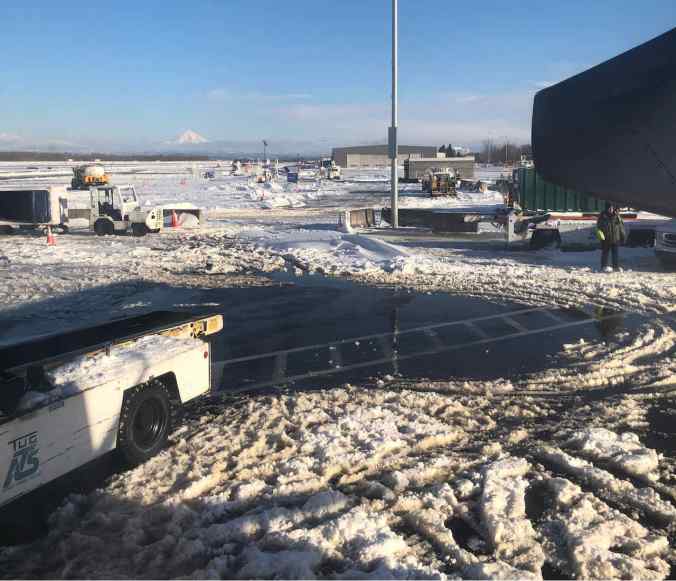
When we left New Zealand in February of 2020, we had a list of places to visit next time, but then the Covid pandemic shut the world down. Three years later we finally made our return trip. It took us two days to leave Portland – we were on the runway waiting to take off when an unusual 10 inches of snow caused the airport to be shut down. We made it out the next day, and thus began our New Zealand, part two, expedition. Last time we had a guided trip for two of the weeks, but this time we were comfortable with independent travel. This post is an abbreviated summary of our trip (February 23 to March 18, 2023) – more detailed accounts will follow.
69888991791__86D48E4D-1291-43E2-AD05-1CA311E3EC31

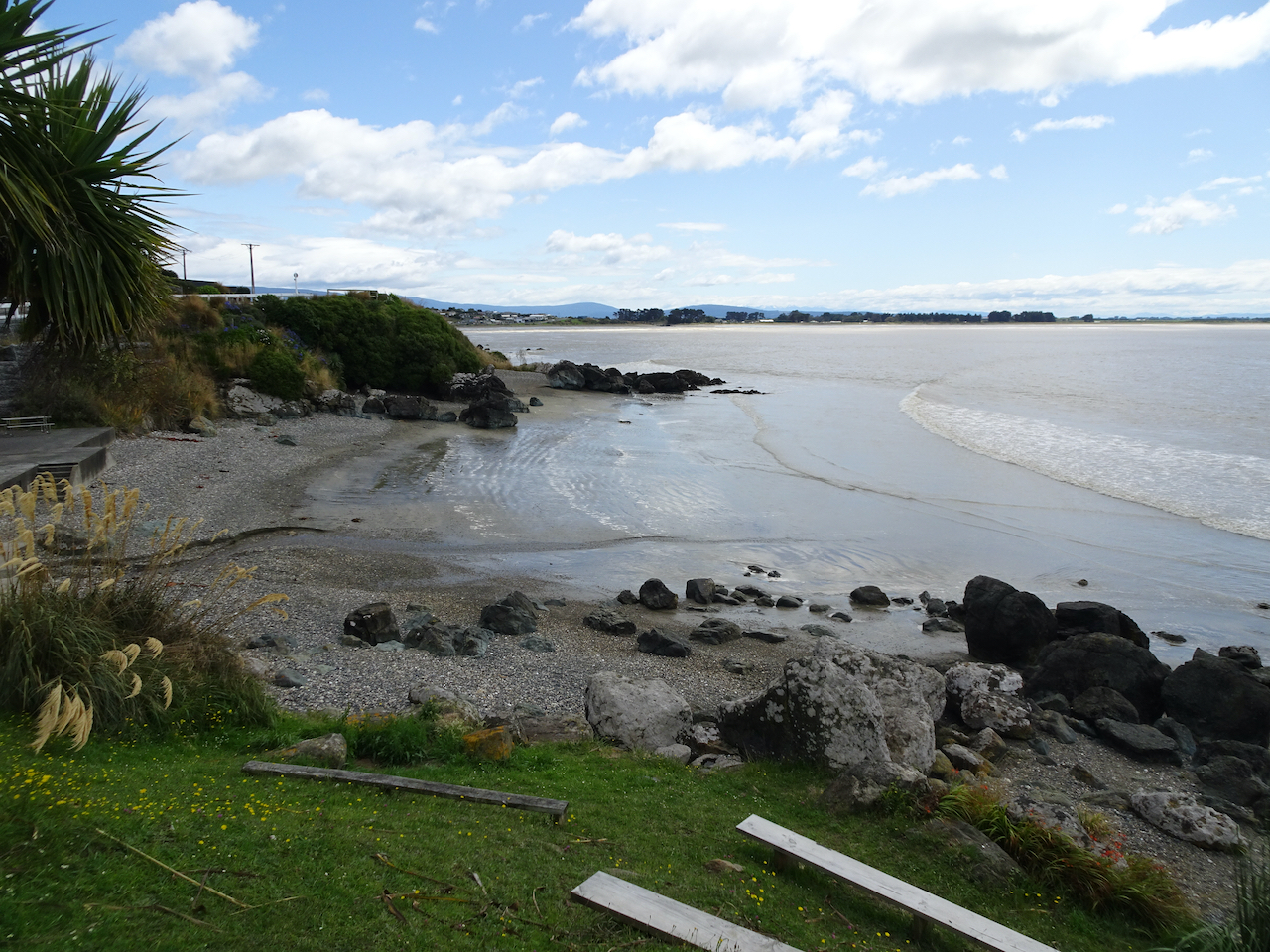
View from seat 17A, Portland International Airport, February 23, 2023

DSC03022 (1)

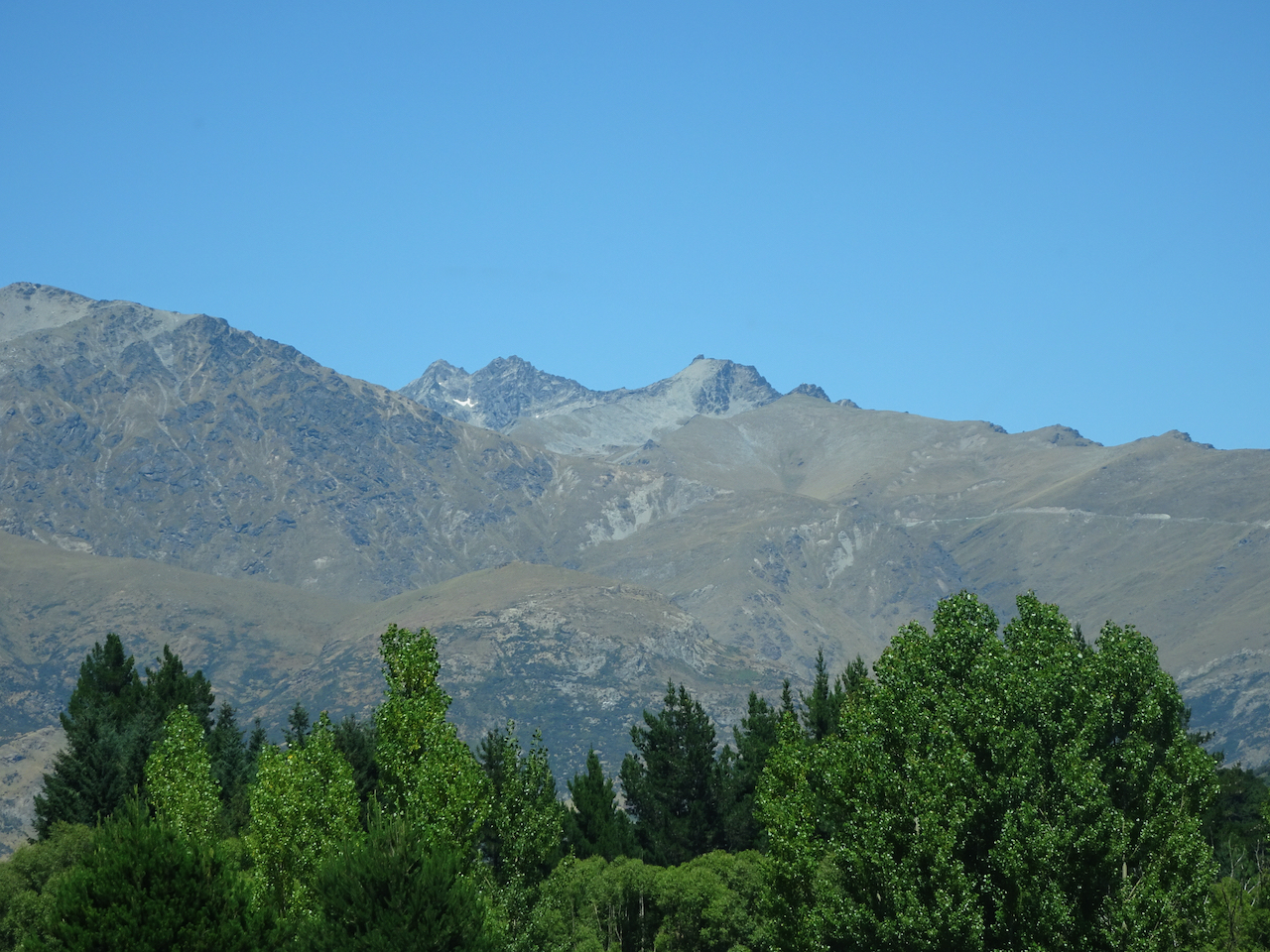
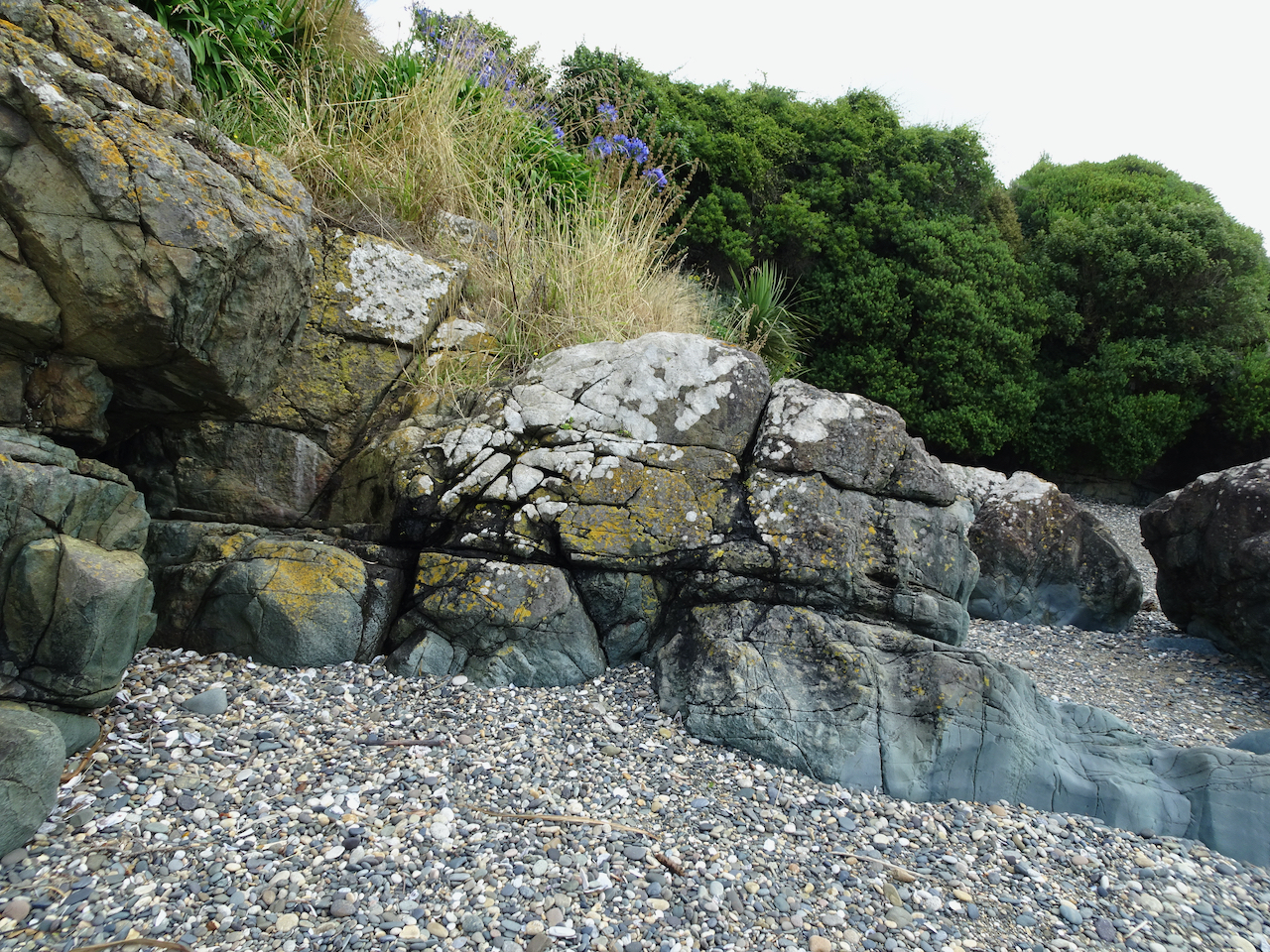
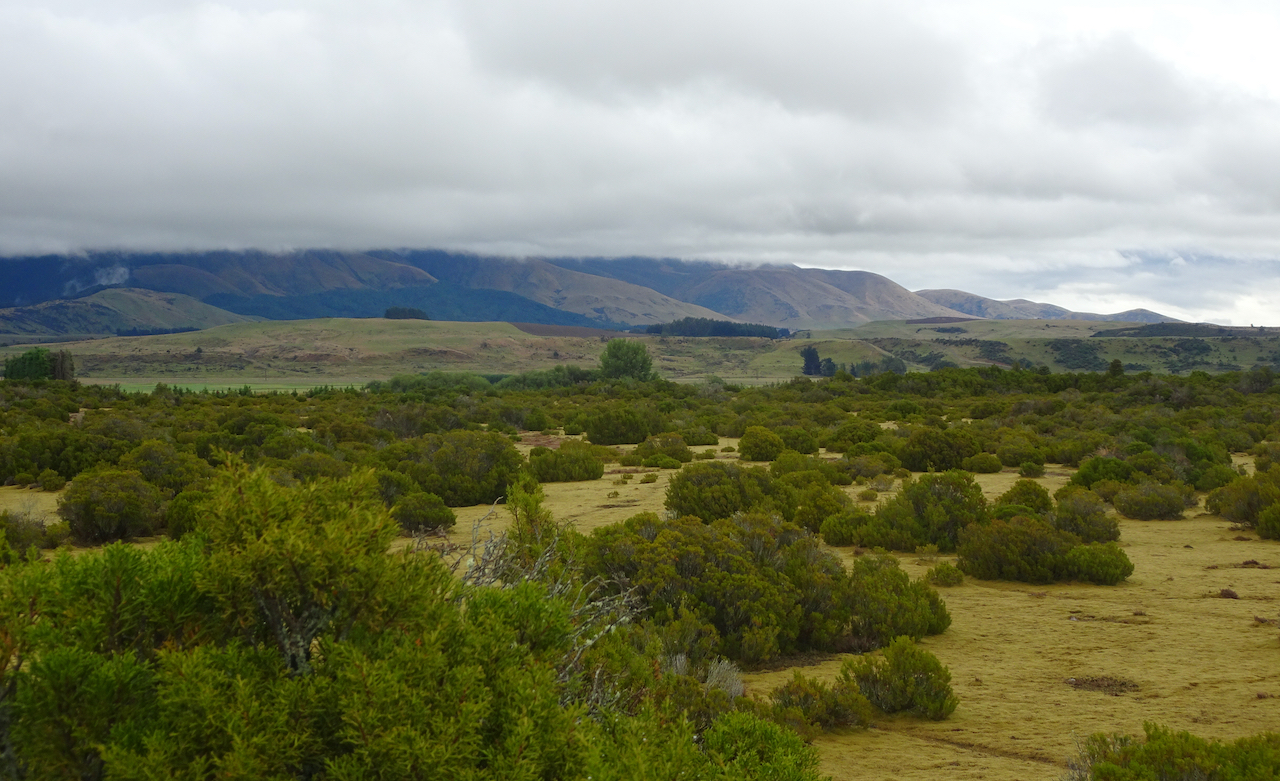
Remarkable Mountains from the Queenstown Airport, February 25, 2023
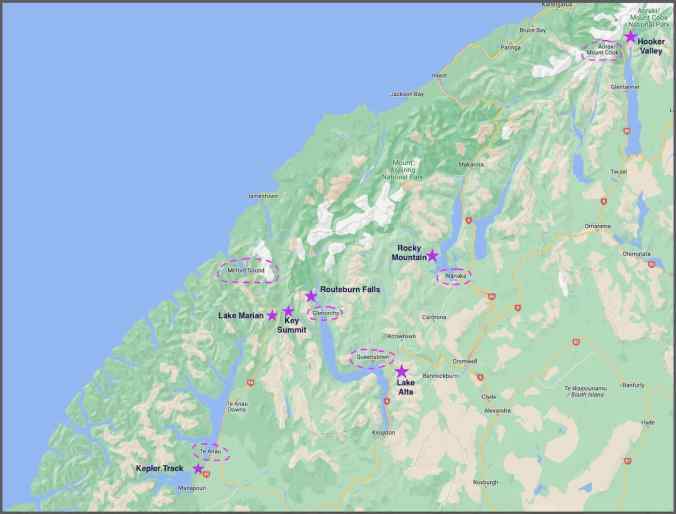
Image 4-6-23 at 2.29 PM

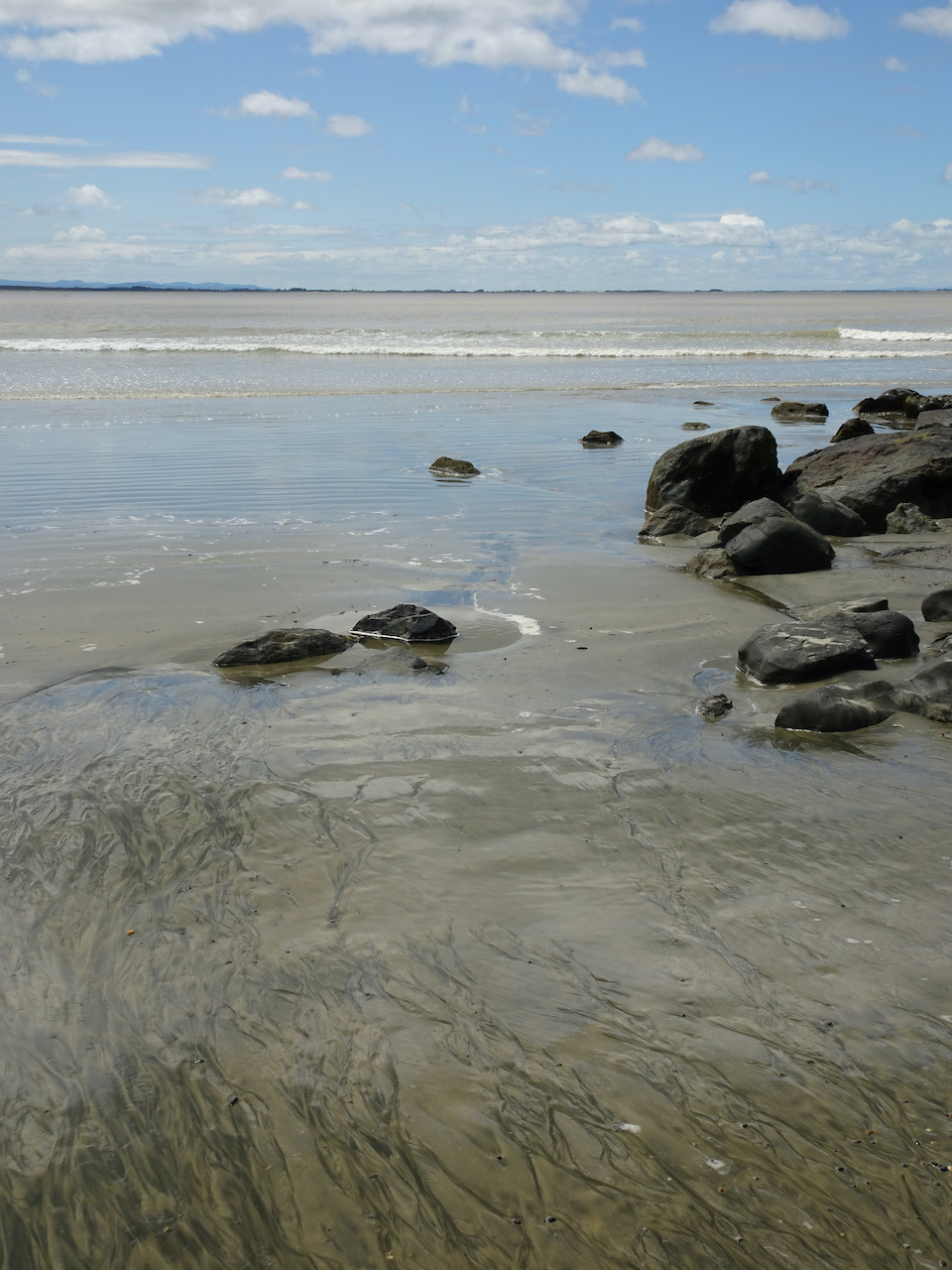
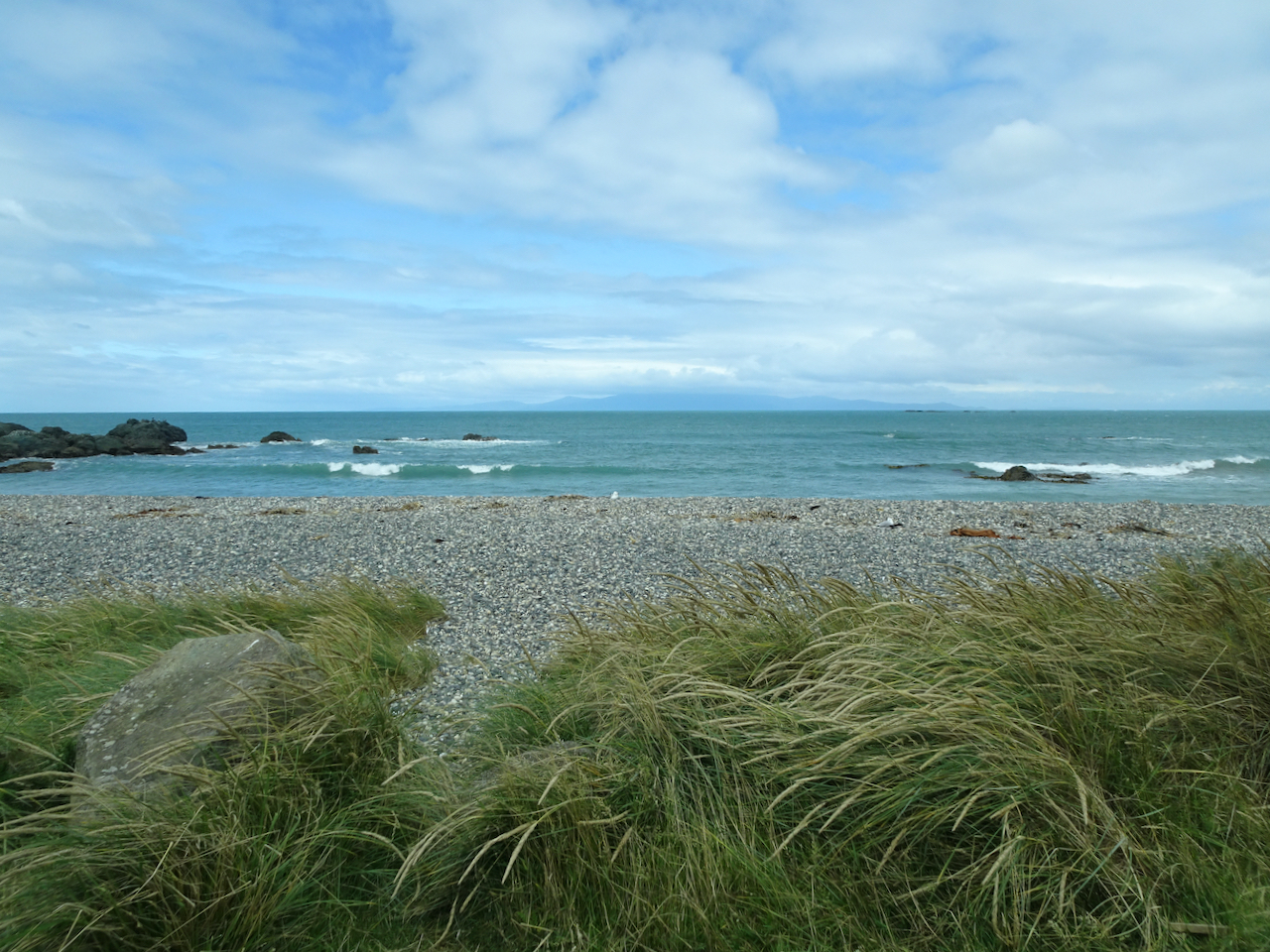
Locations visited and hikes (stars) on the South Island, New Zealand, February and March, 2023

We stayed one night in Queenstown, stocked up on groceries, then headed to Glenorchy, at the head of Lake Wakatipu.

Glenorchy: As we drove along Lake Wakatipu, the low clouds lifted, and the peaks of the surrounding mountains came into view.
DSC03052

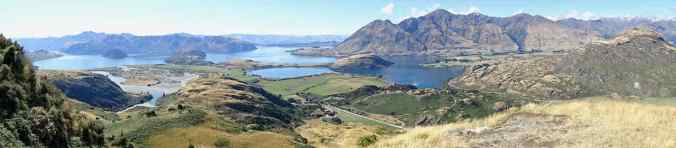
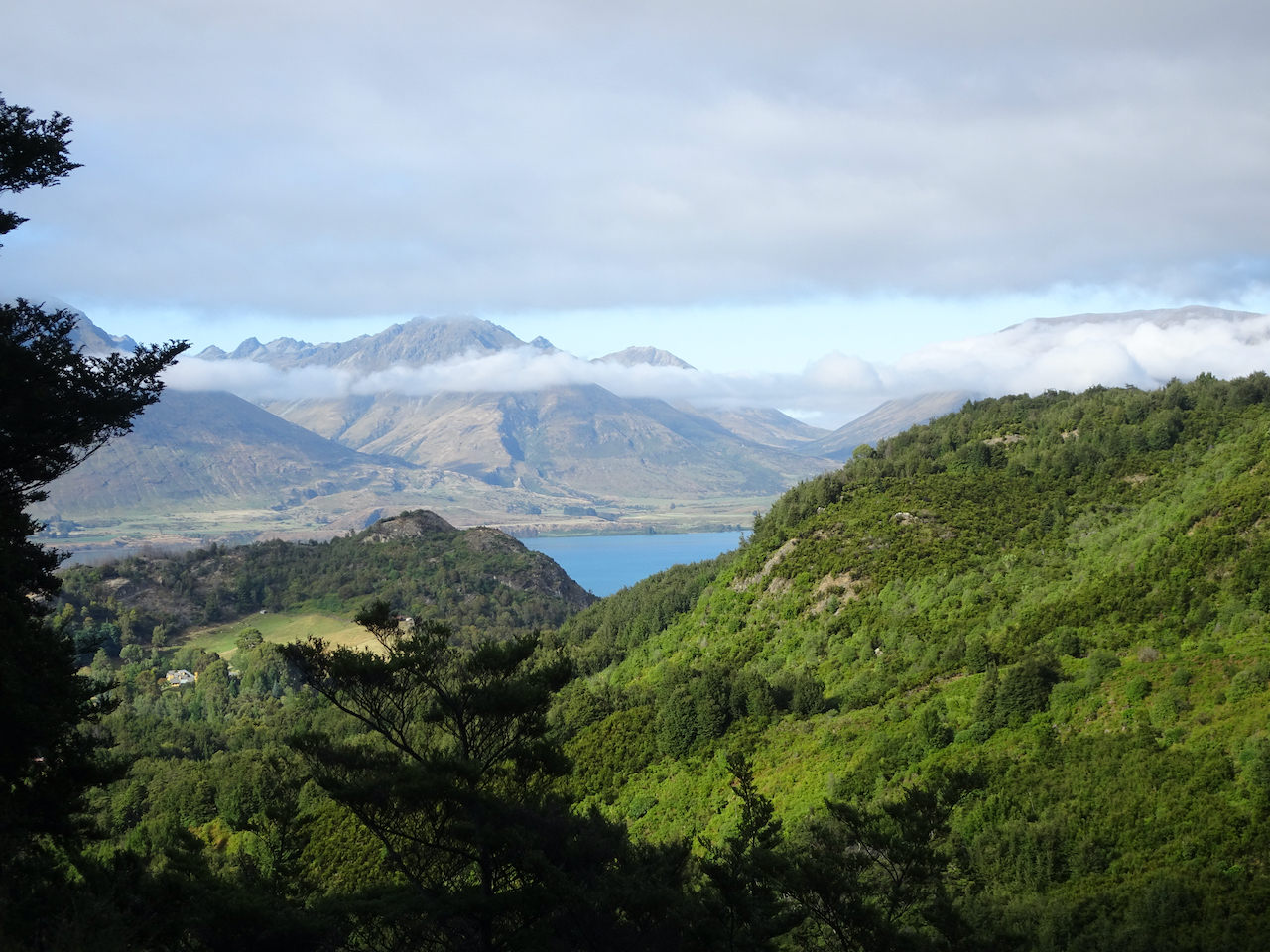
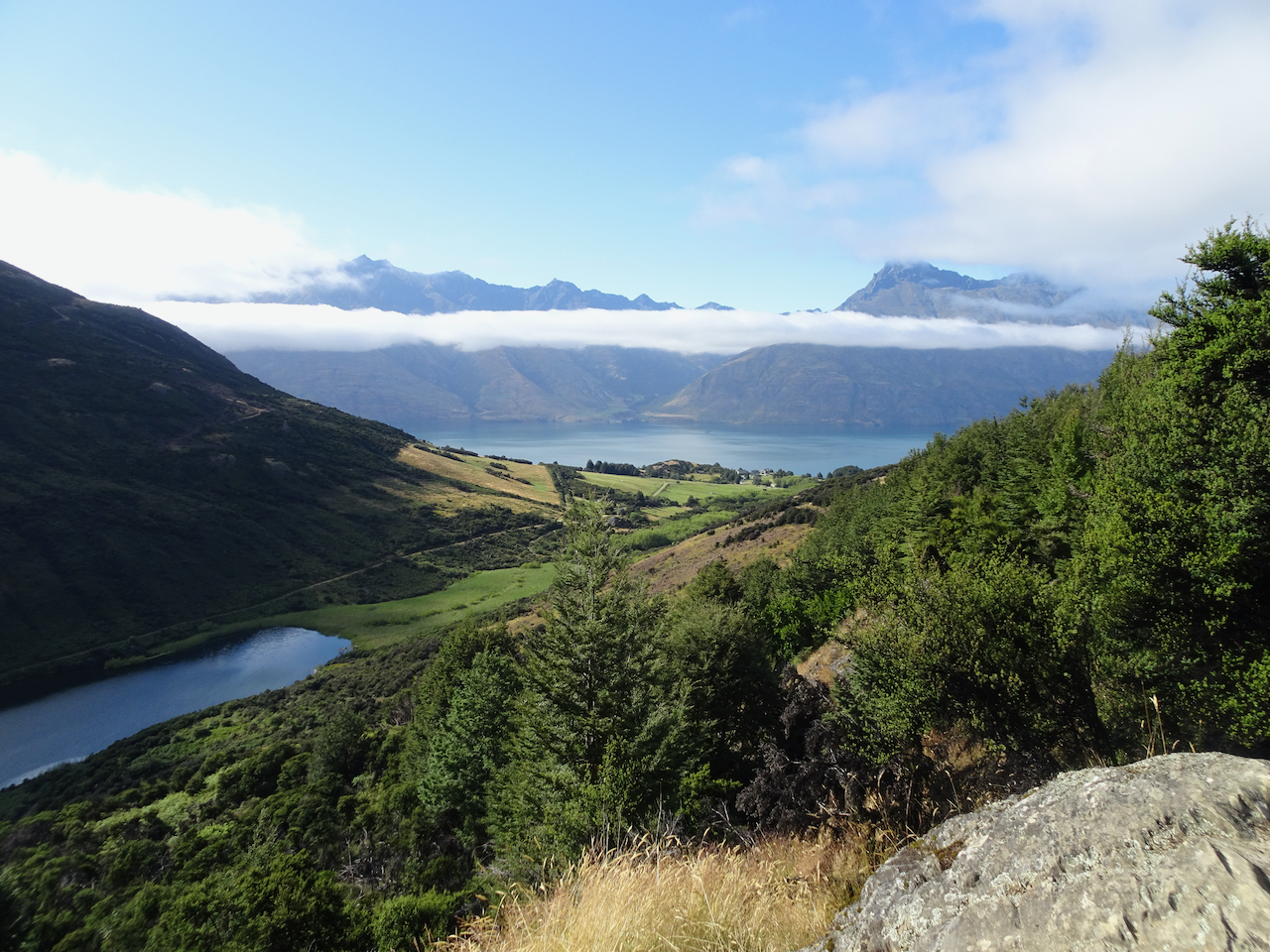
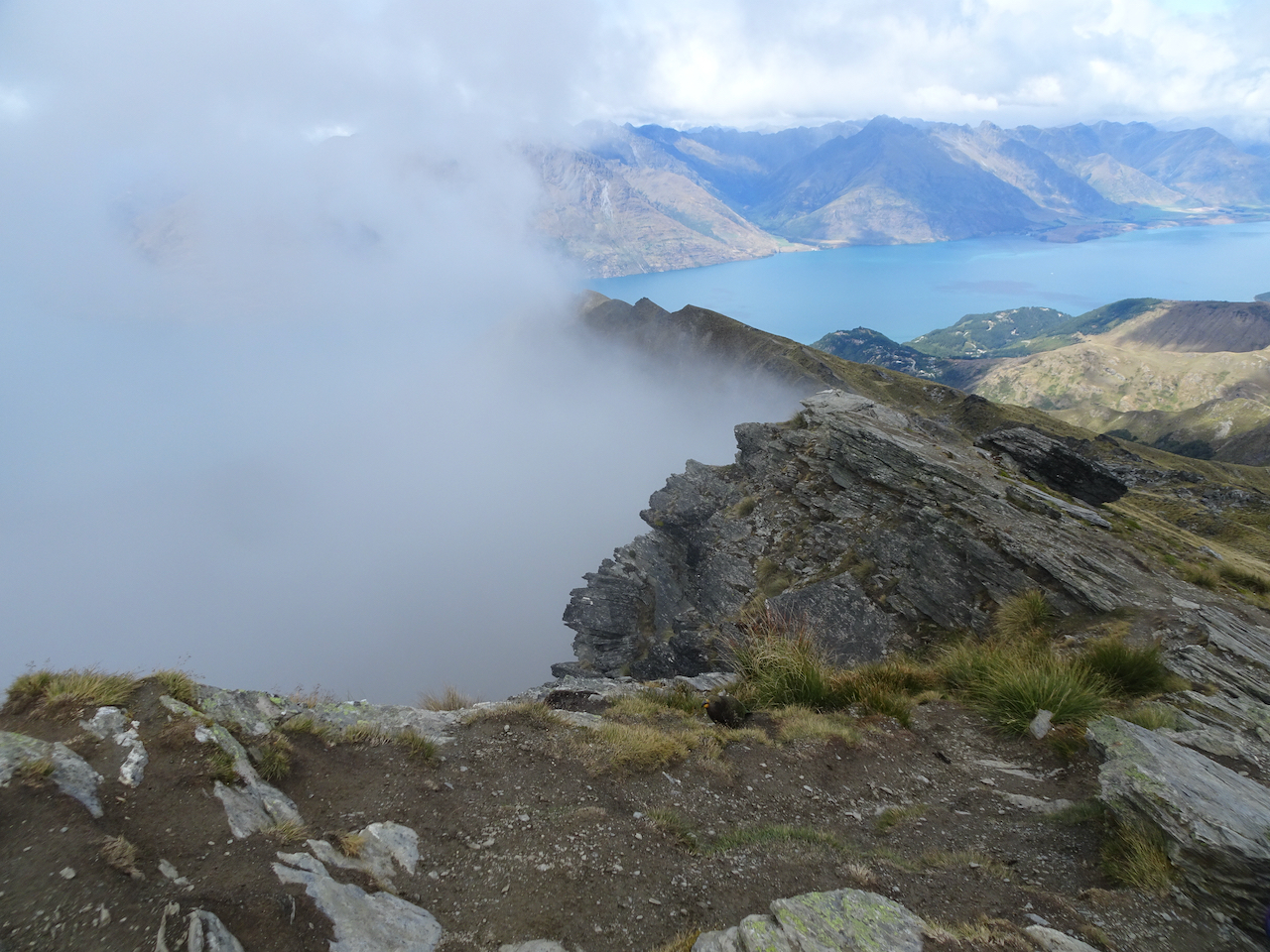
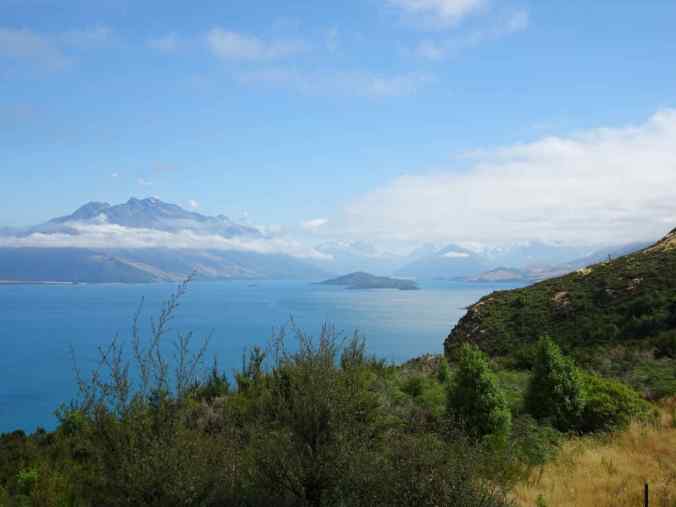
Lake Wakatipu and Southern Alps from Bennet’s Bluff viewpoint, 3/26/2023

After checking into our lodgings, we spent the afternoon walking the Glenorchy Walkway, where the Dart River flows in to Lake Wakatipu.

DSC03080

Mt Earnslaw from the Glenorchy Walkway
DSC03155

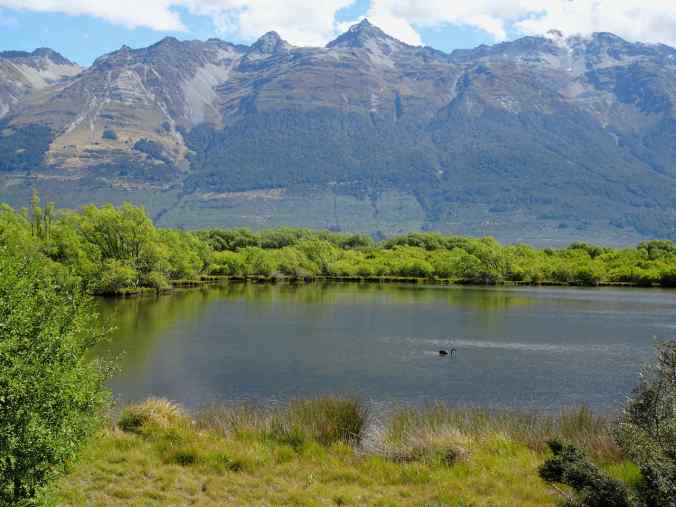
Black swan, Glenorchy Walkway

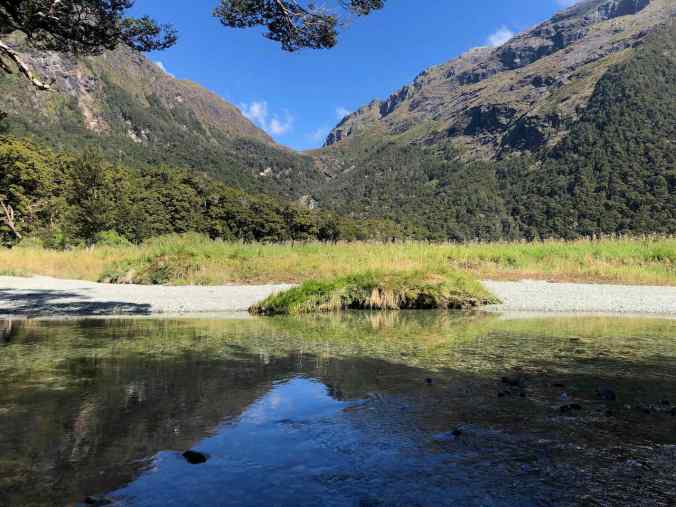
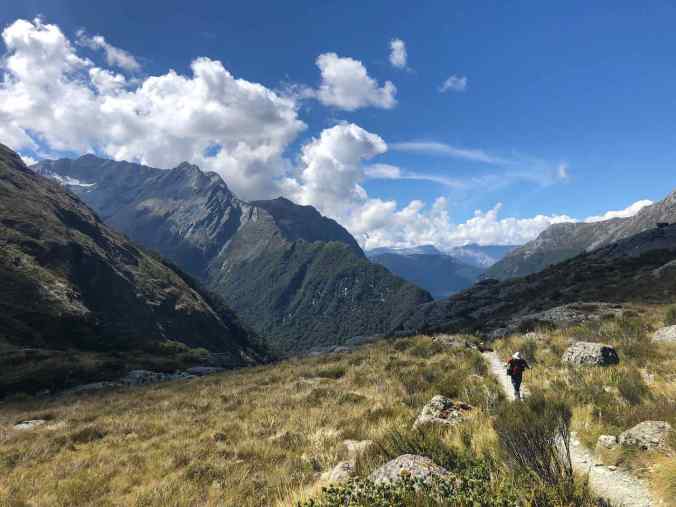
The next day was one of our more challenging hikes, on the Routeburn Track to the valley above Routeburn Falls (13 miles, 2000 feet).
IMG_7751

Quiet lunch spot in the Routeburn Flats along the river. Our destination waterfalls are in the cliffs beyond.

DSC03289

Routeburn Falls

DSC03312

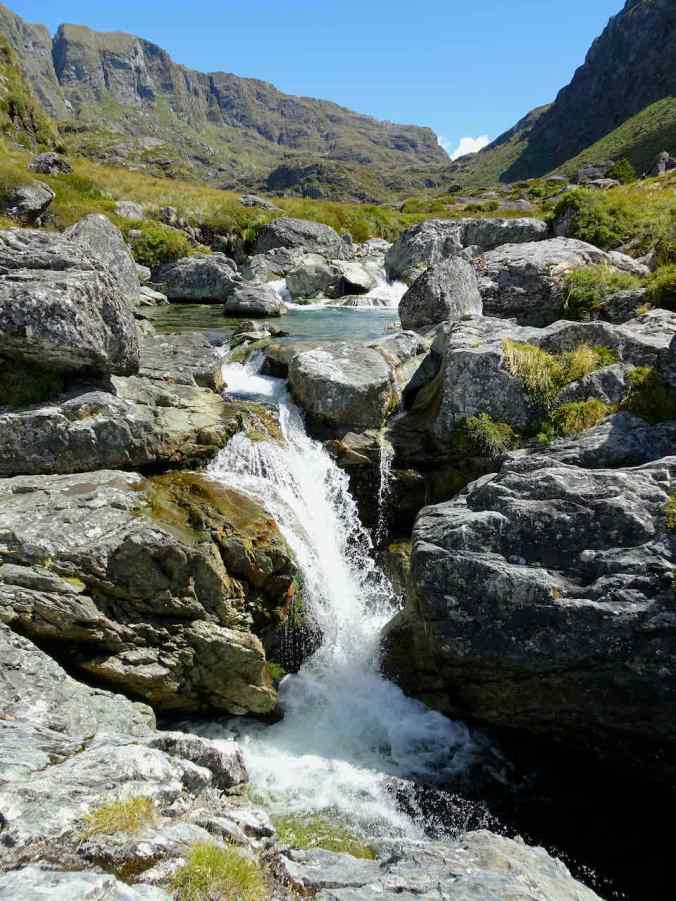
Higher waterfalls on the Routeburn River
IMG_7753

Our high point, looking west, on the Routeburn Track

DSC03318

Routeburn Flats, on our return hike.

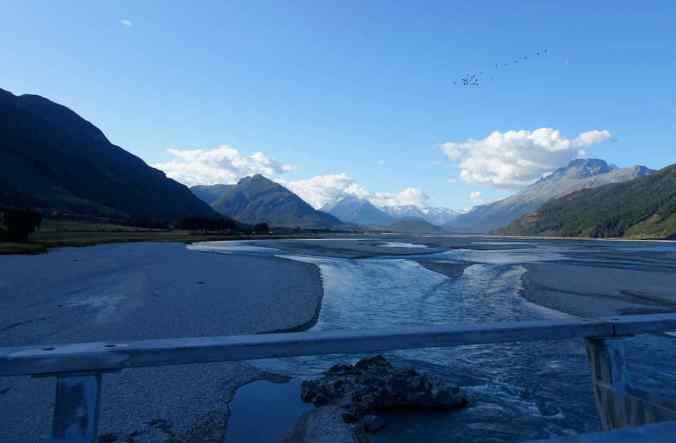
The road to this trail crosses the Dart River, tagged on Google Maps as the location for Isengard, a Lord of the Rings movie location.
DSC03395

Isengard? on the Dart River

Lake Alta: The next day, we drove back through Queenstown to Te Anau. We made a side trip to the Ski Hill at the top of The Remarkables for a short hike to Lake Alta, which sits just behind Double Cone.

DSC03459

Lake Alta, a cirque lake nestled behind Double Cone at the top of the Remarkables.

DSC03452

Up close, the water is a beautiful green blue!

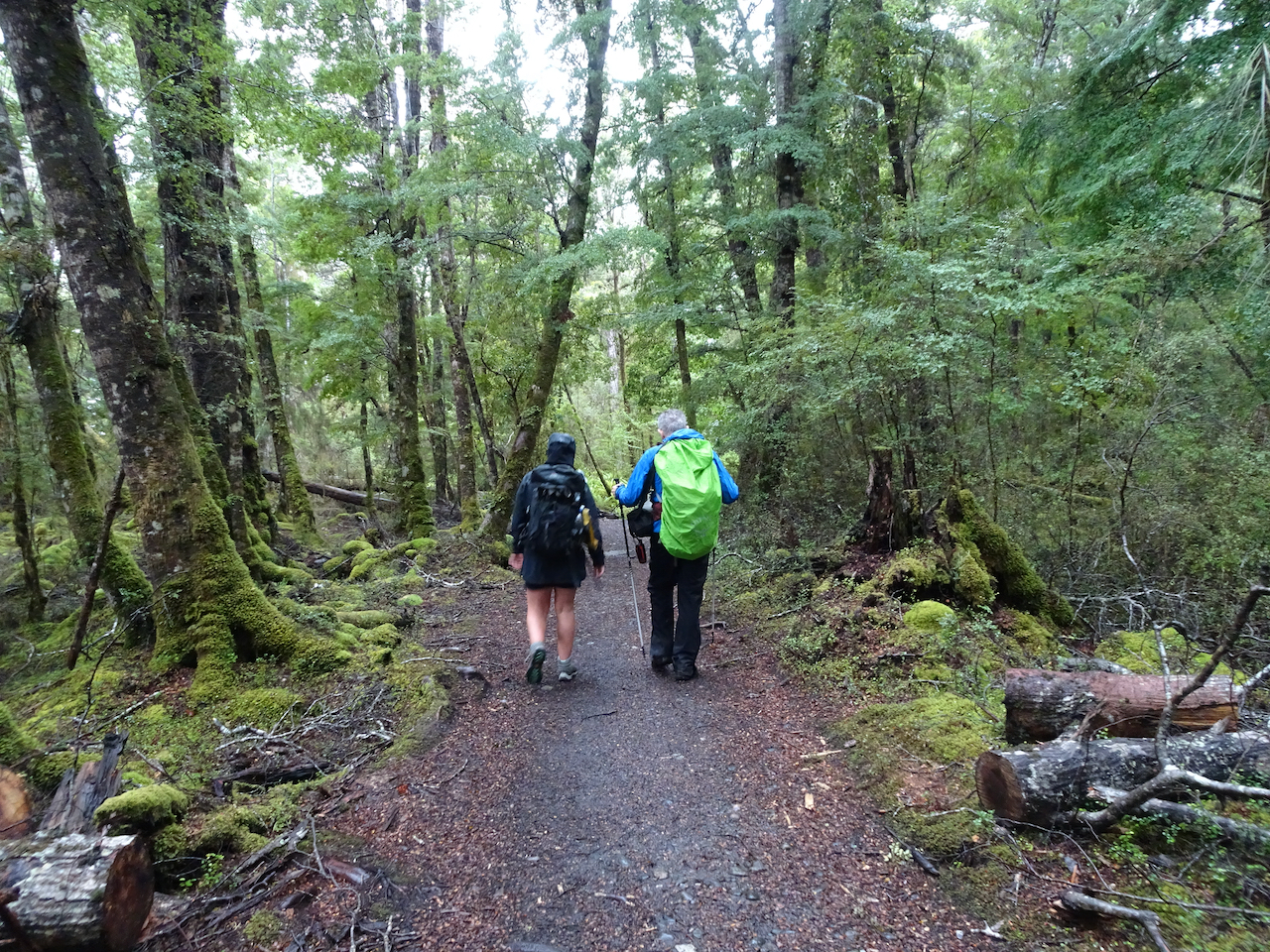
In Te Anau, we hiked a part of the Kepler Track to Lake Manapouri. By incredible coincidence, we bumped into our guide from three years ago at the trailhead.

DSC03492

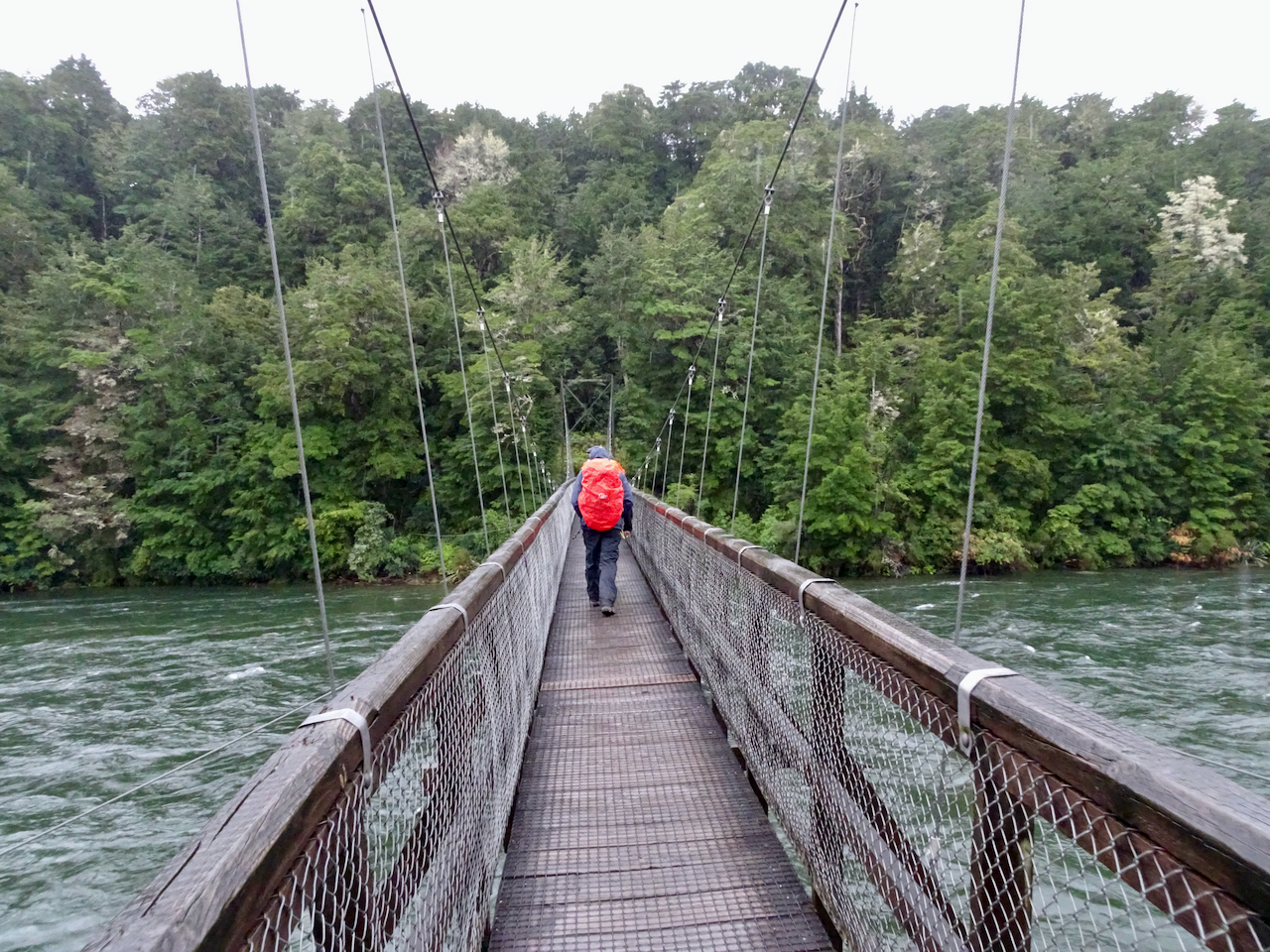
Waiau River (Anduin River) from the Kepler Track.
DSC03519

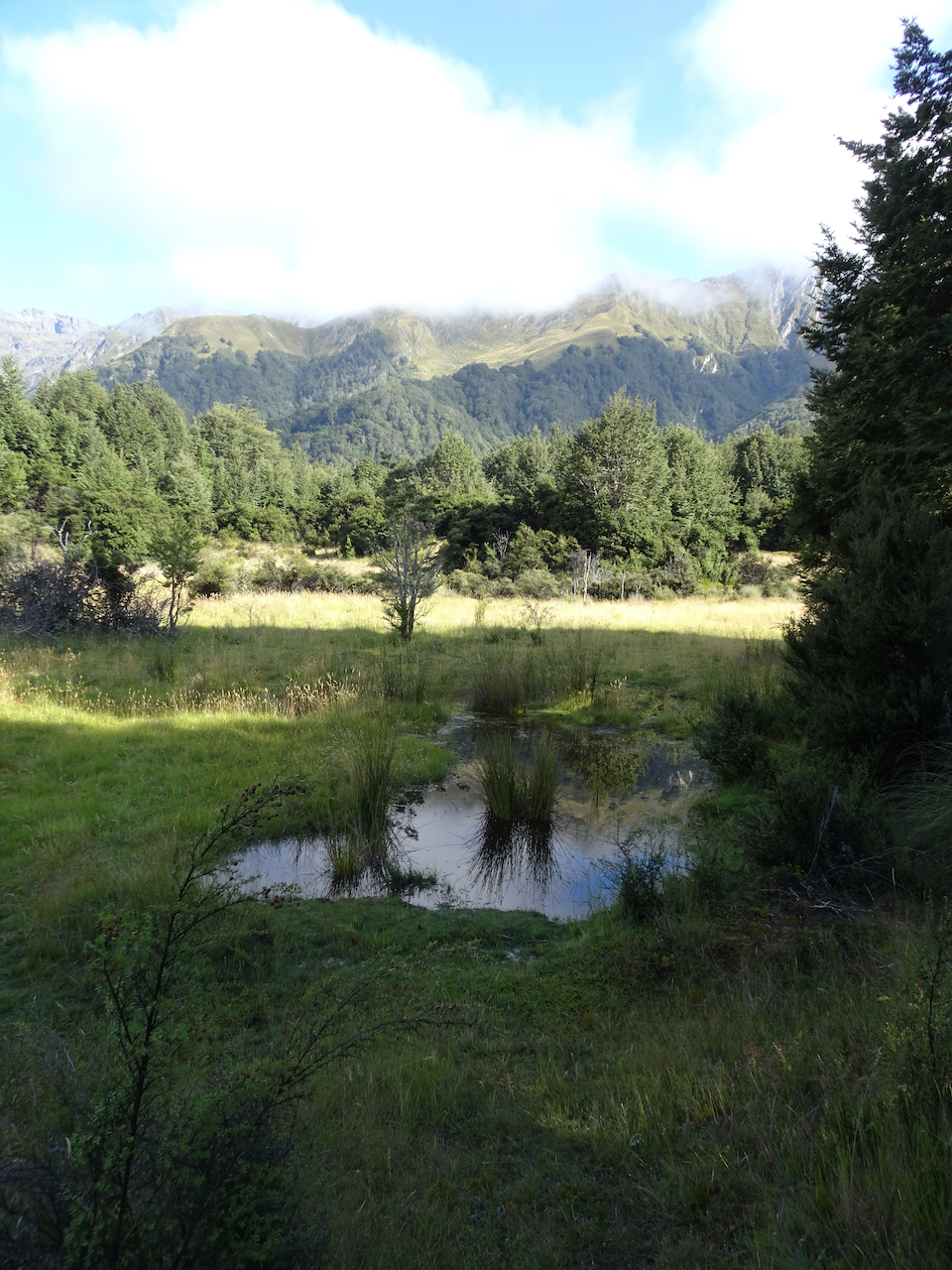
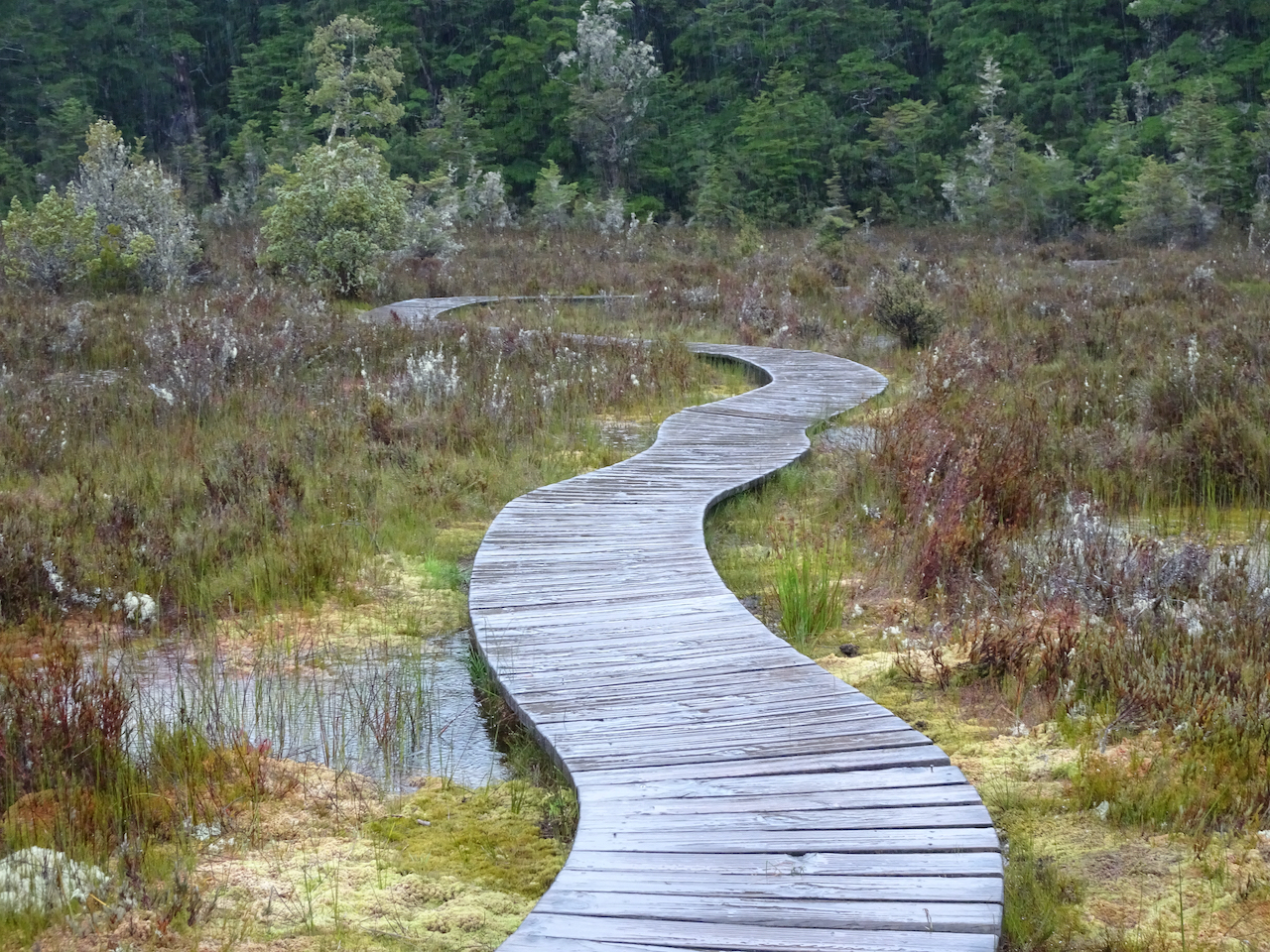
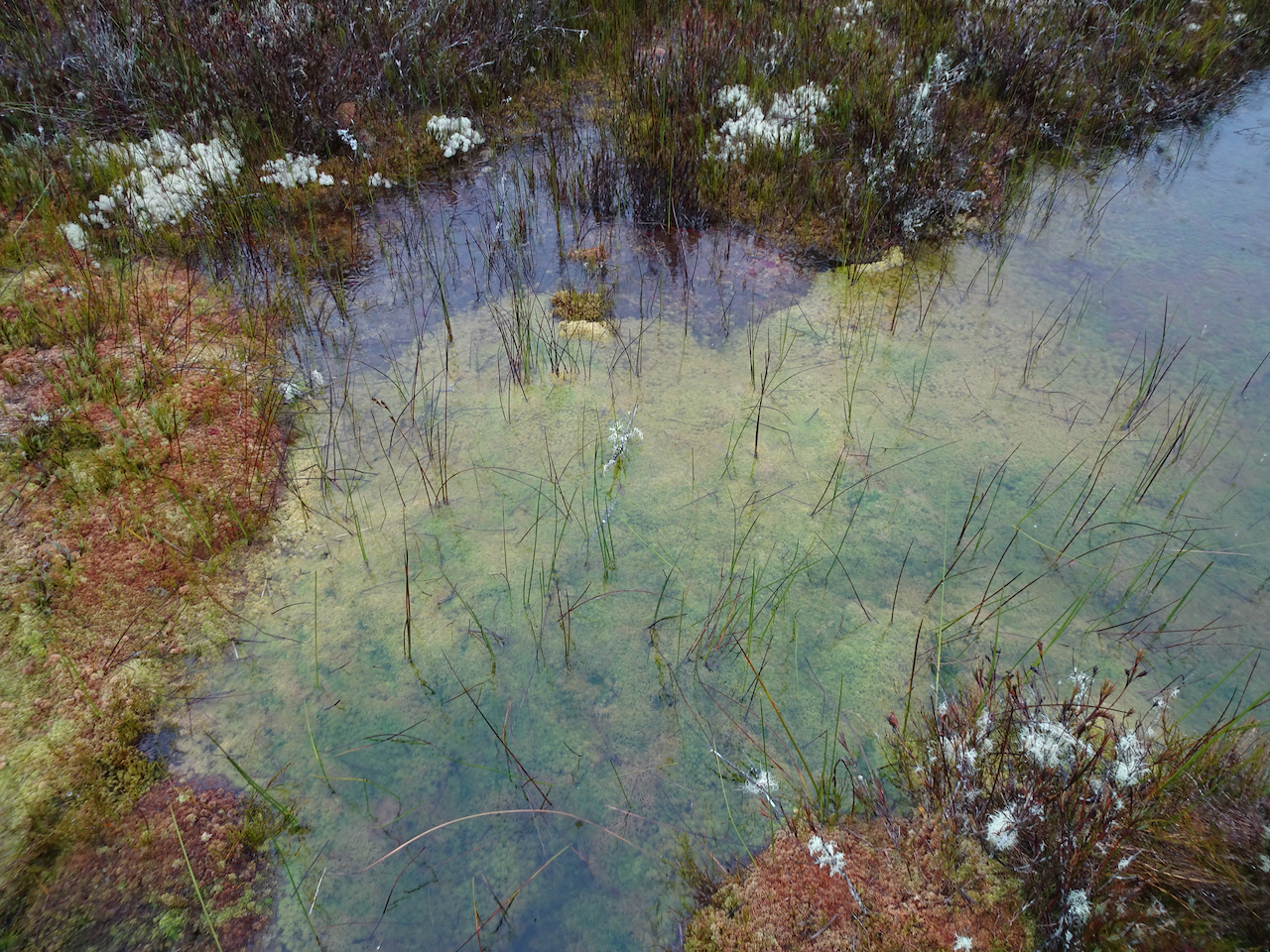
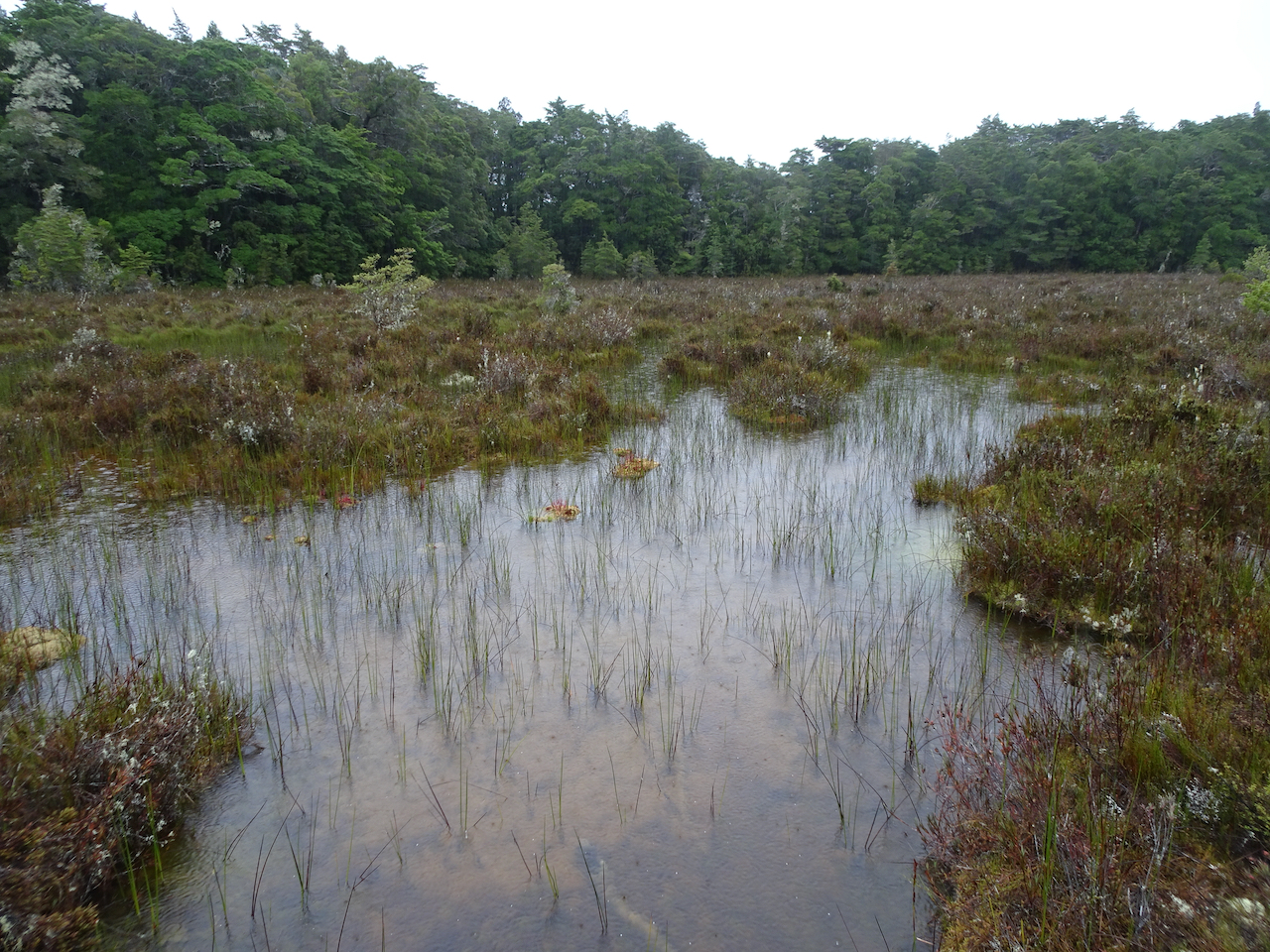
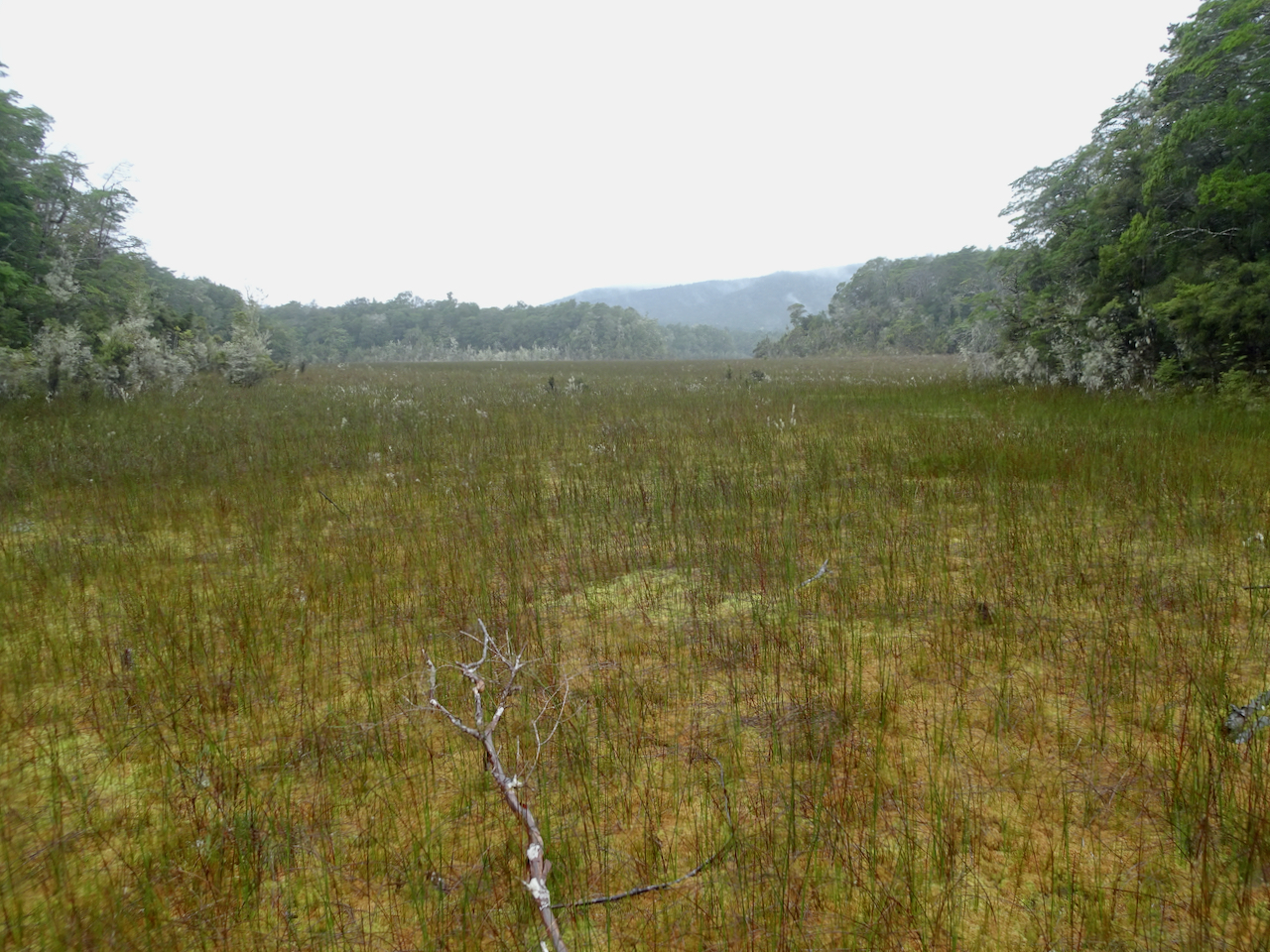
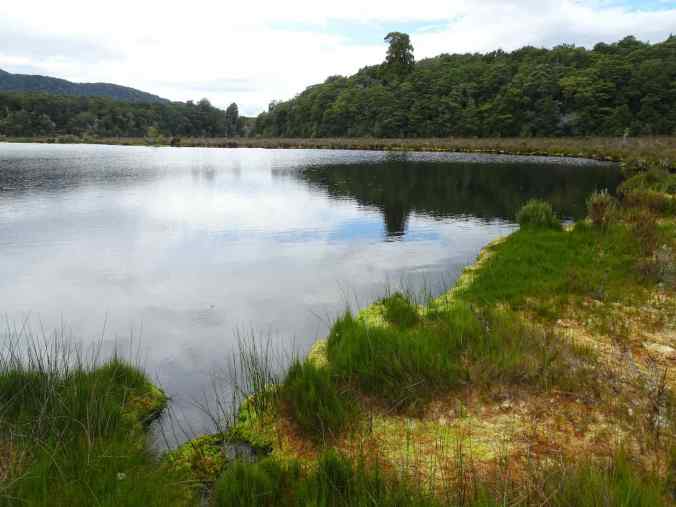
Spirit Lake. The surrounding marshes were dry this late in the summer.

DSC03529

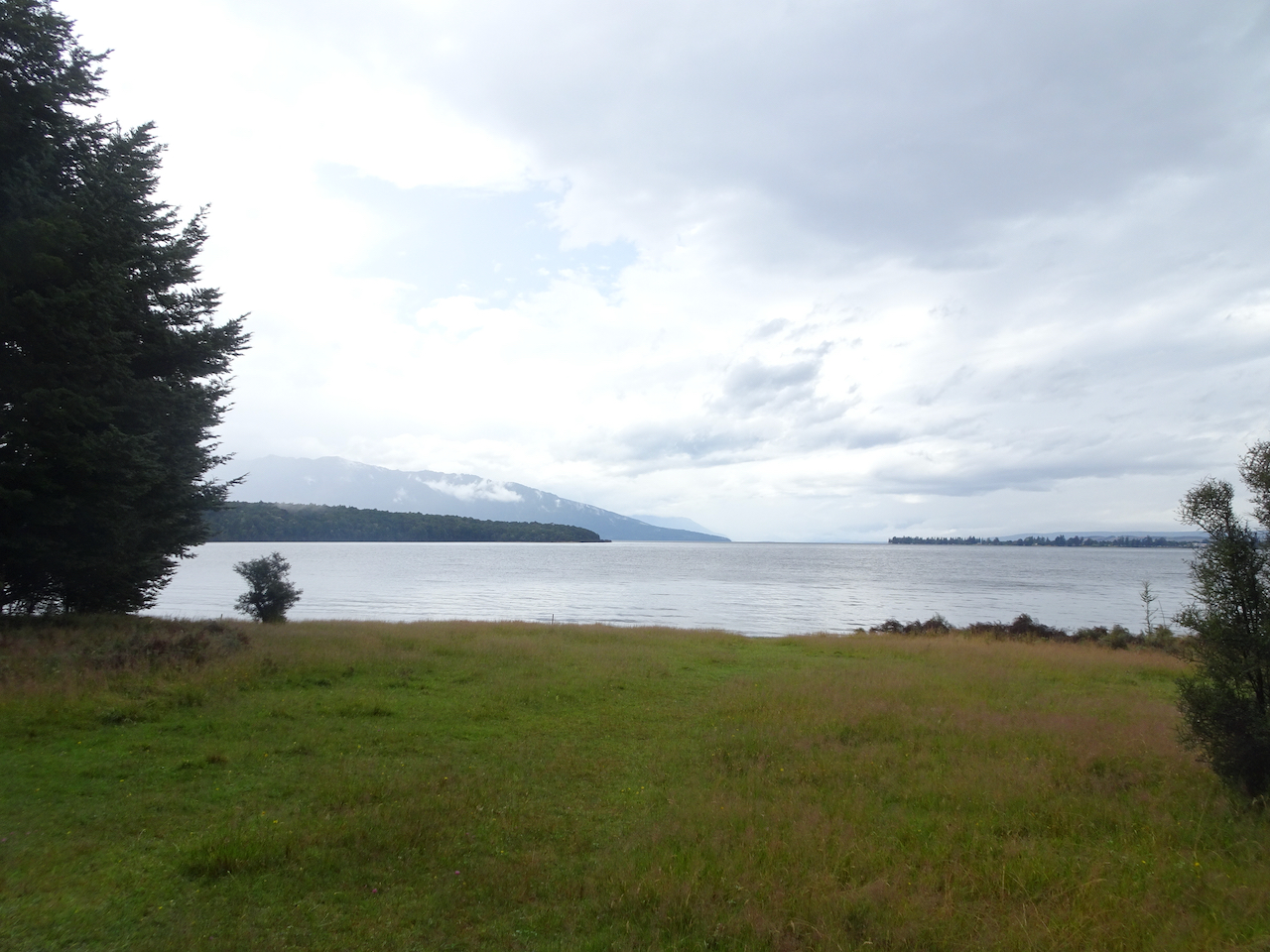
Lake Manapouri, with sandflies.

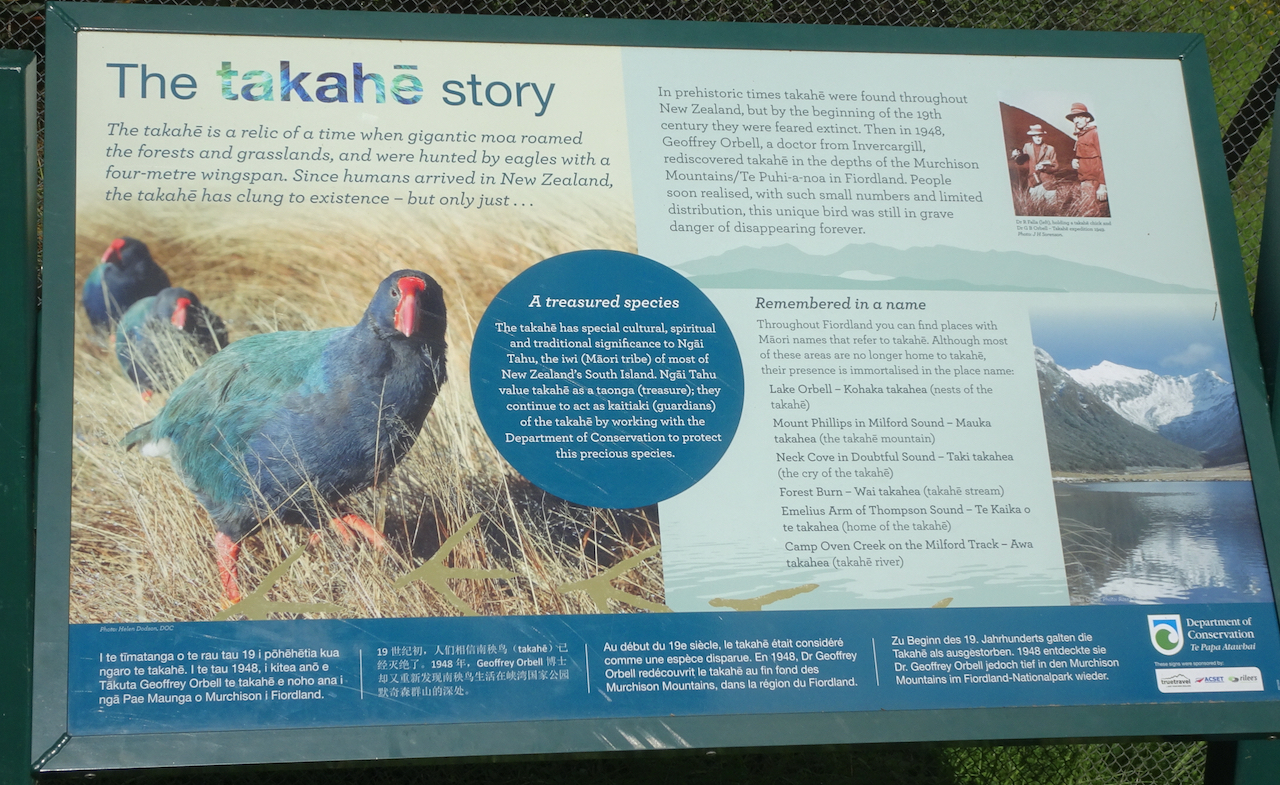
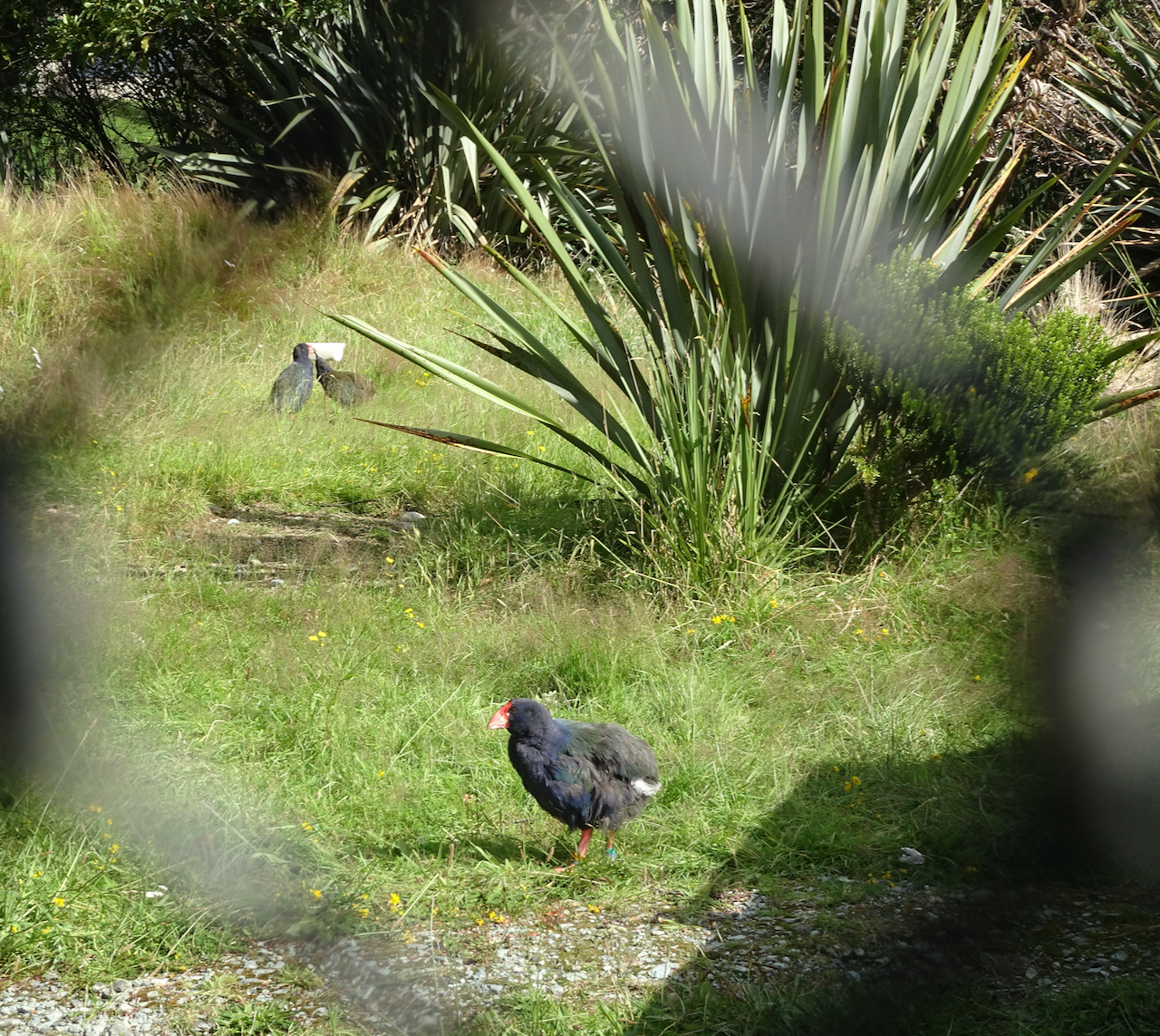
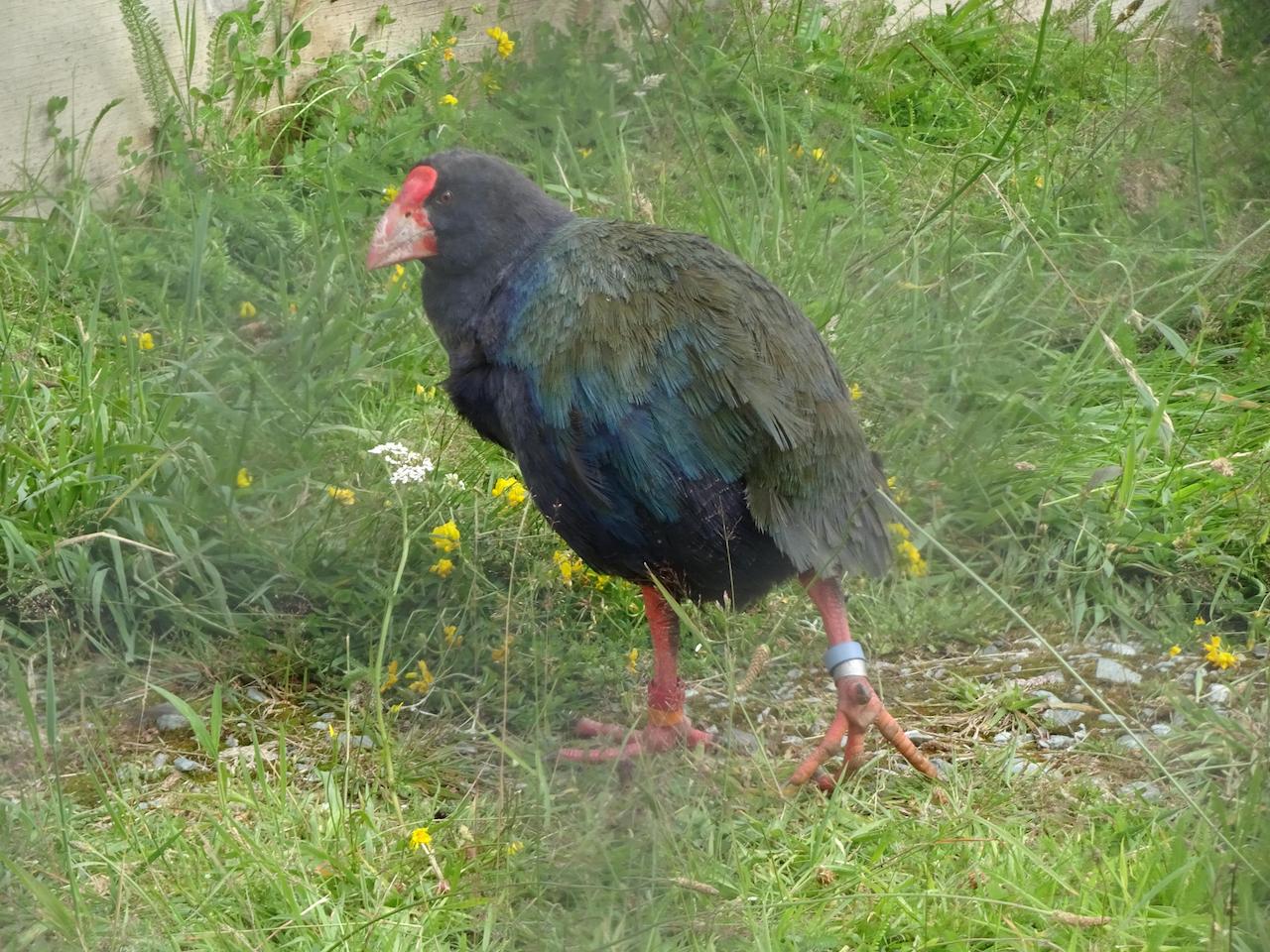
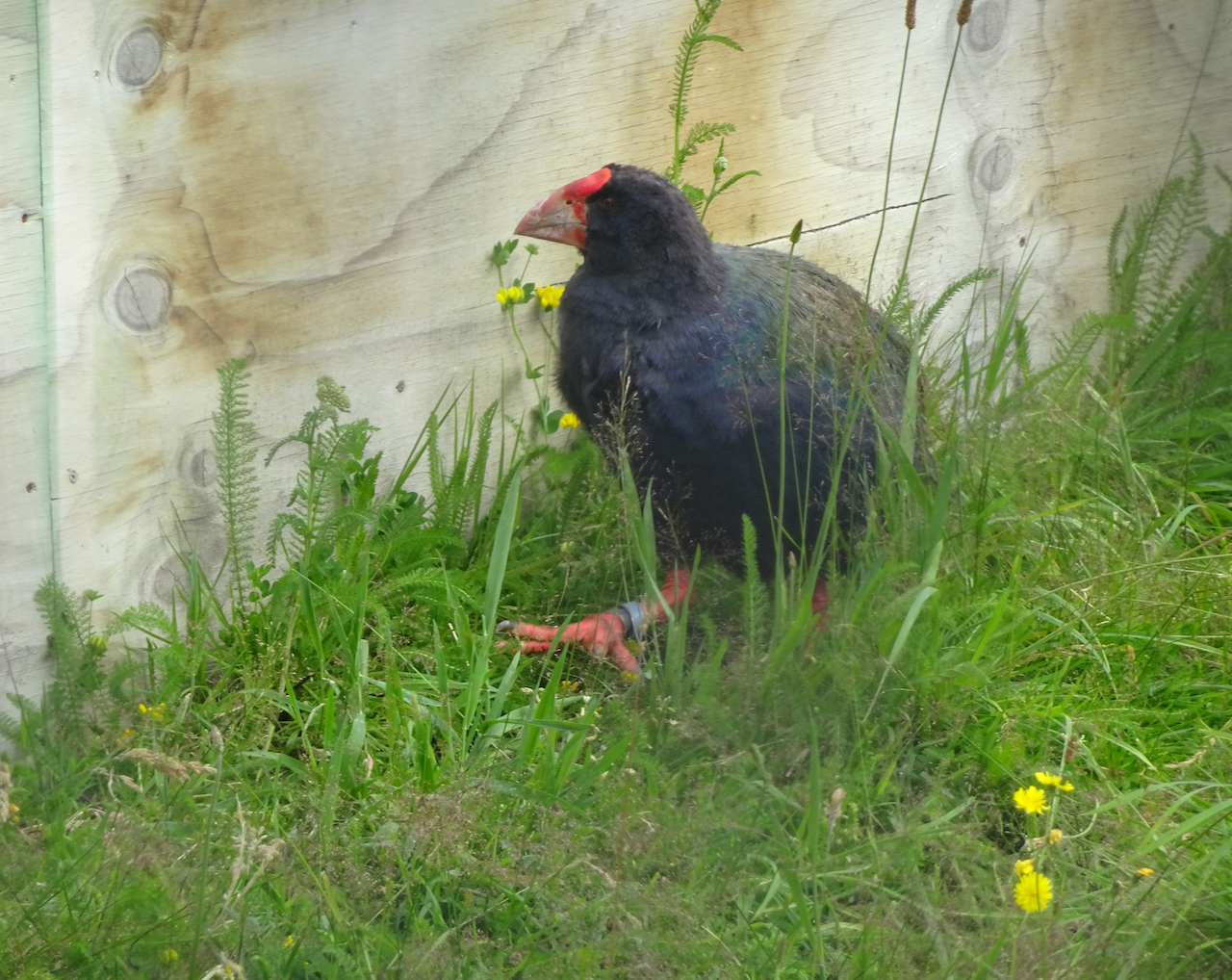
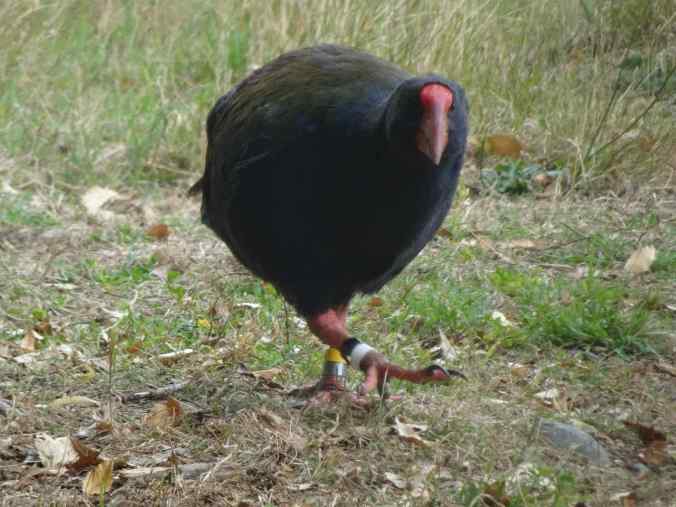
We also made a quick stop in the Te Anau Birdpark to see the Takahe.
DSC03605

Takahe, Te Anau Birdpark, 3/1/2023

Milford Sound: The Key Summit Track, which is also the other end of the Routeburn Track, is along the road to Milford Sound. We missed this entire segment of our trip three years ago, due to flooding, so this was one of our main destinations this trip. We had the good luck of seeing the clouds lift as we reached the top, revealing views of the surrounding peaks, with Lake Marian nestled between them.

DSC03674

Mts Christina and Lyttle, and Lake Marian, from Key Summit

DSC03694

Key Summit tarn and reflections

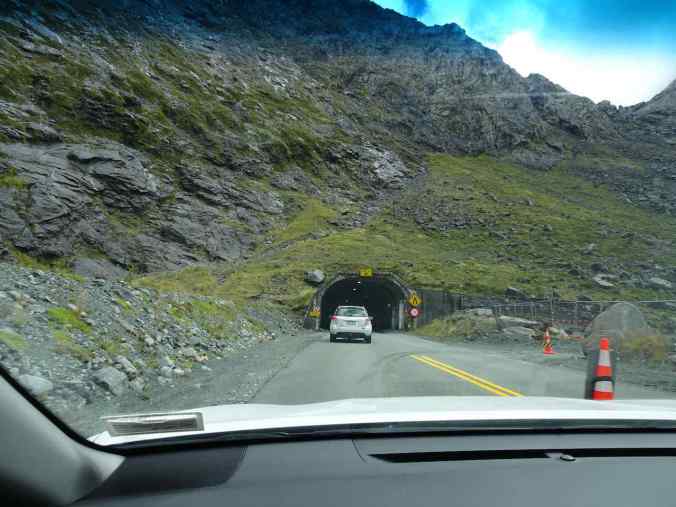
After the hike, we drove on through the Homer Tunnel to Milford Sound, where we spent two lovely nights at a lodge on the Cleddau River, surrounded by incredible views of the mountains.
DSC03732

Homer Tunnel entrance, westbound

DSC03746

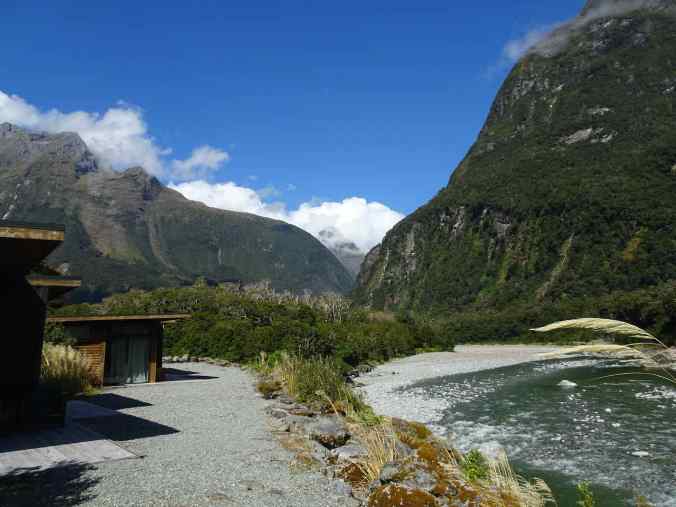
Milford Sound Lodge, Cleddau River

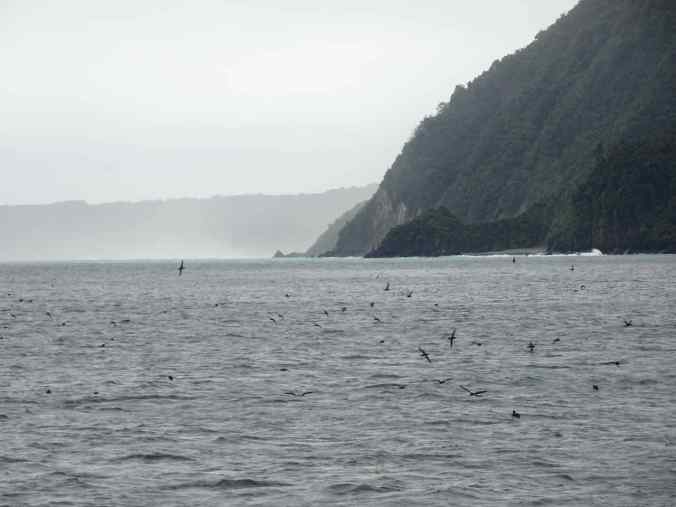
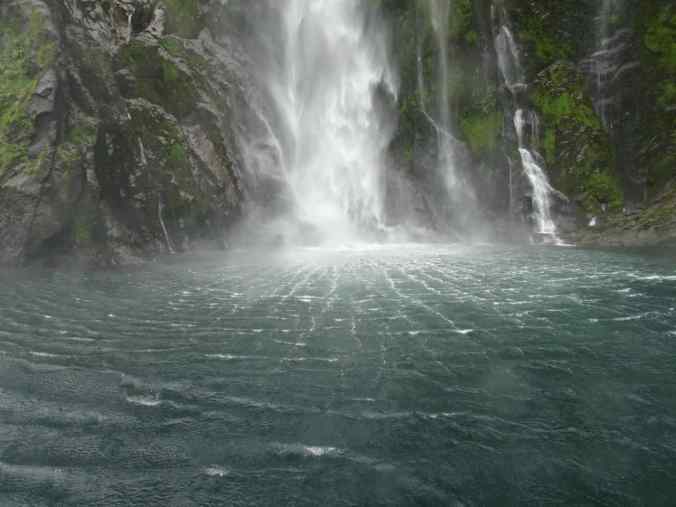
The next day we took our long awaited cruise through Milford Sound to the Tasman Sea and visited the underwater observatory. It was a cloudy day, but didn’t rain. We saw many waterfalls, dolphins, seals, and birds.

DSC03799

Morning view of Mitre Peak, Milford Sound, 3/3/2023
DSC03915

Bird flocks near the Tasman Sea

DSC03980

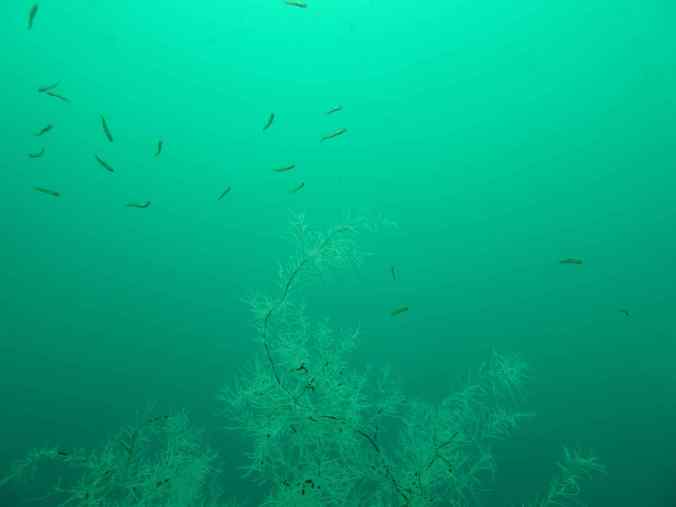
Black coral in the underwater observatory
DSC03964

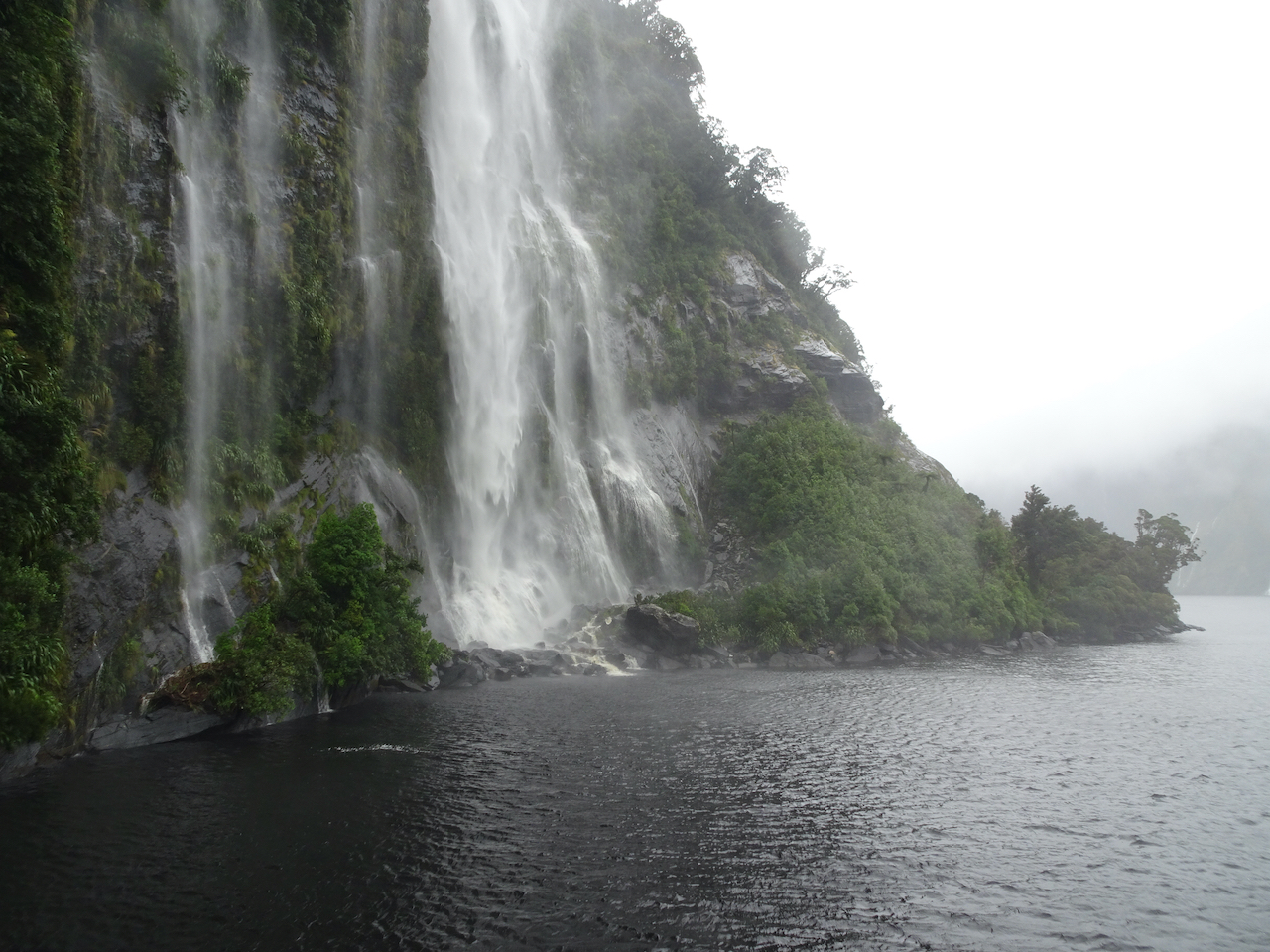
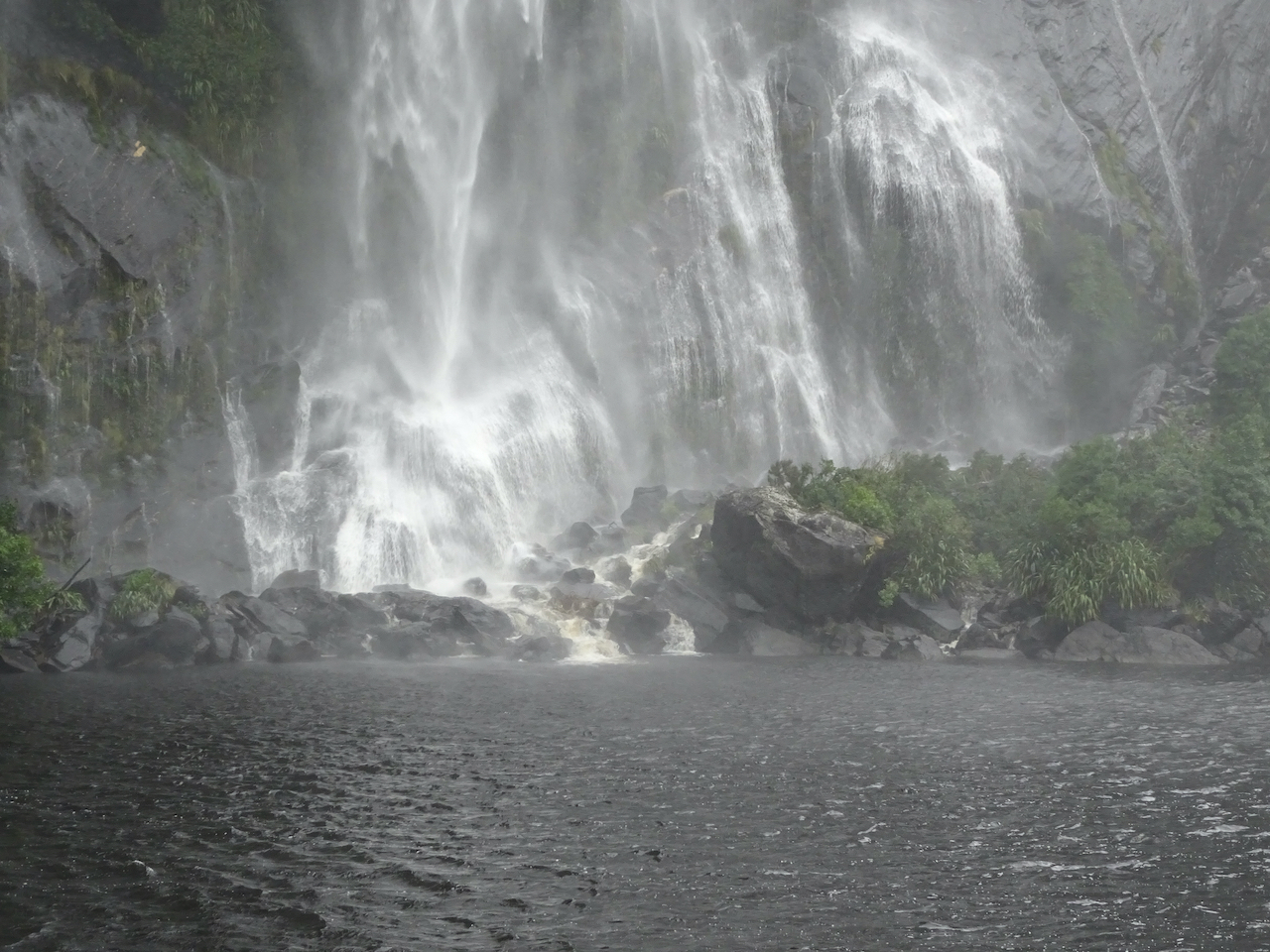
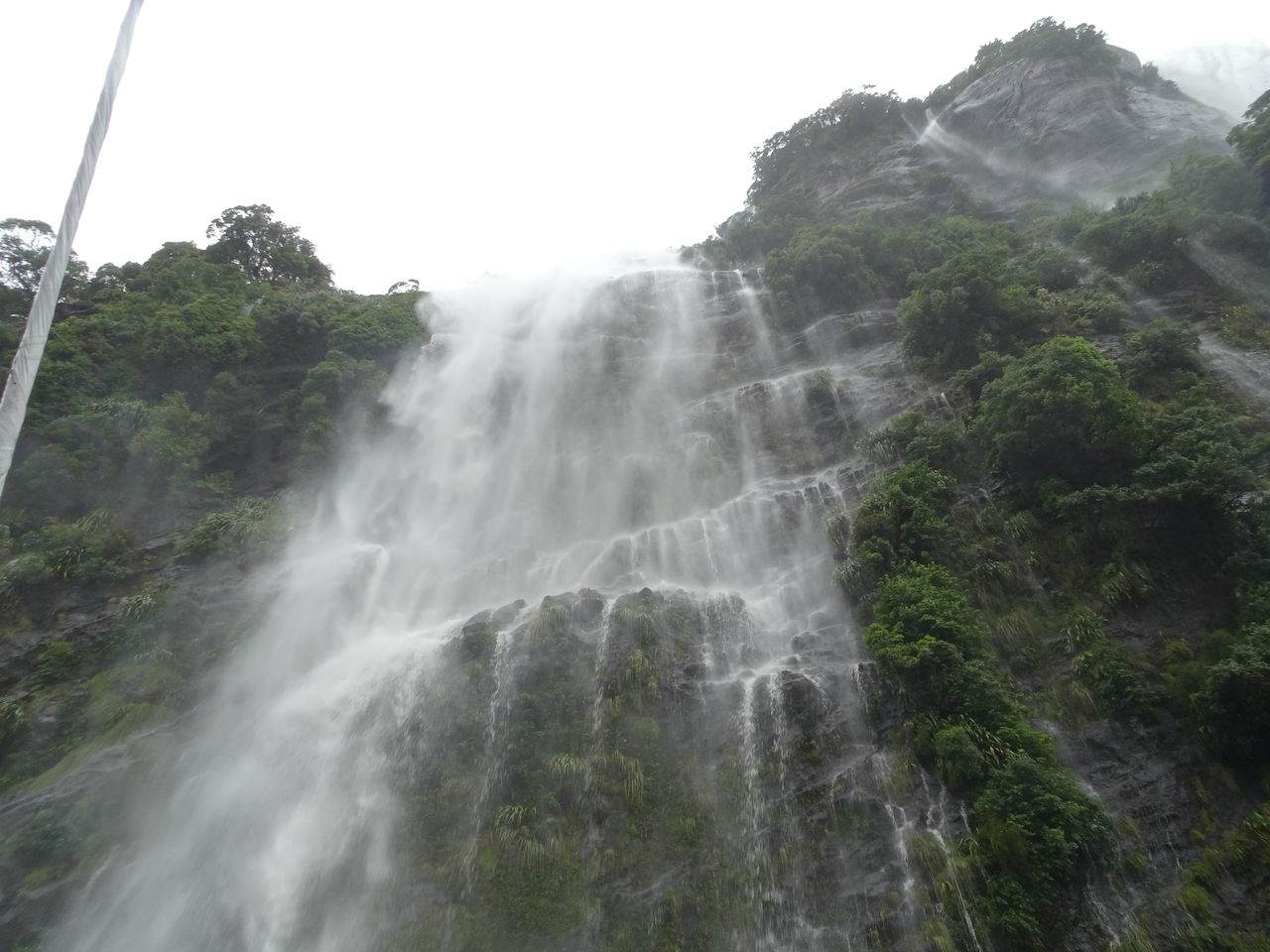
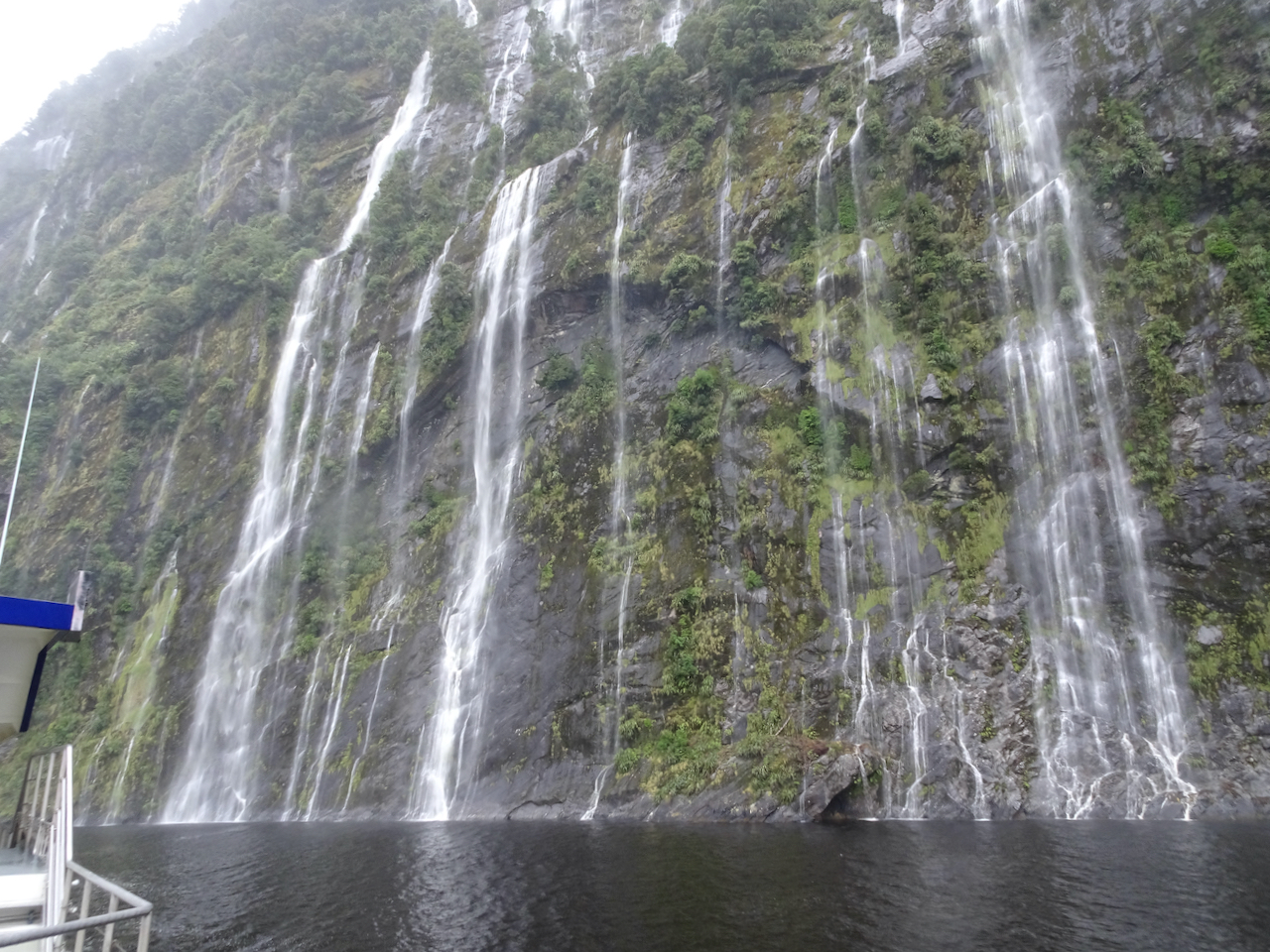
One of the many waterfalls.

DSC04106

Afternoon reflections

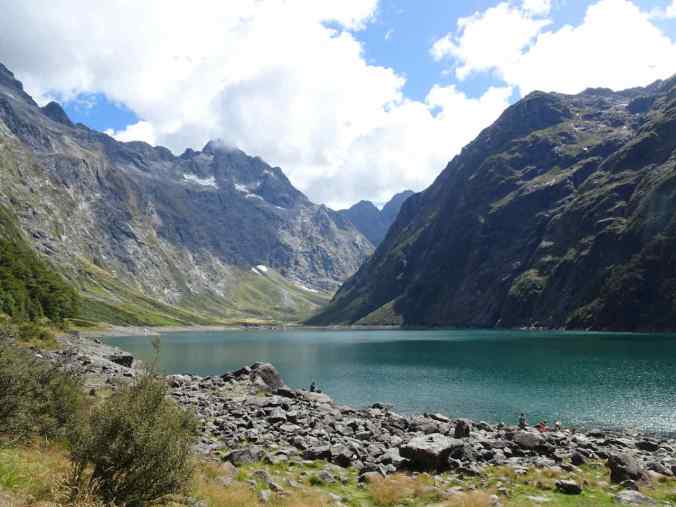
The next day, we drove back through the Homer Tunnel, and this time stopped in the Hollyford Valley to walk up to Lake Marian, which we had seen from Key Summit. The trail is not long, but it is very rough (5 miles, 1500 feet). There is much climbing over rocks and roots, and lots of stairs. The lake was very peaceful, and once again, that beautiful aqua blue color.
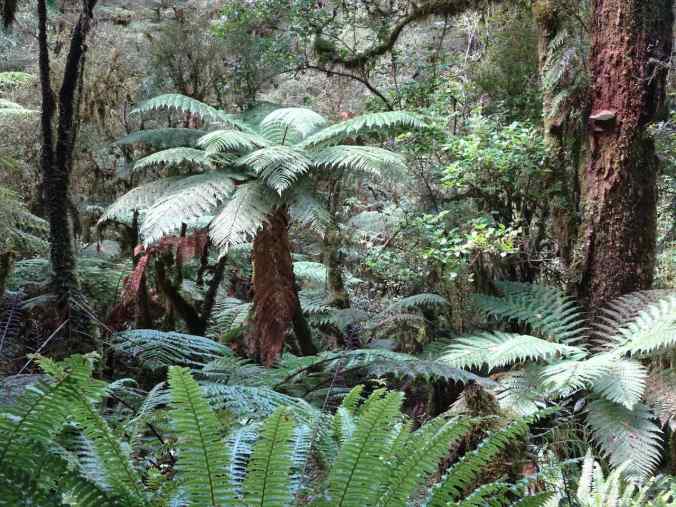
DSC04155

Rainforest in the Milford Sound area

DSC04197

Homer Tunnel entrance, eastbound

DSC04250

Lake Marian

DSC04252

Climbing down one of the steeper trail segments

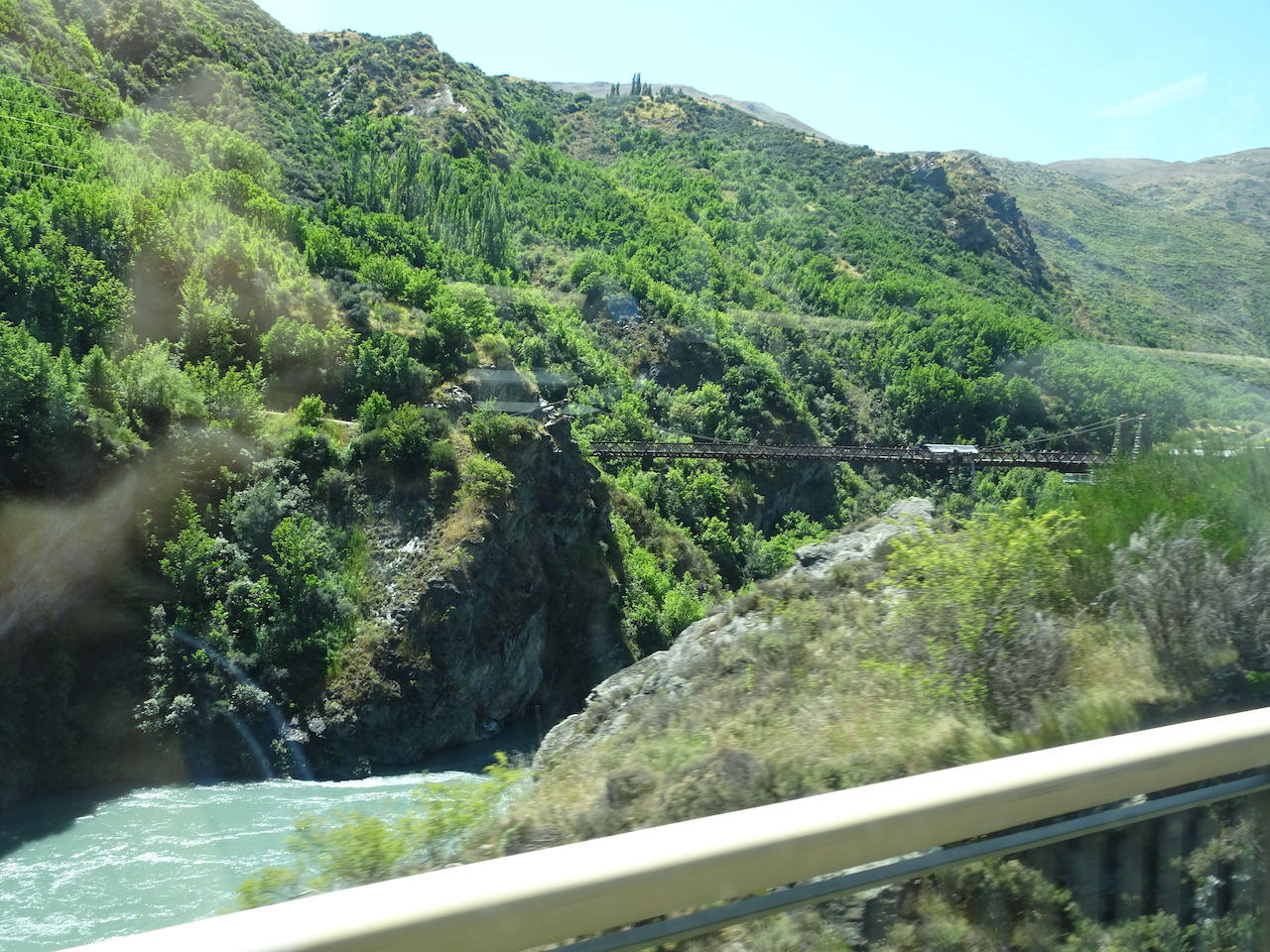
To Wanaka: We stayed one more night in Te Anau, then had a long day’s drive to Wanaka. On our way back through Queenstown, we took a break at Kewarau River Gorge, with its famous bungy jumping platform. It is a beautiful setting, with an antique suspension bridge over aqua blue waters. We saw rafters and kayakers in the gorge below, and also saw several people take the bungy leap.
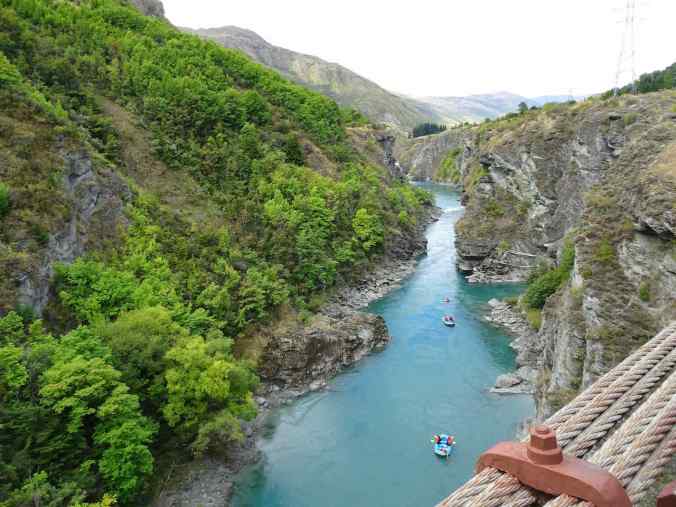
DSC04339

Kawarau Gorge

DSC04330

Wanaka: We had been hoping to go to Rob Roy Glacier, but couldn’t find a 4wd vehicle to get to the trail. Instead, we repeated our Rocky Mountain hike of three years ago, this time on a windless day. We were able to admire the 360 degree view from the top for a good long time.

DSC04432

View from the top of Rocky Mountain

DSC04430

View from the top of Rocky Mountain

Back in town, we visited ‘That Wanaka Tree’ on the lakeshore, and I also found some souvenir knitting wool.
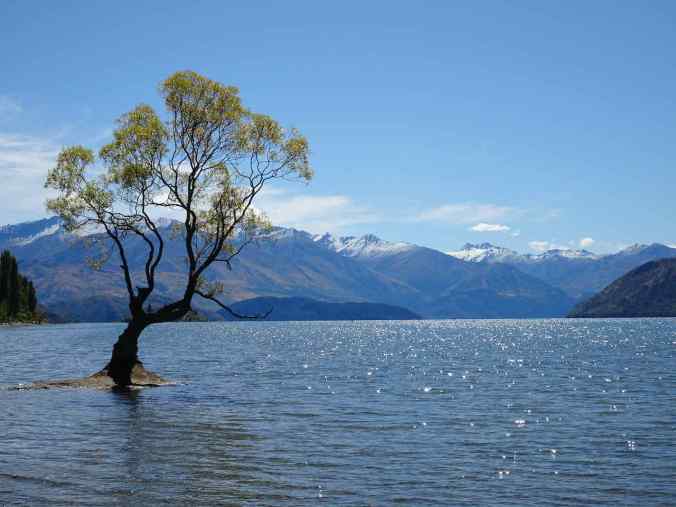
DSC04505

That Wanaka Tree, Lake Wanaka, 3/6/2023
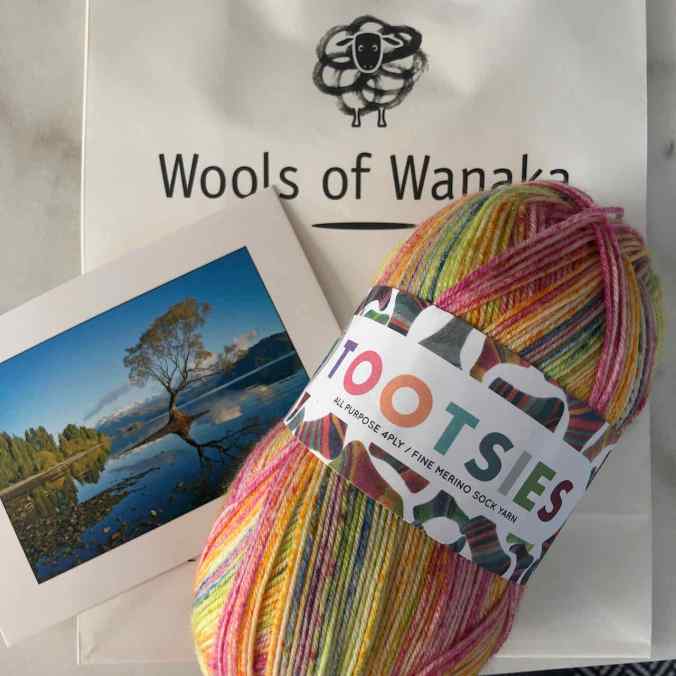
IMG_7811

Souvenir sock yarn

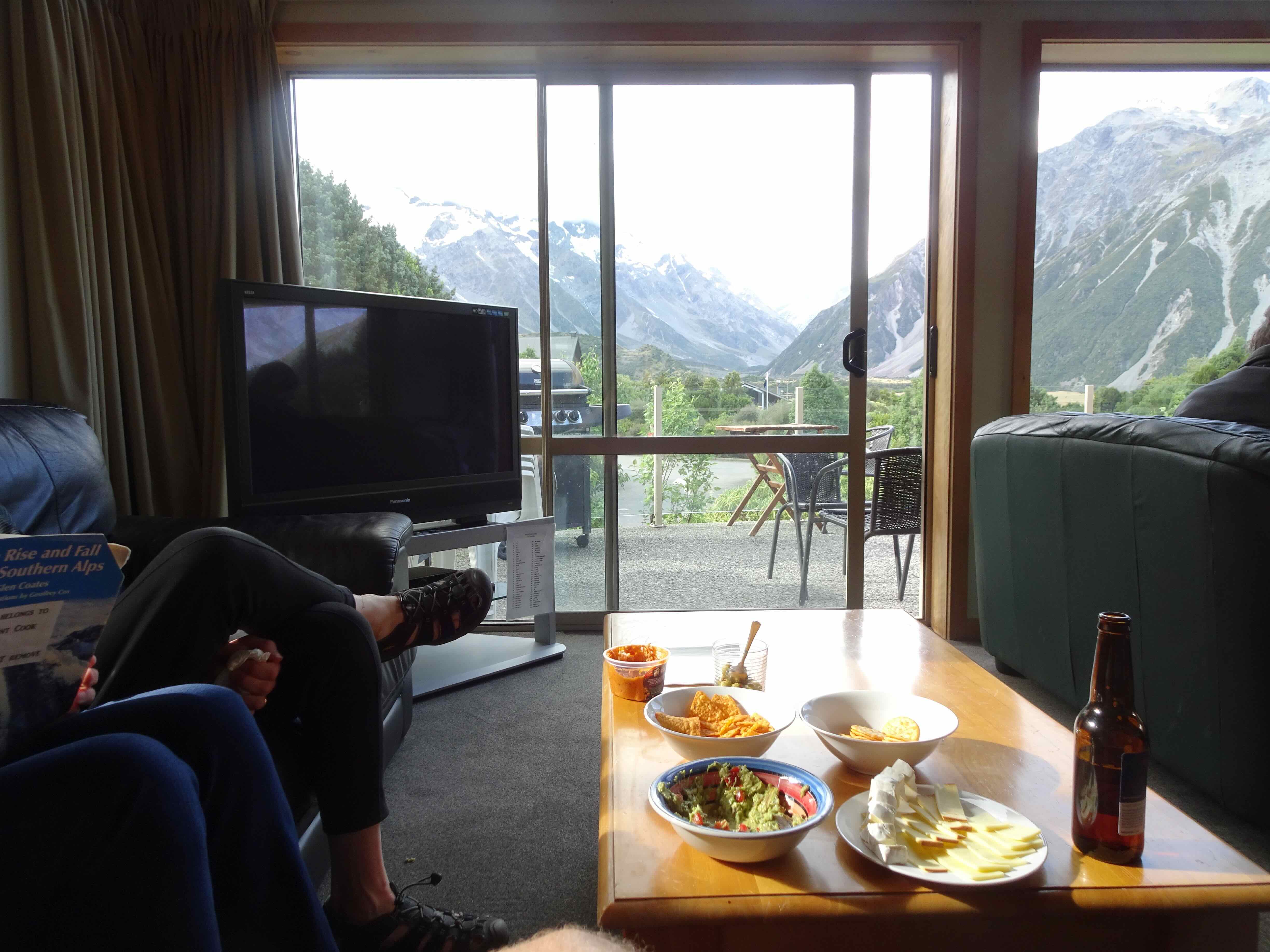
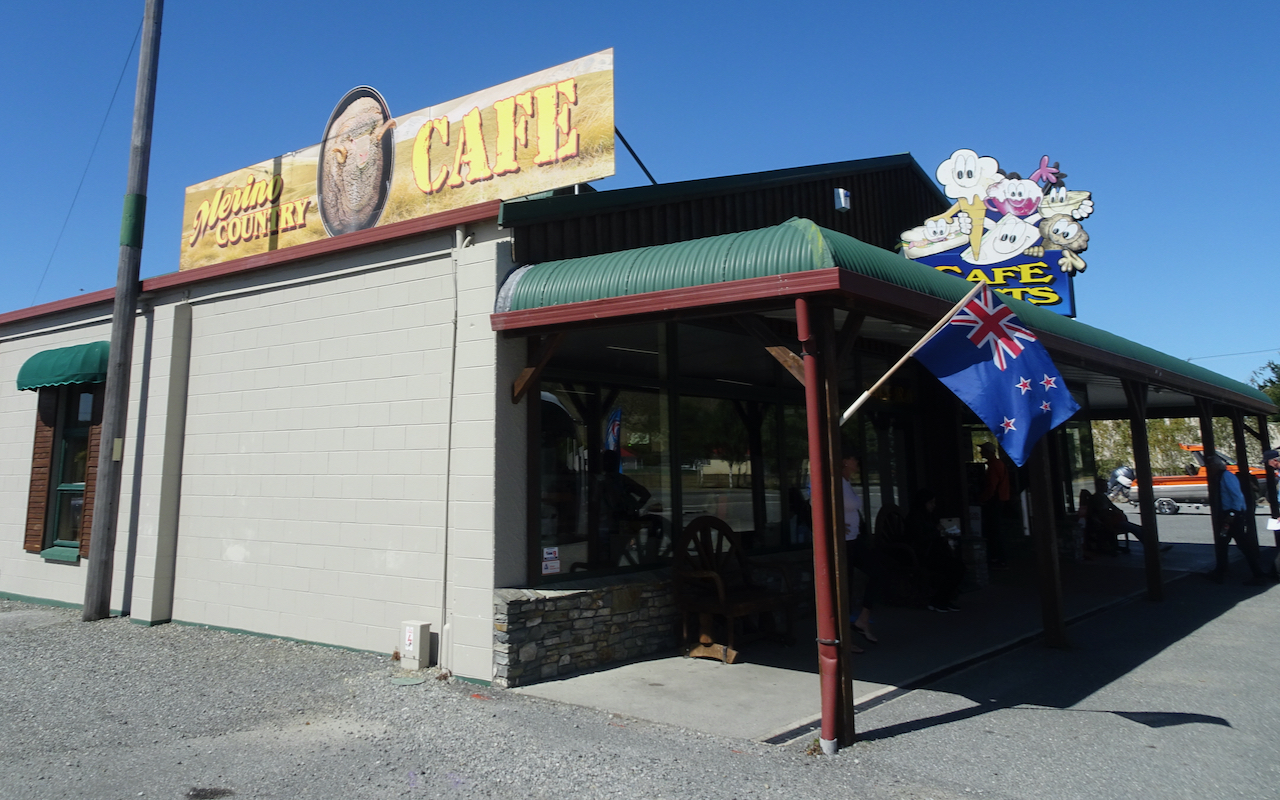
Aoraki/Mt Cook National Park: This was one of our favorite spots three years ago, so we planned to stay three nights. We were bargaining with the weather spirits, as there was a lot of rain in the forecast. Given the state of my knees, we were not planning to rehike the 2000 steps up to the Sealy Tarns, but we were able to find decent weather windows to take four easier hikes in the area. While waiting out rainstorms, we monitored the view of the beautiful Aoraki/Mt Cook through our hotel room window.

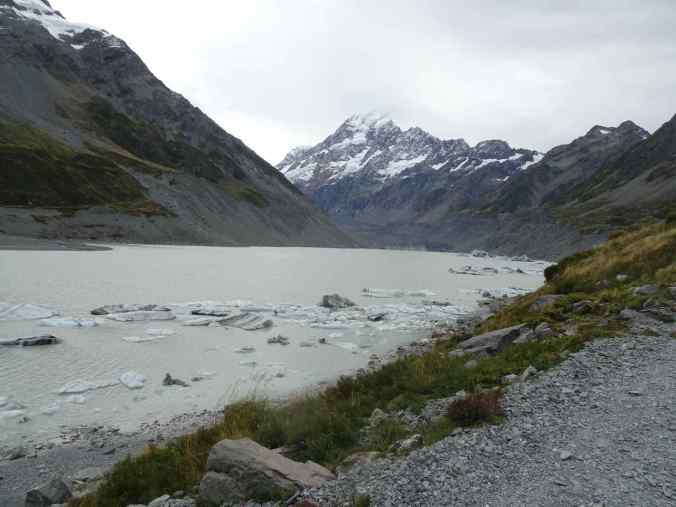
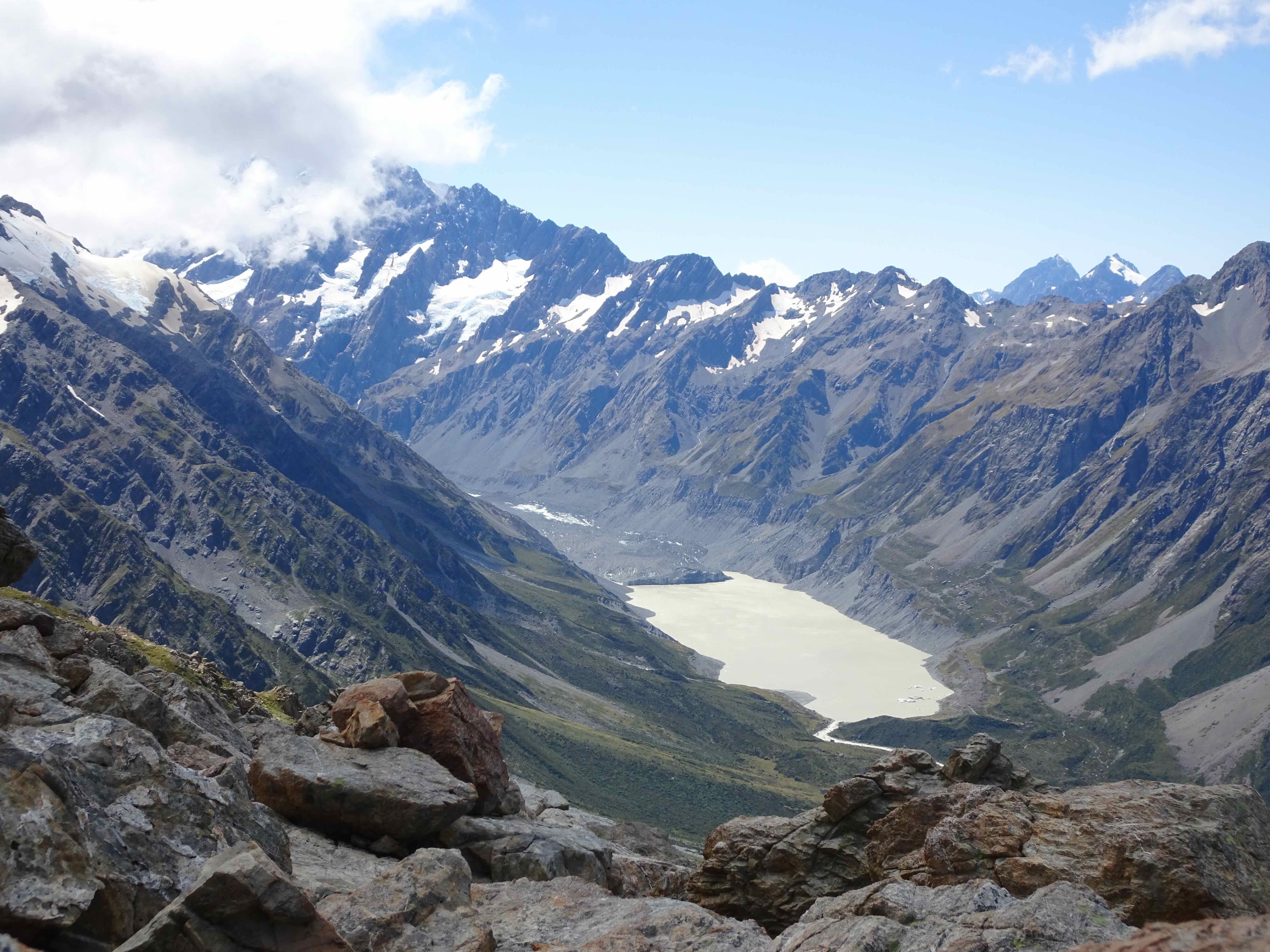
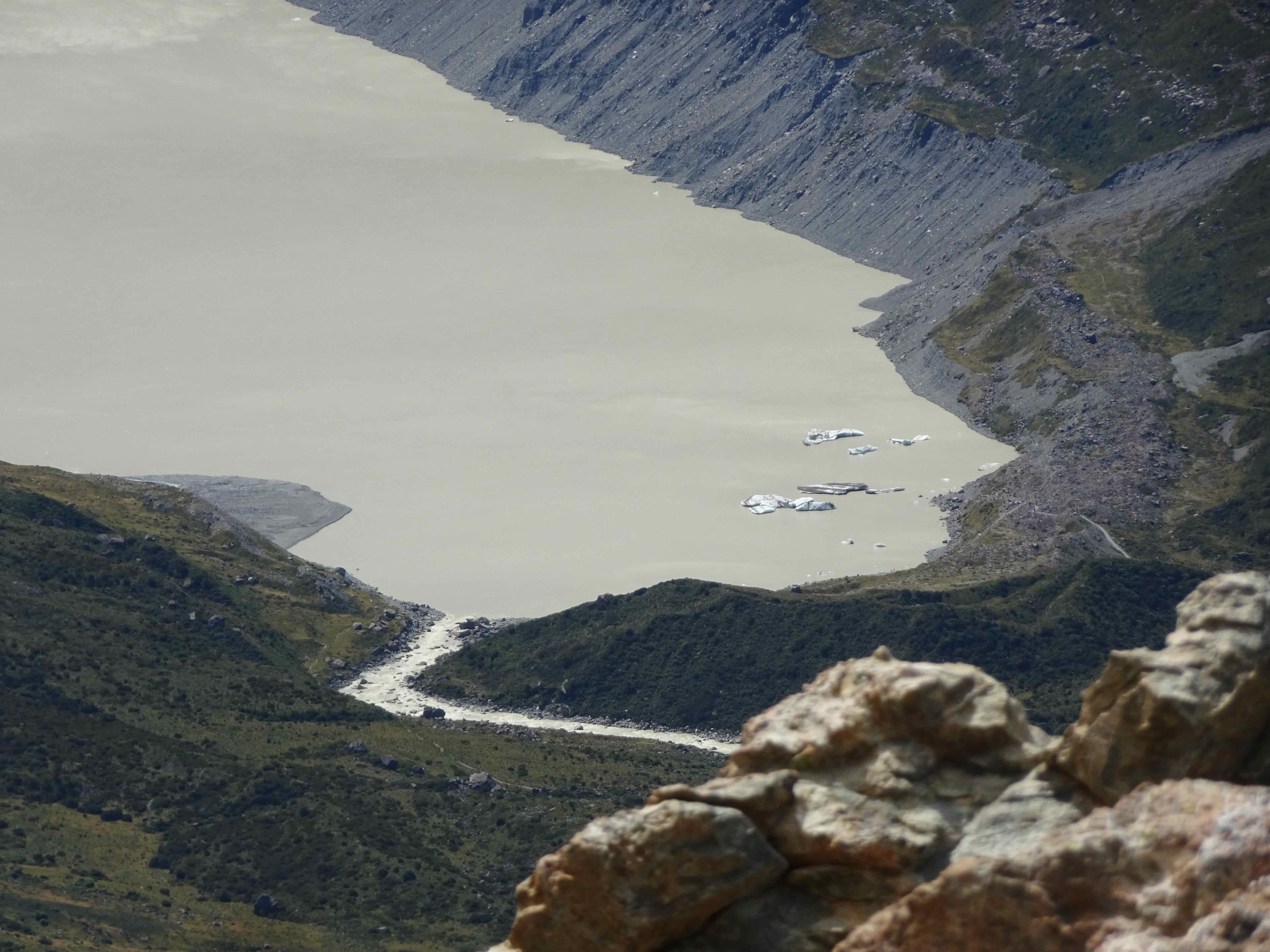
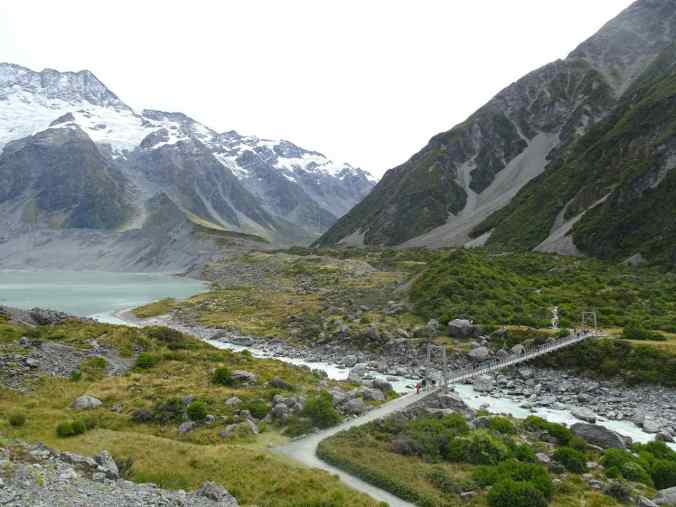
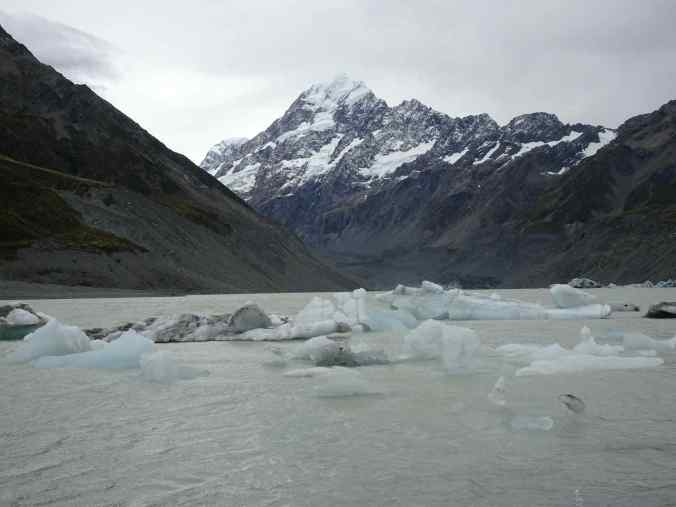
We walked the longest hike (7.3 miles, 650 feet), up the Hooker Valley to Lake Hooker, on out first afternoon, while the mountain was still out, and before the rain set in. We could see the toe of the glacier across the lake, and get quite close to the icebergs that were floating near shore.
DSC04550

Hooker Valley Track. The first of three swing bridges, near Lake Mueller.

DSC04578

Aoraki/Mt Cook from the trail

DSC04581

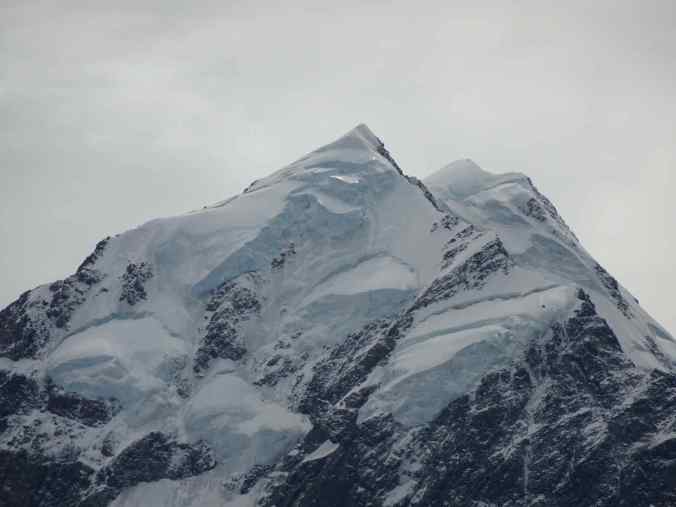
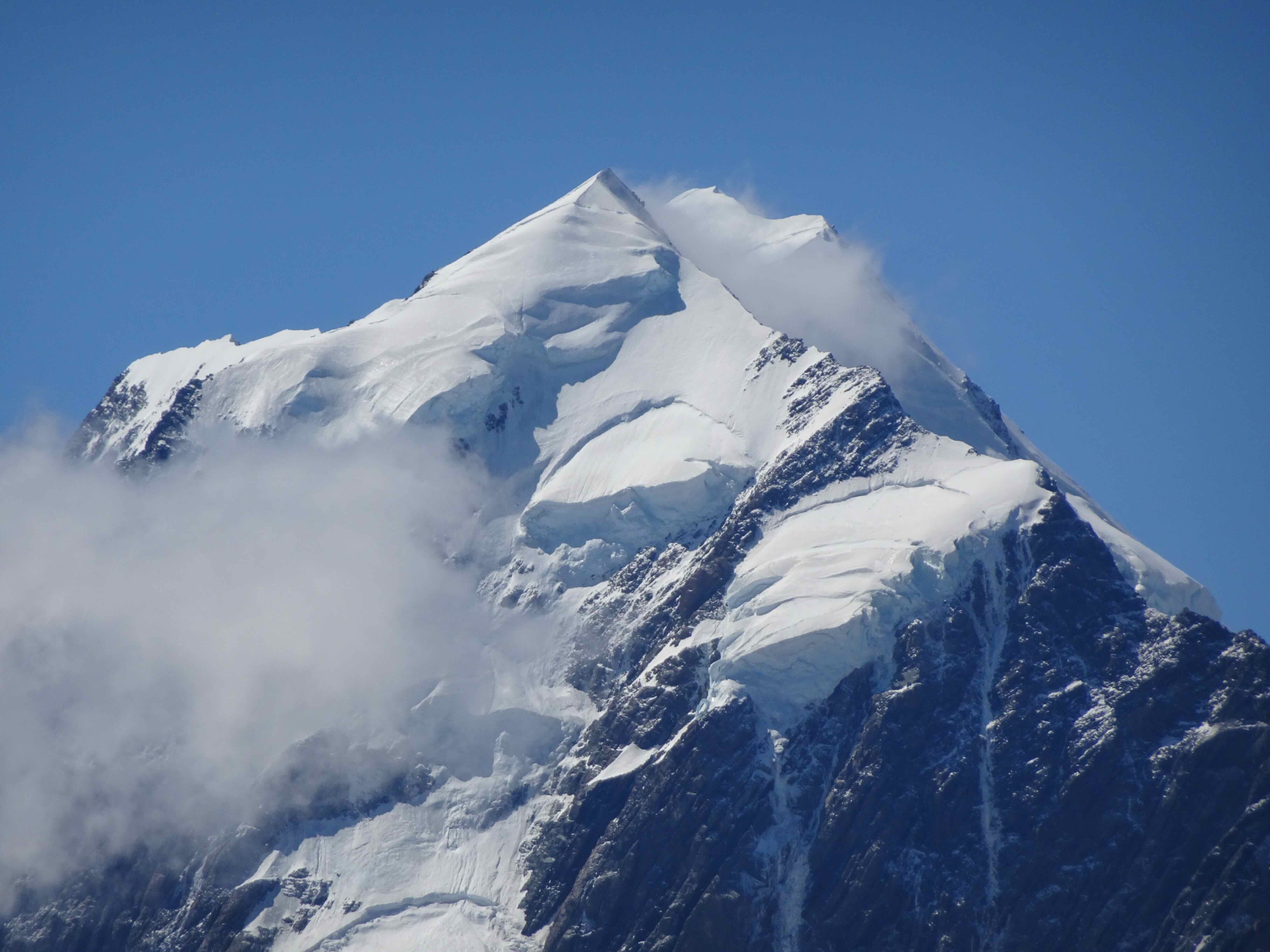
Closer view of the summit

DSC04645

Aoraki Mt Cook, Hooker Lake, Hooker Glacier at the far end of the lake.
DSC04622

Closer view of the ice bergs

DSC04717

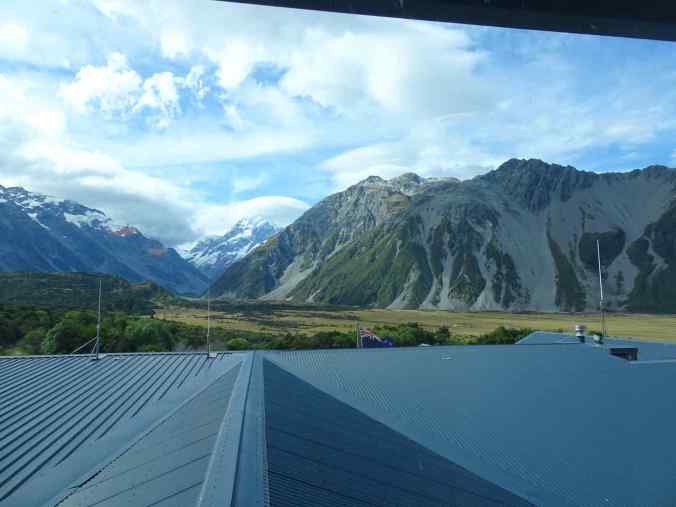
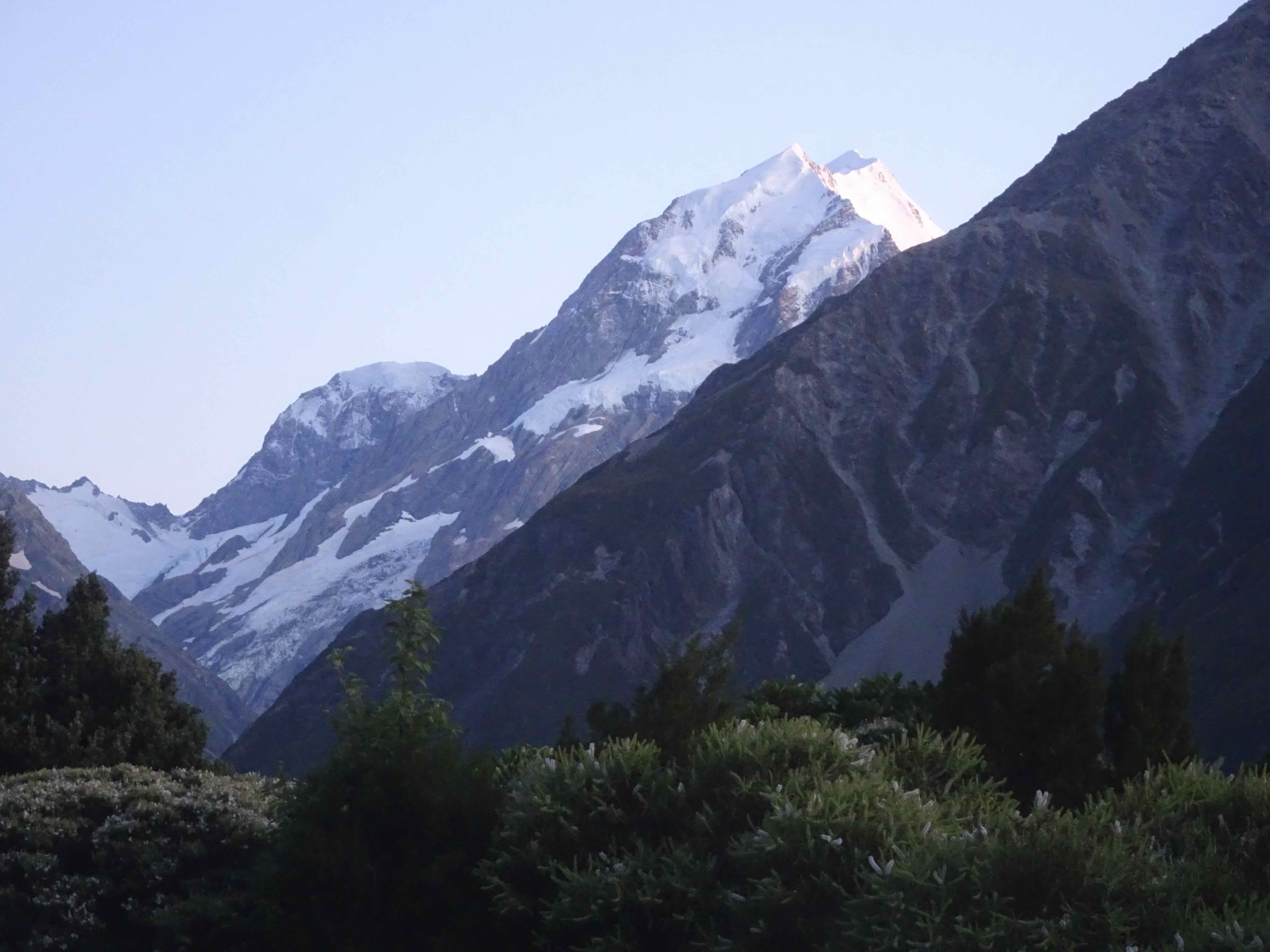
Late afternoon view of Aoraki/Mt Cook from our hotel room

The next day we slept in while the rain poured down.  We took a short hike to Kea Point, on Lake Mueller, during a dry spell.

DSC04752

Lake Mueller, and glaciers on Mt Sefton, from Kea Point

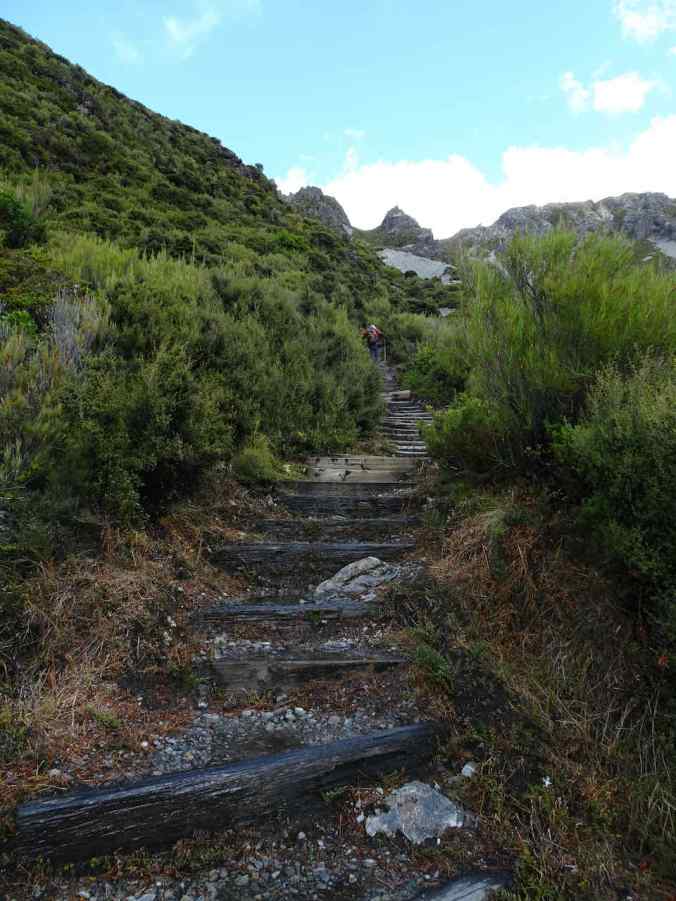
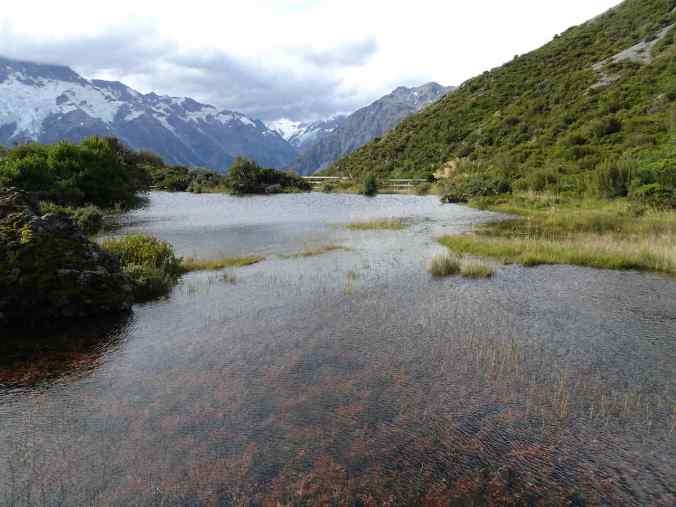
The next day was also quite rainy until late afternoon, when we hiked up to a view point at the Red Tarns. This was another of those “mostly stairs” hikes that my knees regretted later.
DSC04851

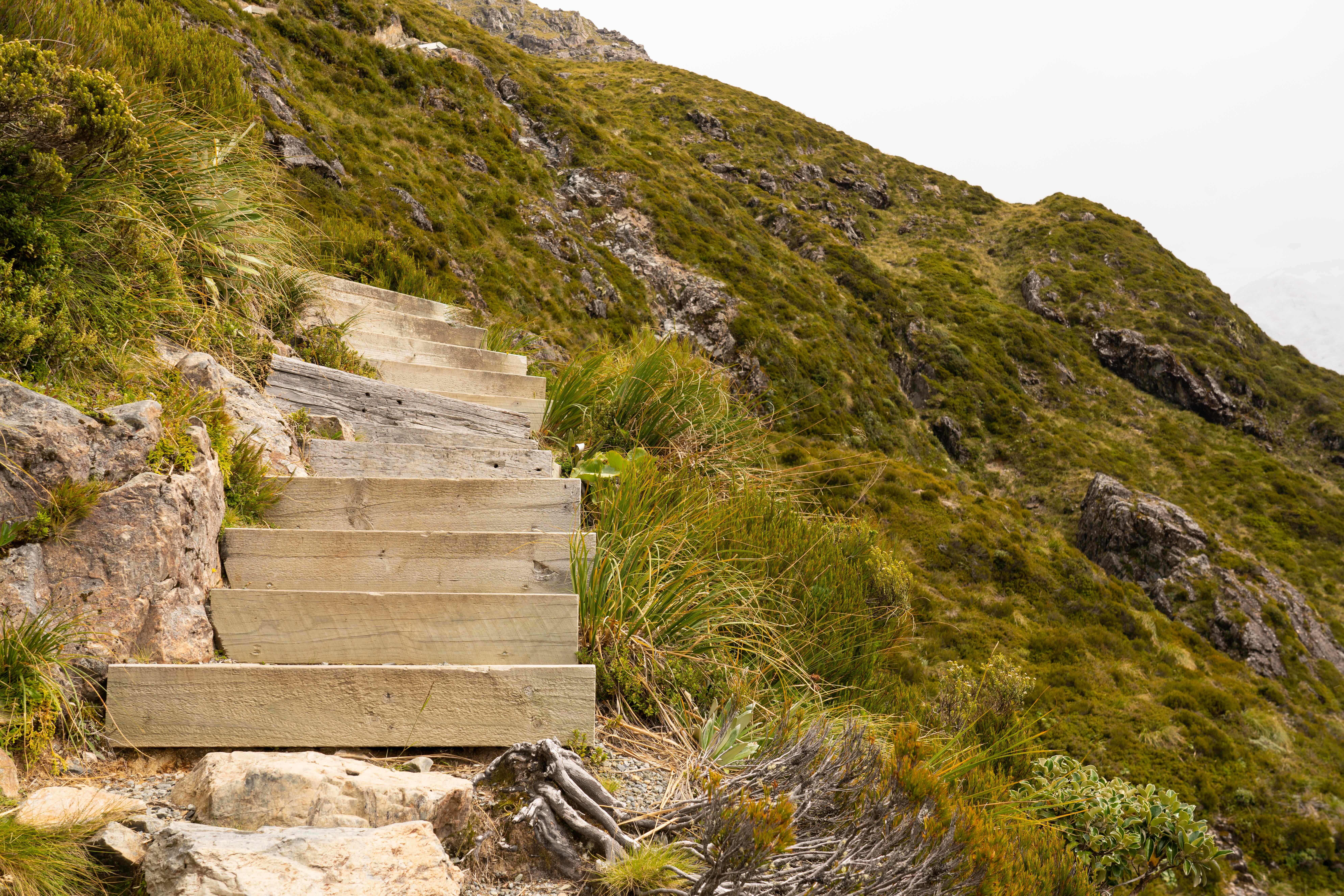
Some of the 1000 stairs up to the Red Tarns
DSC04859

Red Tarns, with cloudy view of the mountains

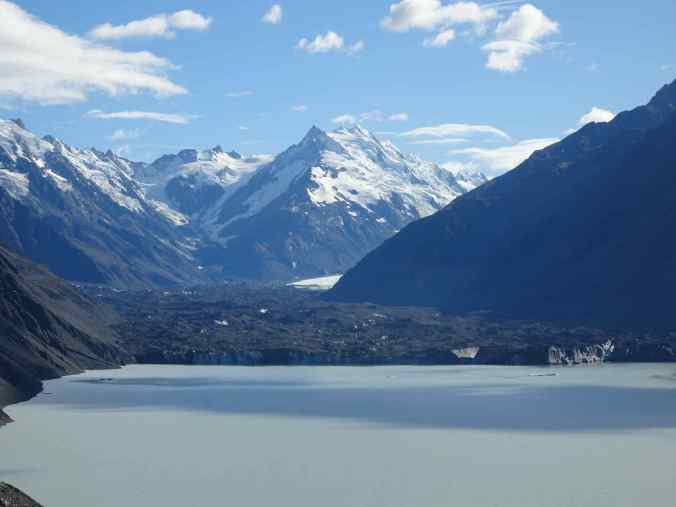
Our last day was fairly clear, except for a bit of cloud sitting just on the summit of Aoraki/Mt Cook. On our way out of the park, we took a short hike up to Tasman Lake, for another view of a milky blue glacier lake with ice bergs and a giant glacier at the far end.
DSC04918

Tasman Lake and Glacier (3/10/2023)

DSC04926

Icebergs in Tasman Lake

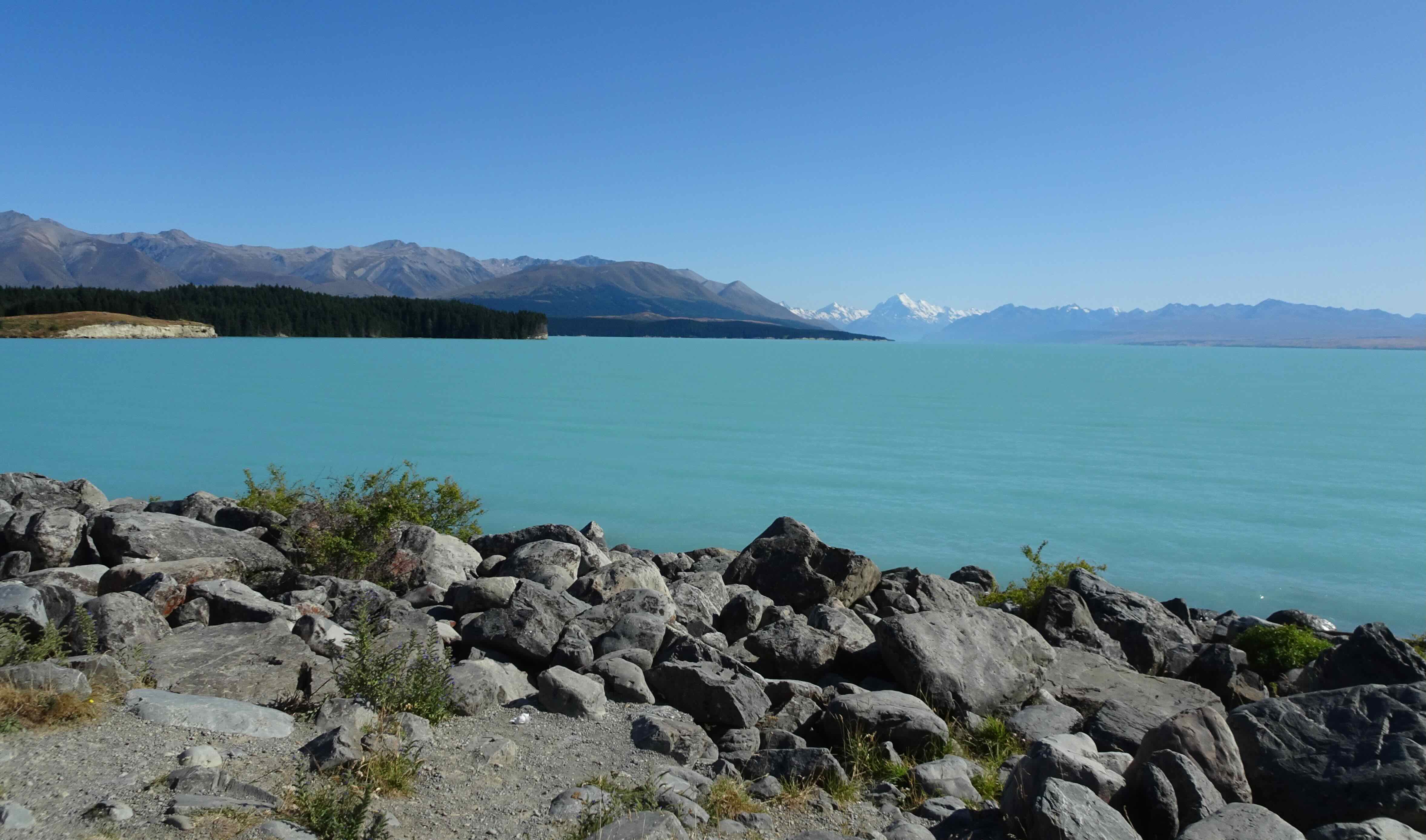
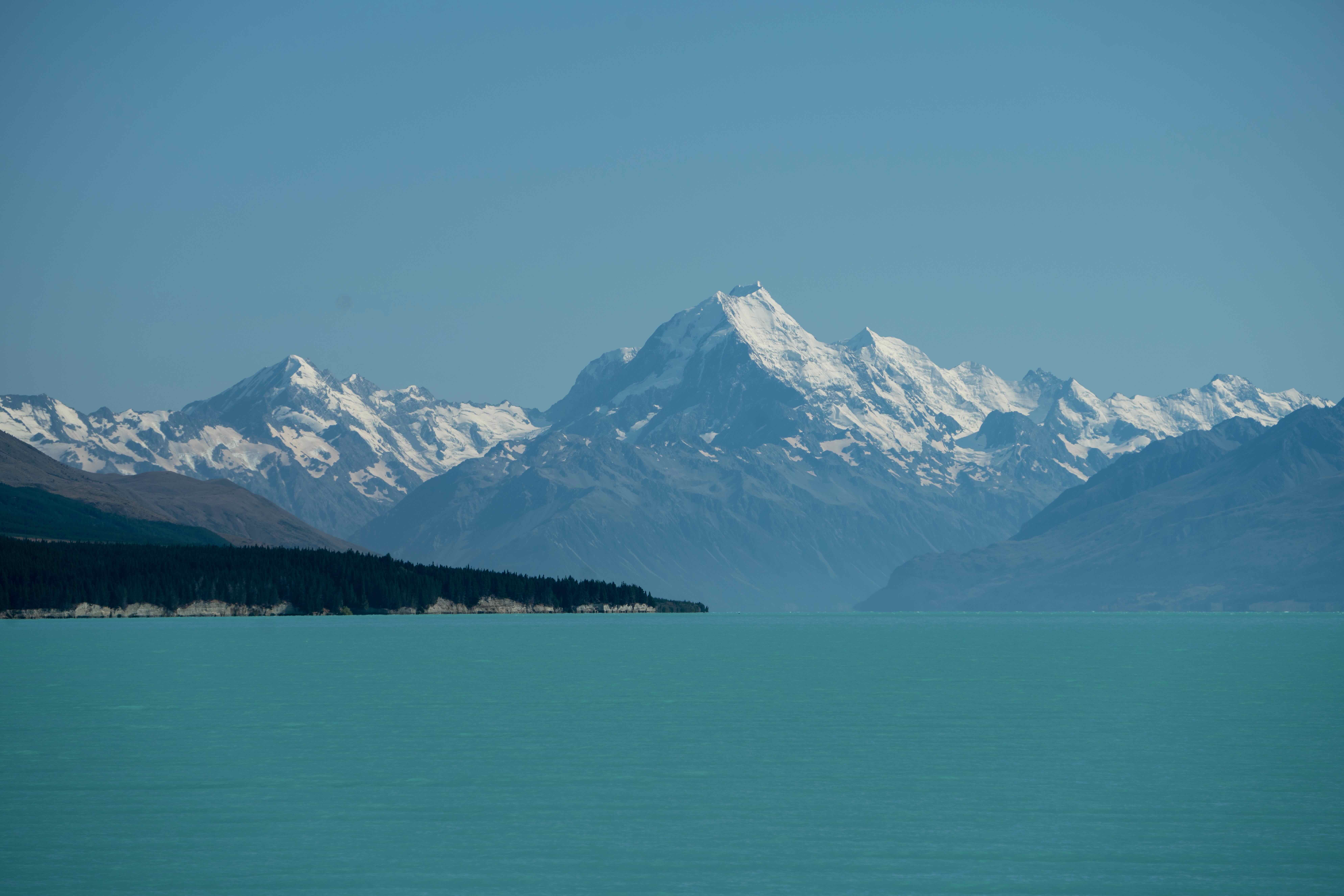
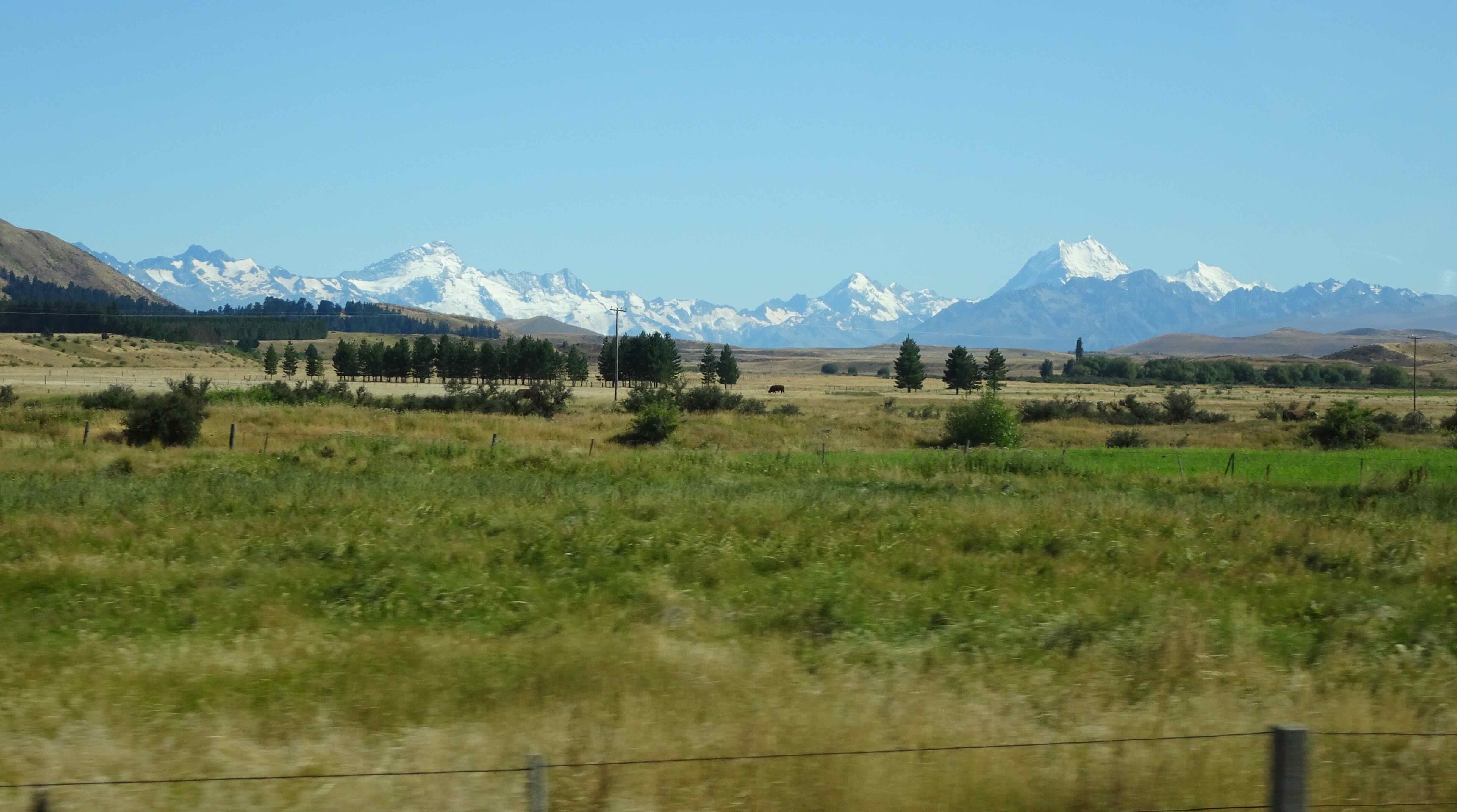
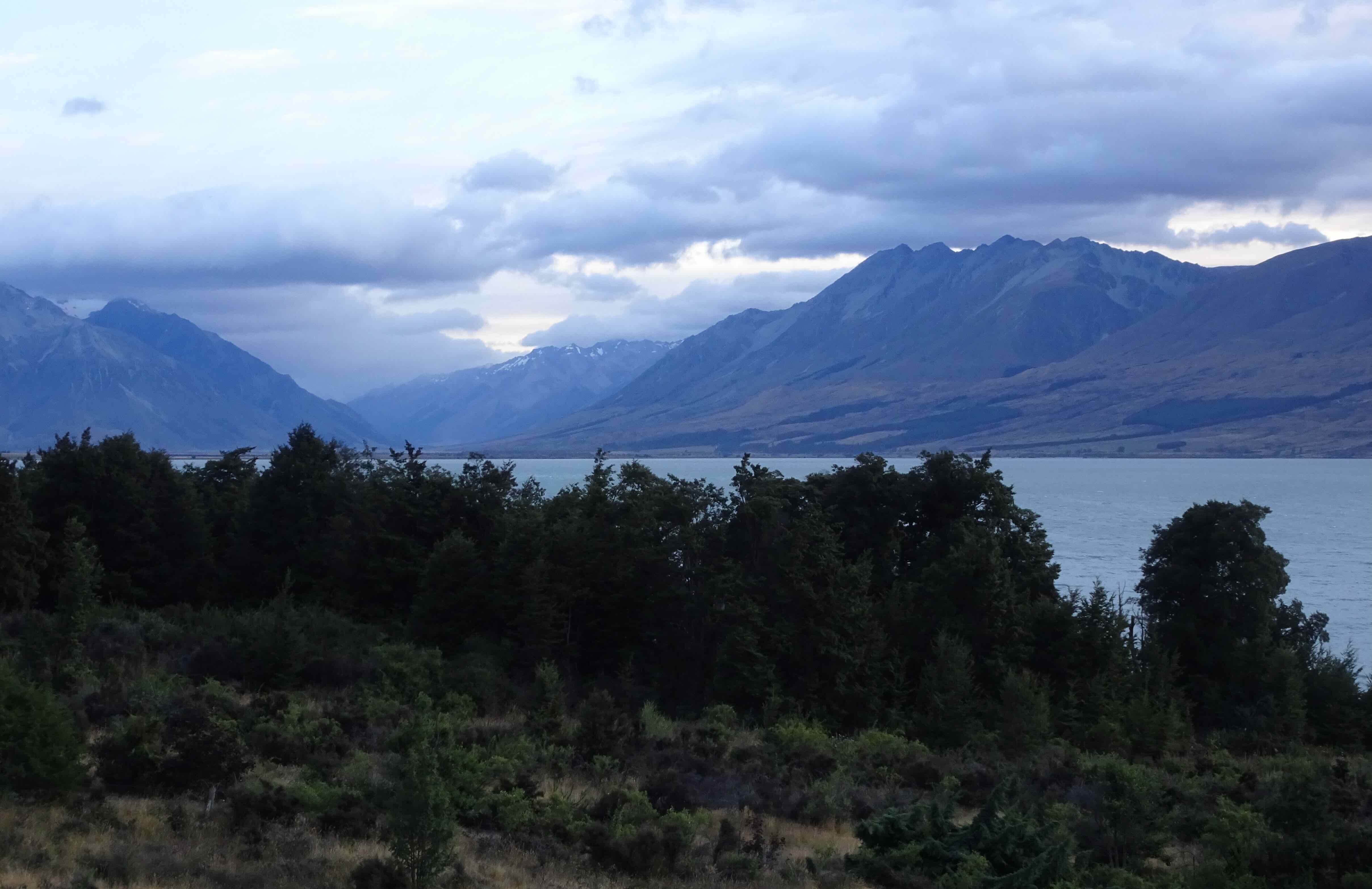
Then we drove back along Lake Pukaki, and eventually to Christchurch, before our flight to the North Island the next day.

DSC05012 (1)

Lake Pukaki

North Island…

We did not do any North Island sight seeing on our previous trip, so these were all new locations for us.
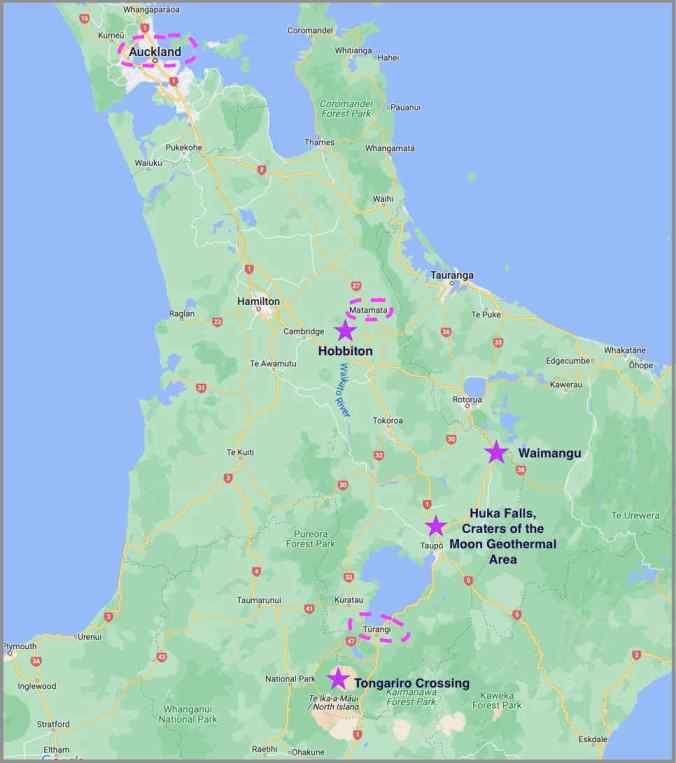
Image 4-8-23 at 12.42 PM

North Island locations and hikes (stars), March, 2023

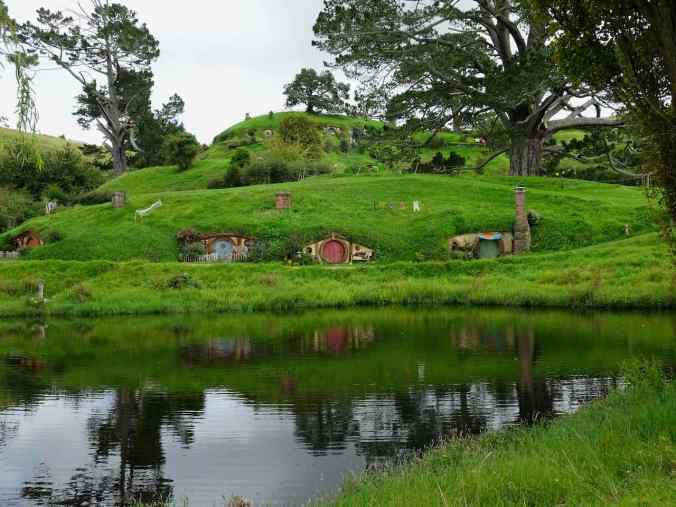
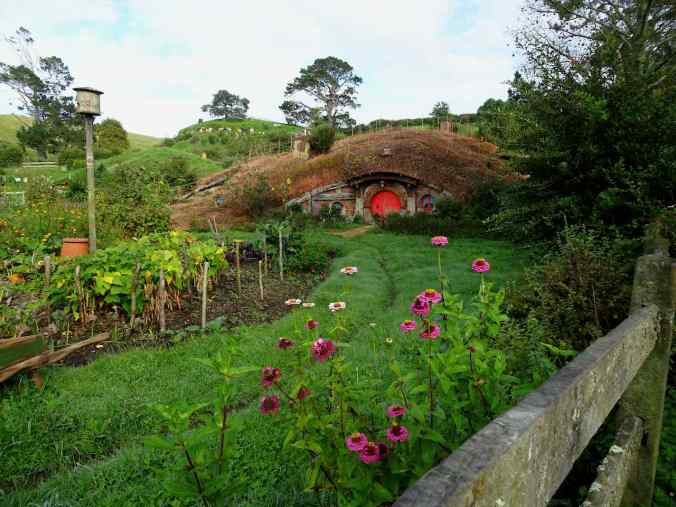
Hobbiton: Our first stop was Matamata, where we took the Hobbiton Movie Set tour. Having reread Tolkien’s books many times since I was about 12 years old,  I had a little trepidation about this, but was completely charmed by the tour. Fog was just lifting off the green, sheep speckled hills when we arrived in the Shire. We walked paths past colorful hobbit holes and gardens, then around the lake and the Party Tree to The Green Dragon Pub. It was like being in the fictional Shire for a little while, with a clever and funny tour guide. I found it a little magical and very satisfying.
DSC05181

Hobbiton

DSC05224

Bilbo’s home

DSC05338

View across the lake

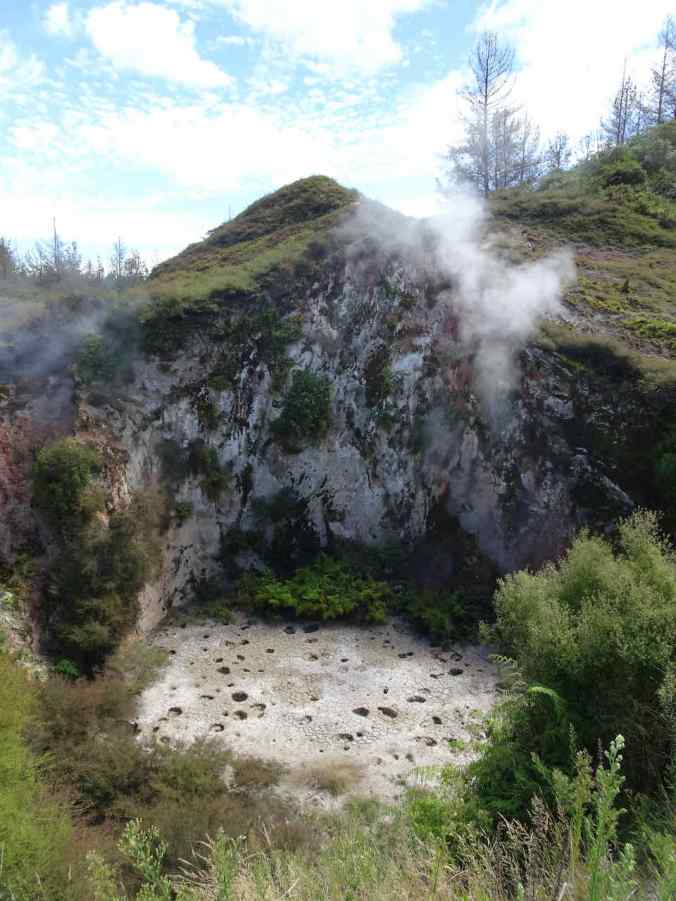
Turangi: We drove on to our lodging in Turangi, stopping at a couple of spots along the way.
DSC05411

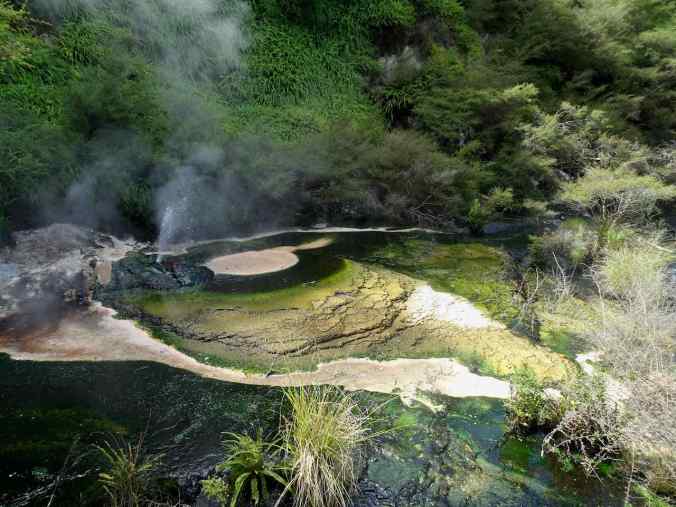
Mudpots and fumaroles at the Craters of the Moon Geothermal Area

DSC05454

Huka Falls on the Tongariro River

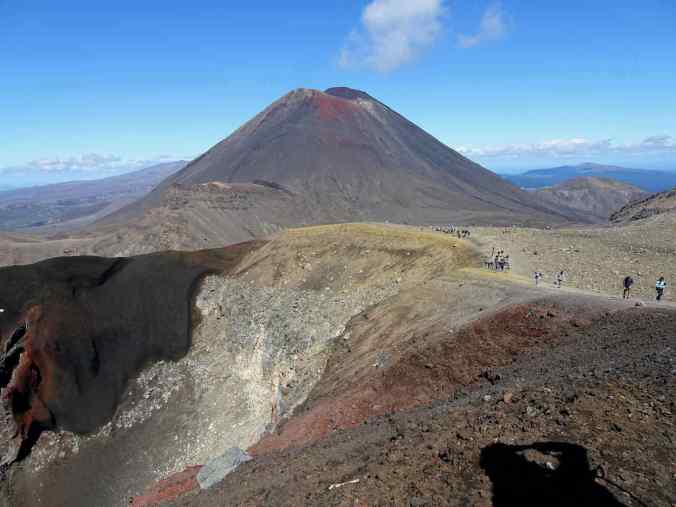
Our main goal on the North Island was the Tongariro Crossing, a challenging 13 mile hike across the shoulders of two volcanoes in Tongariro National Park, and also the location for Mt Doom/Mordor in the Tolkien movies. This very popular trail has a shuttle bus system that takes hikers to the trailhead. The track ascends 3000 feet, and then descends 4000 feet, back to the car park. We had budgeted a few days in the area, hoping for a good weather day. On our first day in the area, we could not even see the volcanoes due to clouds and rain. We took a short, slightly rainy walk along the Tongariro River, near our lodging.

DSC05486

Tongariro River Trail near Turangi; this area is famous for fly fishing. 3/13/2023

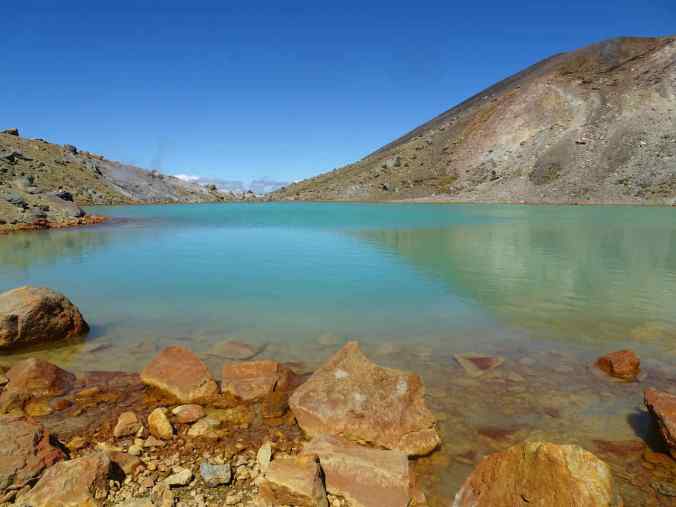
Tongariro Crossing: The next day, March 14, was perfect! Sunny and clear, but not hot. Hundreds of people, including several classes of 12 year old students, were also making the Tongariro Crossing this day. I think they all passed me, but that’s okay – I wasn’t in a hurry, I was just glad to be able to complete the crossing, though it took over nine hours. Of course everyone joked about walking into and out of Mordor. The trail leads through a variety of volcanic landscapes – lava fields, craters, ashy slopes, fumaroles, crater lakes of various sizes, and then back into the forest.

DSC05538

Lower trail, approaching the lava flows up ‘Devil’s Staircase’ toward Mt Ngauruhoe (2290 m)

DSC05596

Looking back at South Crater and Mt Ngauruhoe, from the shoulder of Red Crater

DSC05599

Looking into Red Crater on Mt Tongariro

DSC05602

Summit of Red Crater 

DSC05610

View from the summit back to Mt Ngauruhoe
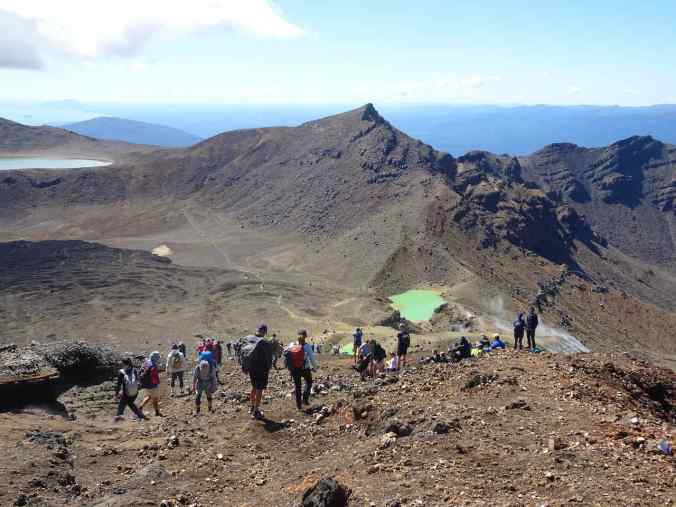
DSC05621

Heading down the other side, on a very steep scree trail, toward the Emerald Lakes; Blue Lake is a little further on the left.
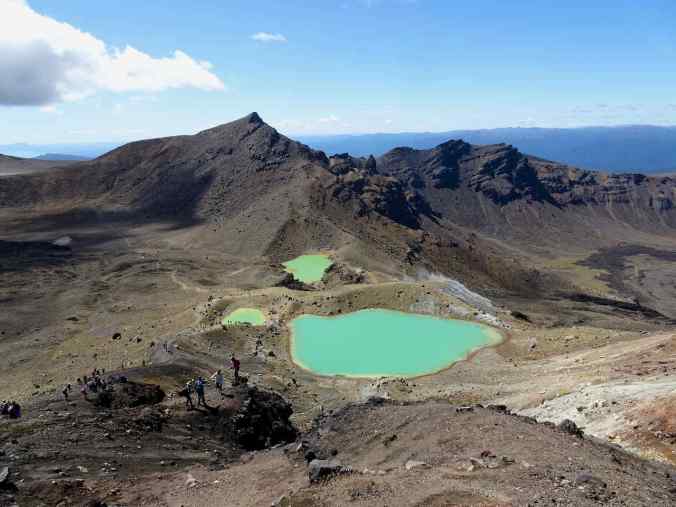
DSC05630

Emerald Lakes

DSC05665

Lunch stop at Emerald Lakes

DSC05698

Looking back from the rim of Blue Lake toward Red Crater and a giant lava flow in Central Crater. The highest volcano in the park, Mt Raupehu (2797 m) can be seen just to the left of Mt Ngauruhoe.
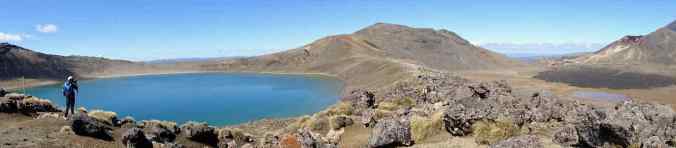
DSC05725

Blue Lake and Central Crater

DSC05753

Heading down from Blue Lake, now just 3000 more feet of descent between us and the trail’s end (pink circle). Lake Rotoaira, and the enormous Lake Taupo beyond.
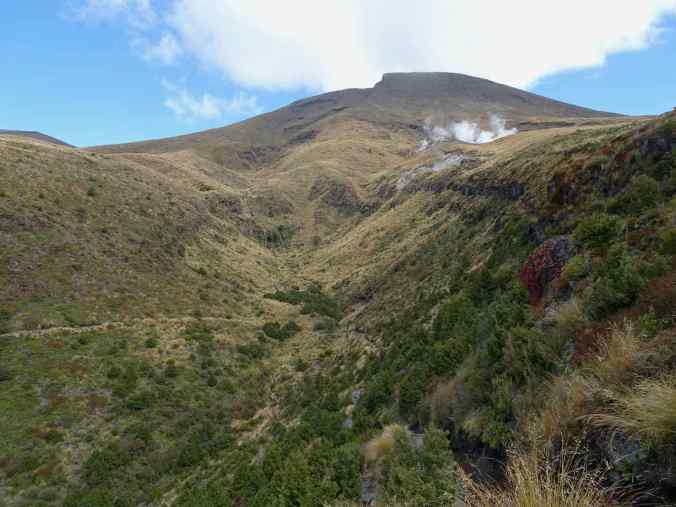
DSC05788

Looking back up at fumaroles and a waterfall
DSC05805

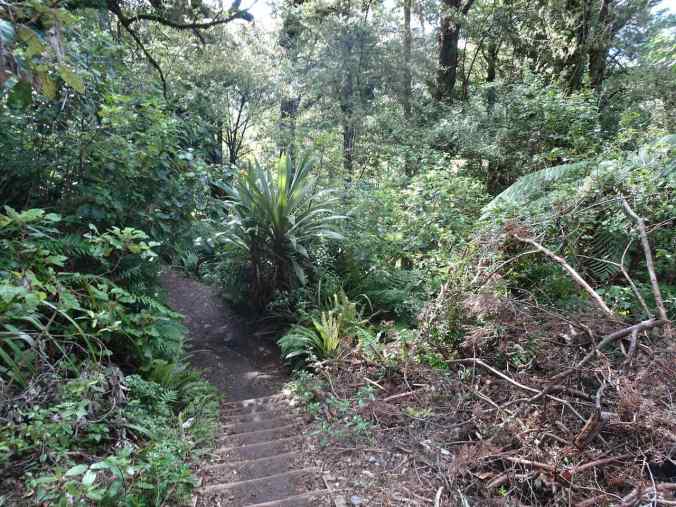
Eventually, we descended into the forest
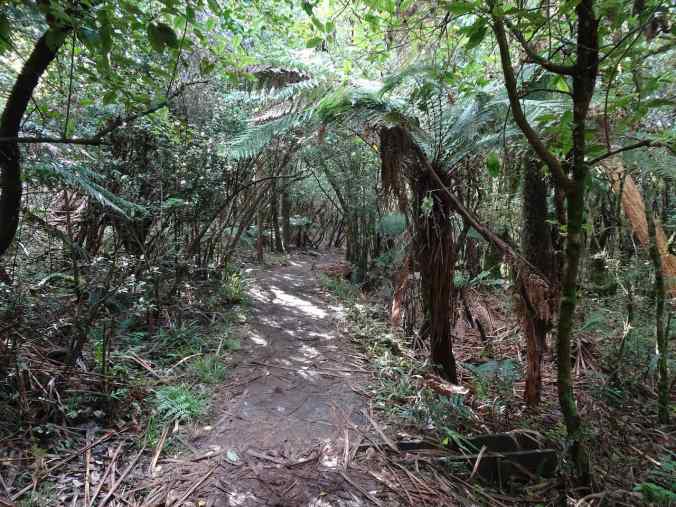
DSC05820

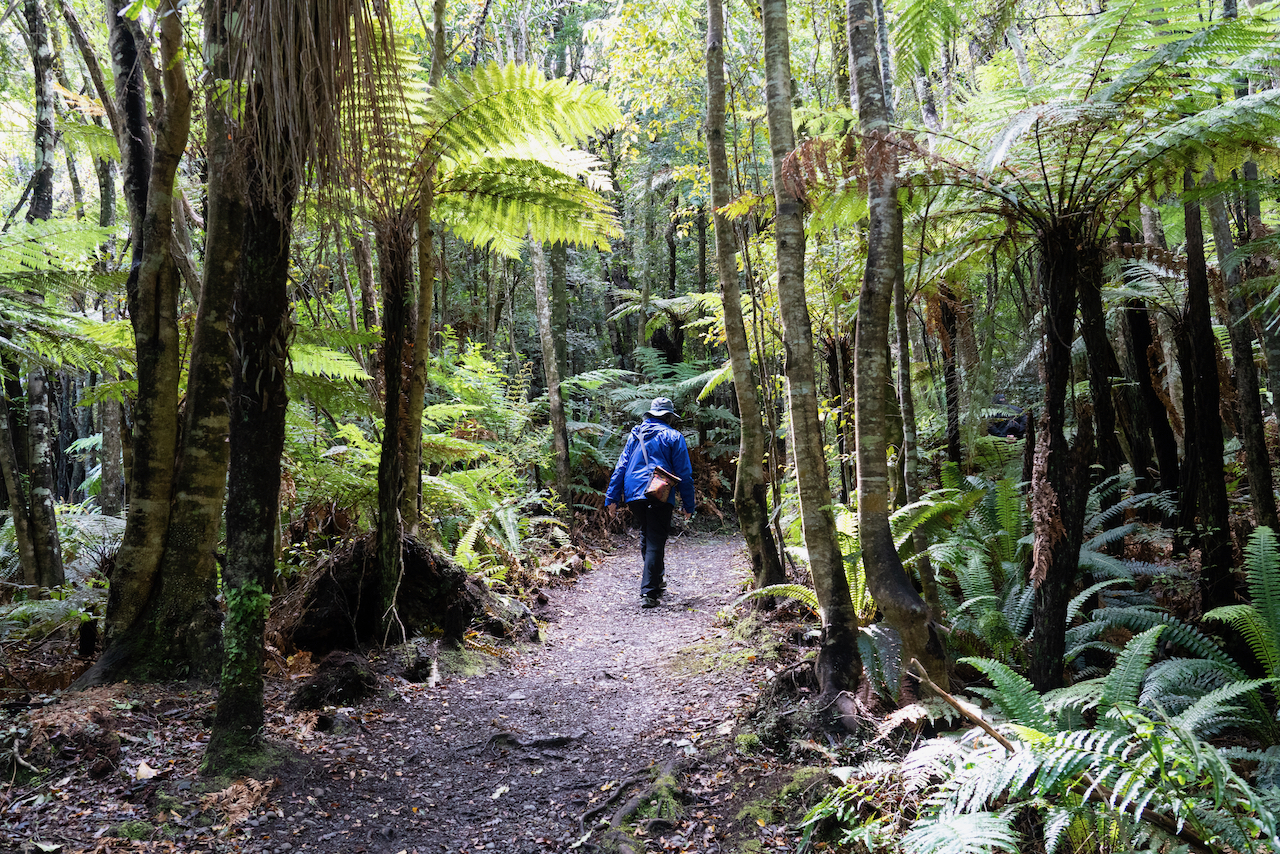
By this time, so many people had passed me that I enjoyed walking alone for a while through the lush green forest, listening to the birds and the nearby river.

Mt Raupehu: The next day, March 15, we returned to Tongariro National Park and met up with some friends who also happened to be in the area and had made the crossing the previous day. We took the Sky Waka Gondola up the Whakapapa Ski Field on the shoulder of Mt Raupehu, admiring the views, and mostly taking it easy. I needed a rest day!

DSC05865

Sky Waka Gondola on Mt Raupehu

DSC05899

Tawhai Falls/Gollum’s Pool in Tongariro National Park
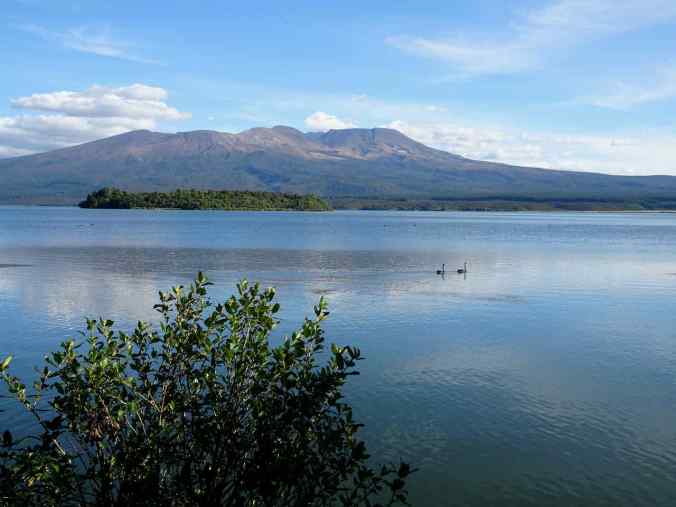
DSC05946

Black swans on Lake Rotoaira, Mt Tongariro in the distance

To Auckland: On Thursday, March 16th, we drove north to Auckland. We stopped for views of Lake Taupo, and visited the Waimangu Volcano Valley.
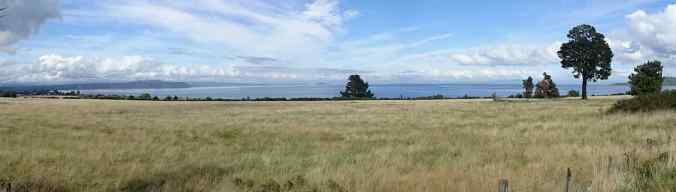
DSC05985

Lake Taupo, an enormous crater lake, is 21 miles wide and 29 miles long
DSC06106

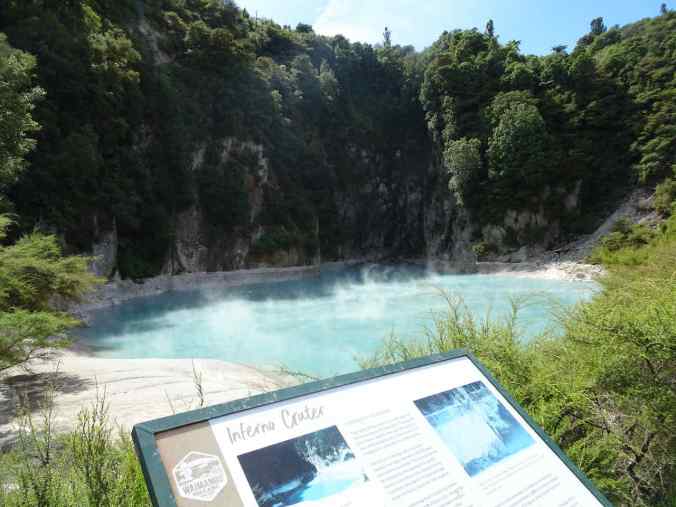
Inferno Crater in Waimangu Valley

DSC06099

Birds Nest Geyser in Waimangu Valley

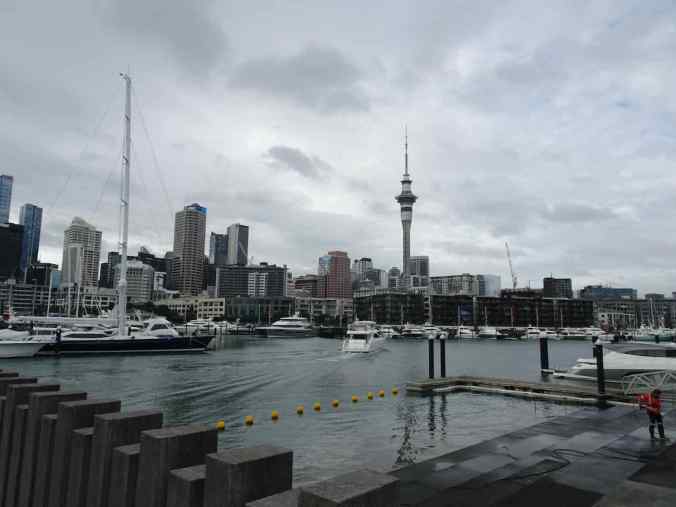
Auckland: We stayed in Auckland for two days before flying home. The first day, we walked all around the city center, and took the elevator up the Sky Tower.
DSC06180

Auckland Harbor and Sky Tower

DSC06238

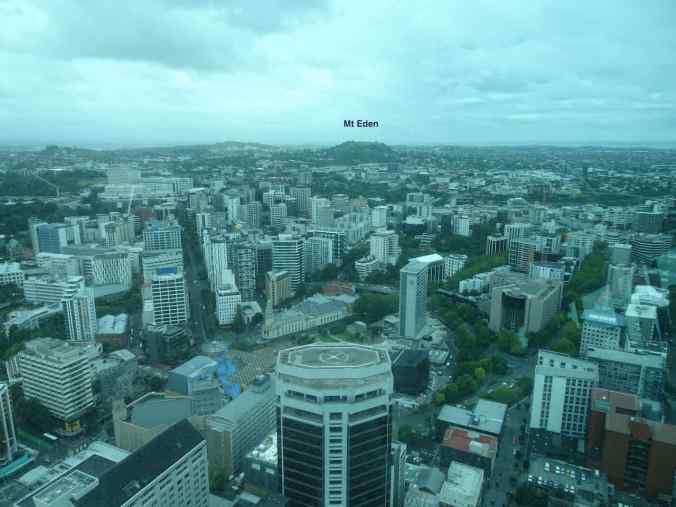
View toward Mt Eden from the Sky Tower

DSC06258

Auckland Harbor Bridge to the North Shore communities, including Takapuna

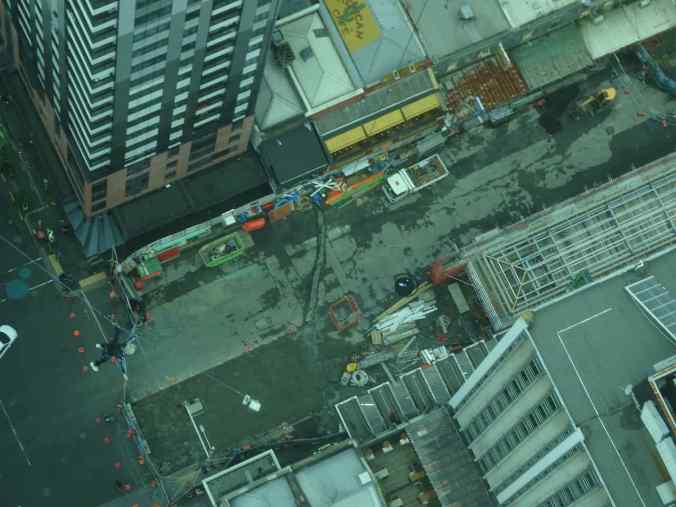
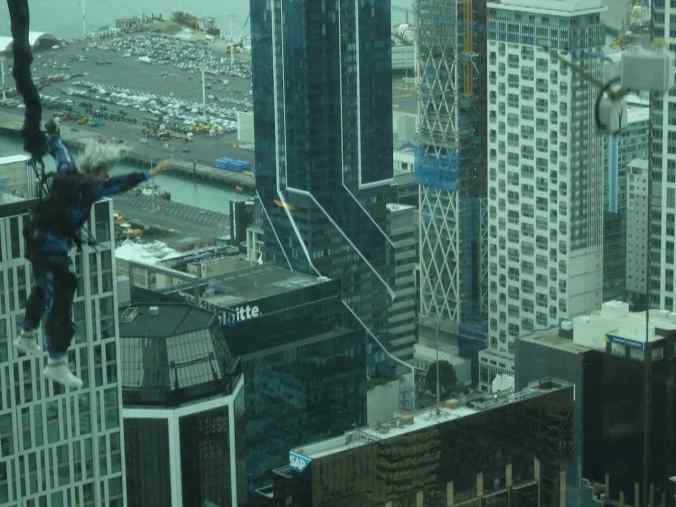
While we were viewing the city from the Sky Tower windows, adventurous people were jumping off the ledge above, attached to a vertical zip line. The first time one fell past us was quite jarring!
DSC06229

Sky Tower jumper…

DSC06230

going down to a fixed landing pad at the bottom.

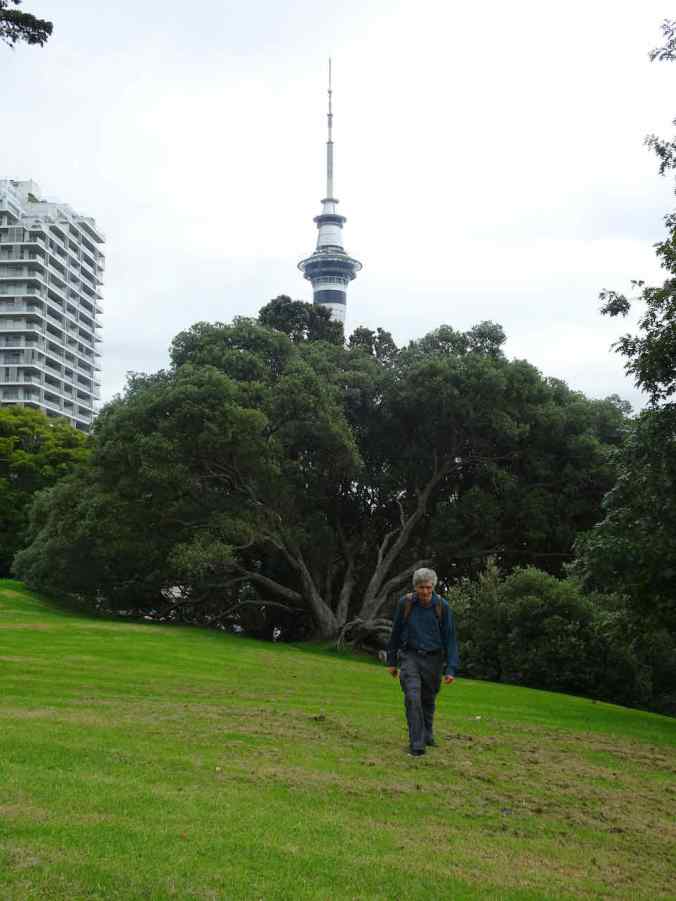
We continued our walk around the city, and walked through the Albert Park to the Art Museum.
DSC06329

Albert Park

DSC06302

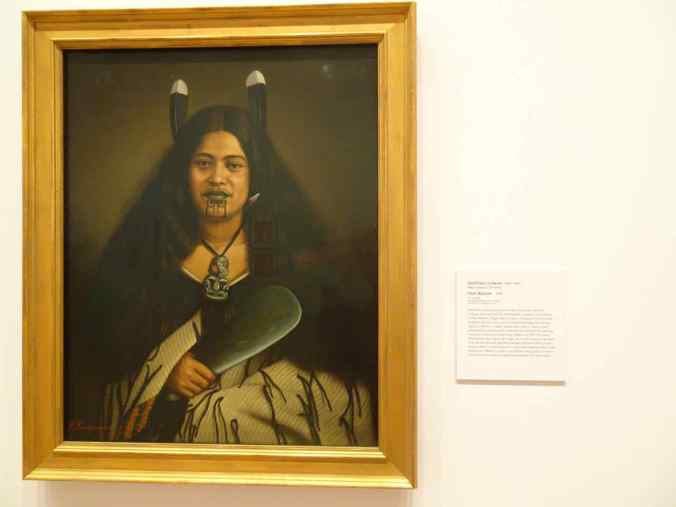
Maori portrait in the Auckland Art Gallery

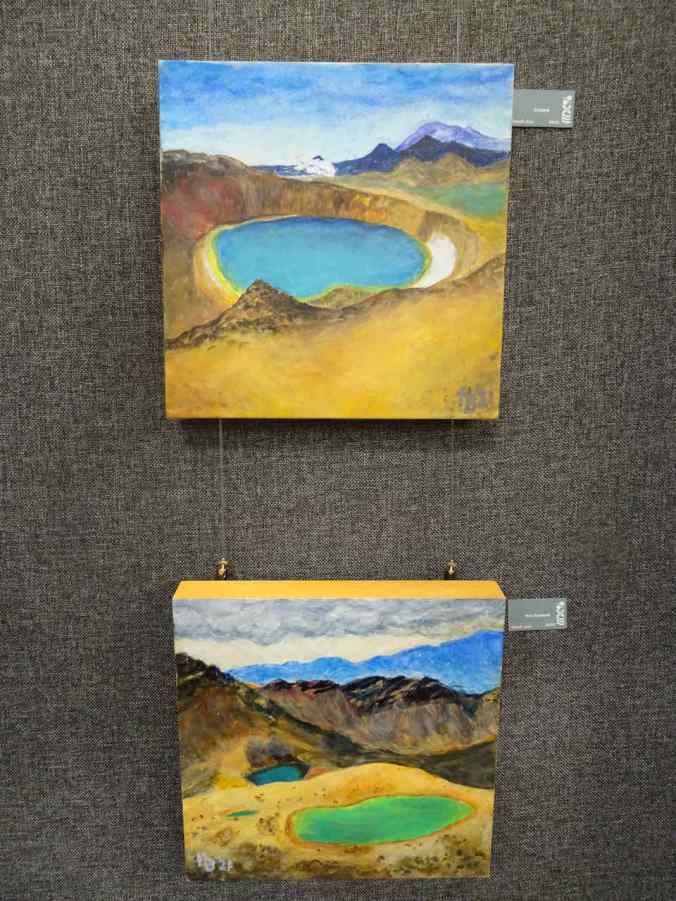
The next day, we drove over the Auckland Harbor Bridge to Takapuna Beach, and took  a lovely beach walk. We also visited an art exhibit in the local library.

DSC06396

Takapuna Beach

DSC06419

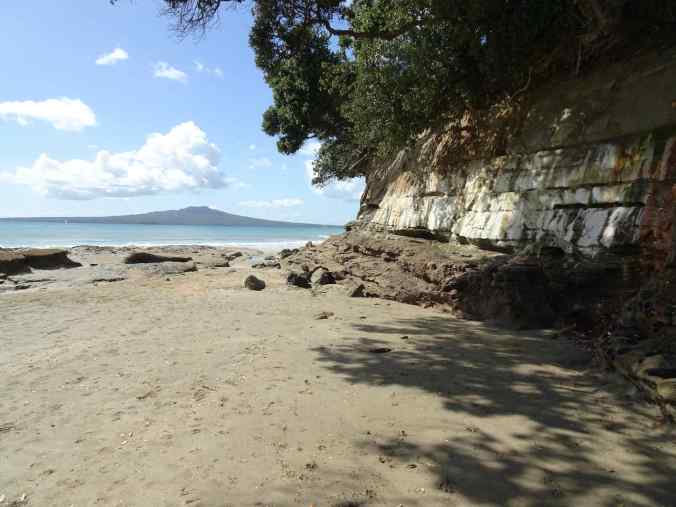
Rangitoto Island beyond the beach

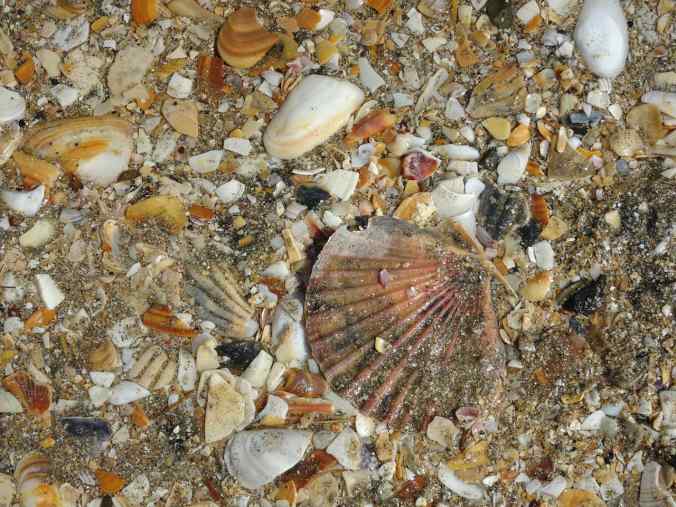
DSC06414

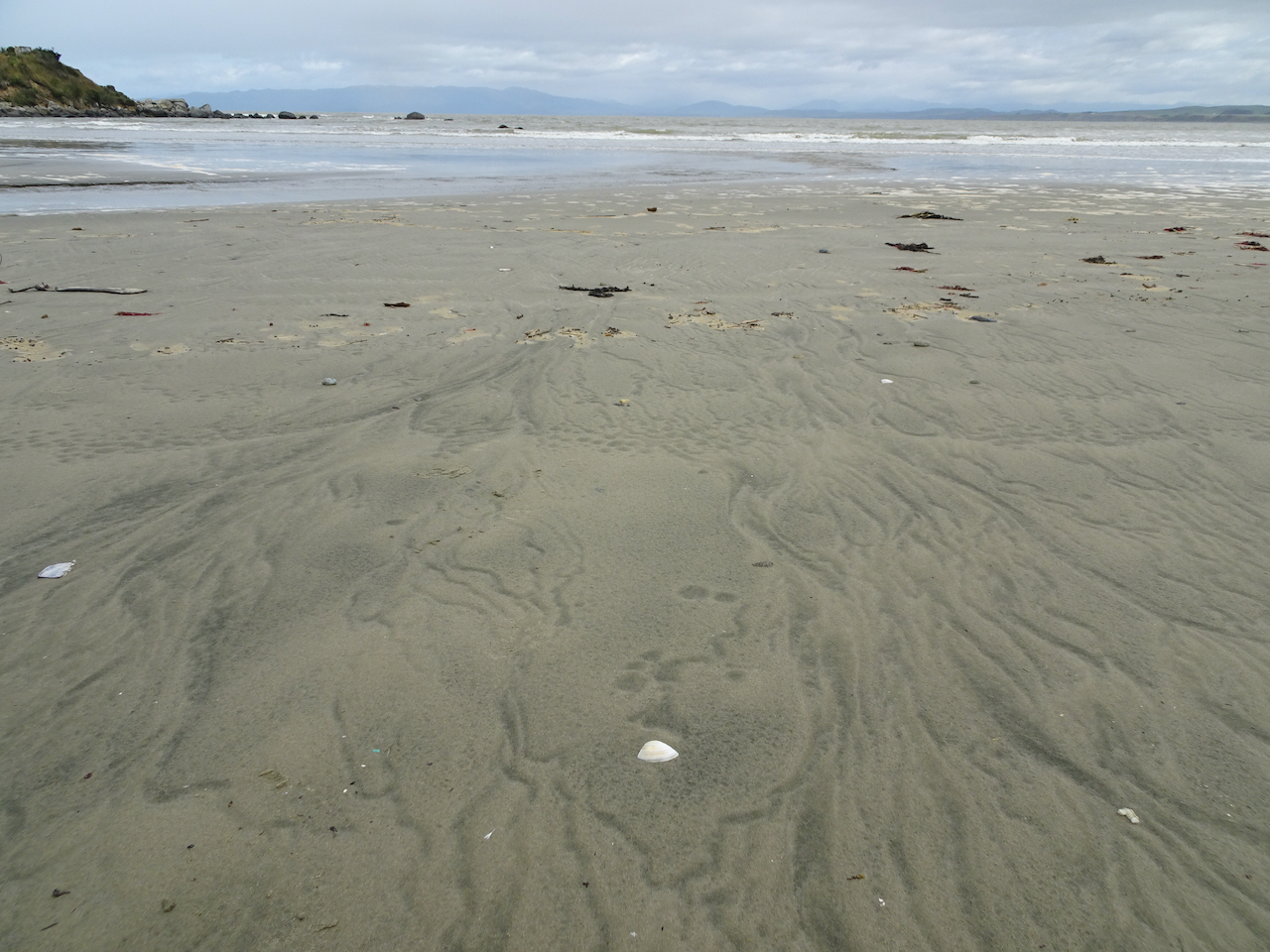
Coquina beach sand

DSC06373

Paintings of Iceland and New Zealand in the Takapuna Library by artist Hafdis Bennet

We hiked up Mt Eden on our way to the airport, for a last look around.

DSC06464

Downtown Auckland from Mt Eden

DSC06520

Mt Hood and Mt Adams from the airplane window, as we return home to Portland.

In all, I loved our return visit to New Zealand. We got to almost all of the hikes and sites on our list. It is an easy place to travel if you can adjust to left side drive. I recommend it to anyone who hasn’t been, and who loves beautiful scenery and outdoor adventures.

IMG_7921

NZ2020: Day 18, From Christchurch to Lake Tekapo via Peel Forest, featuring the Southern Cross

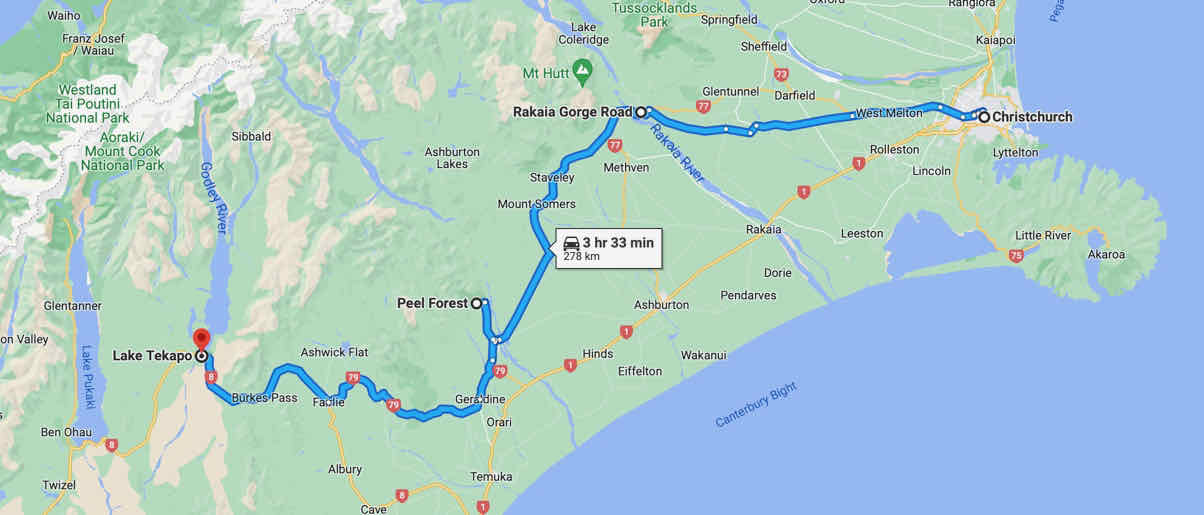
Today we drove from Christchurch to our next stop at Lake Tekapo via the Inland Scenic Route.

Image 6-6-22 at 11.52 AM

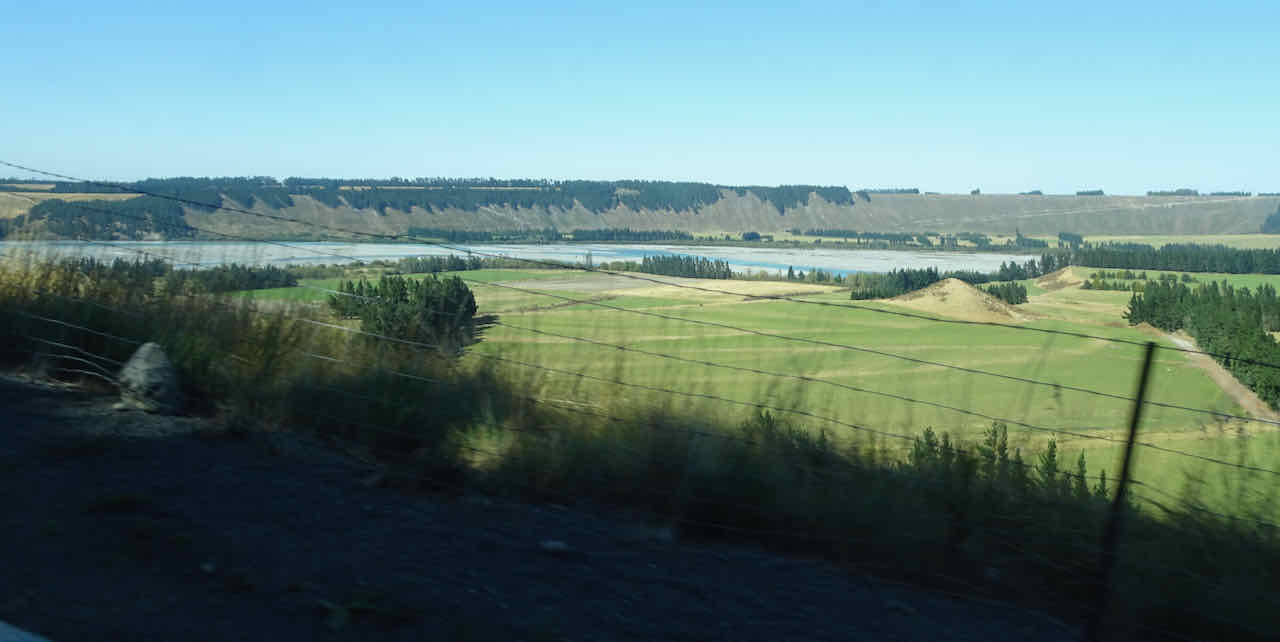
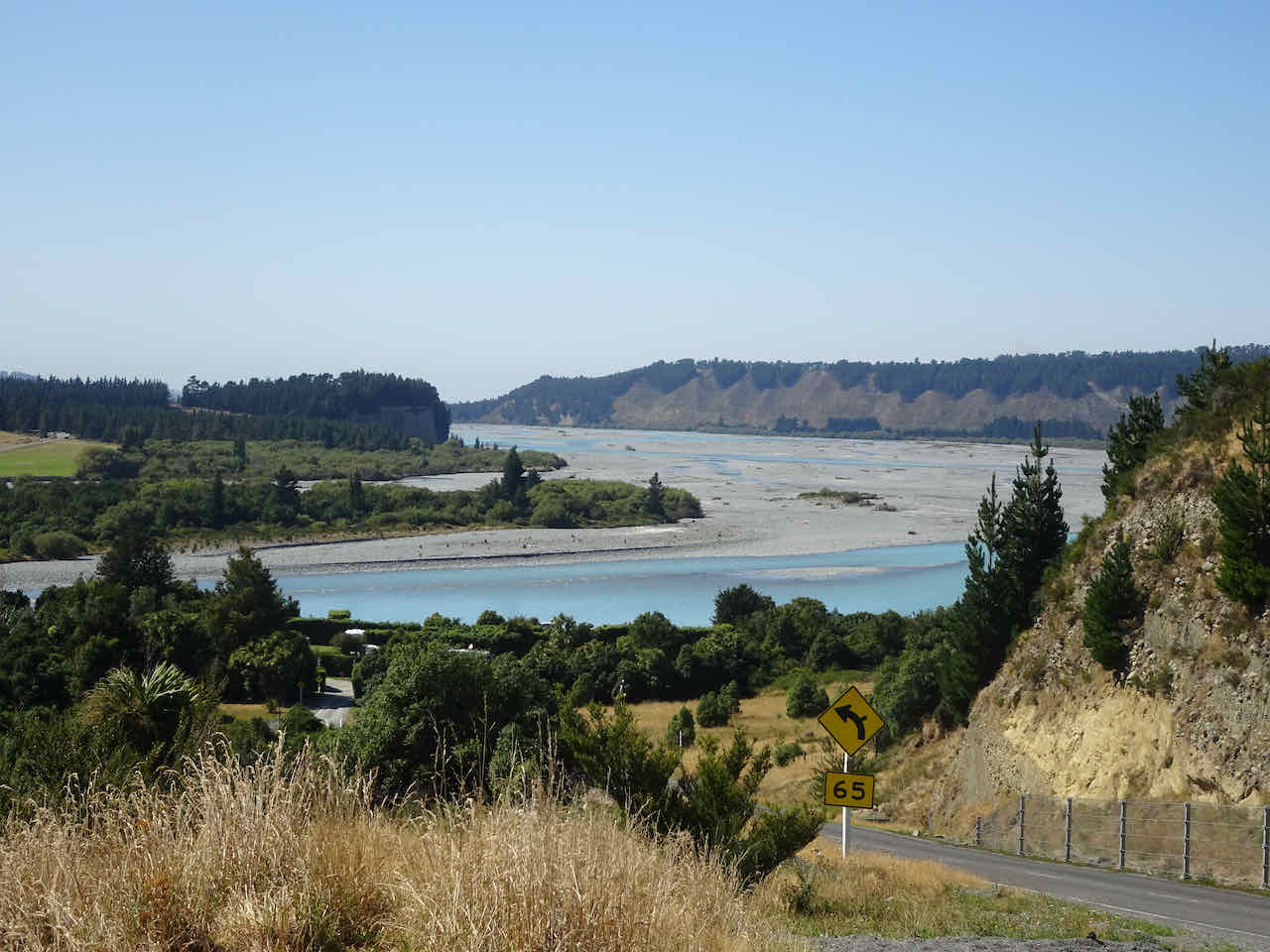
We crossed over the Rakaia Gorge, a huge turquoise blue glacial outwash river. The riverbed was full of bleached white rocks, many exposed in the late summer, despite the recent flooding to the south.

DSC07626

Rakaia River

DSC07634

Rakaia Gorge Bridge

DSC07638

Upriver view

DSC07640

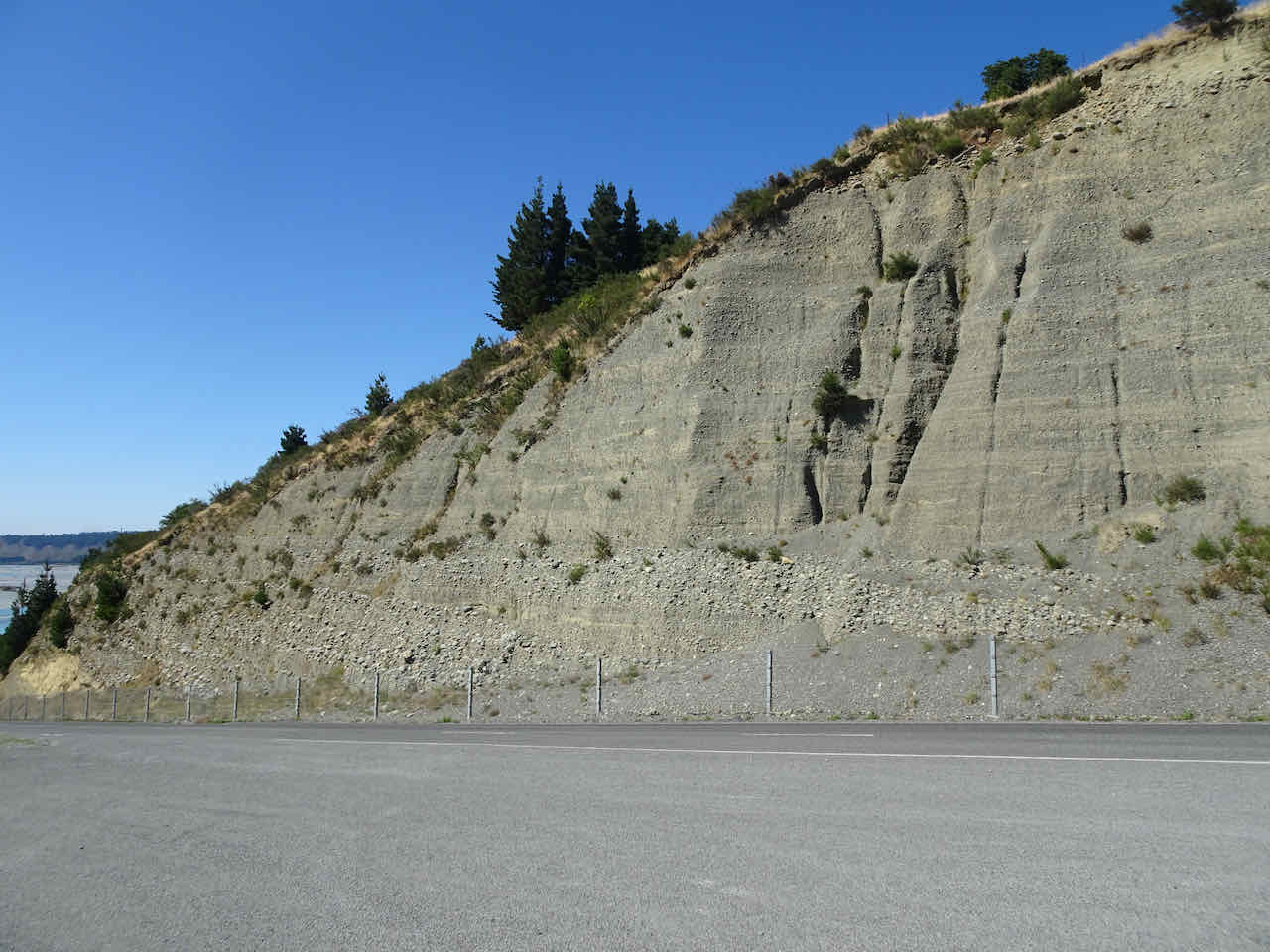
Thick glacial outwash / riverbed sediments in the roadcut.

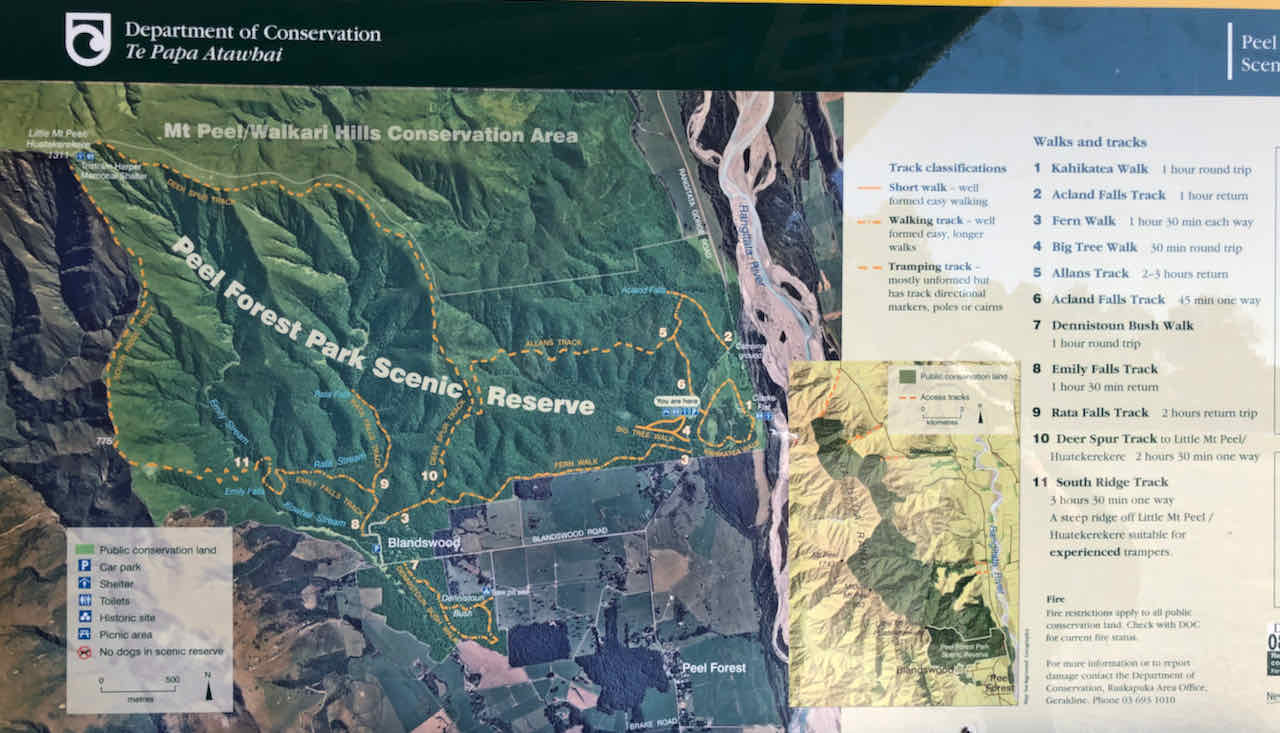
Our guide had recommended a stop at Peel Forest, a reserve of old growth, native forest with some of the largest trees preserved. We walked a few short loop trails into the forest, appreciating its coolness on this warm day.

IMG_0388

DSC07652

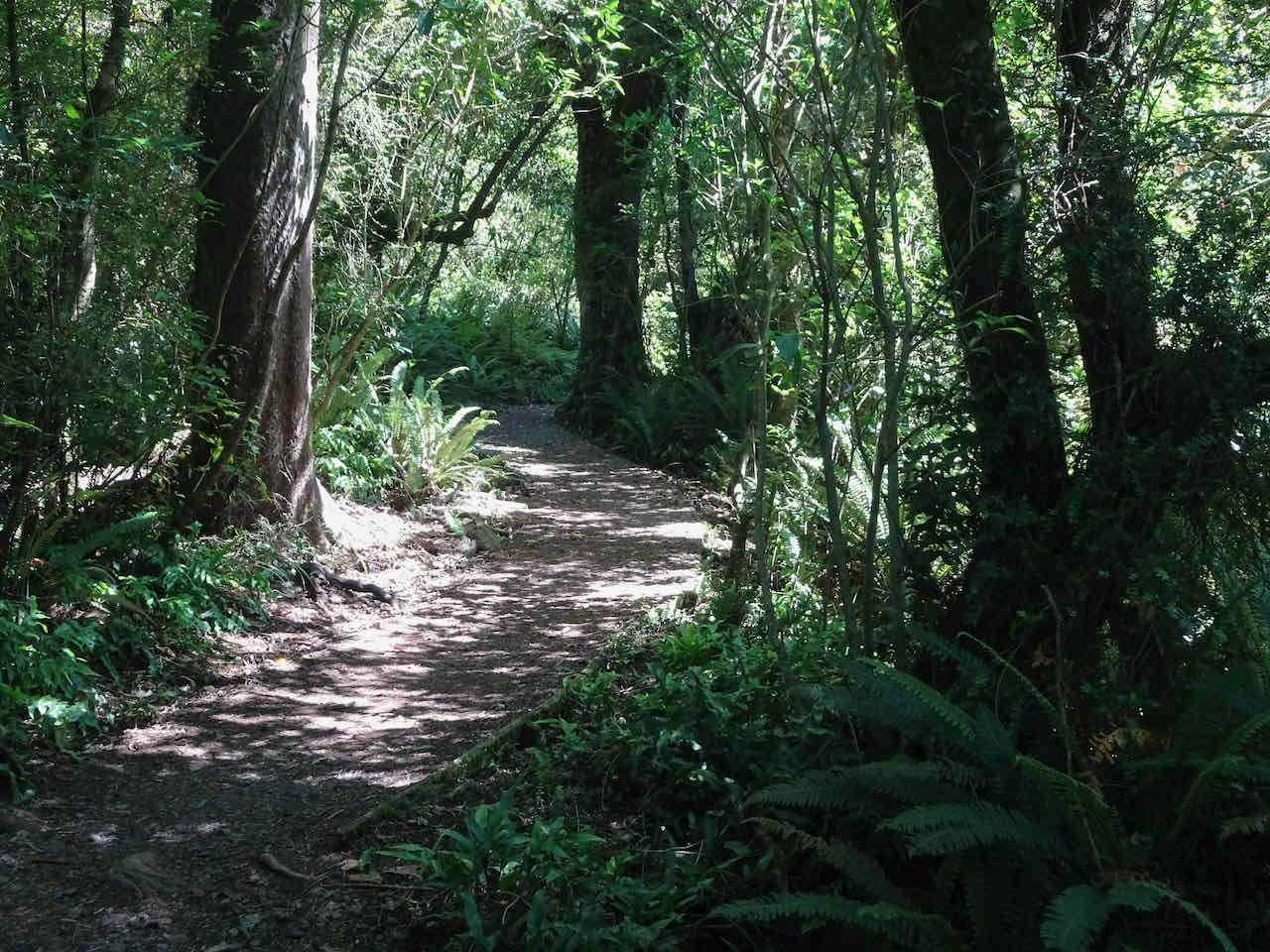
Cool and shady trails in the Peel Forest.

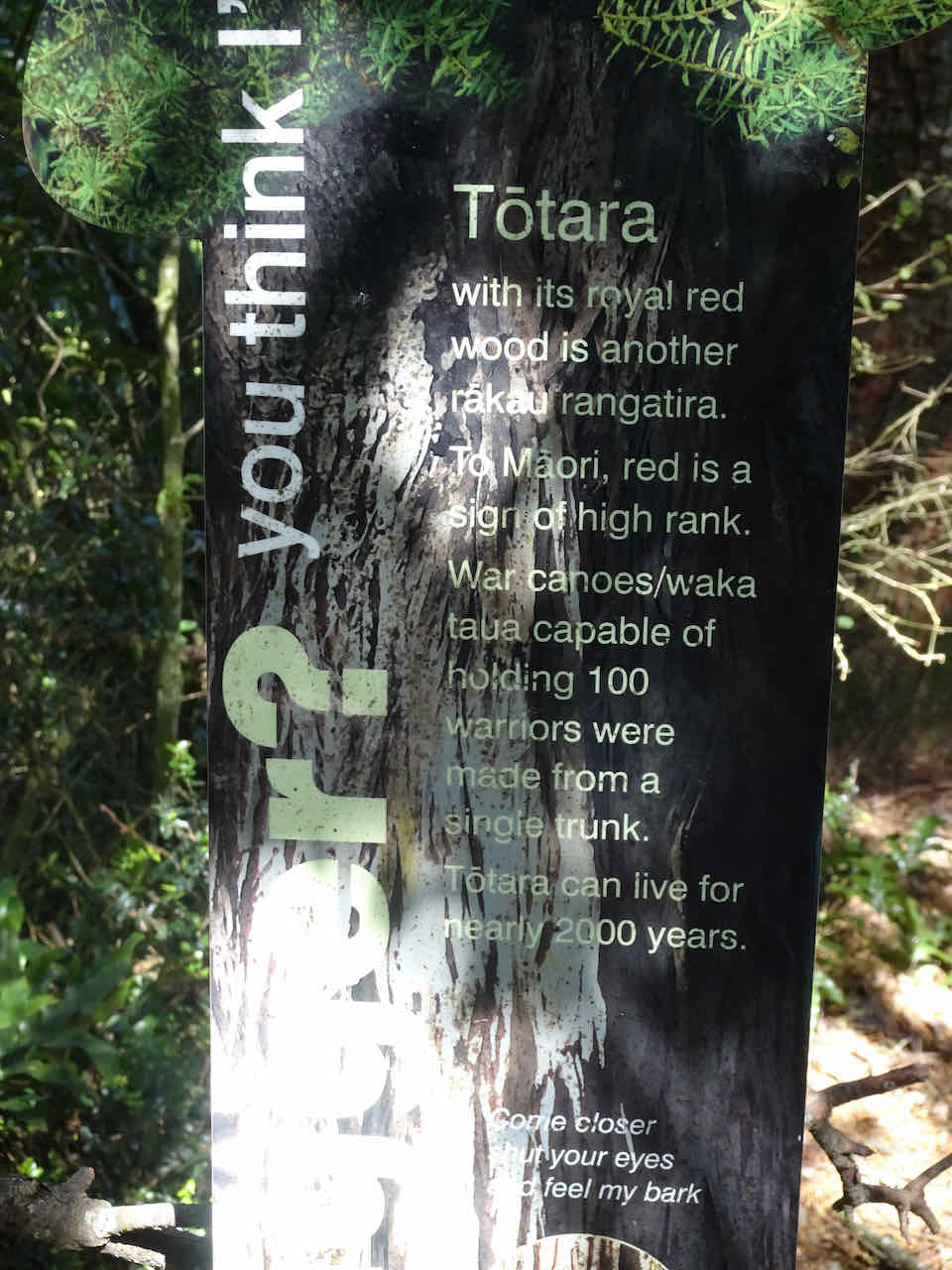
Big Tree Walk: Totara trees are some of the largest trees in the forest.

DSC07655DSC02573DSC07656DSC07667

Kahikatea trees are among the tallest of the native trees, and date back to the time of the dinosaurs.

DSC07679DSC07676

While on the Fern Walk, I was especially impressed by the absolute din of insects, and the loud chiming call of the bell birds that echoed through the forest. 

DSC07682DSC07683DSC07688DSC07693

I took a video while on the Fern Walk, mostly for the sound, a bit unsteady in the images…

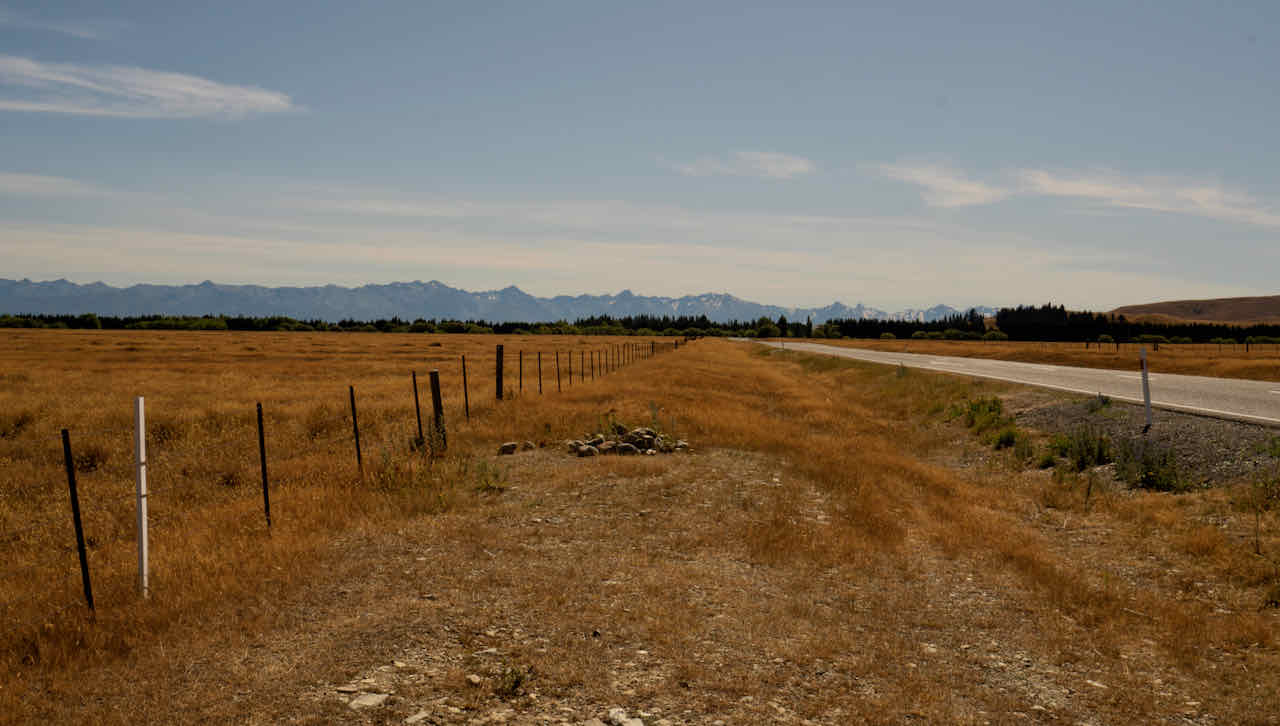
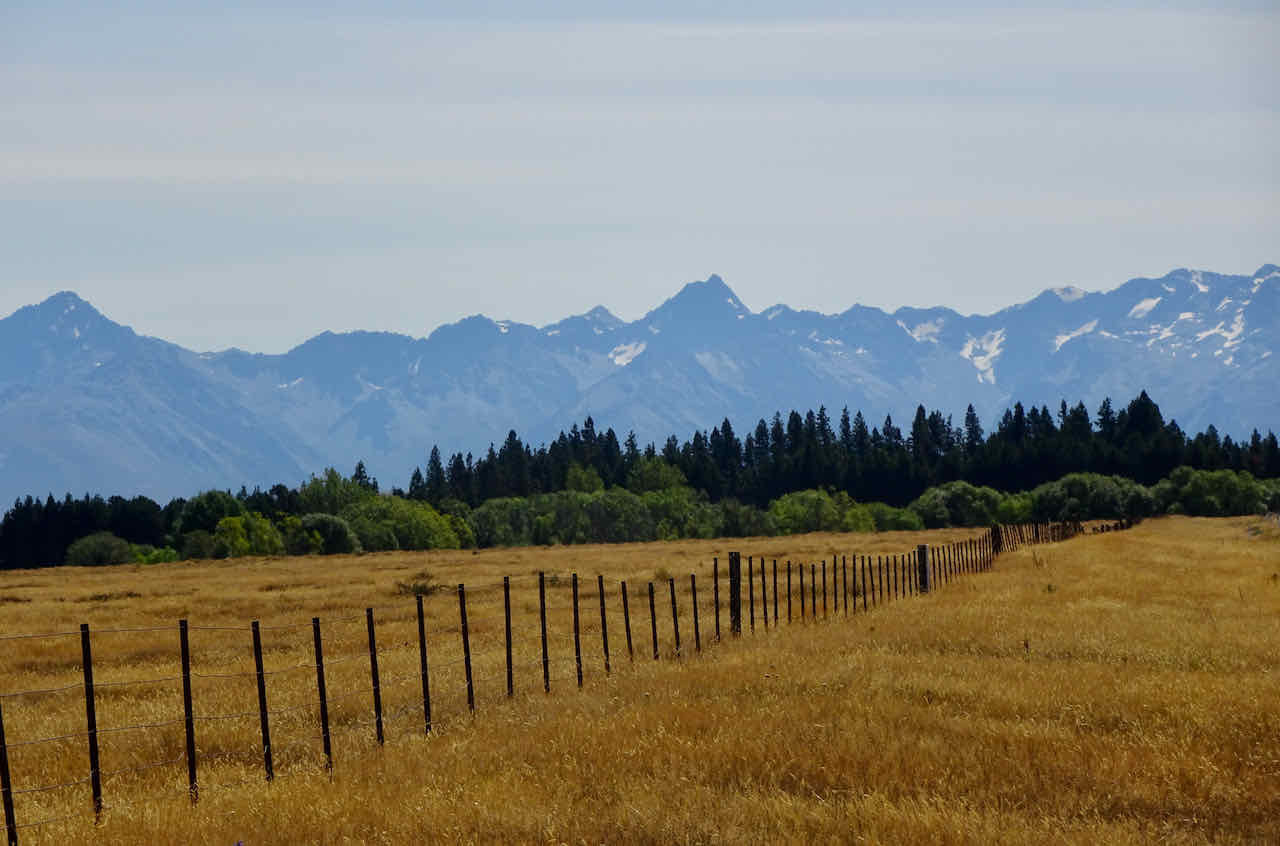
After our forest stop, we continued our drive toward Lake Tekapo across the dry plains to the east of the Southern Alps, which we could see as a jagged, snowy skyline to the west.

DSC02651DSC07701

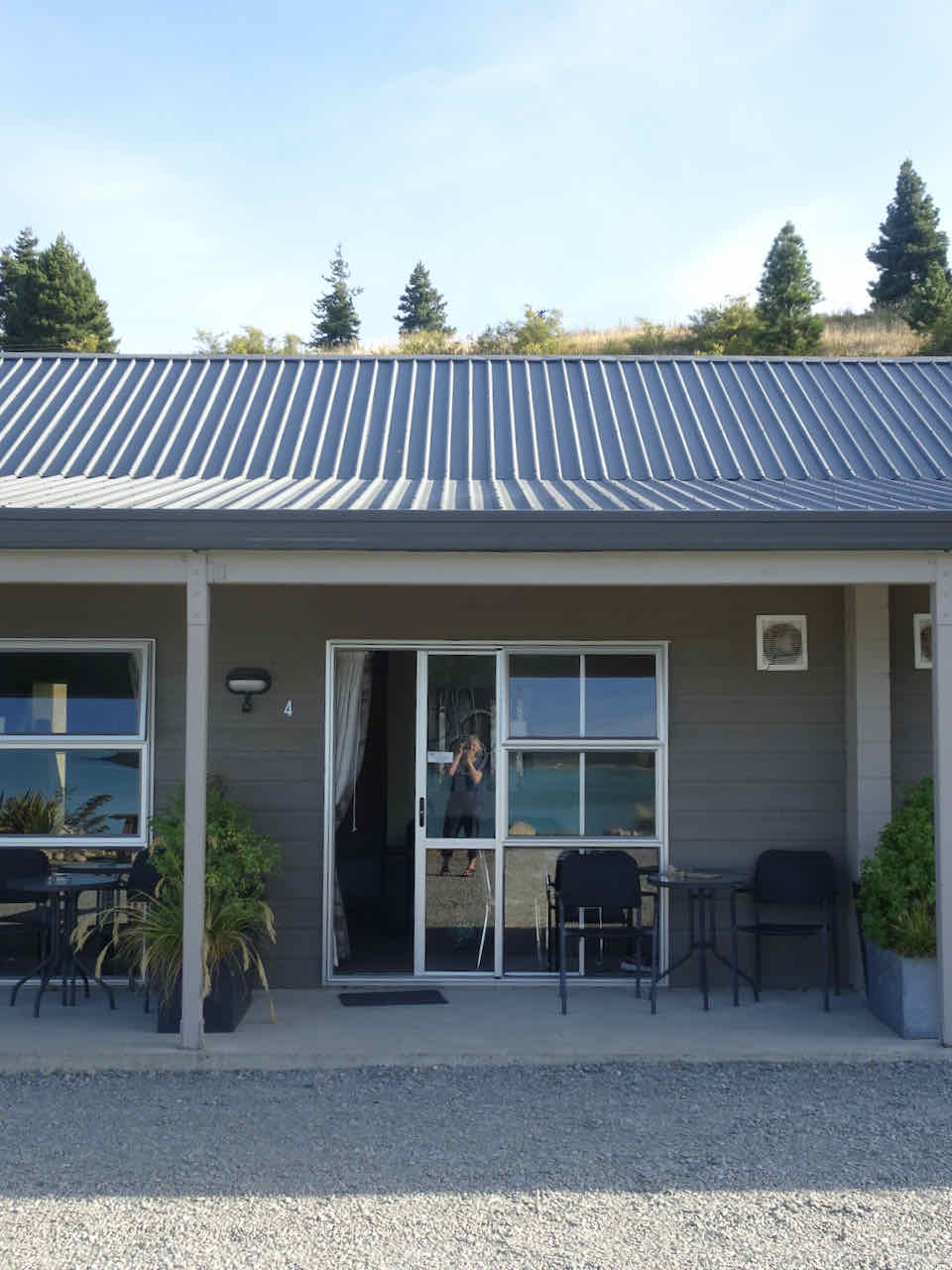
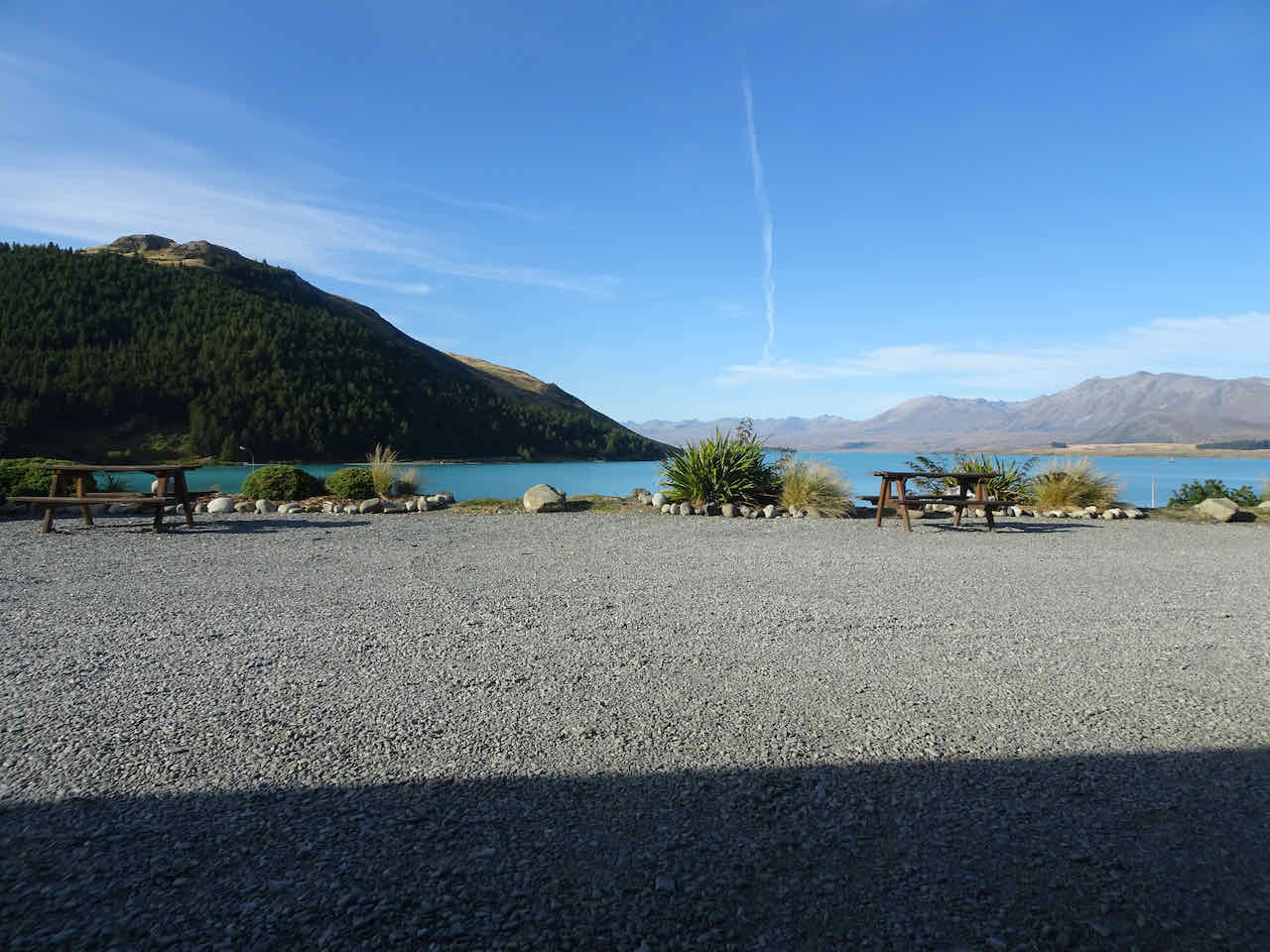
We checked into our motel room at Lake Tekapo, with a view overlooking the lake and mountains beyond.

DSC07706

Motel at Lake Tekapo

DSC07702

View across lake Tekapo

Later that night, in search of astrophotography, we drove around to the north side of the lake, and finally spotted the southern cross.

DSC07718

Sunset over Lake Tekapo

DSC02669

Stars beginning to come out.

DSC07731

My best handheld effort at photographing the Southern Cross constellation; the streakiness highlights the four key stars and the two pointers.

DSC02670

My husband captured this view of the Southern Cross with his camera and tripod.

image

Closer view of the Southern Cross

For the next two days we days hiked and explored in the area surrounding Lake Tekapo. 

NZ2020: Day 17, Onawe Peninsula Trail

February 10, 2020

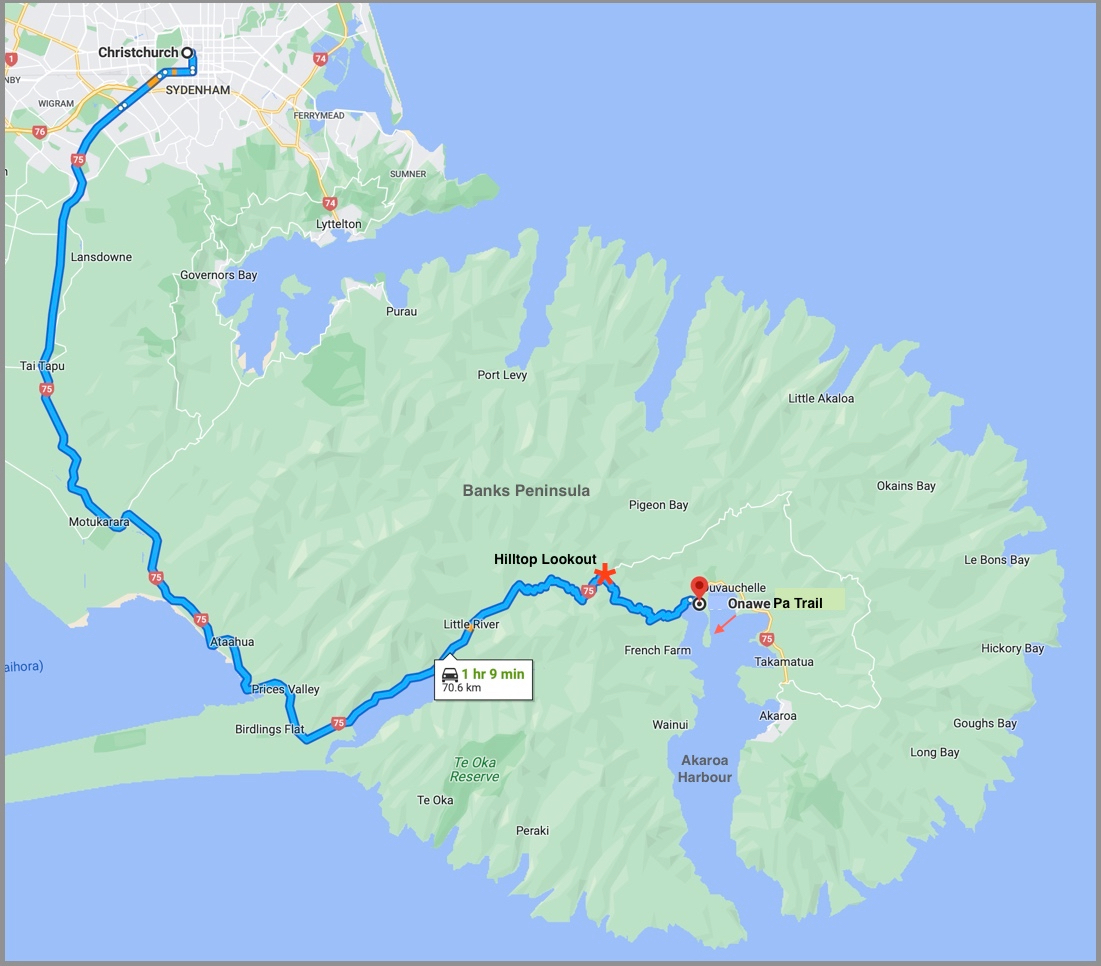
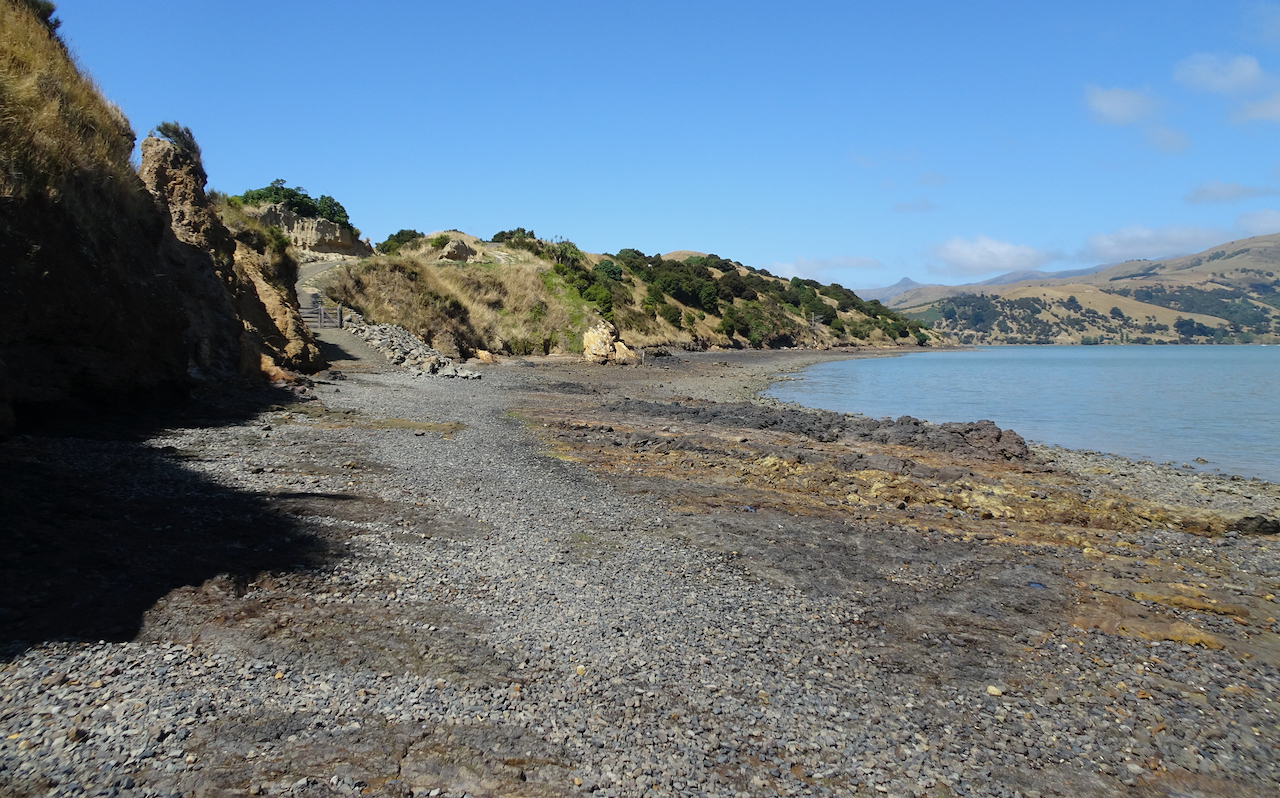
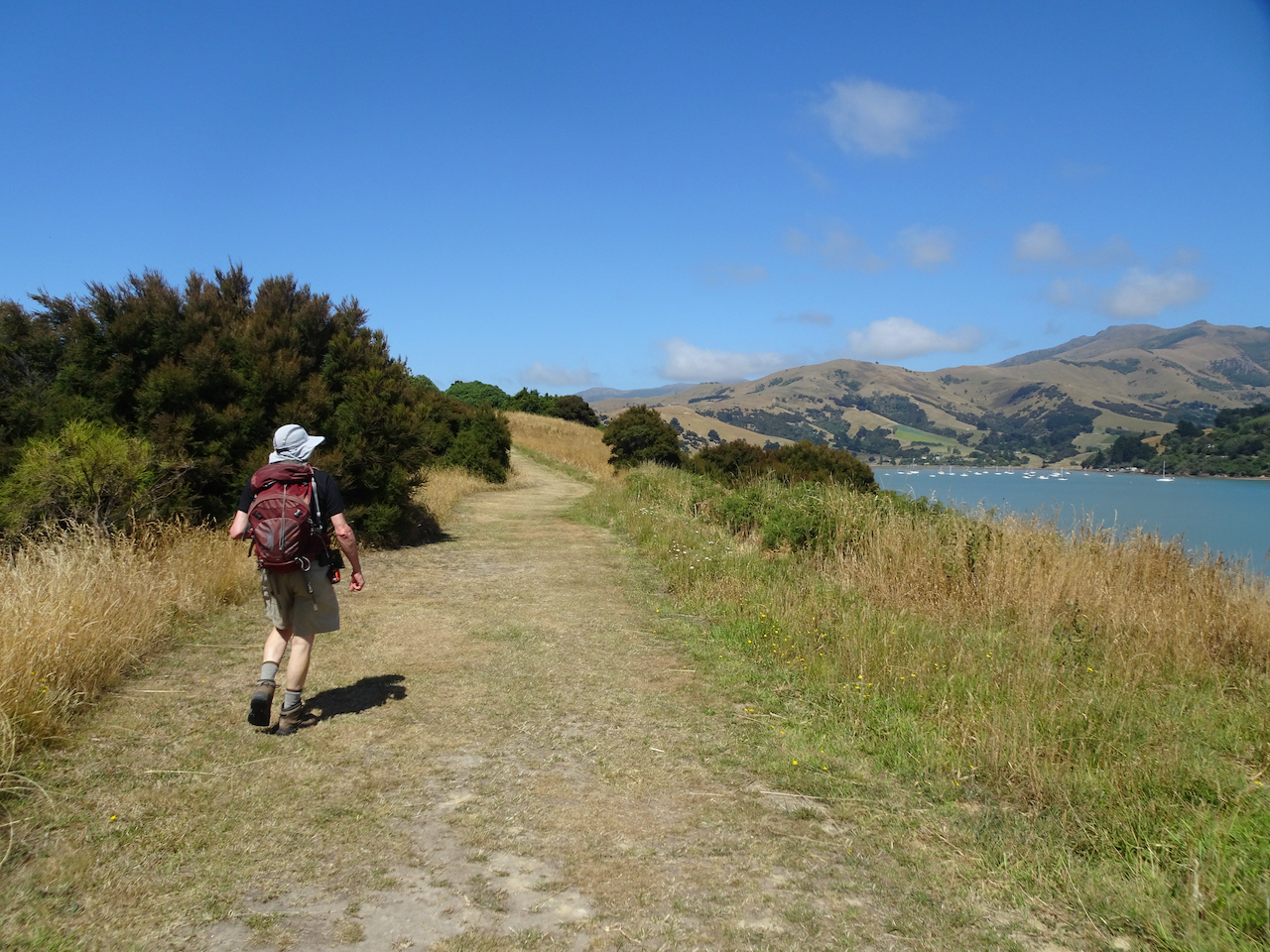
Today we began our independent travels after two weeks on guided tour.  We slept in bit, then decided to walk the Onawe Pa Track (2.7 miles, 300 feet), on the Banks Peninsula. We drove about an hour to the carpark, then spent most of the afternoon looking at the rocks, tide pools and views along the trail.

Image 6-3-22 at 5.52 PM (1)

Route from Christchurch to the Banks Peninsula, an eroded volcano.

DSC07617

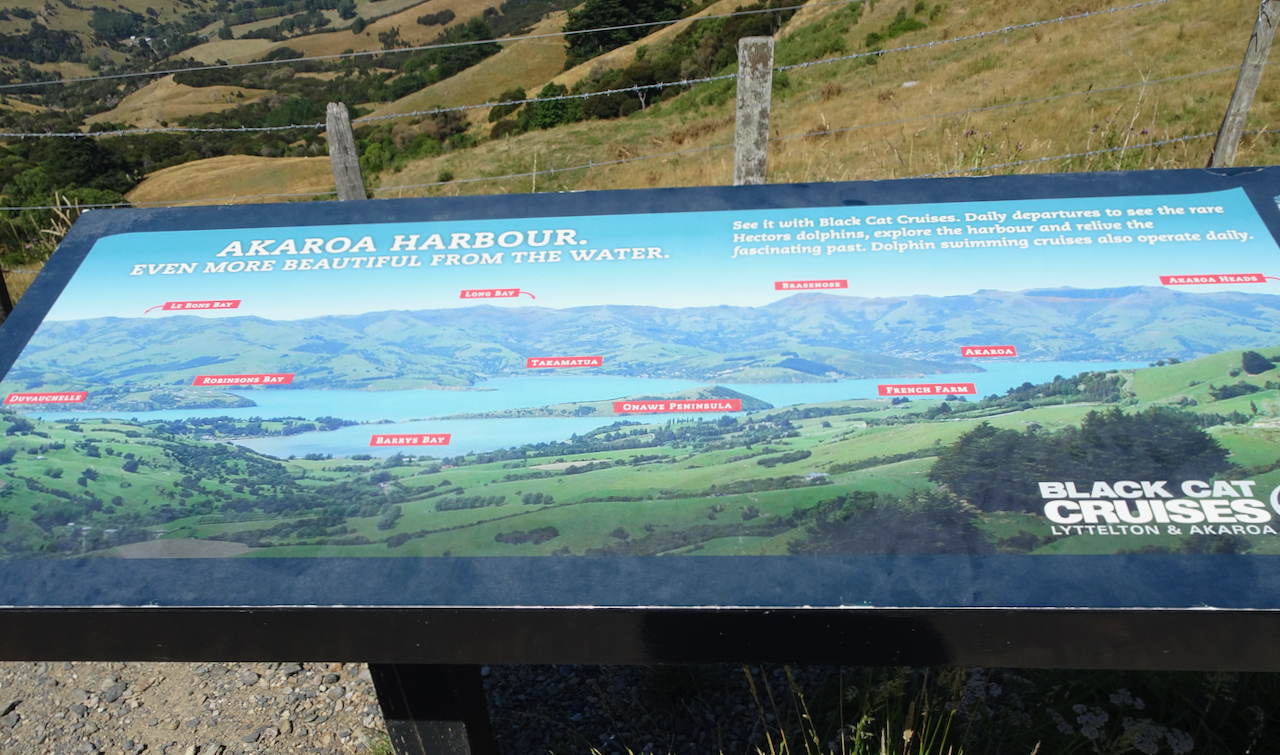
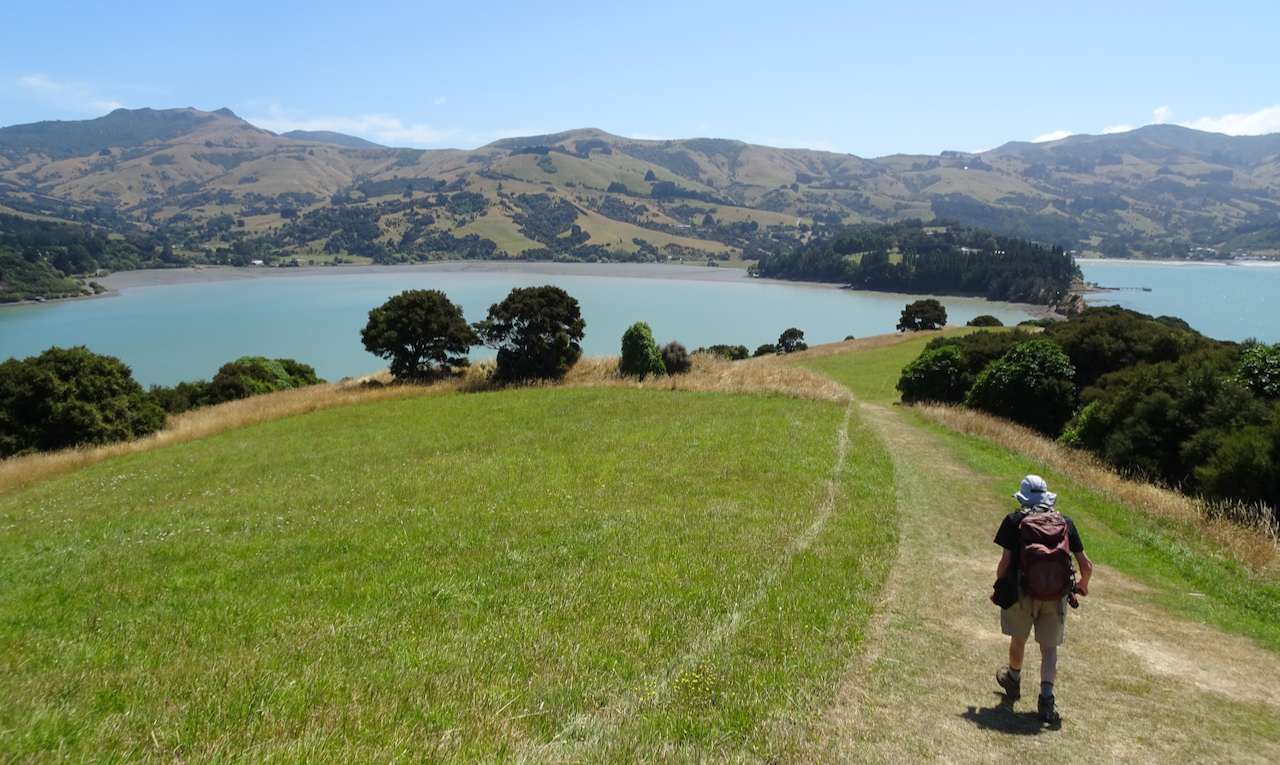
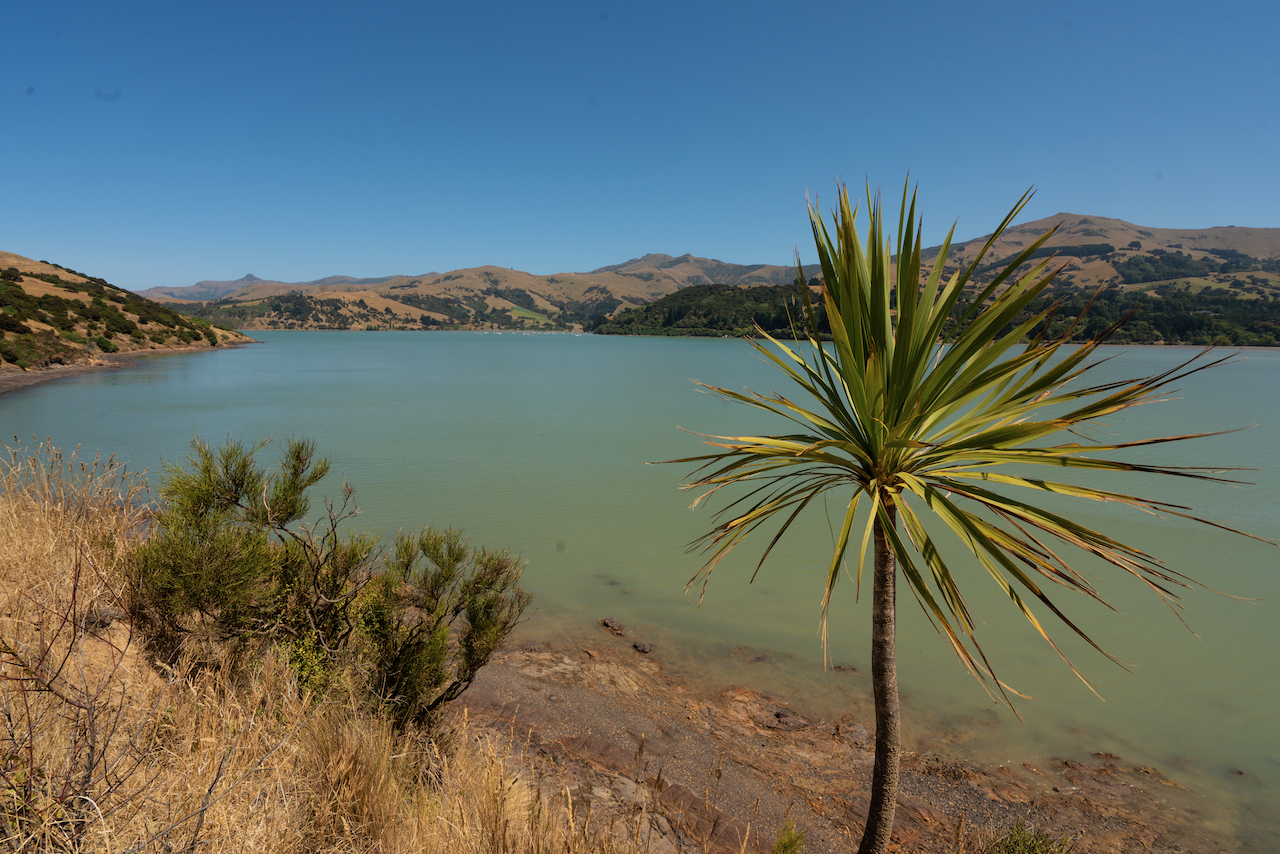
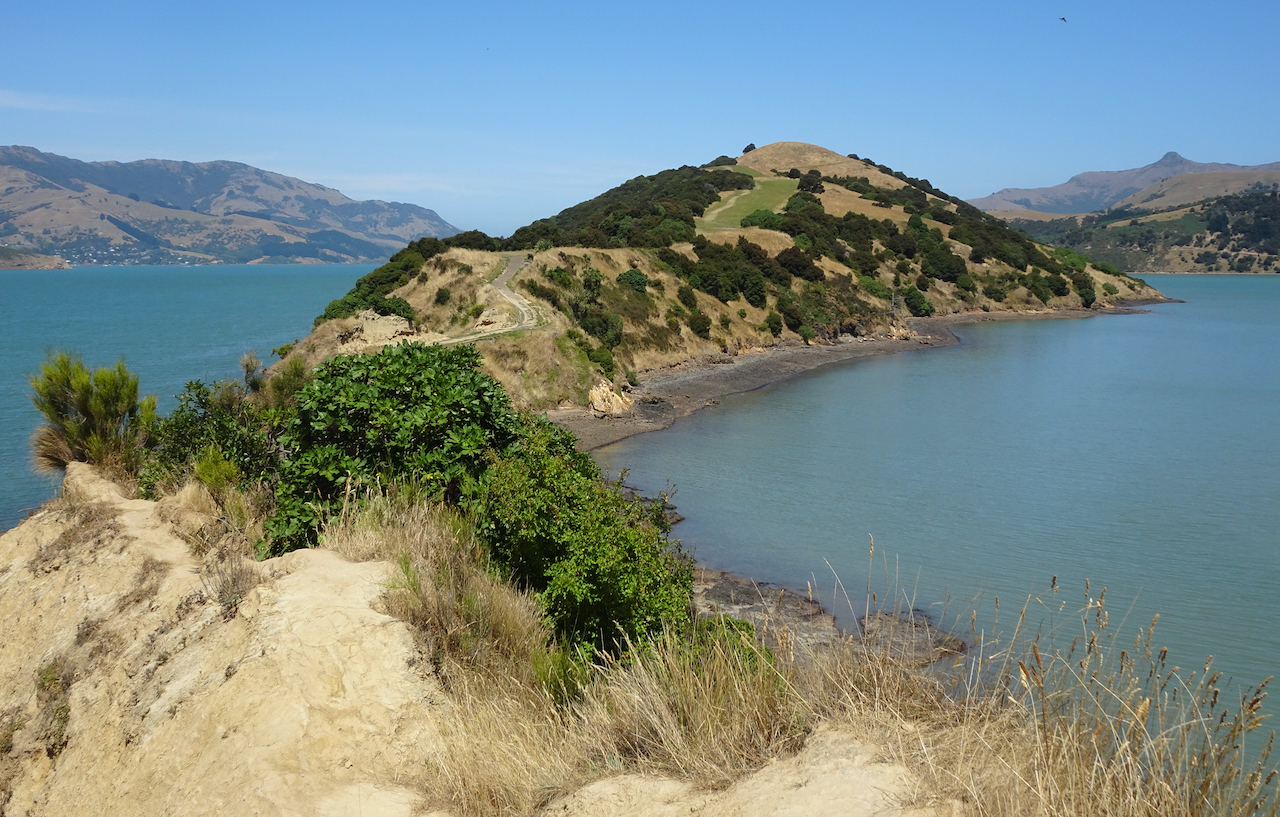
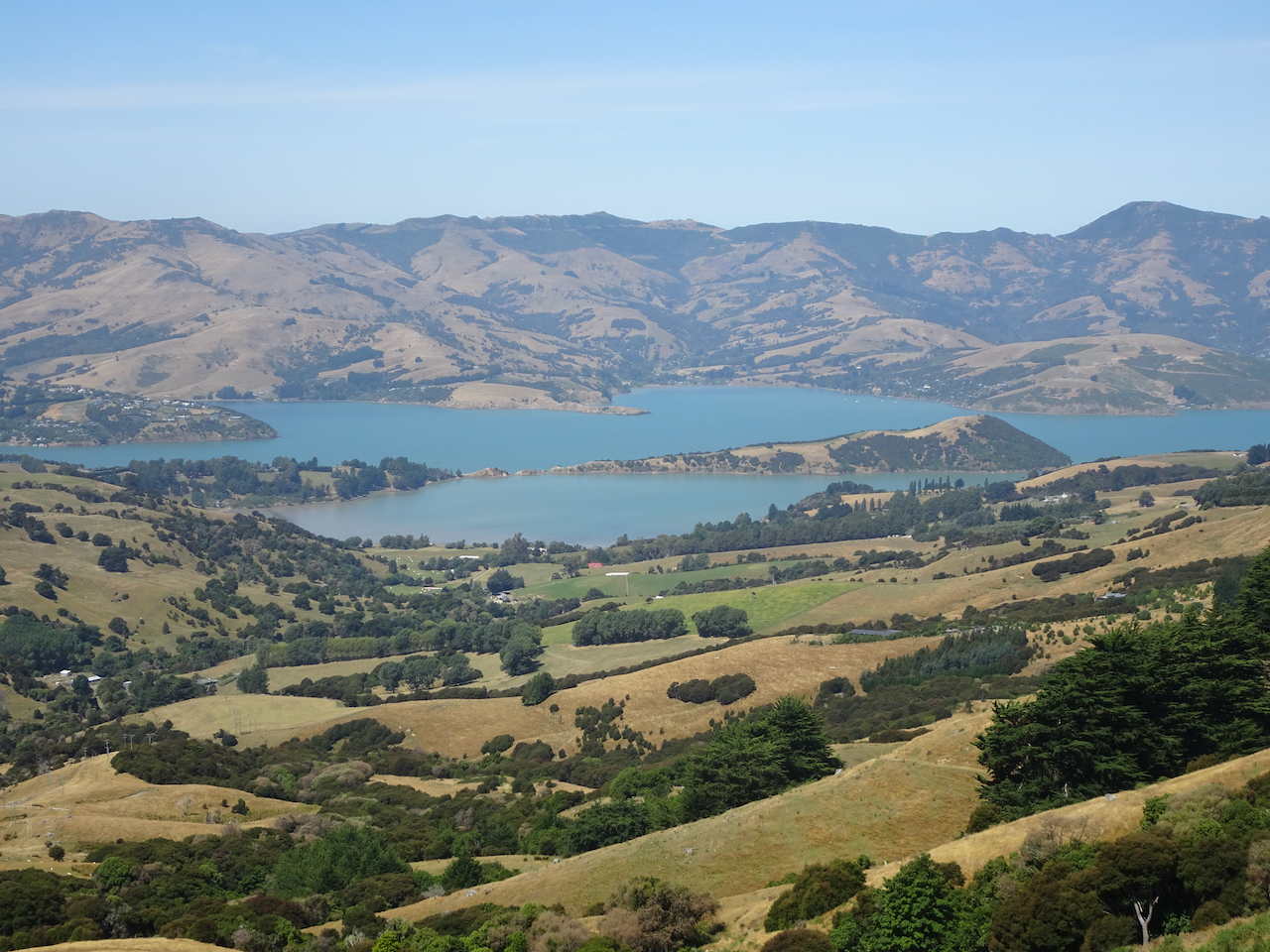
View from the Hilltop Lookout showing the long narrow Onawe Peninsula in Akaroa Harbour.

DSC07611

Location Sign at the Hilltop Lookout

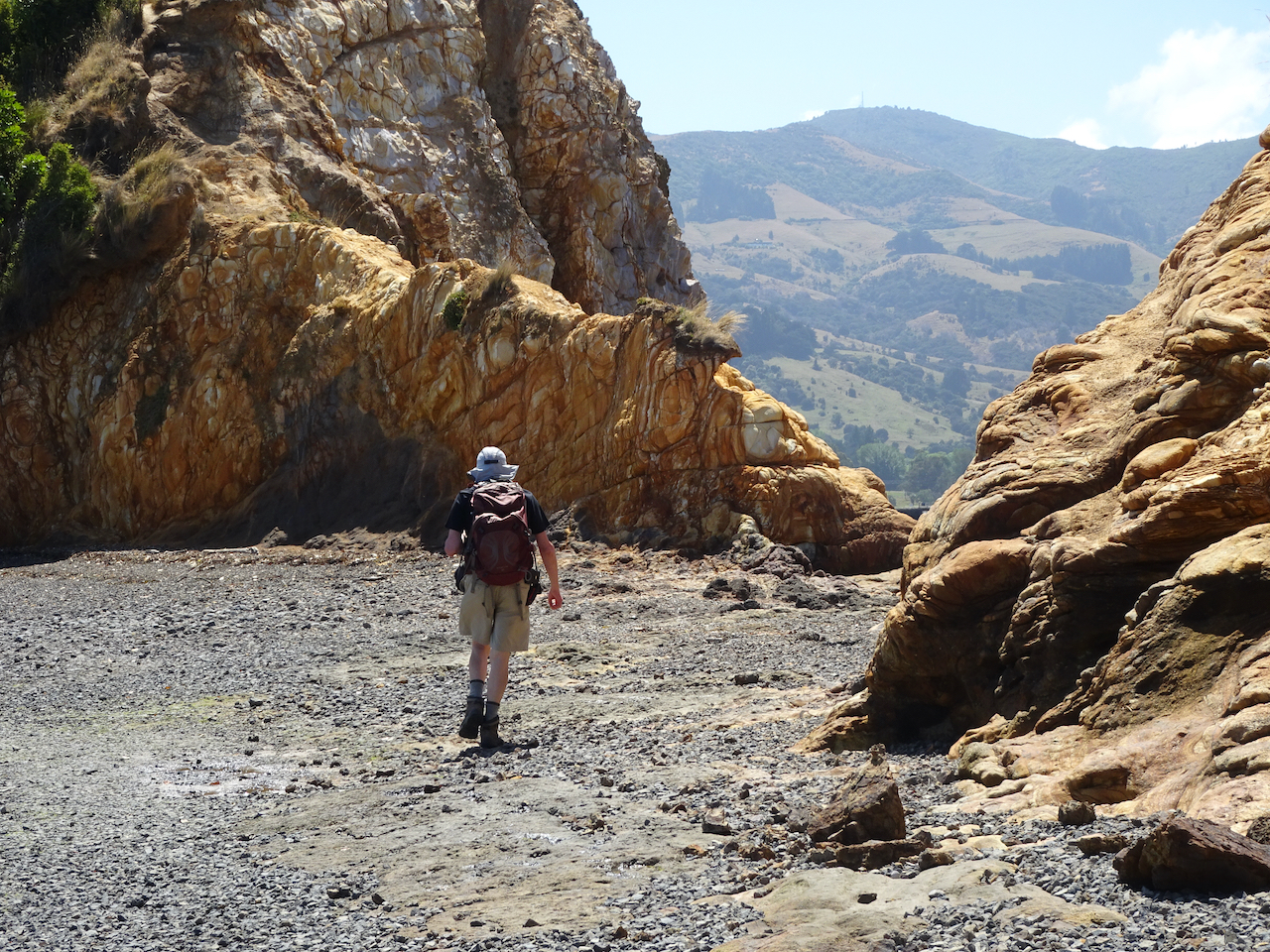
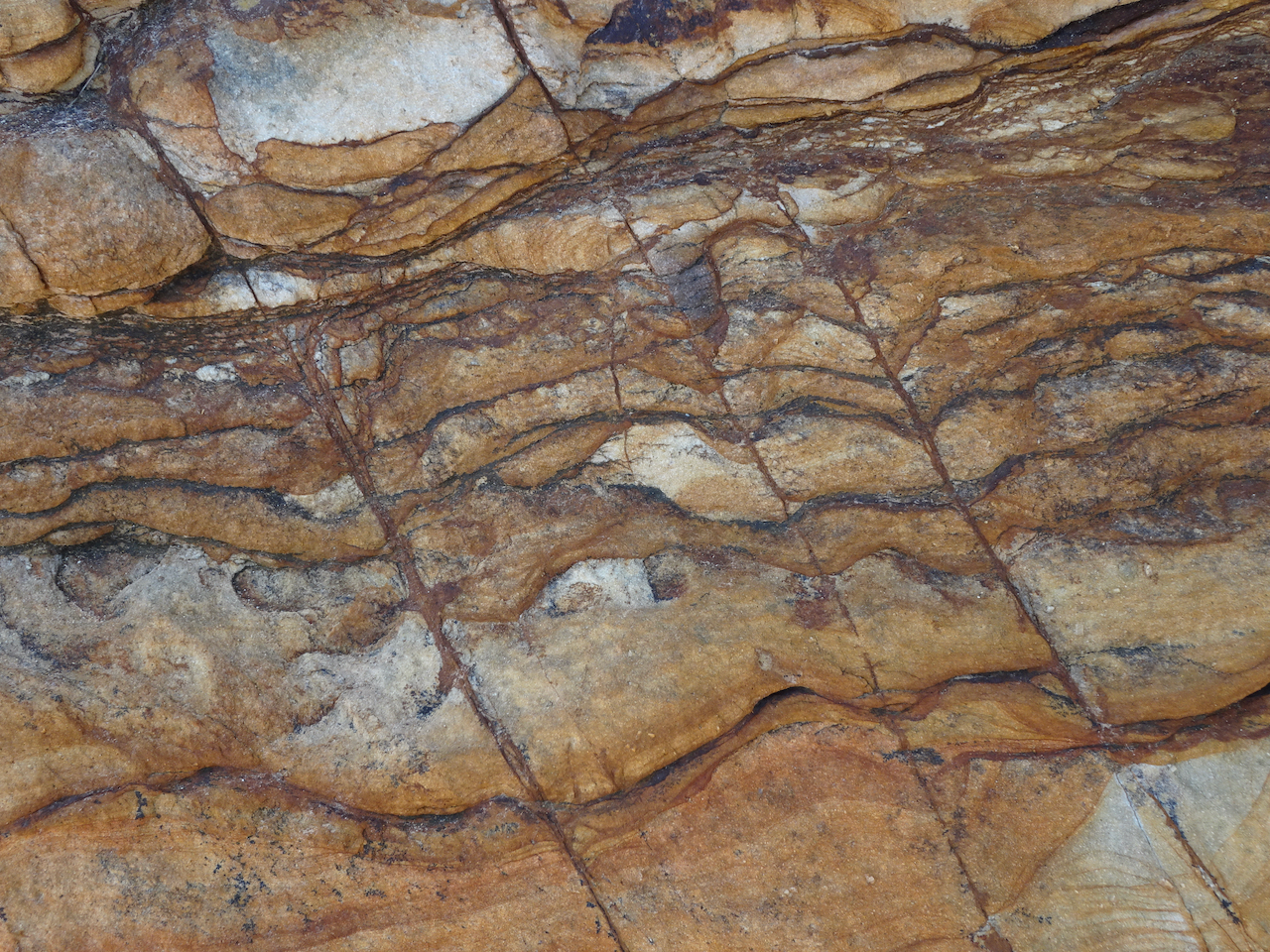
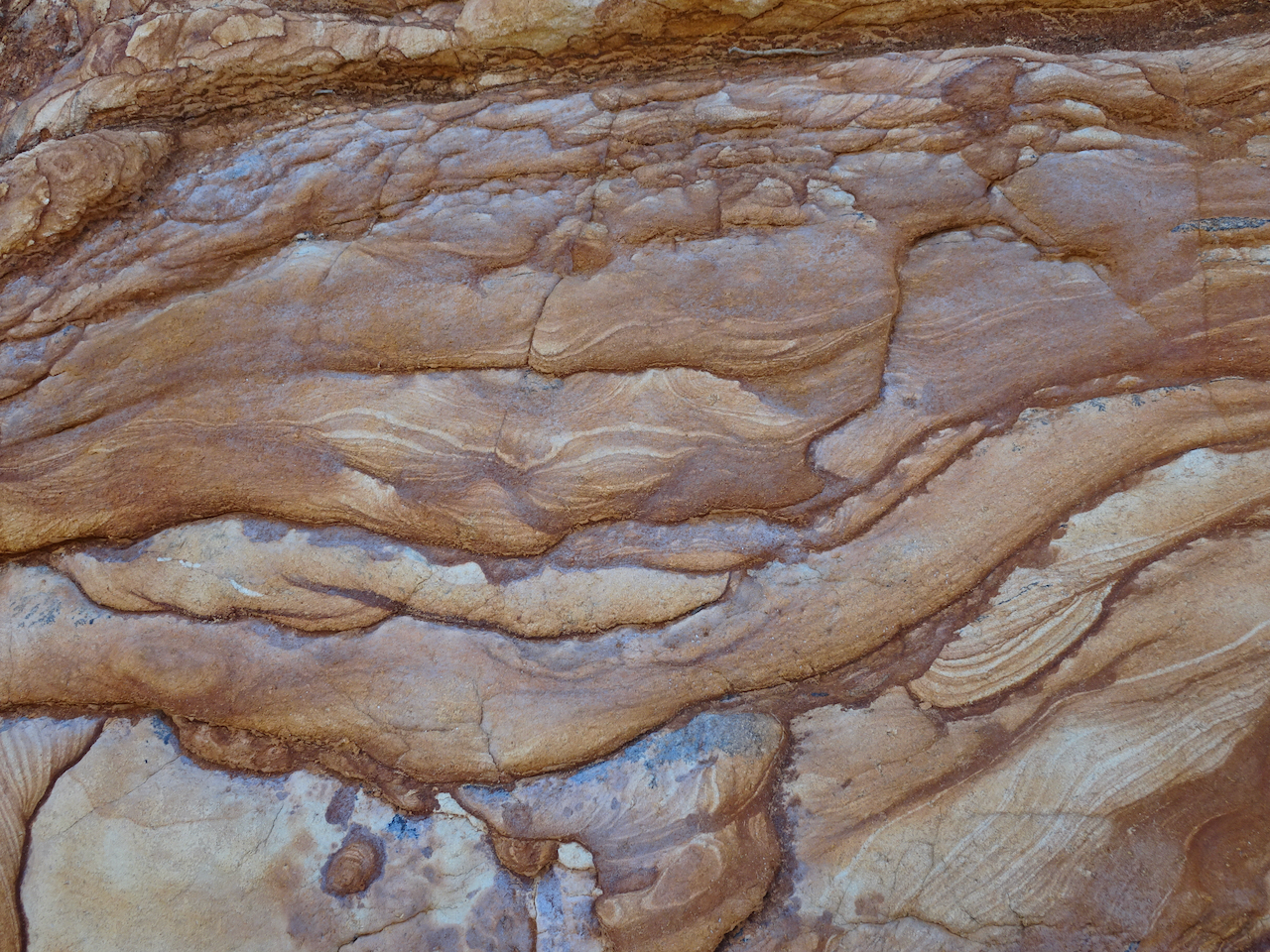
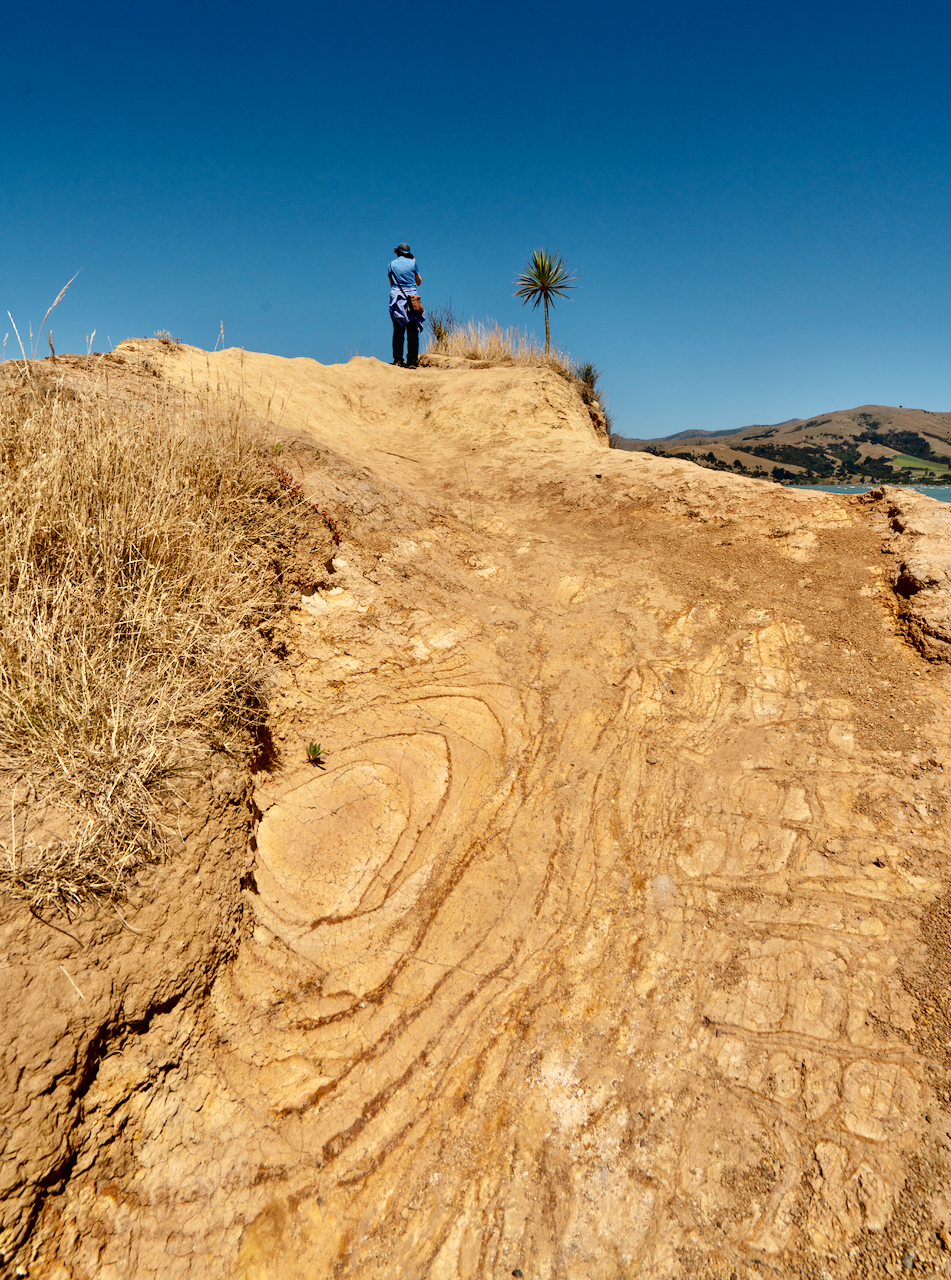
The far end of the Onawe Peninsula is an island at high tide. We began by walking along the tidal flats on the west side of the peninsula, on a dark cobbled beach with iron-stained yellow and orange volcanic tuffs in the adjacent cliffs.

DSC02353

Trailhead

DSC07448

Walking south along the westside of the peninsula

DSC07453

The low point that is flooded at high tide. We walked through the gap and saw a few birds.

DSC07455

Cormorant

DSC07459

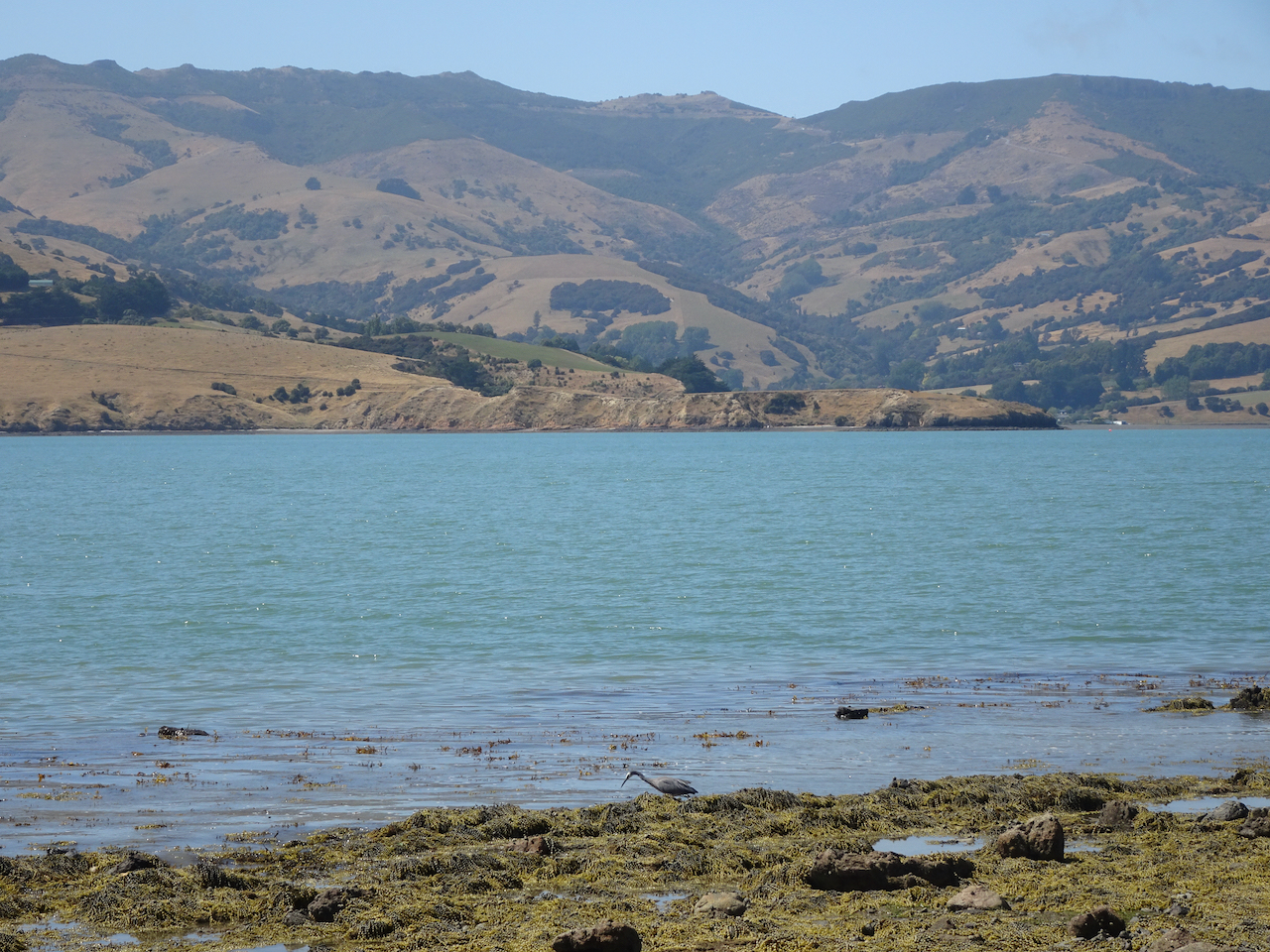
Heron in the tidal flats

DSC07465

Closer view of the heron

We walked back through the gap, and continued walking south and up onto the hill to the top of the peninsula.

DSC07469

Track going up to the top of the peninsula.

DSC07473

Looking south as we walk up the road/trail

DSC07474

Continuing on

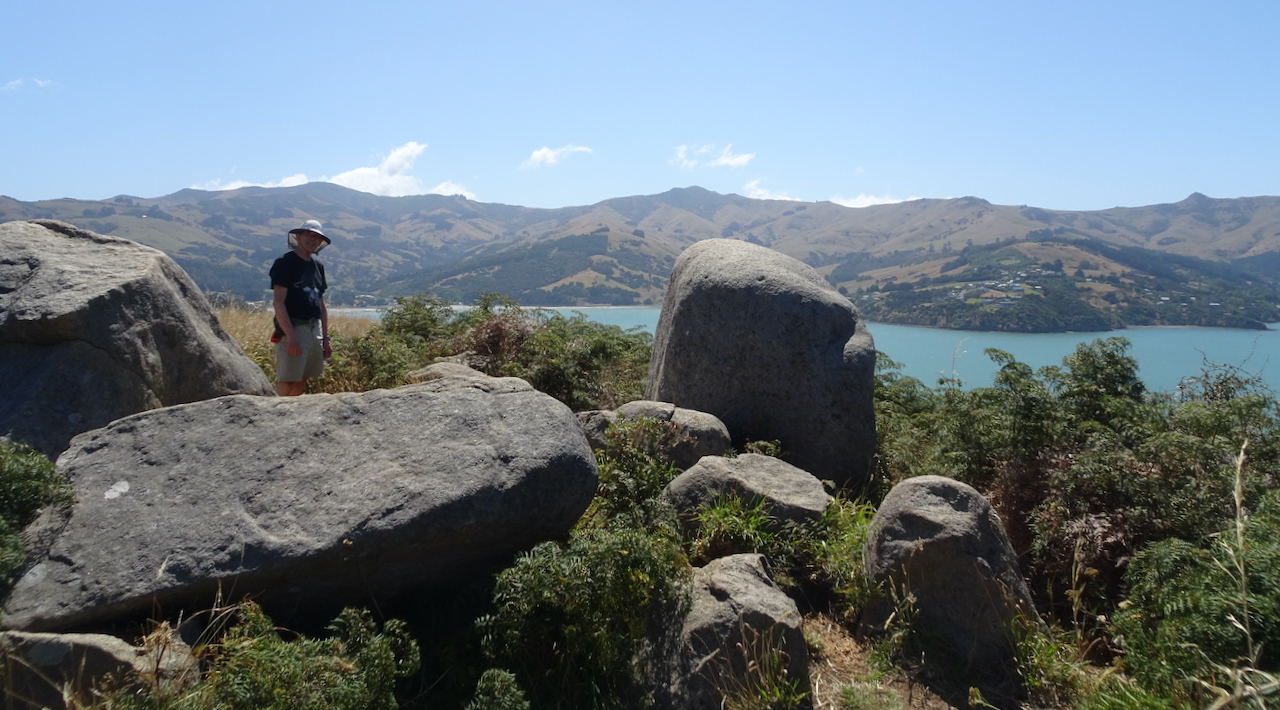
DSC07496

Grey boulders at the top of the peninsula

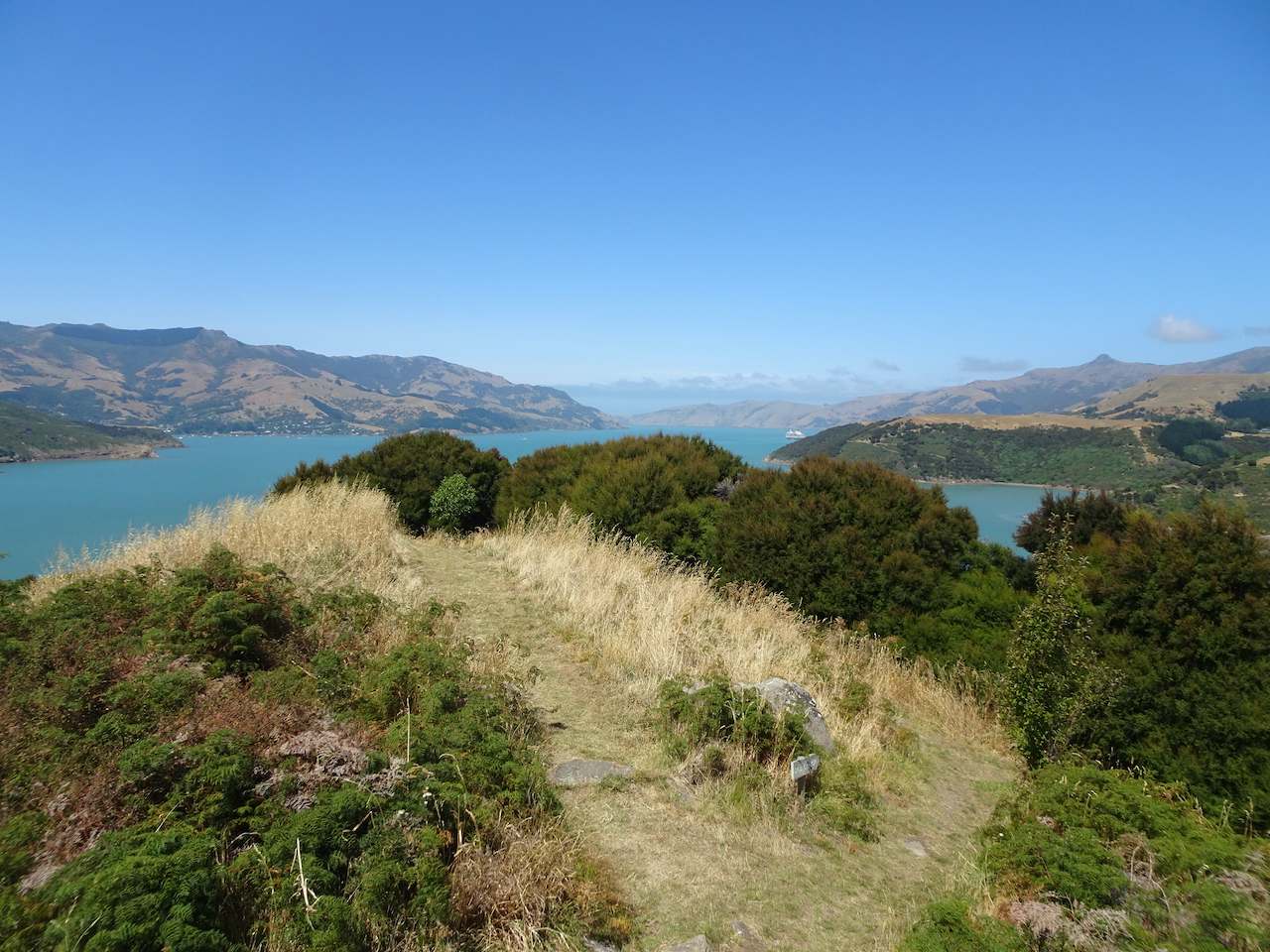
DSC07494

View to the south of Akaroa Harbour, including a cruise ship

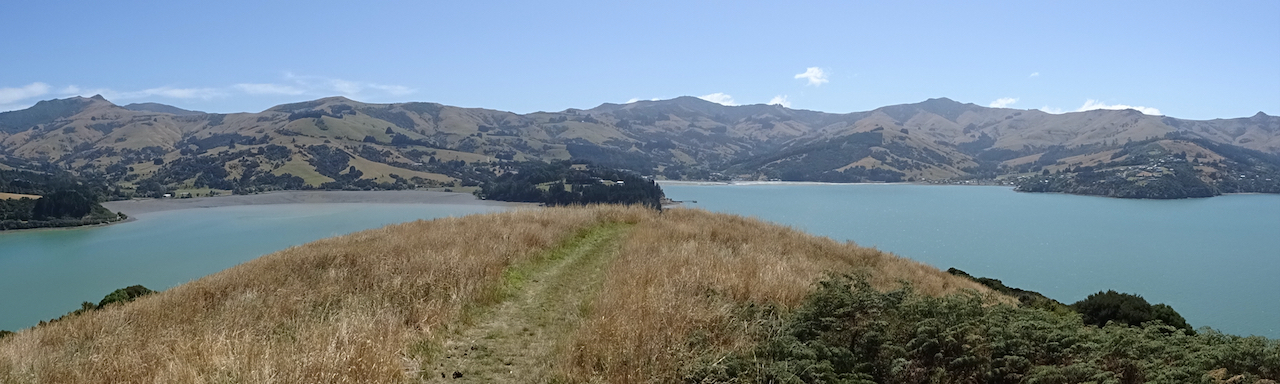
DSC07490

View back to the north, showing the coastline and skyline of the Banks Peninsula.

On our return, we explored the beaches and cliffs on both sides of the peninsula, looking at marine life in the tide pools, and ‘picture rocks’ in the cliffs.

DSC07501

Back down to the beach

DSC07506

Tide still out…

DSC07552

Through the gap again.

Tidepools:

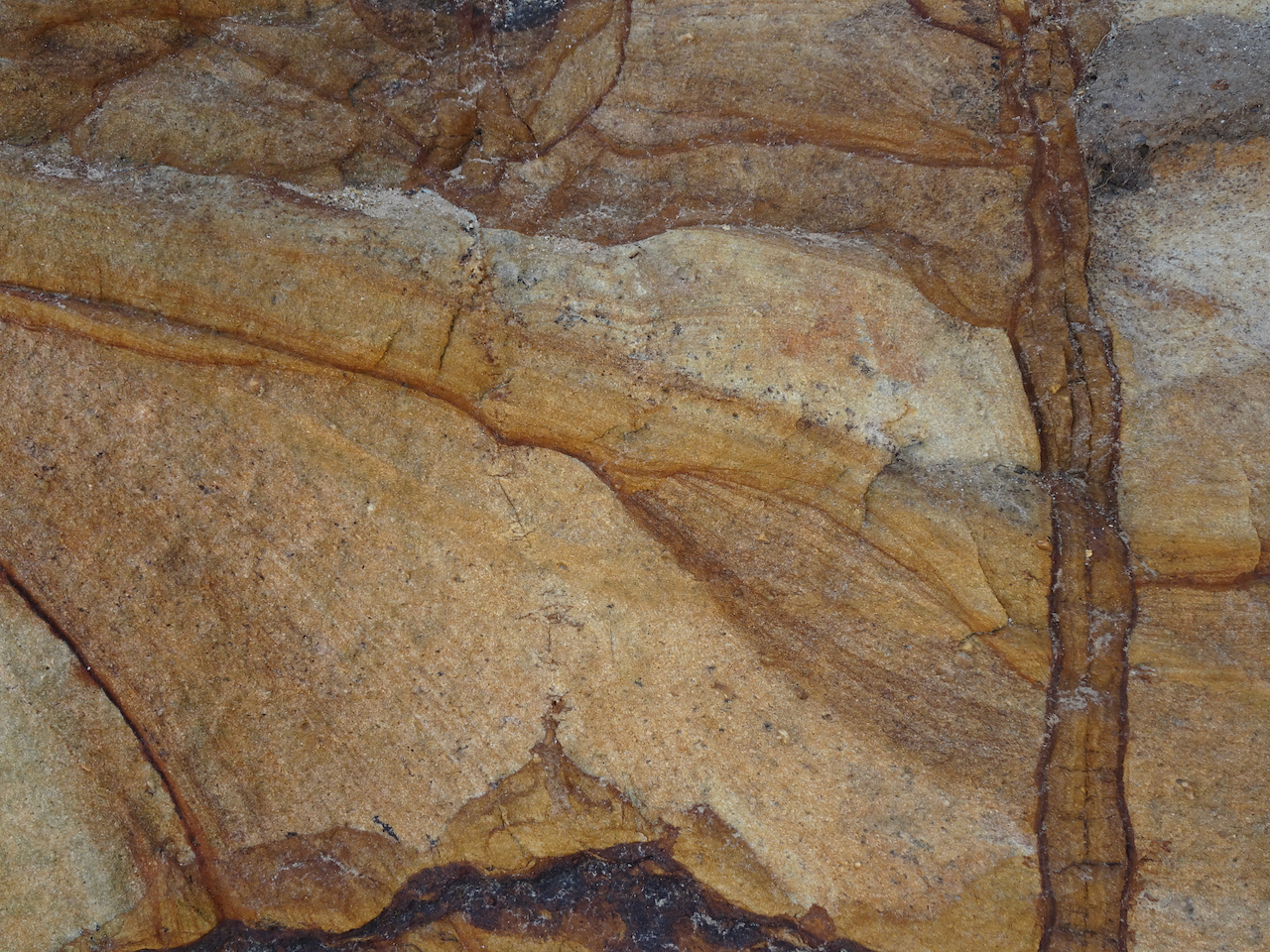
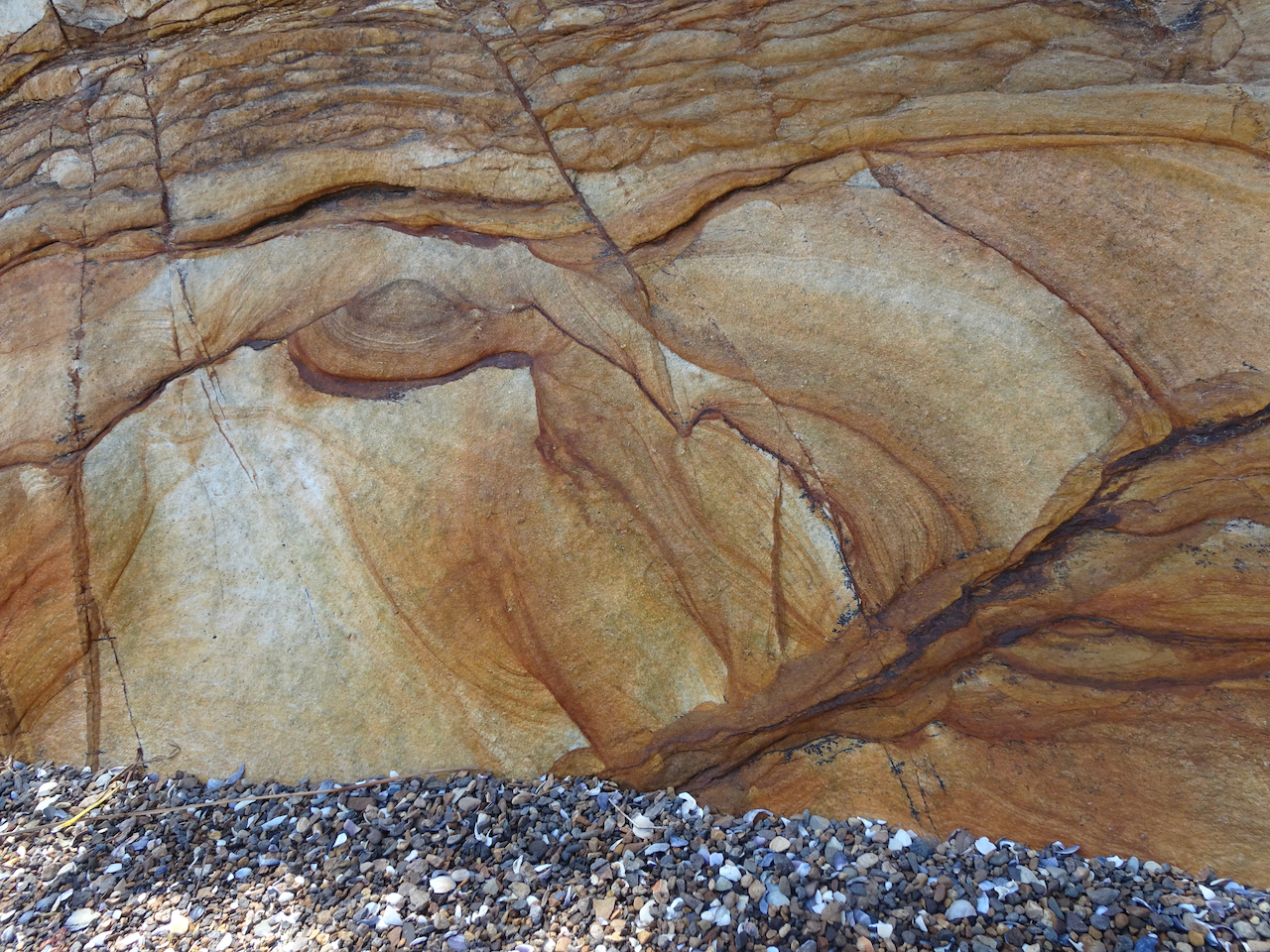
We enjoyed photographing the differentially stained tuffs, or ‘picture rocks’:

DSC07515

DSC07521DSC07533DSC07537DSC07540DSC07570DSC07587DSC07589

I decided to climb up the first hill, to look at the view from there:

DSC02528

Me, atop the hill.

DSC02534

View from the top…

DSC07600

Looking back at Onawe Pa

DSC07601

Tide coming in on the tidal flats, as we make our way back to the car park.

DSC07618

Last view from the Hilltop Viewpoint on our way return drive.

Back in Christchurch, we had dinner at a Thai restaurant. We had done well with left-side driving, and were ready to make our way to Lake Tekapo tomorrow.

NZ2020: Day 16, Aoraki/Mt Cook to Christchurch

February 9, 2020

After the beautiful views of the mountains the previous night, we awoke to even clearer skies and a view of Aoraki/Mt Cook from our Chalet window.

DSC07360

Aoraki/Mt Cook from our room

DSC02315-2

Wider view from the Chalet balcony

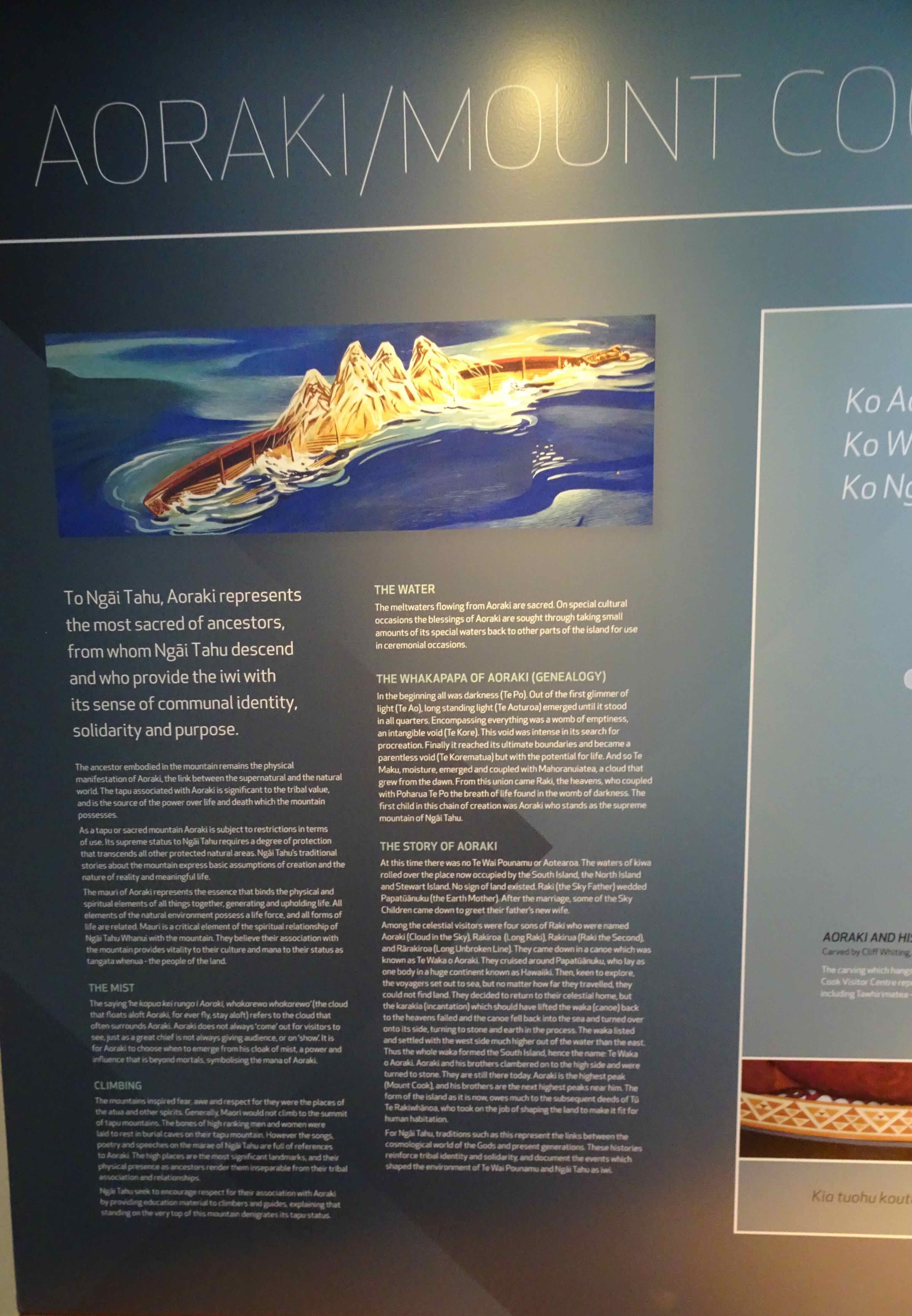
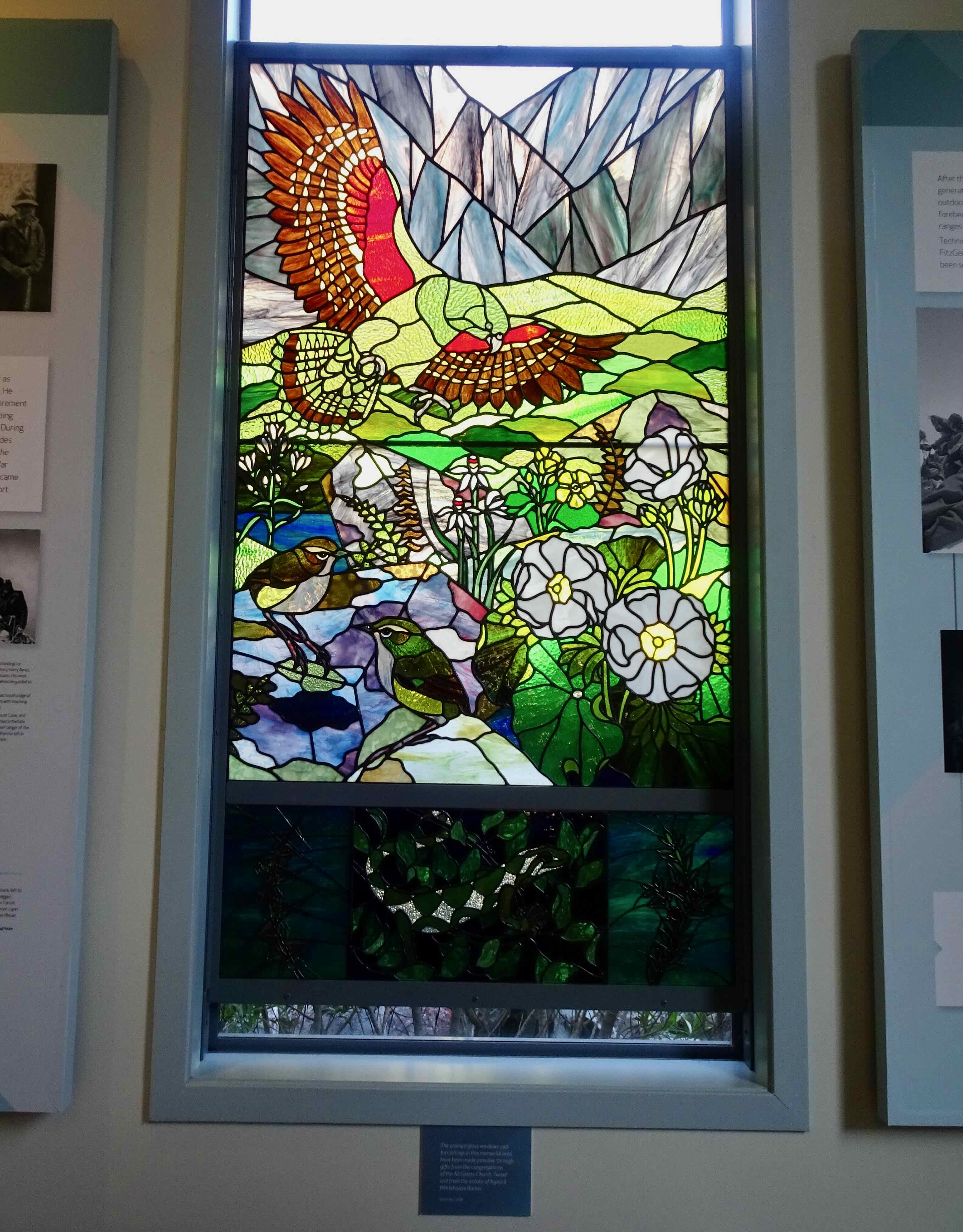
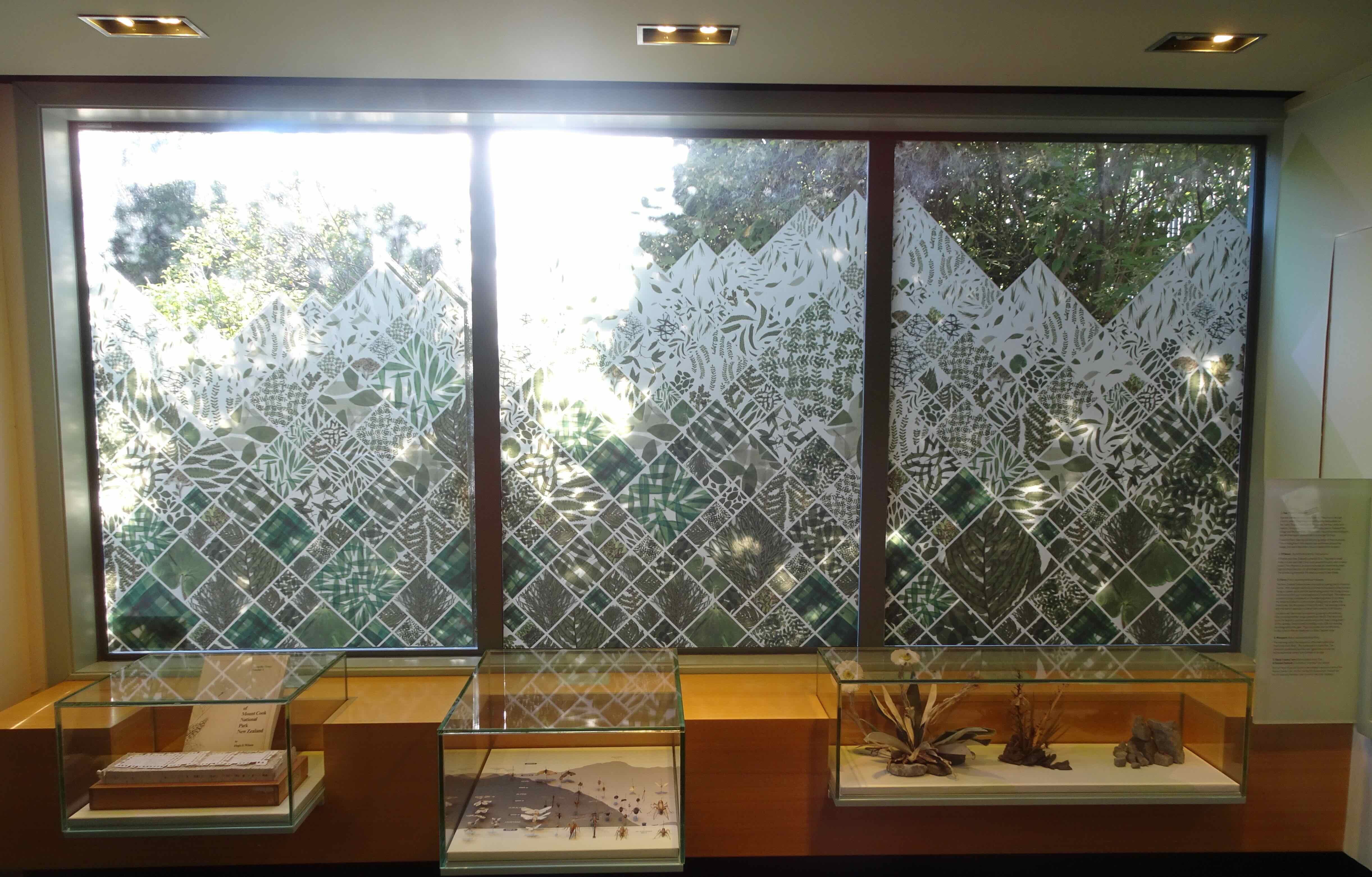
We visited the the museum, which had informative displays of Maori culture:

DSC07367DSC07366DSC07364

natural history:

DSC07379

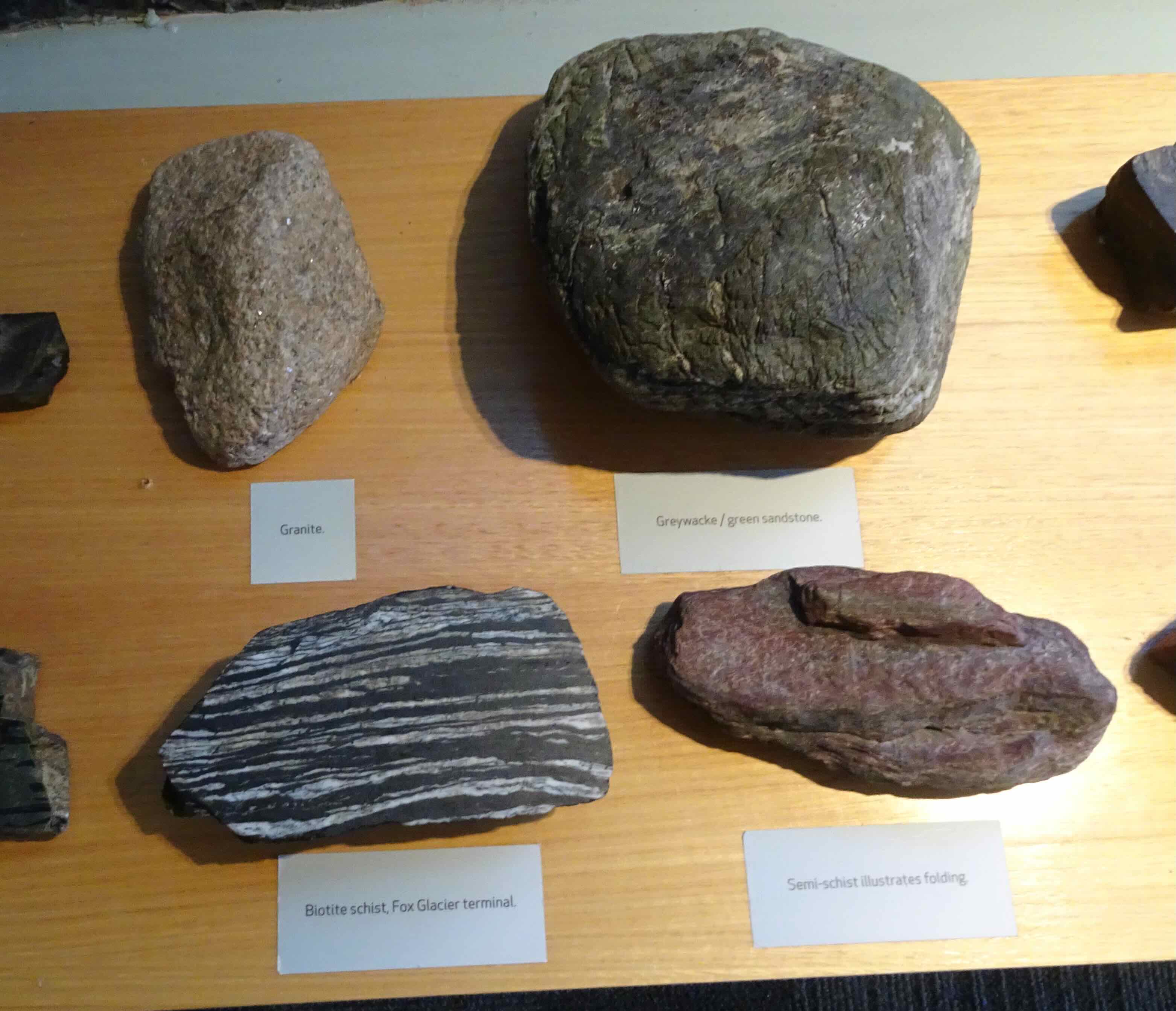
Geology of Aoraki Mt Cook

DSC07376

Some of the rocks

DSC07363

A rock from the top of the mountain

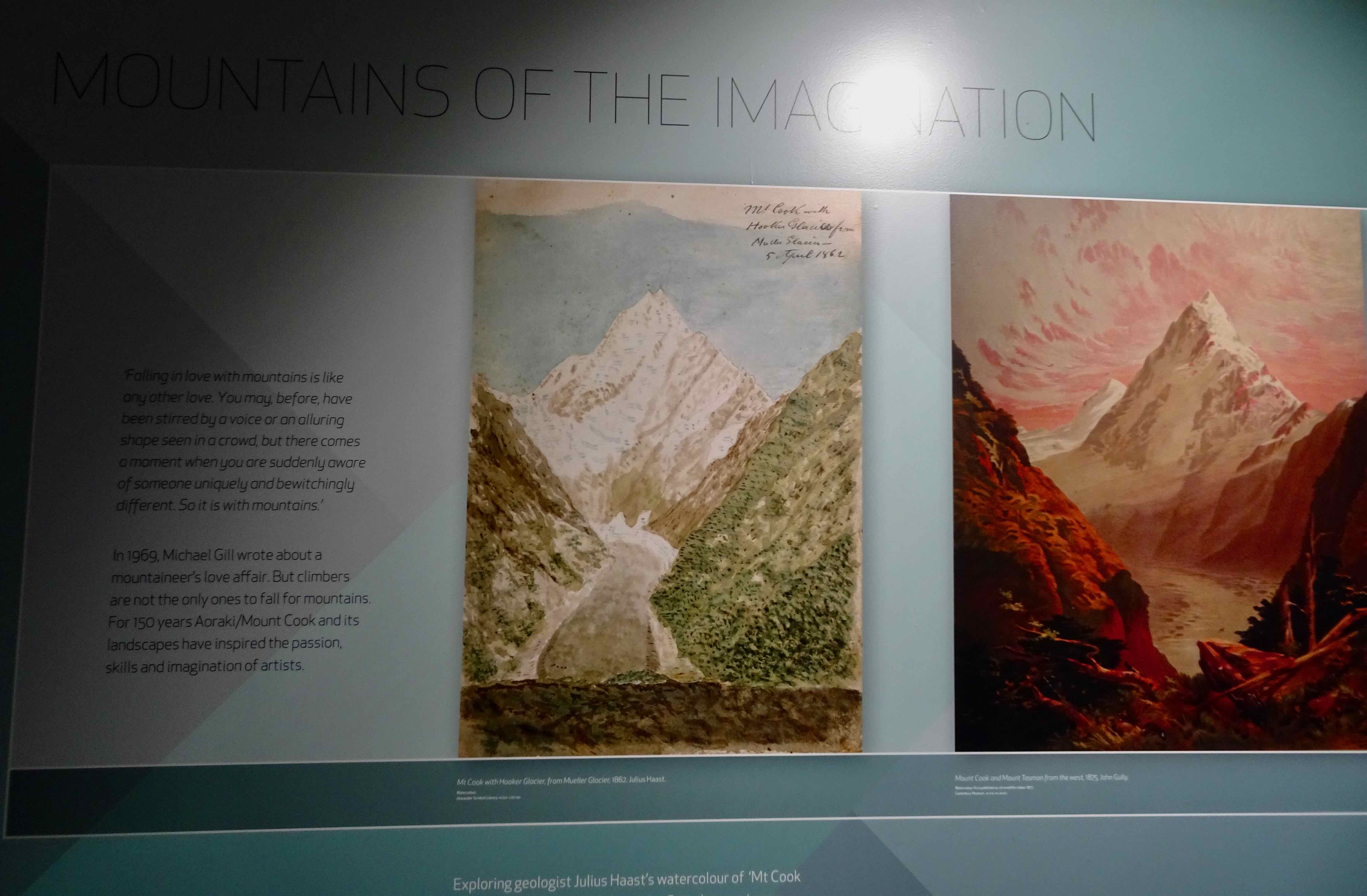
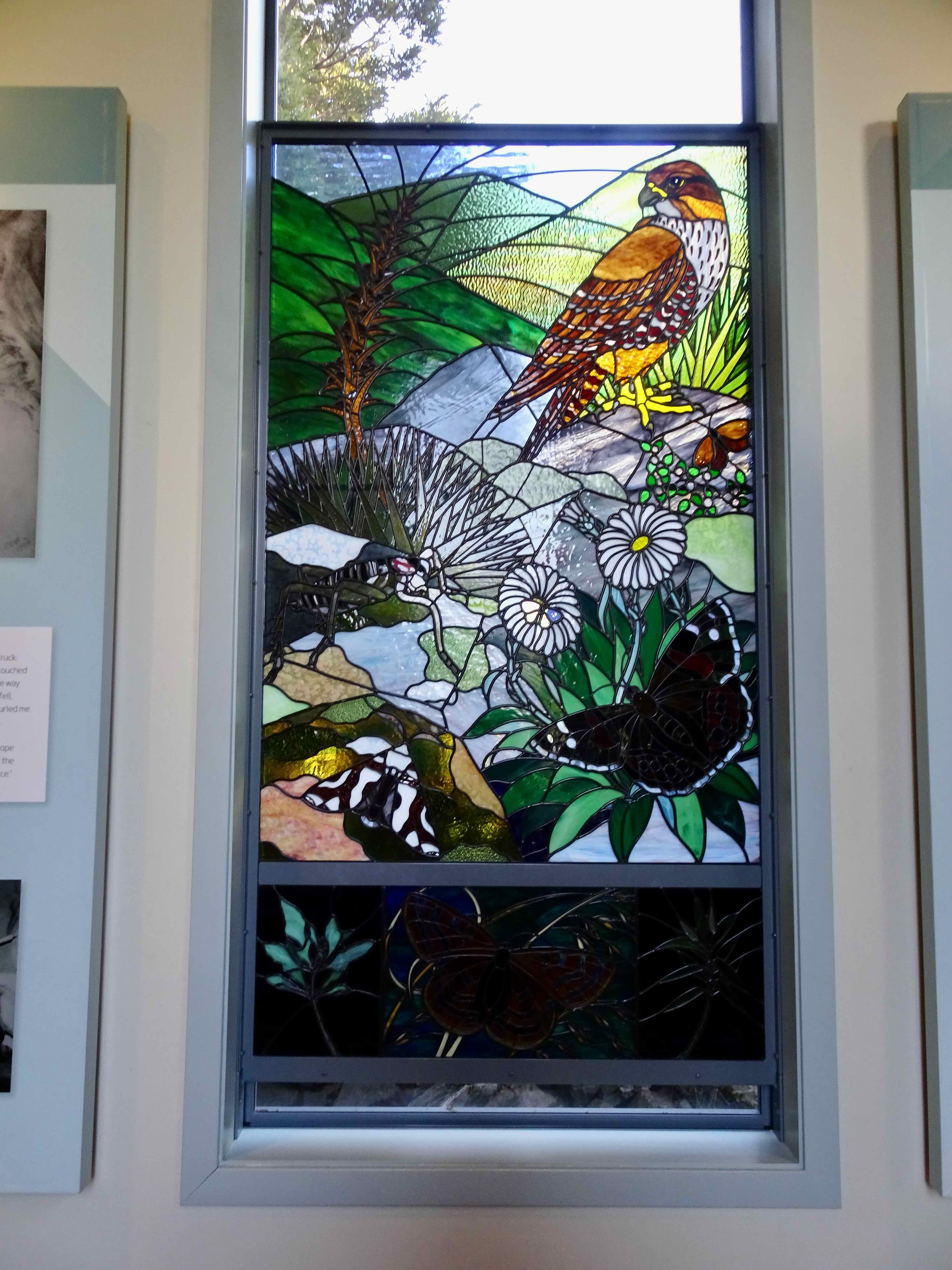
and art related to the mountains:

DSC07372

paintings

DSC07371

windows

DSC07370DSC07387

After one last look at these beautiful mountains we began the drive back to Christchurch.

DSC07402

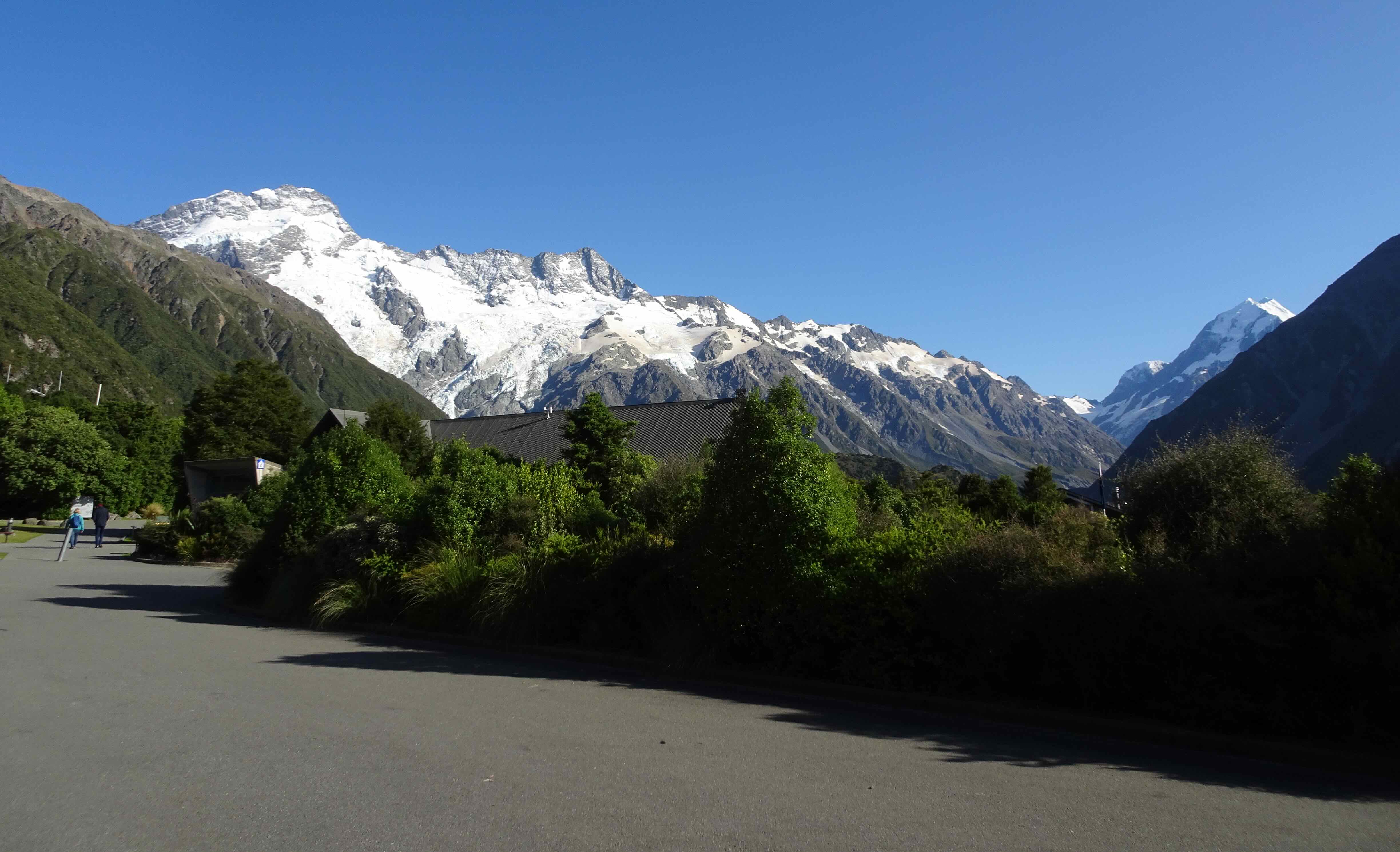
Last look at Mt Sefton and Aoraki/Mt Cook from the parking area.

Screenshot

Our route to Christchurch.

DSC02324

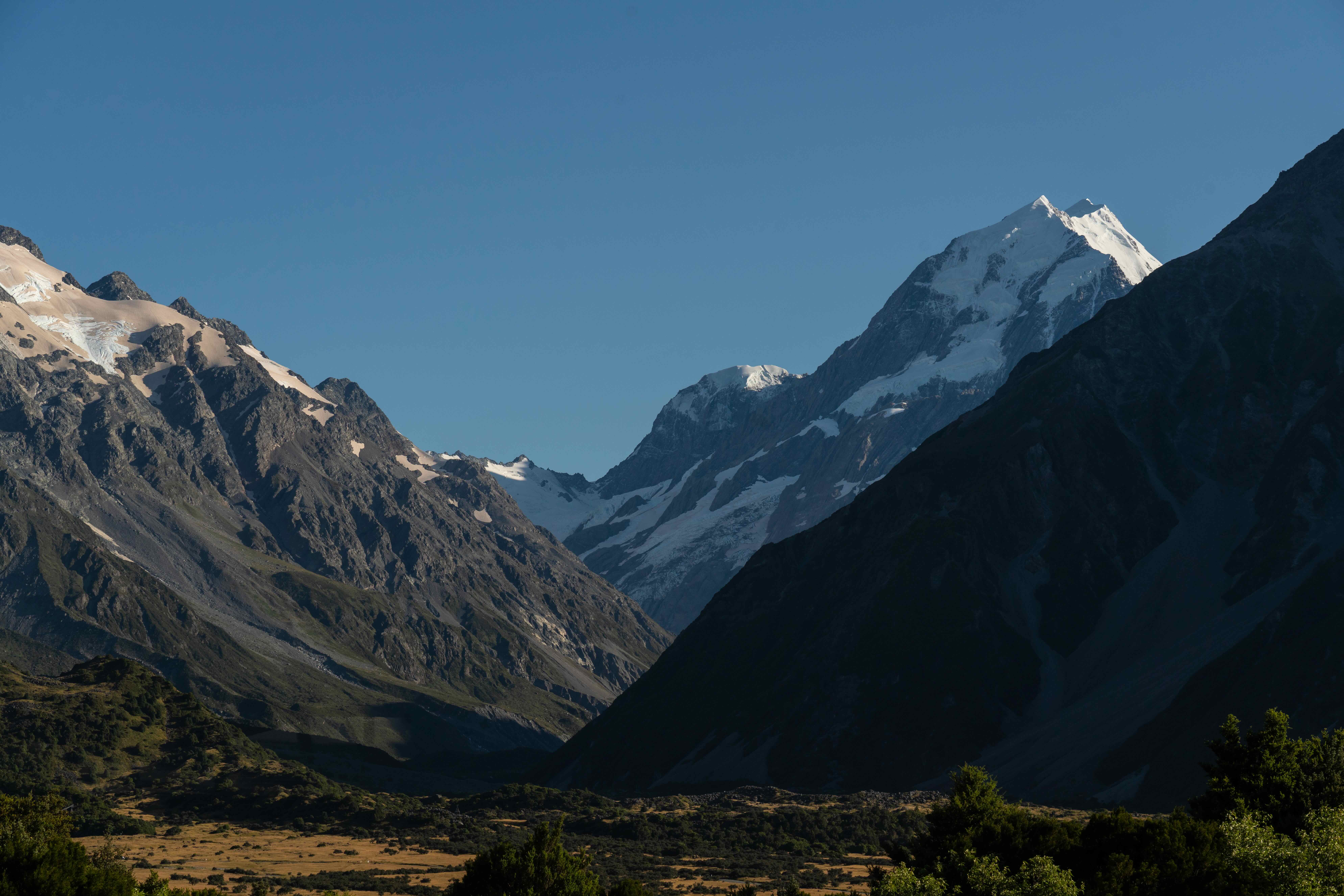
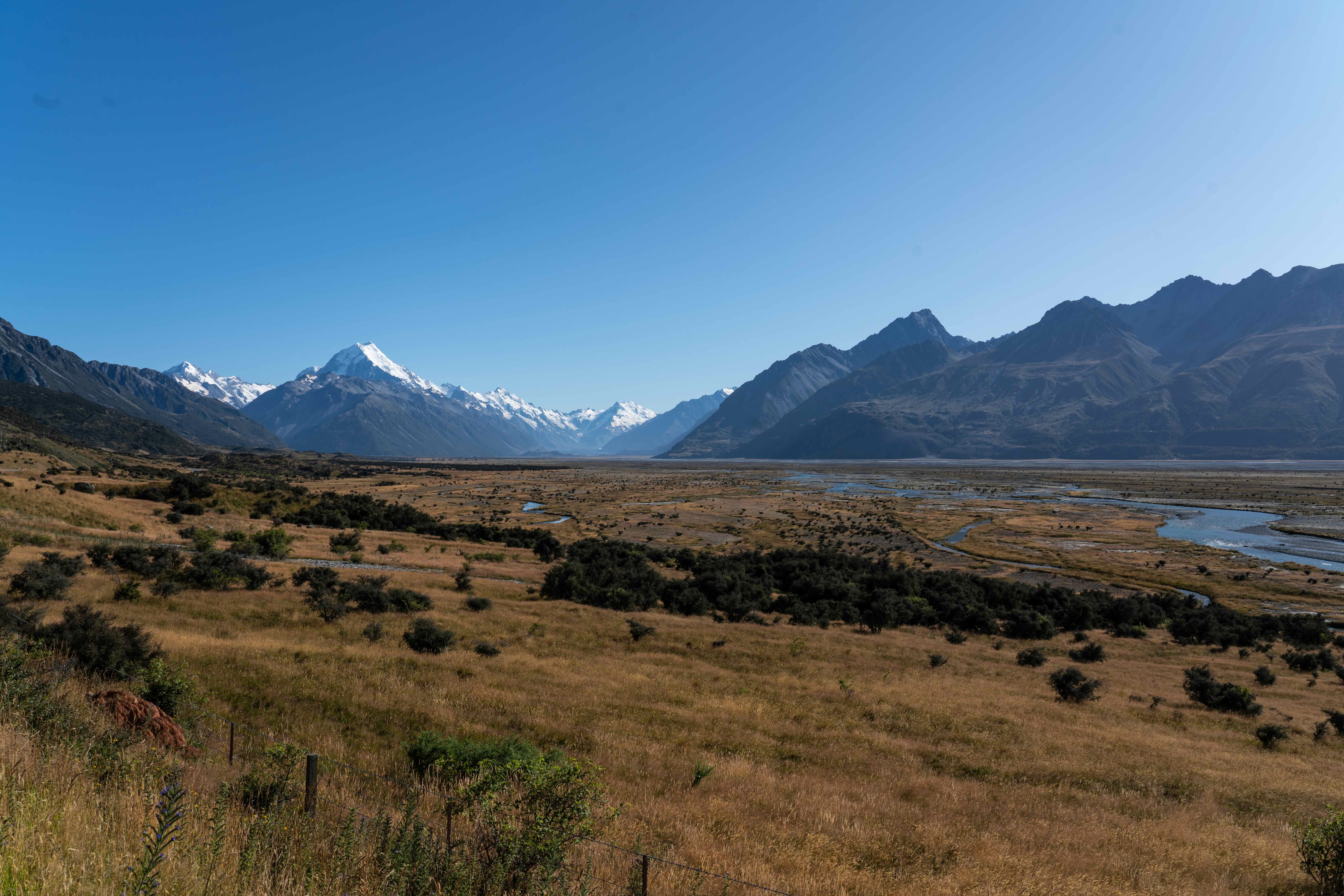
Clear view back up Hooker Valley

Photo stop:  The Southern Alps rose clear and shining in the cloudless sky above the stunning aqua blue waters of Lake Pukaki.

DSC07414

Lake Pukaki, Southern Alps

DSC02331

Zoom in on Aoraki

I continued to watch the mountains out the bus window:

DSC07425

Southern Alps still in view

DSC07429

View across Lake Tekapo, with the white peak of Aoraki still visible above the mountains on the left.

DSC07430

Golden grasslands and lower mountains as we continued eastward.

After lunch in Geraldine, we continued east, sharing last stories with our guide, as he gave us tips about some locations we might visit during our next two weeks.

DSC07432

Vintage car in Geraldine

DSC07434

Crossing the wide braid plain of the Rakaia River as we approached Christchurch

DSC07435

Once in Christchurch, we rented a car, checked into our motel, found a laundromat and grocery store, and were ready to continue our adventures. Tomorrow we would explore nearby Akaroa Harbour.

Screenshot

Meanwhile, notifications on my cell phone pull me back into news of the day…

NZ2020: Day 15, Aoraki/Mt Cook National Park

February 8, 2020

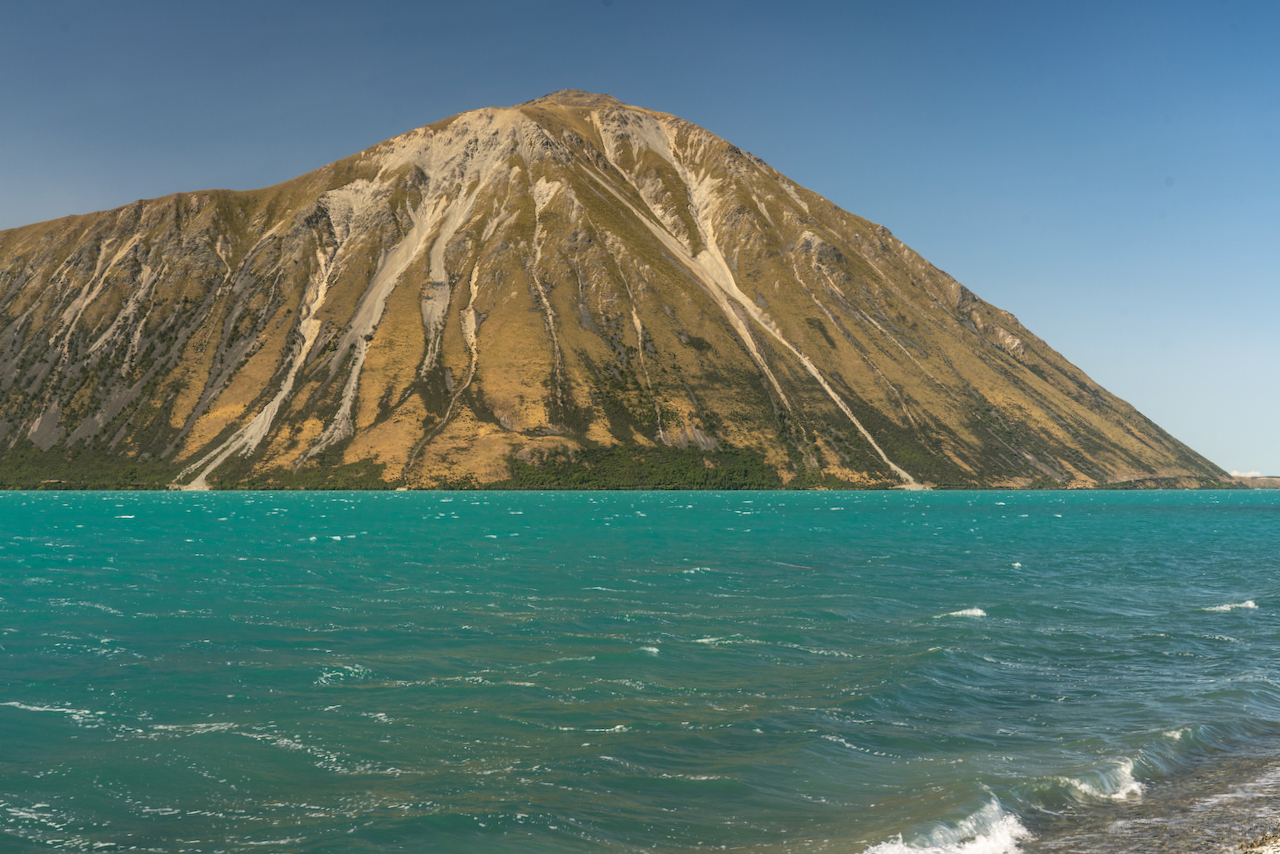
After the beautiful evening views at Lake Ohau, clouds were hiding Aoraki/Mt Cook this morning. The wind was up, and Lake Ohau was a steel gray. We drove back around Ben Ohau and its landslip-streaked mountain face. Slight rain was in the forecast, but we pressed on to Aoraki/Mt Cook National Park.

DSC07183

Lake Ohau in the morning

Image 1-27-22 at 3.27 PM

Our driving route to Aoraki/Mt Cook National Park

The road follows the shores of Lake Pukaki, up the Hooker Valley toward Aoraki/Mt Cook. We will hike the Sealy Tarns/ Mueller Hut Track, and stay the night at the Mt Cook Chalets.

DSC07223

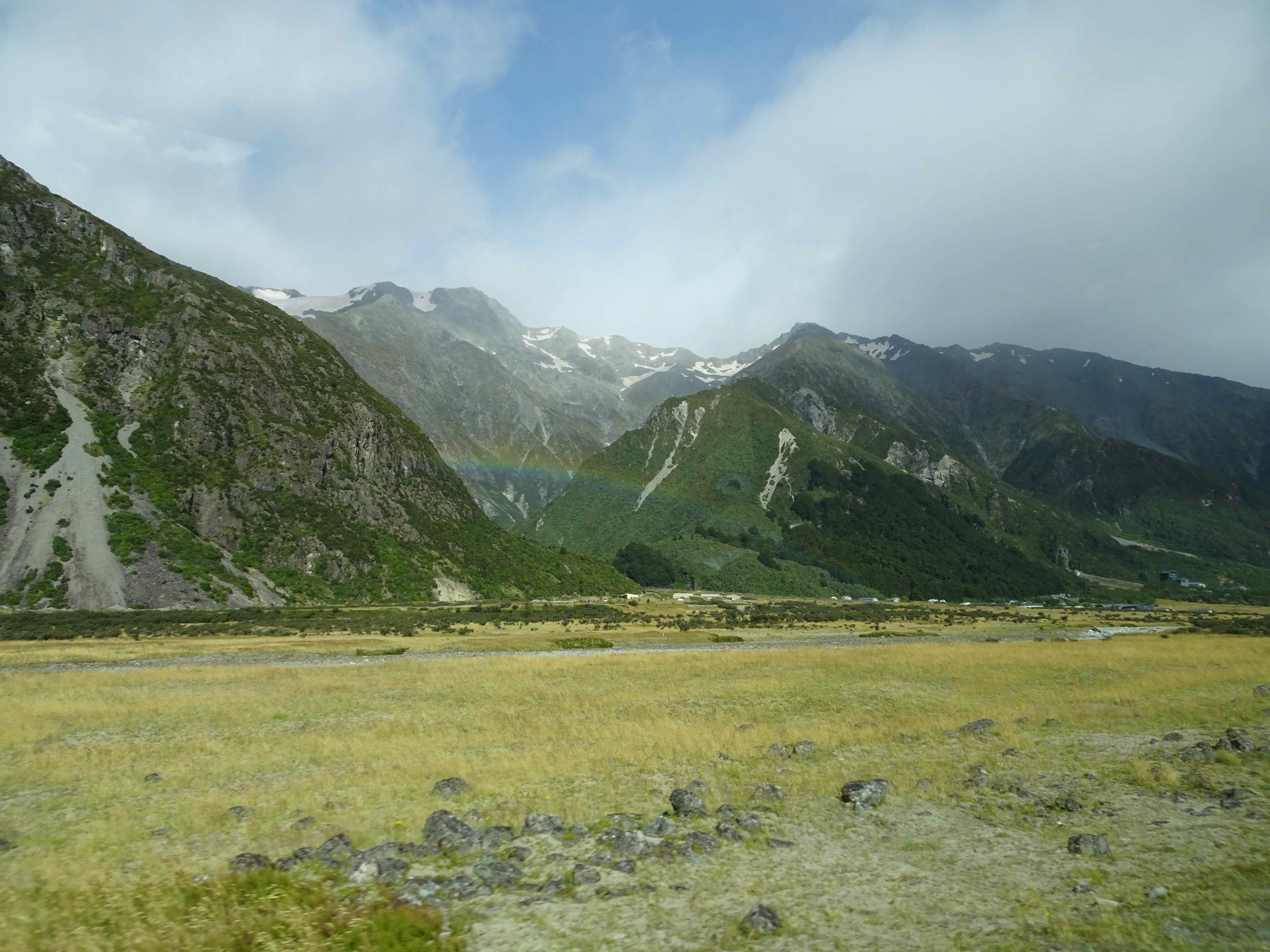
A rainbow in Hooker Valley, as we approach Aoraki/Mt Cook Village

DSC07230

Trail map showing our location in orange.

Sealy Tarns Track / Mueller Hut Route

This trail is famous for having about 2000 stair steps up to the tarns. It is one of the hardest I have done, but somehow I keep my legs going up. I count steps in sets, counting up to one fewer number each time (20-19-18-17…), with planned breathing/rest stops between sets. There should be 210 steps per set, 10 sets in all…some of the steps are almost ladders. There are clouds blocking some of our views and spitting rain; cold wind, then warming sun.

DSC02054

Trail stairs

DSC07241

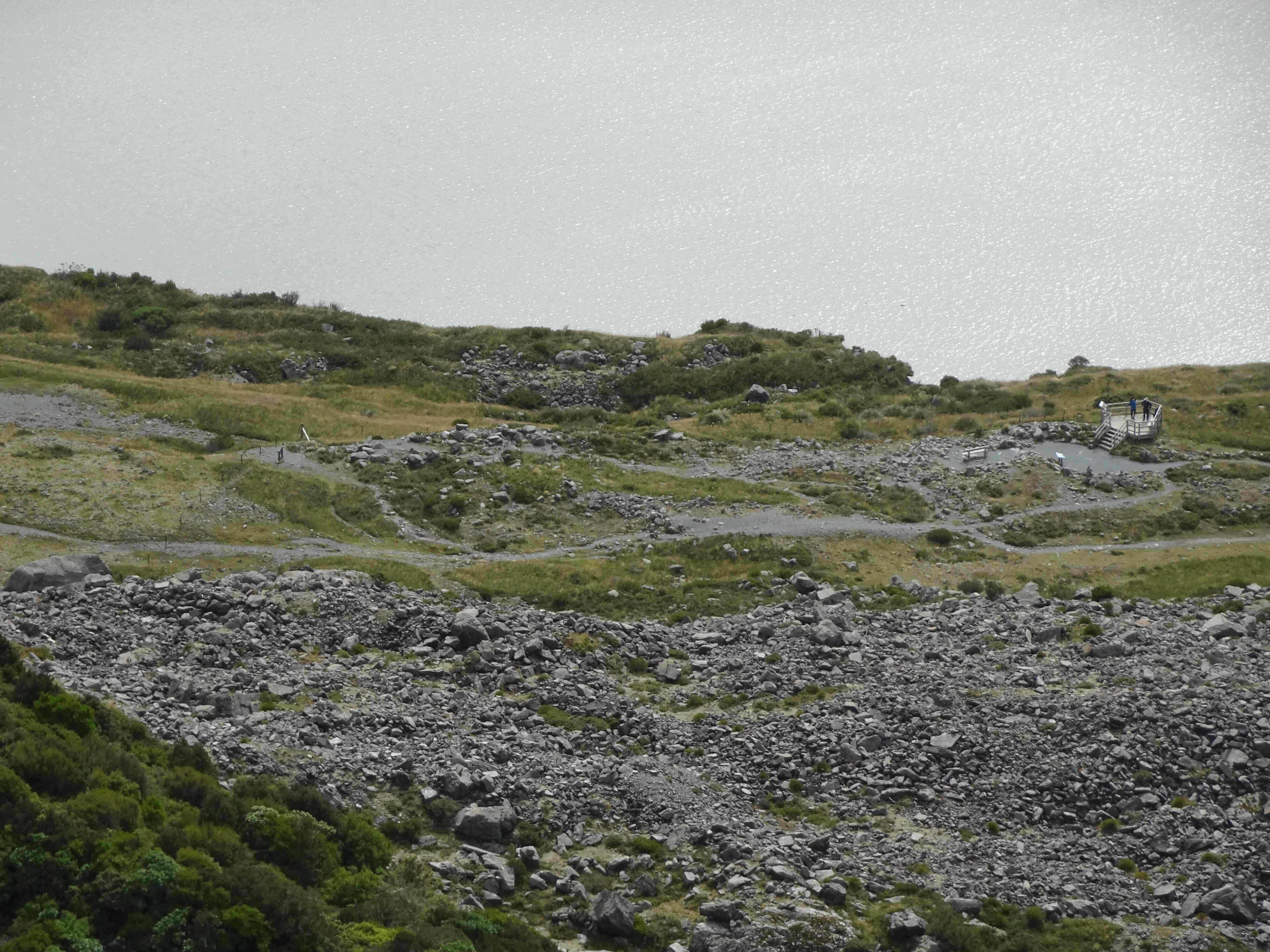
Looking down at the Kea Point Lookout on Lake Mueller (circled in blue). Beyond Lake Mueller is a huge moraine, then Hooker Lake.

DSC07245

Kea Point Lookout on Lake Mueller.

DSC07250

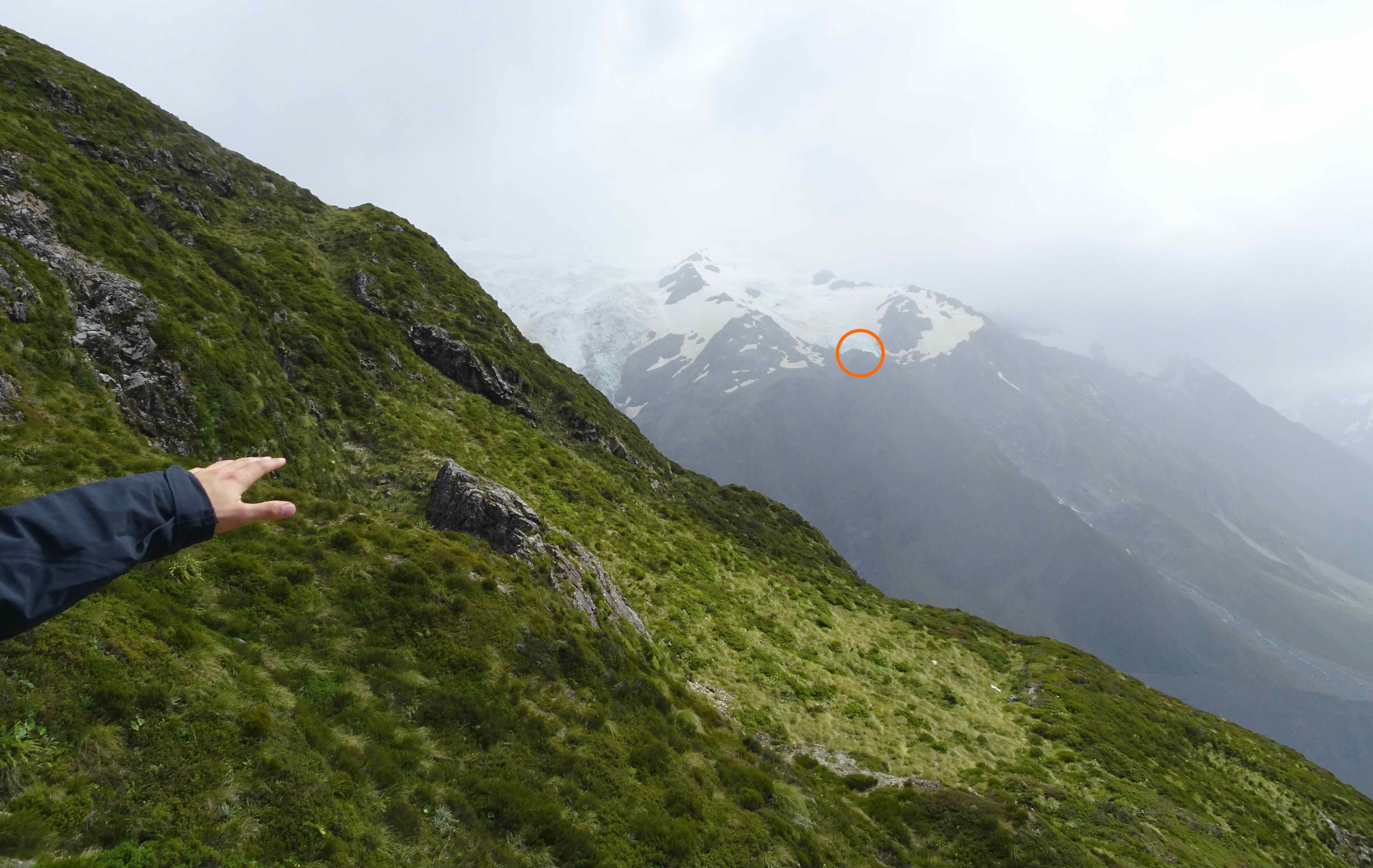
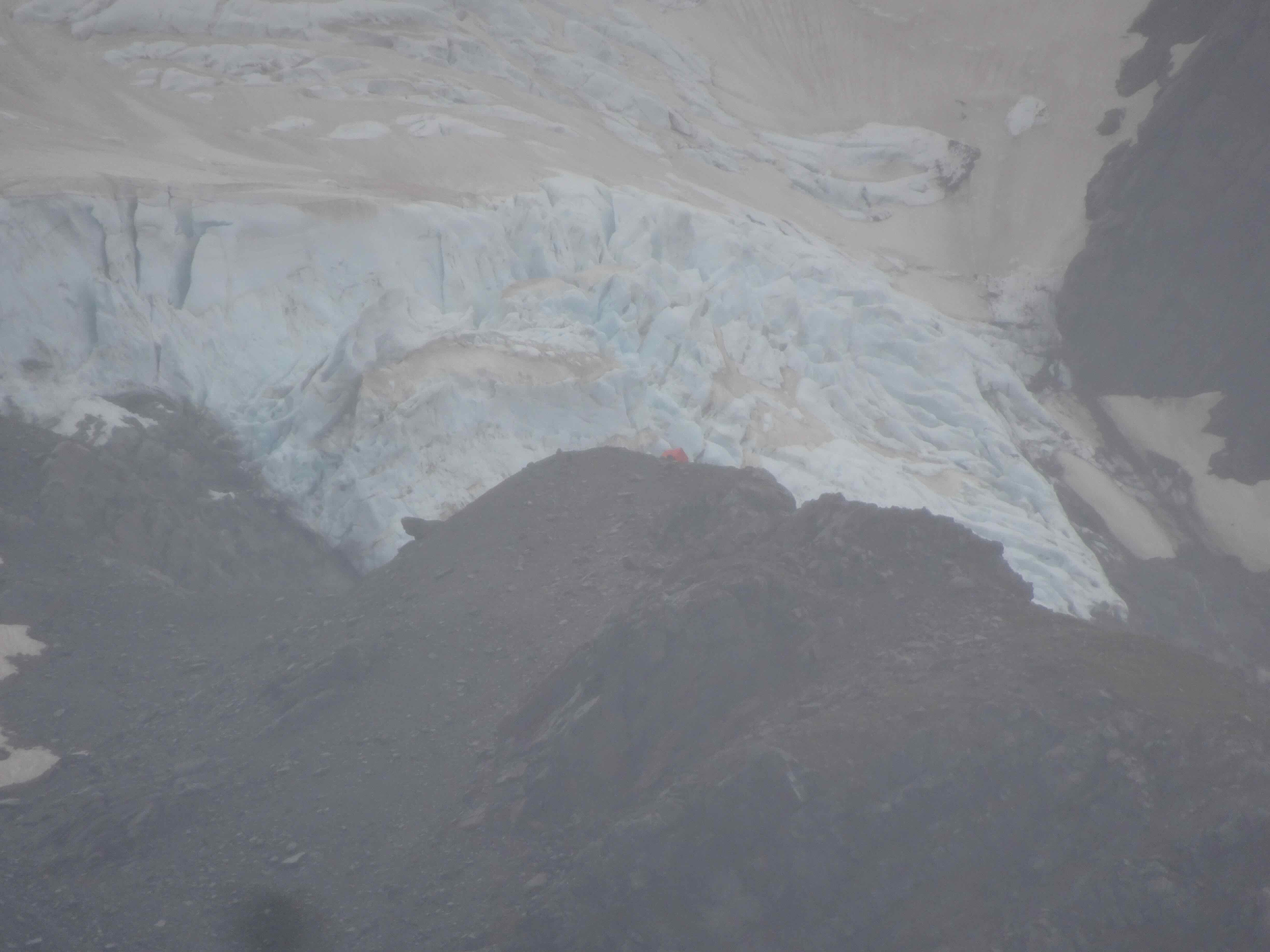
Looking toward the camp on Mt Sefton, circled in orange.

DSC07251

Zooming in on a tent at the foot of the glacier on Mt Sefton.

DSC07252

Looking back down Hooker Valley to where we started the hike.

When we arrive at the tarns, I feel surprisingly strong. We eat lunch at the picnic tables, take some pictures of glaciers, then decide to go higher.

DSC07260

Sealy Tarns

DSC07266

Glacier on Mt Sefton

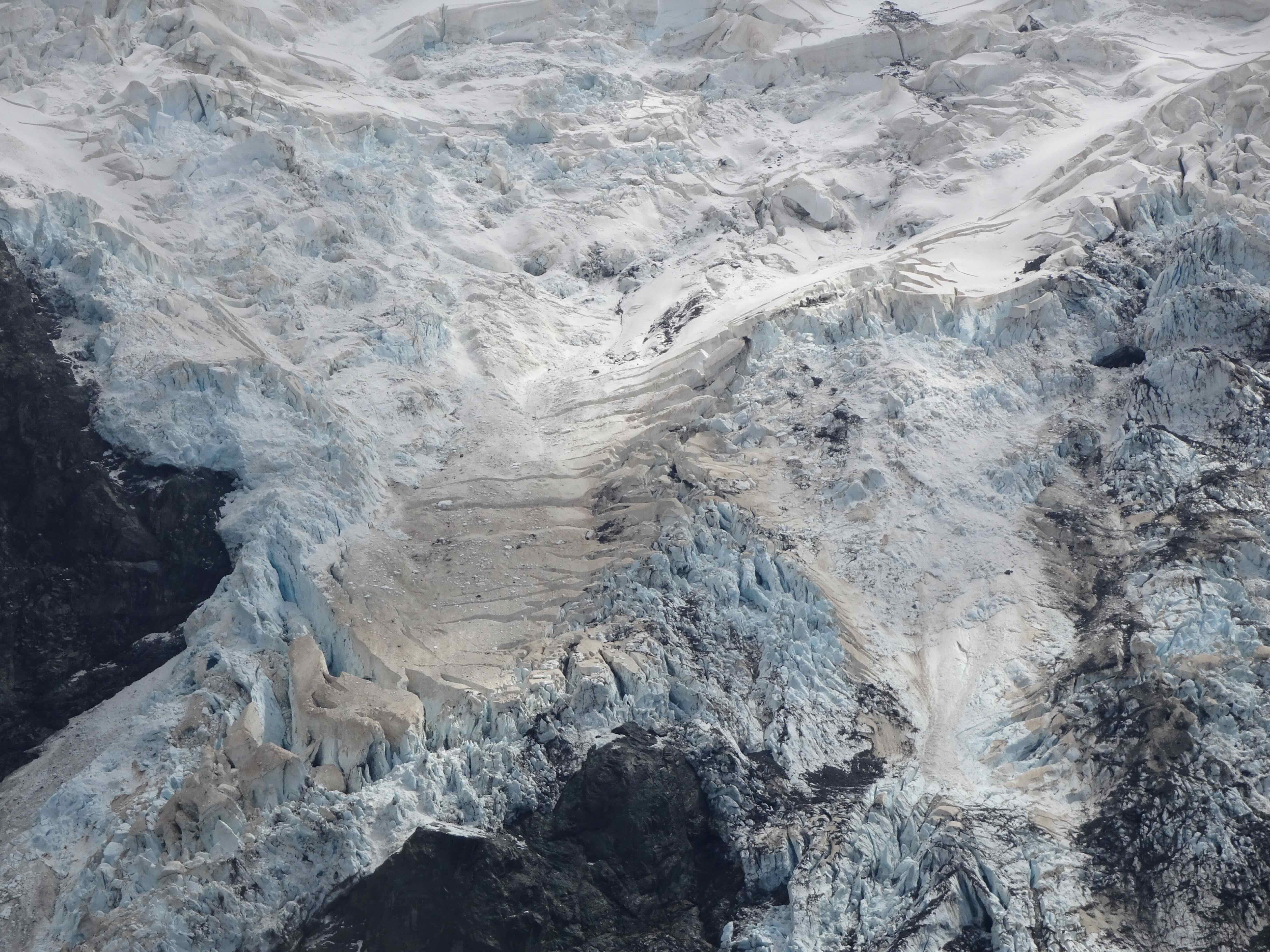
DSC07263

crevasses

DSC07264

wildfire dust?

DSC07265

DSC07268

rockfall

DSC07270

The Mueller Route, going up beyond the tarns.

Above the tarns the track is rougher, a bit cliffy. I miss the stair steps here! We continue up the rocky, “choose your own adventure”, anastomosing trails, until I decide I can go up no more. We take in the view, eat a snack, then go down.

DSC07296

From our high point we had a good view of Hooker Lake, the terminus of Hooker Glacier, and Aoraki/Mt Cook, still in the clouds.

DSC07302

Closer look at Hooker Lake, and the Hooker Valley Trail

DSC07286

Ice bergs in Hooker Lake.

DSC07297

Looking south down the Hooker valley from our high point.

We saw a few flowers and some interesting flora along the trail.

We returned back down the 2000 murderous steps, knees and legs a little wobbly. On the way down, we stopped often to admire the views of the glaciers, lakes, moraines, and the unveiling summit plateau of Aoraki/Mt Cook.

DSC07322

Down the steps…

DSC07325

Another view of the terminus of Hooker Glacier

DSC07336

Close up of Hooker Glacier

DSC07327

The peak of Aoraki/Mt Cook, coming out of the clouds!

DSC07345

Closer views…

DSC07332

The curved southern edge

DSC07331

Northern slopes

DSC07328

So beautiful!

DSC02264

Aoraki/Mt Cook, completely unveiled by the time we reached the bottom of the trail!

DSC07352

and Mt Sefton, too!

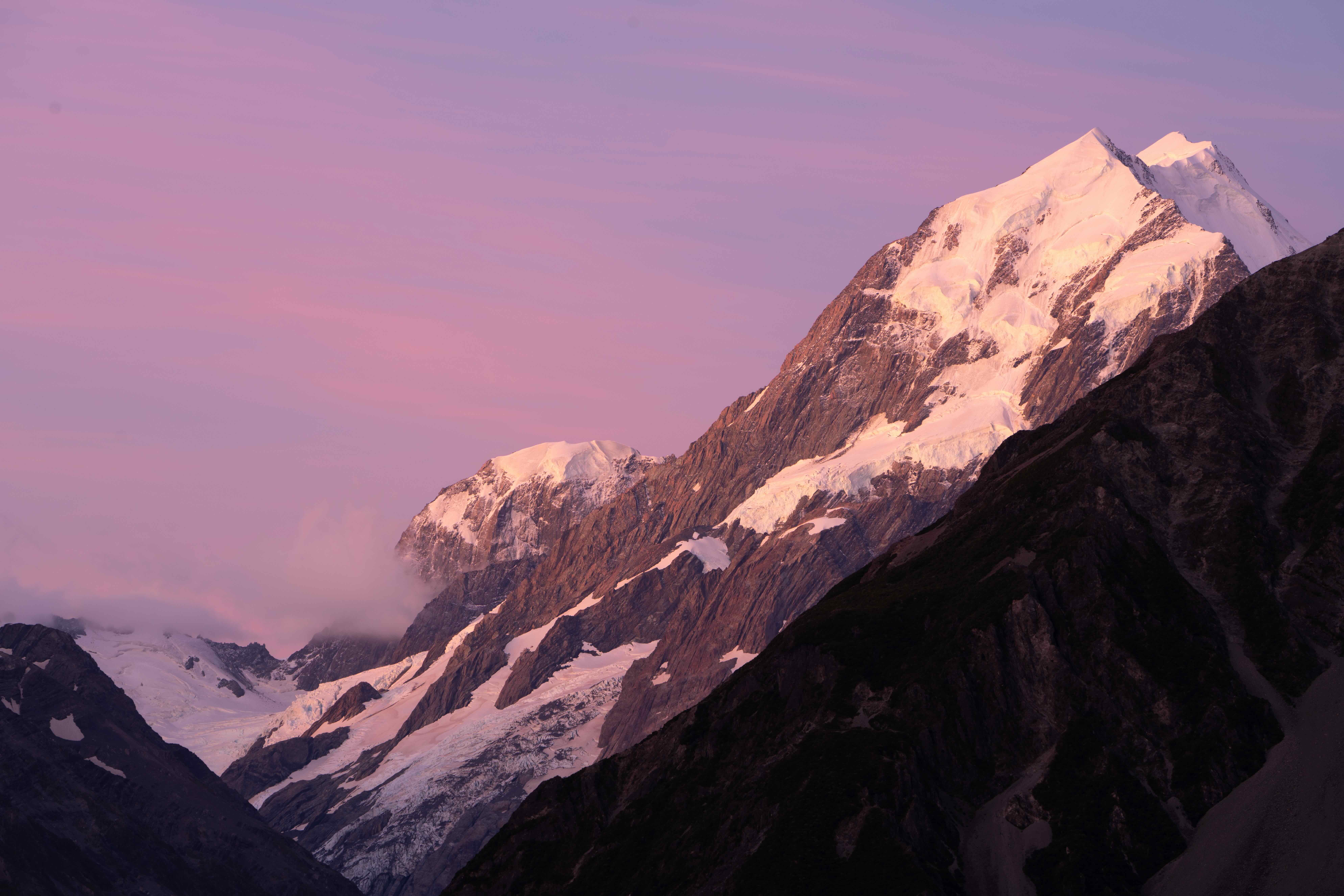
We make our way back to the bus, and check into our room at the Mt Cook Chalets, having hiked about 6.5 miles and 2800 feet. But we are not done with the mountain yet! After dinner in the cafe, we relax in the lounge, where we can see the triple triangle face of Aoraki/Mt Cook glowing bright white, then pink with alpenglow, in the pinky blue cloud streaked sky. Phenomenal!

DSC07353

Lounge with a view…

DSC07357

Mt Sefton, Aoraki/Mt Cook

DSC07359

Aoraki/Mt Cook

DSC02304

Tomorrow we are going back to Christchurch – our last guided tour day. The next two weeks in New Zealand will be on our own – with many more adventures that I am excited to be reliving with these blog posts!

NZ2020: Day 14, To Lake Ohau

February 7, 2020

Today began with an easier hike (than yesterday) near Queenstown, then we drove north to the vicinity of Aoraki/Mt Cook.

Screen Shot 2021-11-20 at 5.36.57 PM

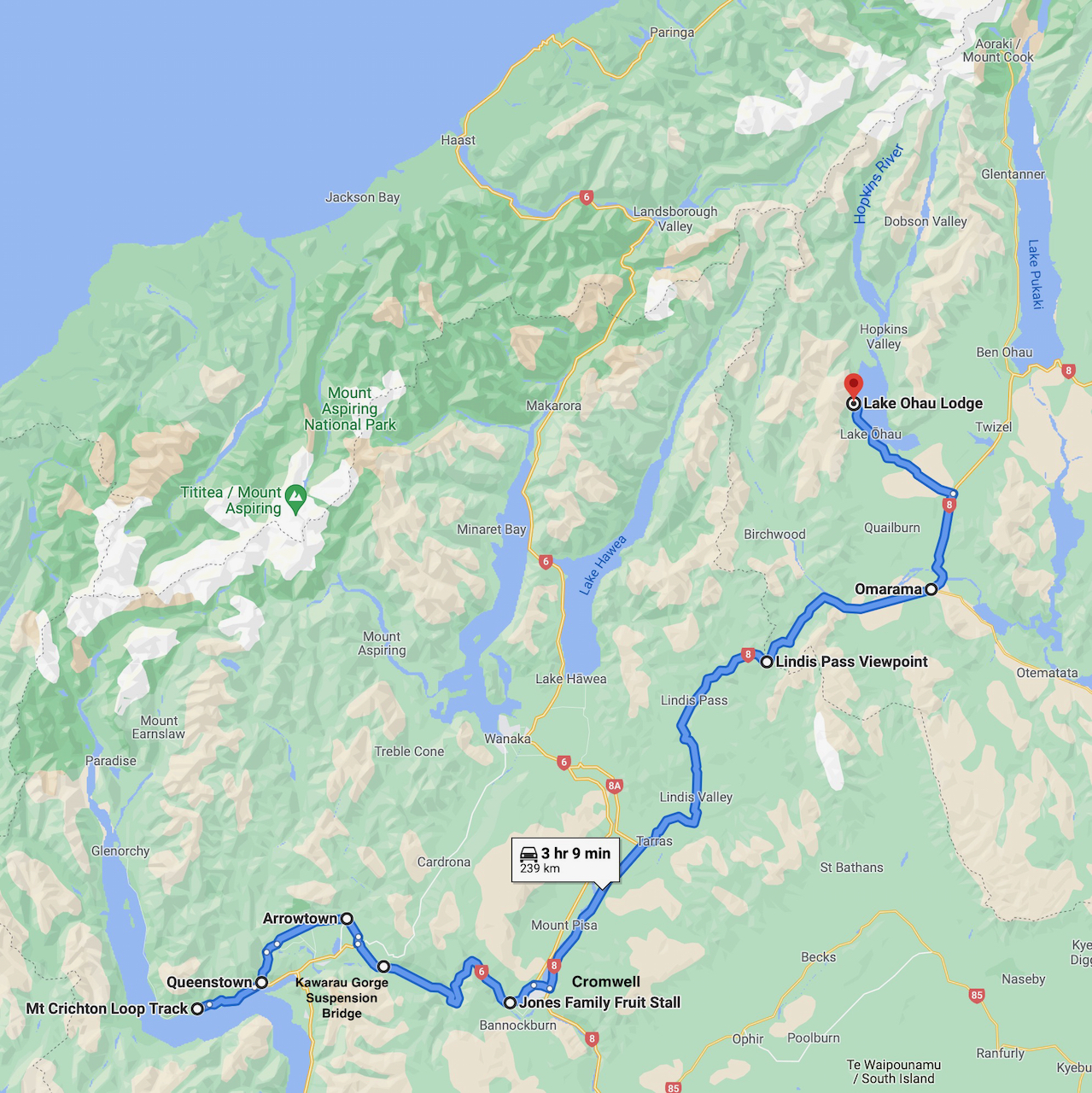
Driving route to Lake Ohau

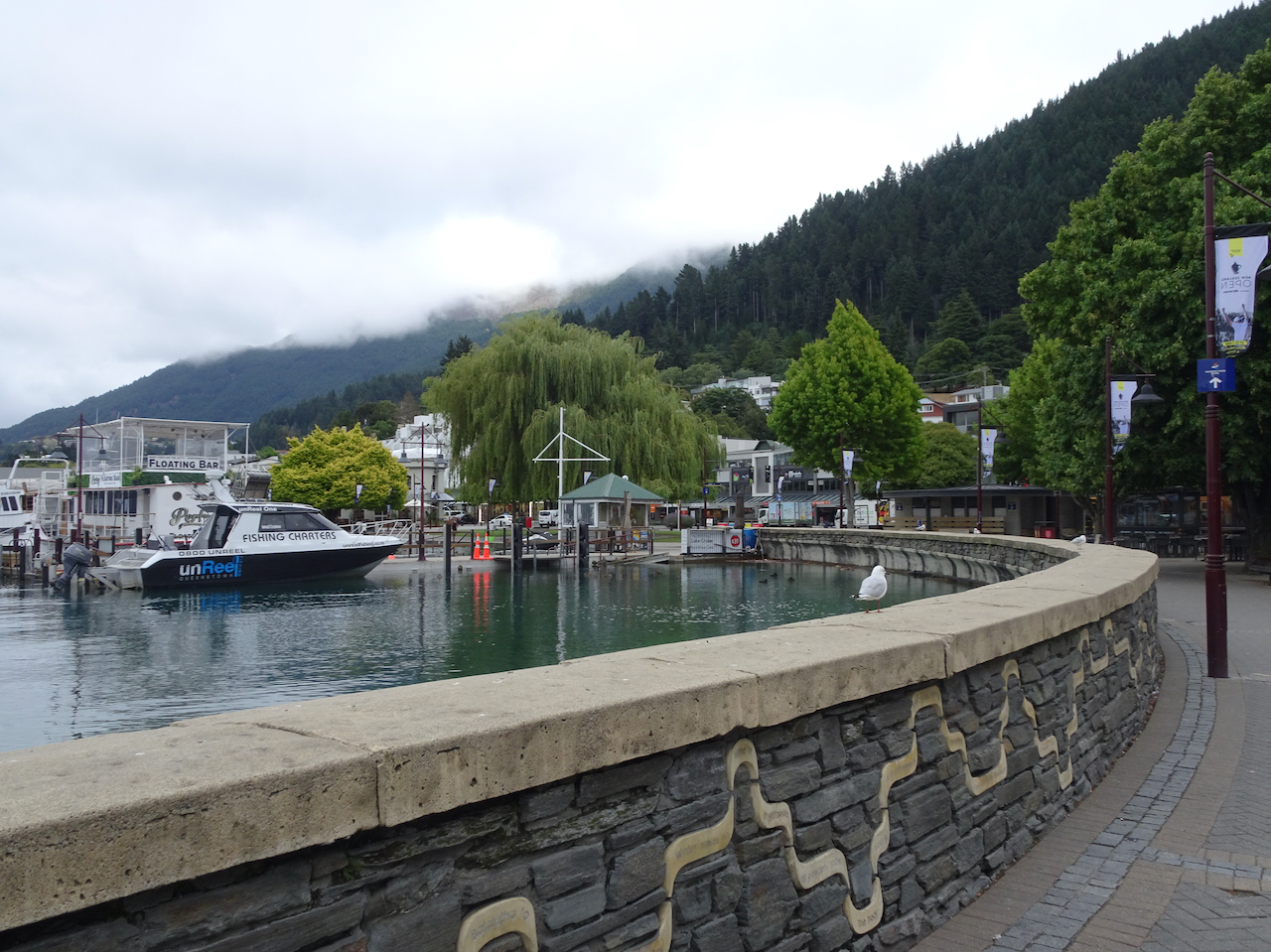
Queenstown: After breakfast at a local cafe, we took a last walk through Queenstown and along the Lake Wakatipu waterfront.

DSC07047

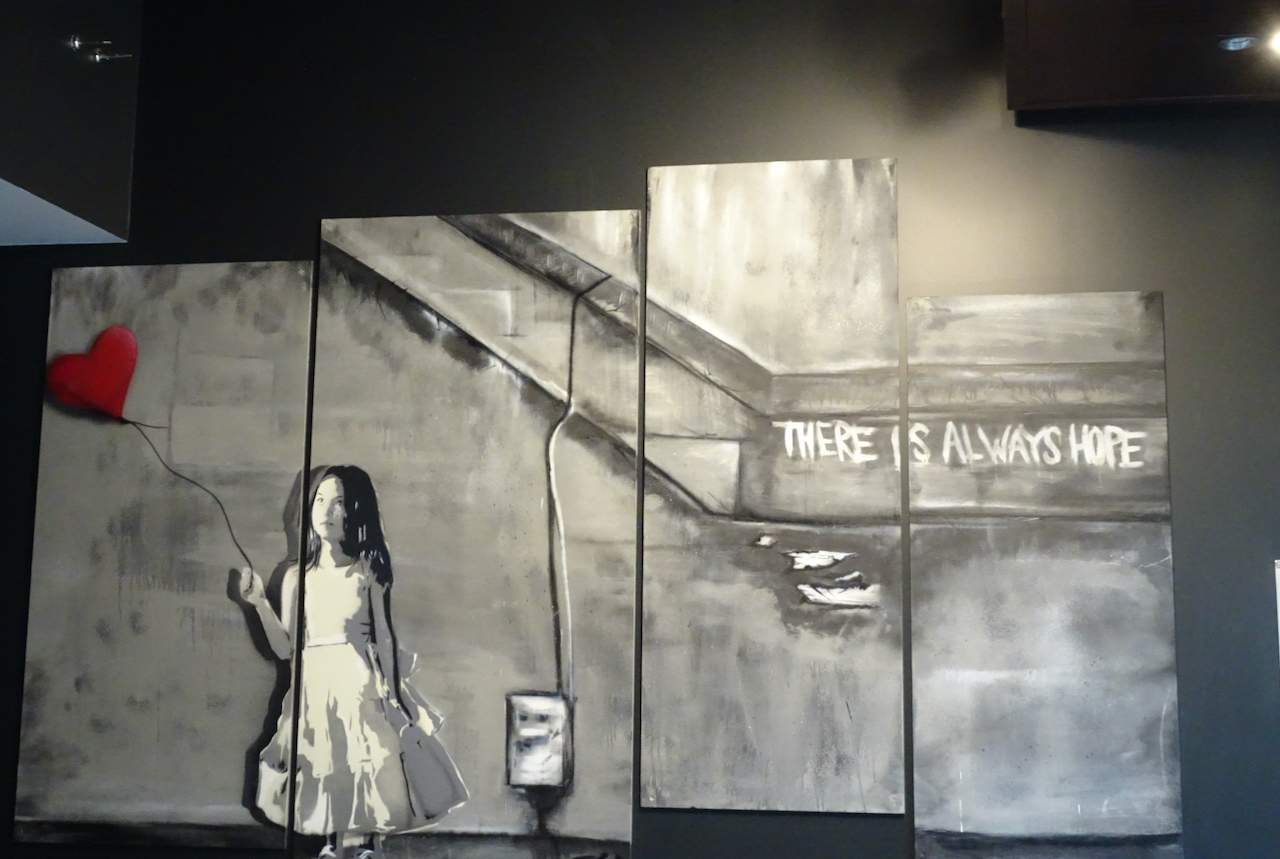
Wall art in our breakfast cafe

DSC07049

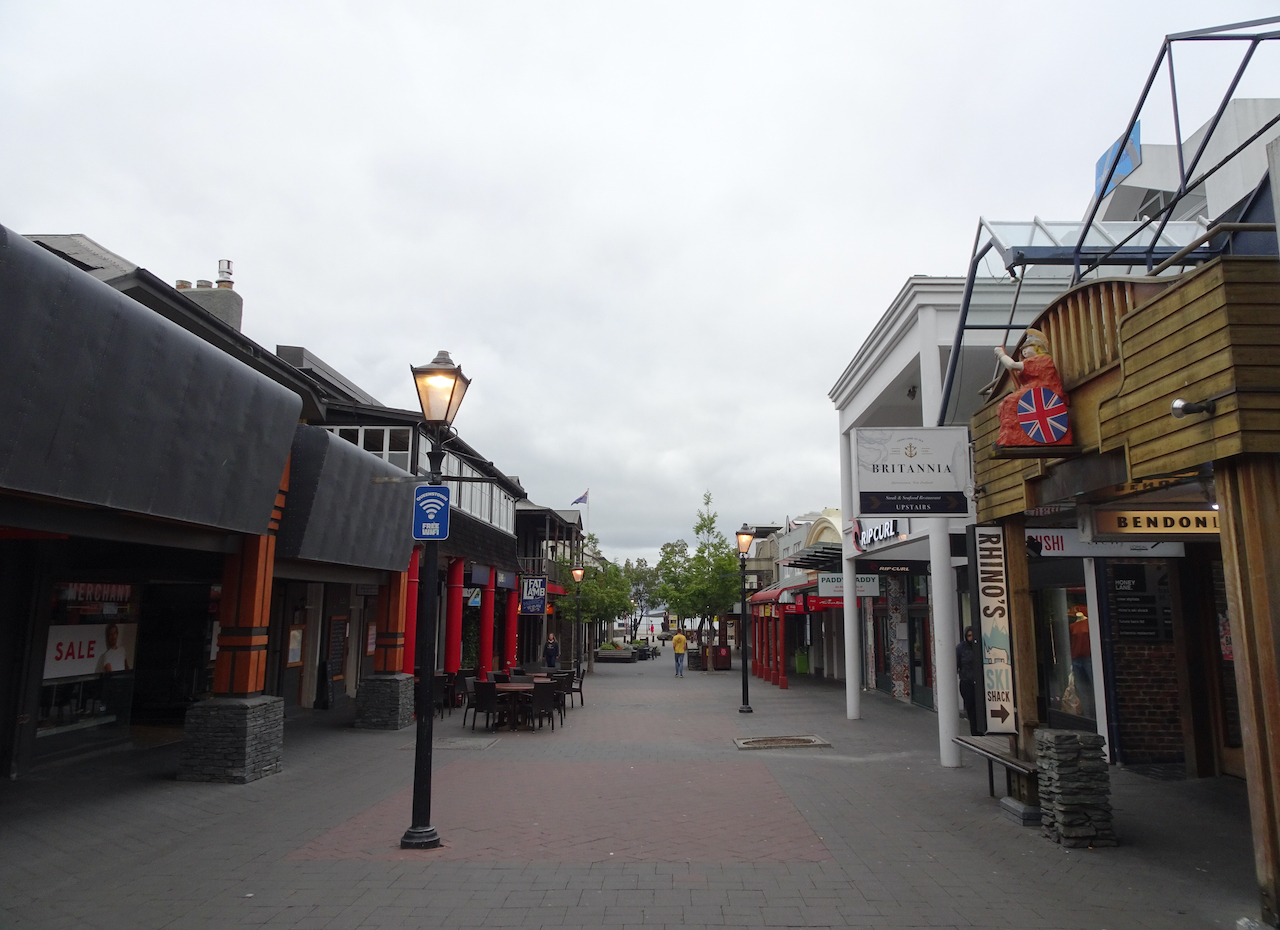
Quiet morning in Queenstown

DSC07050

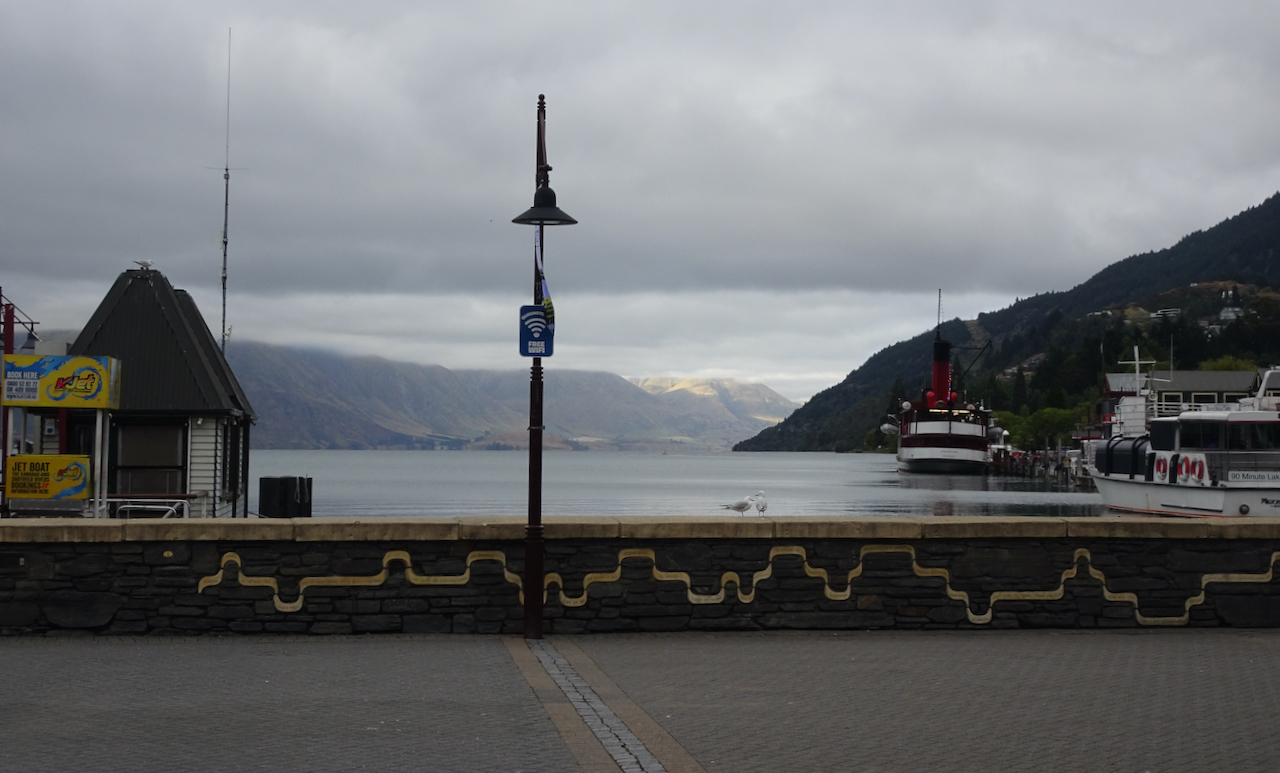
Queenstown waterfront

DSC07052

Sam Summers’ Hut Hike – 5.4 miles, 800 feet

Then we drove west along the shores of Lake Wakatipu to the Mt Crichton Loop Track trailhead.

DSC07122

Trailhead map – our trail circled in light blue

DSC07063

Dipping schist along the trail

DSC07064

View back to Lake Wakatipu

DSC07068

Juvenile lancewood, or horoeka

DSC07067

Adult lancewood

DSC07075

A bog near our turnaround junction

DSC07080

Small lake

DSC07086

Lake Dispute, Lake Wakatipu

DSC07097

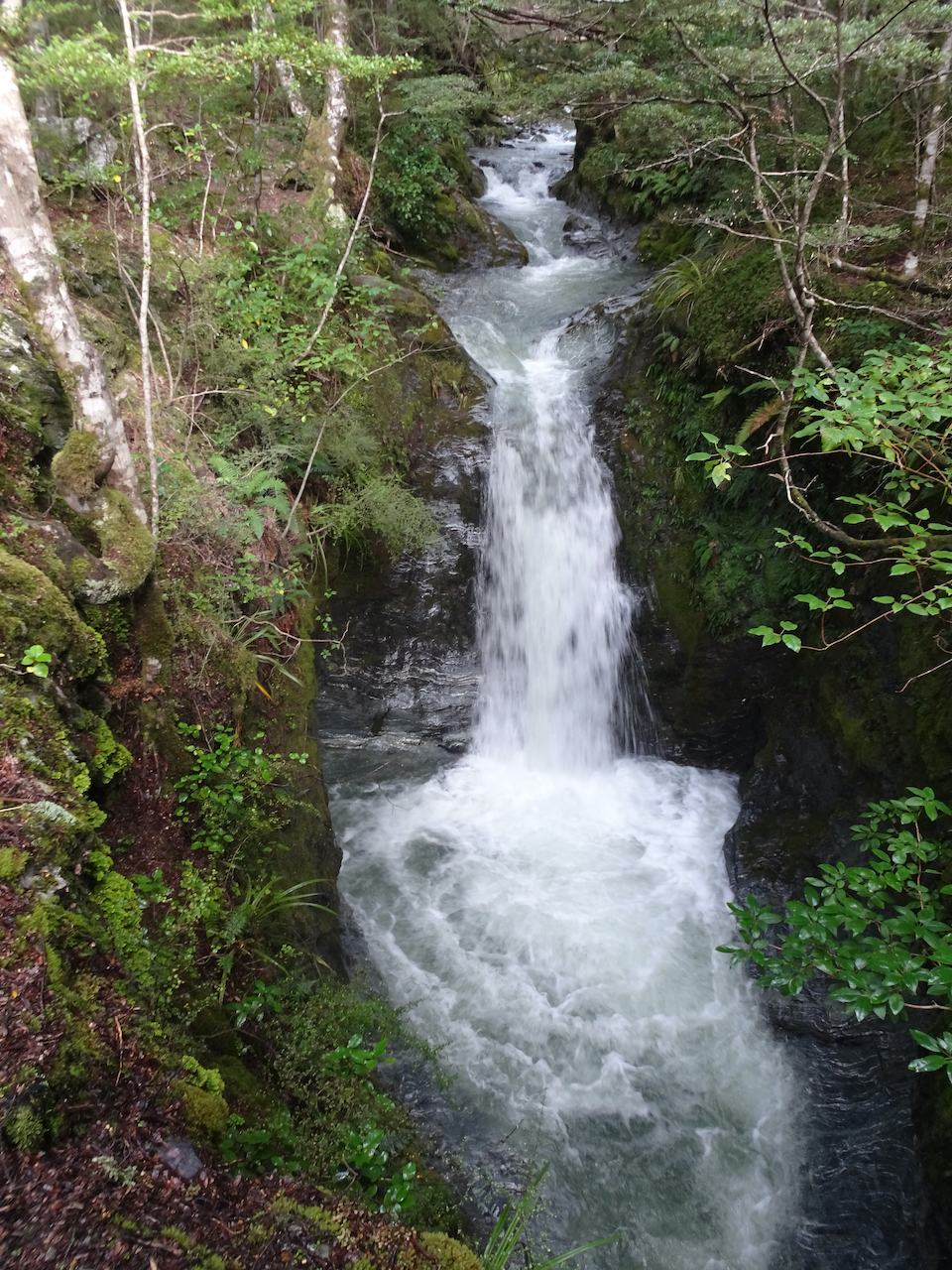
Waterfall on Twelve Mile Creek

DSC07095

Quartz layers in the rocks behind the waterfall

DSC07098

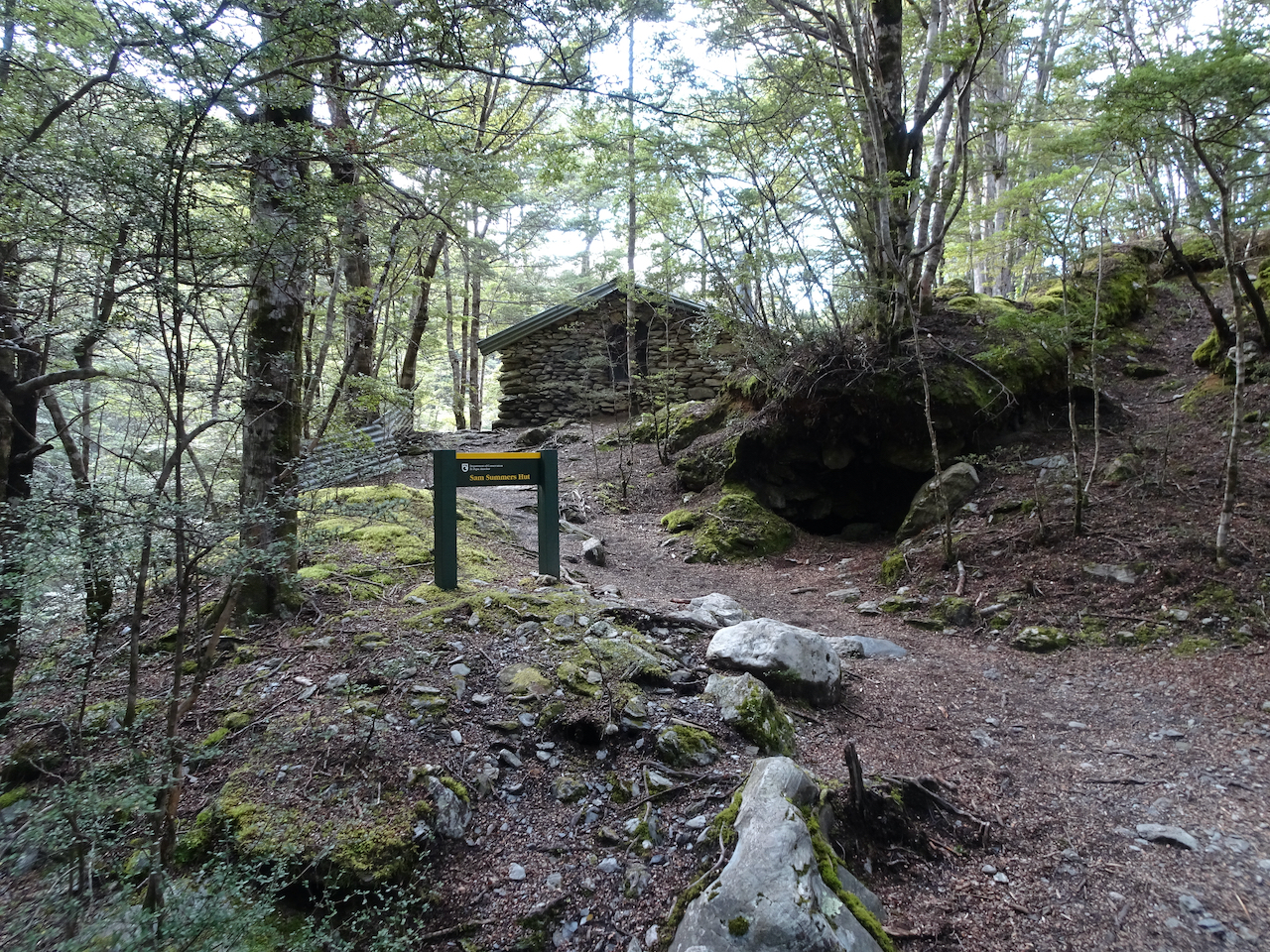
Sam Summers’ Hut

DSC07099

An old gold mining lodging

DSC07101

Rustic…

DSC07102

The history

DSC07103

Interior…

DSC07108

Meadows and sandstone outcrops on the return hike

DSC07110

DSC07121

Twelve Mile Creek

I enjoyed the hike, and it was good to stretch our legs on an easier trail, after the challenging hike yesterday, and another challenging hike planned for tomorrow.

Arrowtown: Next, we drove back through Queenstown, and on to Arrowtown, where we stopped for a picnic lunch in the park, and a short wander around the western style gold rush town.

DSC07123

Western facades in Arrowtown

DSC07124DSC07125DSC07128Driving north: For the next few hours, we drove north along Hwys 6 and 8, with several short stops, and lots of interesting scenery along the way.

DSC07131

Last glimpse of The Remarkables as we leave Arrowtown

DSC07135

Kawarau Gorge Suspension Bridge

DSC07139

Wine country near Gibbston

DSC07140

DSC07141

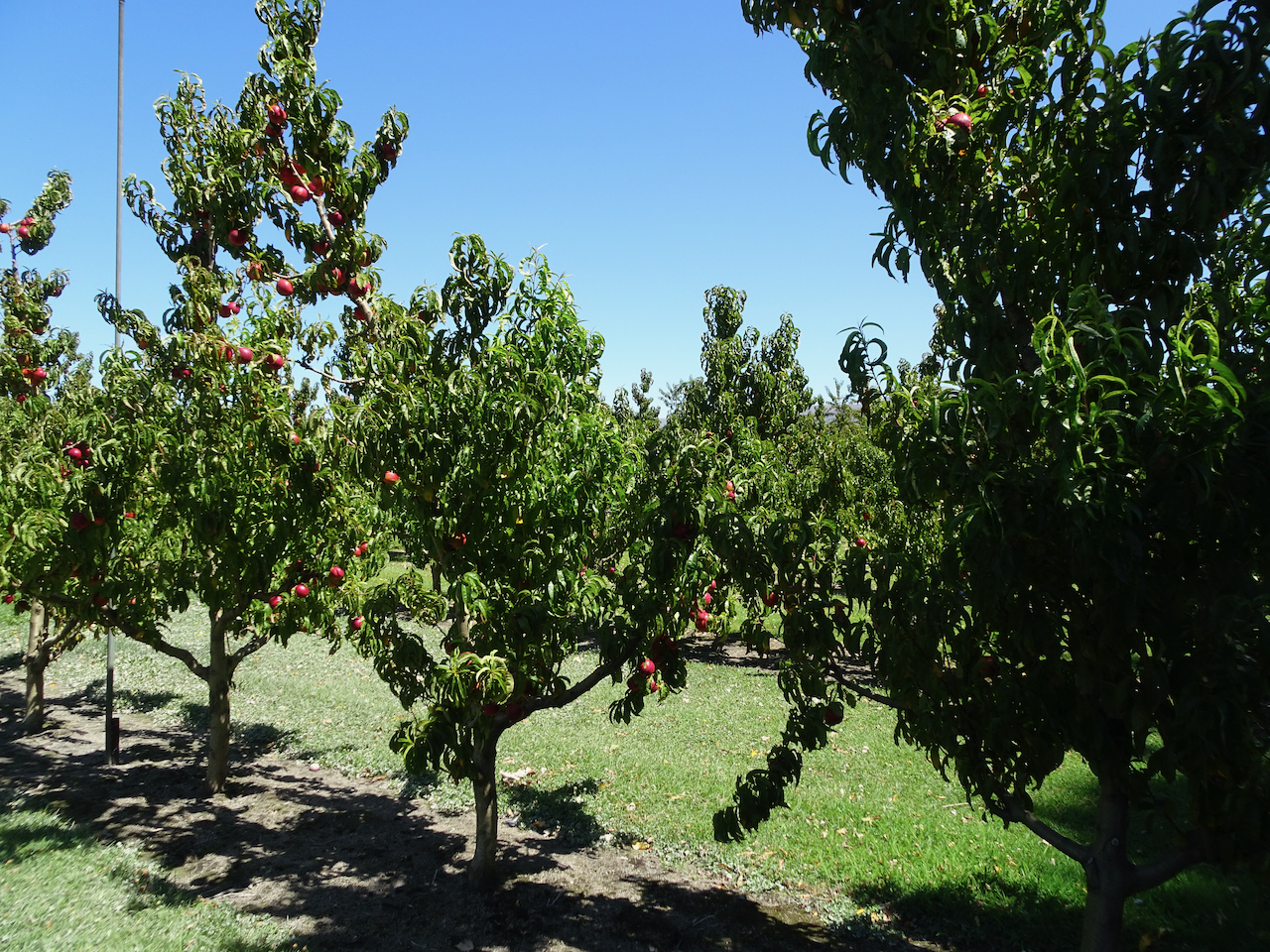
We stopped at a fruit stand near Cromwell, with orchards of ripe nectarines (southern summer!), and delicious homemade ice cream.

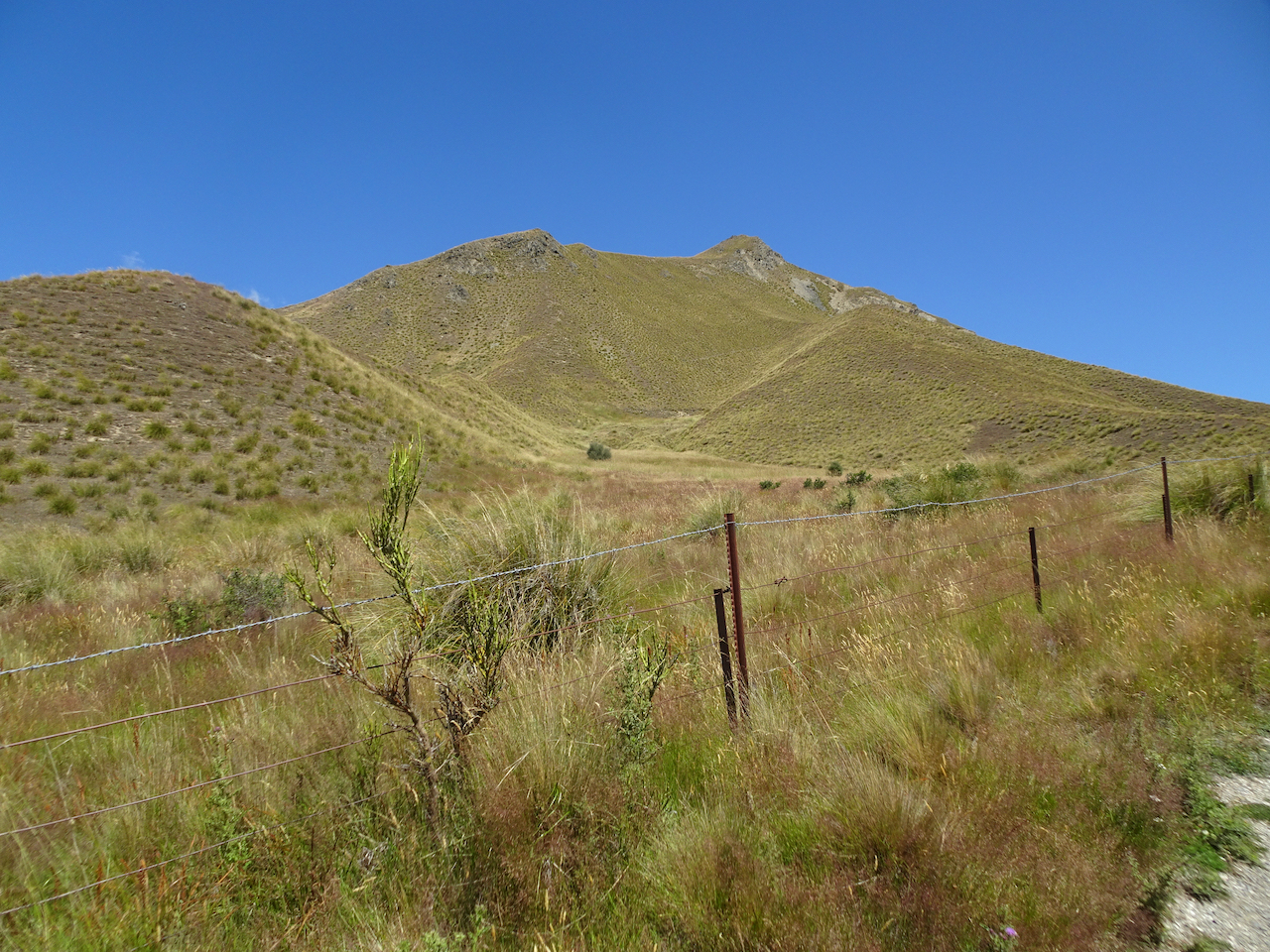
At Lindis Pass, over 3000 feet in elevation, we walked up to a viewpoint over the dry tussock landscape. The golden rolling hills reminded me of the high deserts of eastern Oregon and California.

DSC07143DSC07144DSC07146DSC07147 We took one last break in Omarama, where I found a few post cards, but no knitting wool.

DSC07152

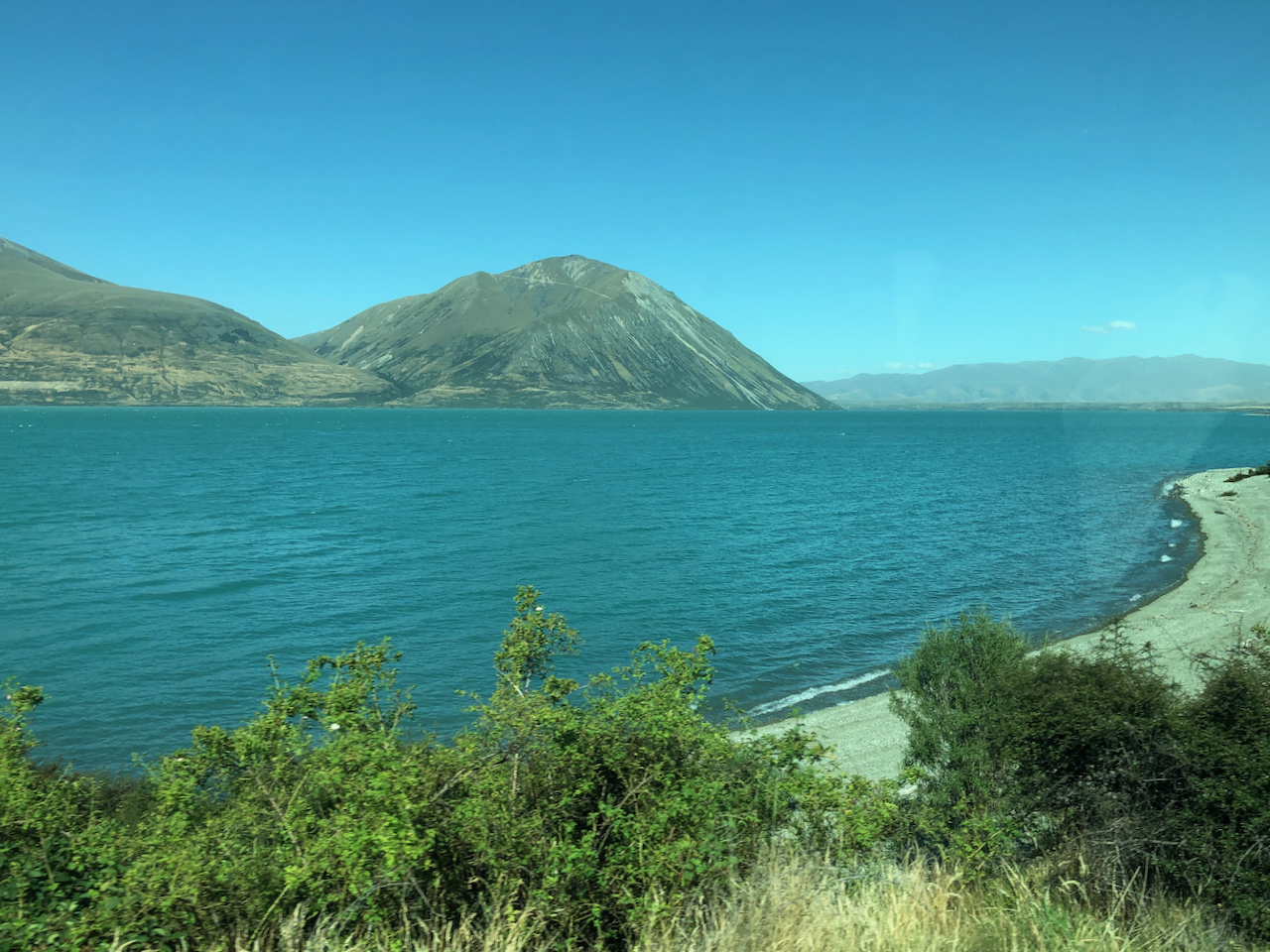
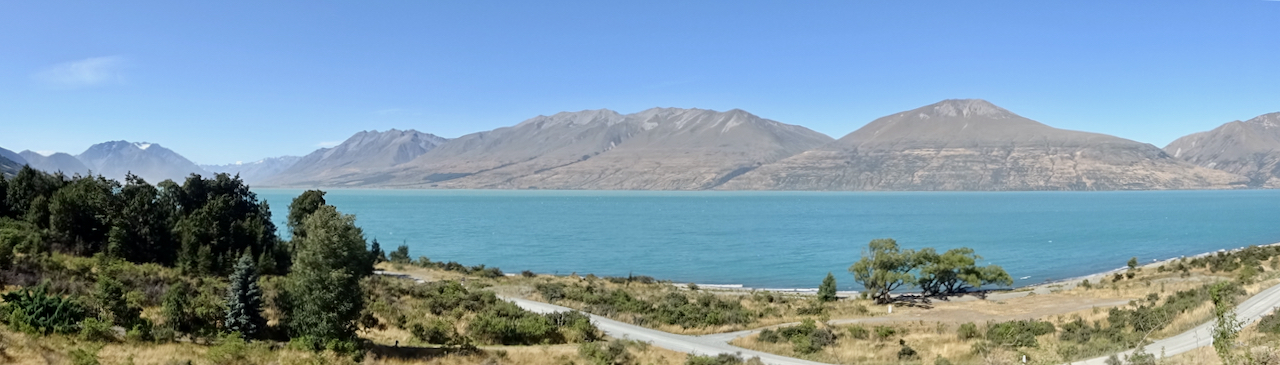
Lake Ohau:  We arrived at Lake Ohau around 5 pm. Once again, I was taken by surprise, by the startlingly turquoise blue of the lake, and the barren mountain slopes streaked with colorful landslips beyond. I was not expecting anything so stunning, as we had just been passing through the dry summer landscape of the Mackenzie Basin. And into my mind came memories of the southwestern US, where I spent a fair amount of time geologizing in my younger days. Here in New Zealand, I was seeing glacial lakes such as those that filled many of the basins of western North America in the ice ages. It was like going back in time, in a way, and I was grateful to see a version of this ‘geologic setting’ in real life. So striking in starkness and color. Another of the amazing experiences I would have on this trip. And there would be more beautiful images later today!
DSC01957

Lake Ohau, Ben Ohau

IMG_0377

Our lodge room had ‘picture’ windows overlooking Lake Ohau and the near and distant mountains. Standing beyond but higher than all was the stunning Aoraki/Mt Cook, 12,218 feet tall, the highest mountain in New Zealand. From our vantage, it was a giant chunk of glistening white, it’s peak plateau about a mile long, it’s faceted shear white slopes facing us, calling attention to itself, and I felt lucky to see it.
DSC07166

Our lodge room

DSC07160

Lake Ohau

DSC07156

Aoraki/MtCook

DSC07157

Aoraki/MtCook

DSC07163

The other glaciated mountain at the end of Lake Ohau

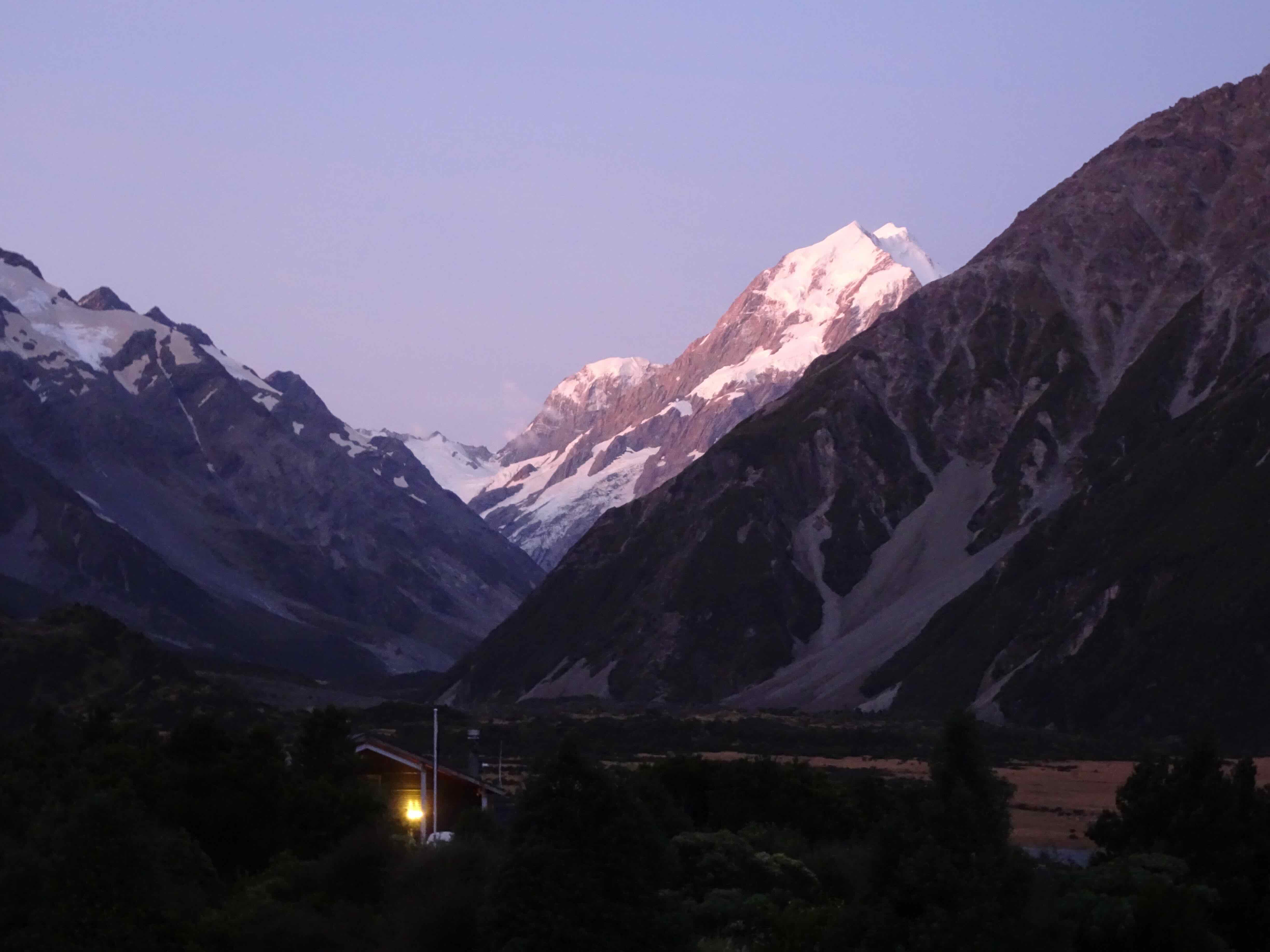
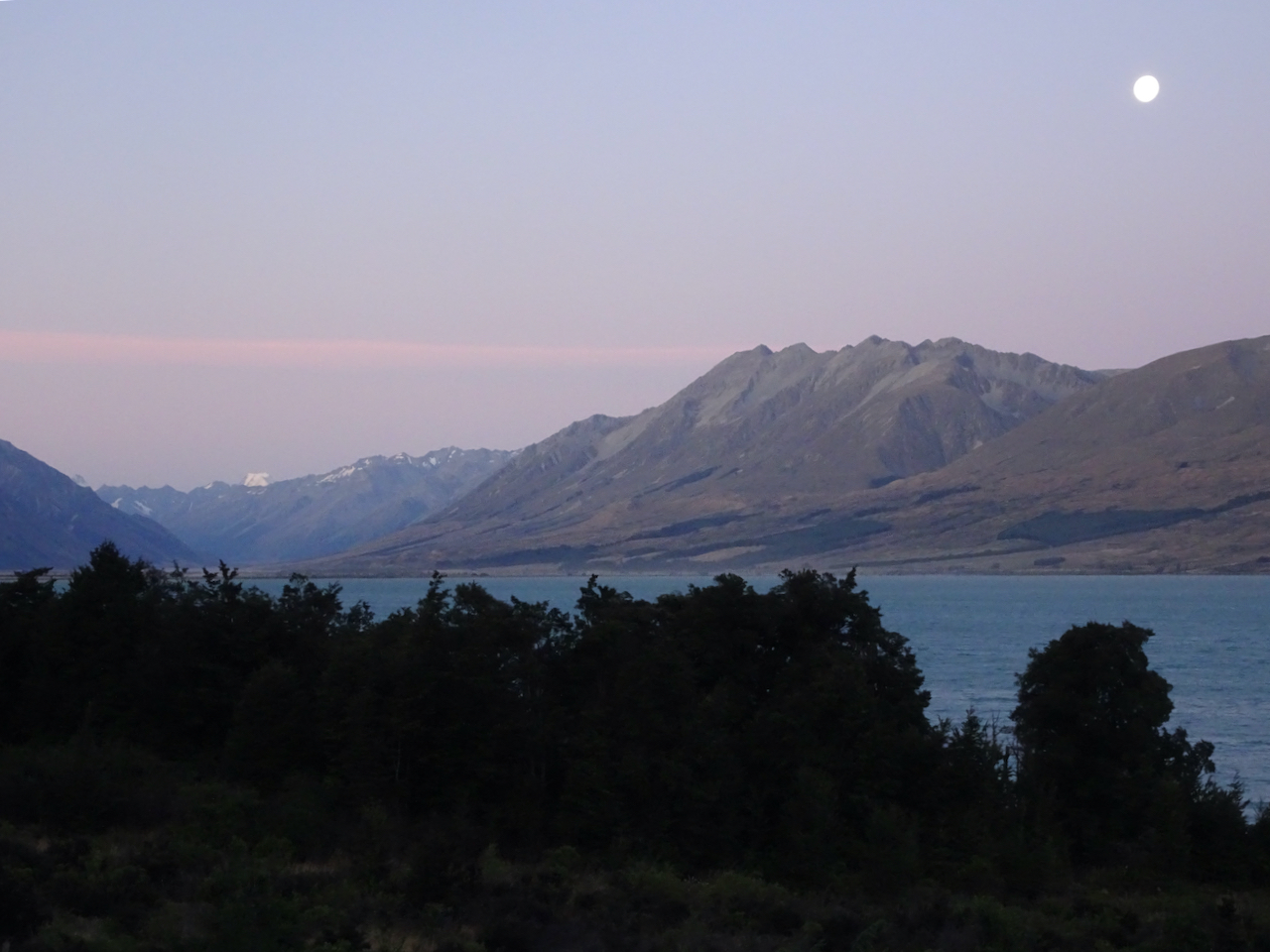
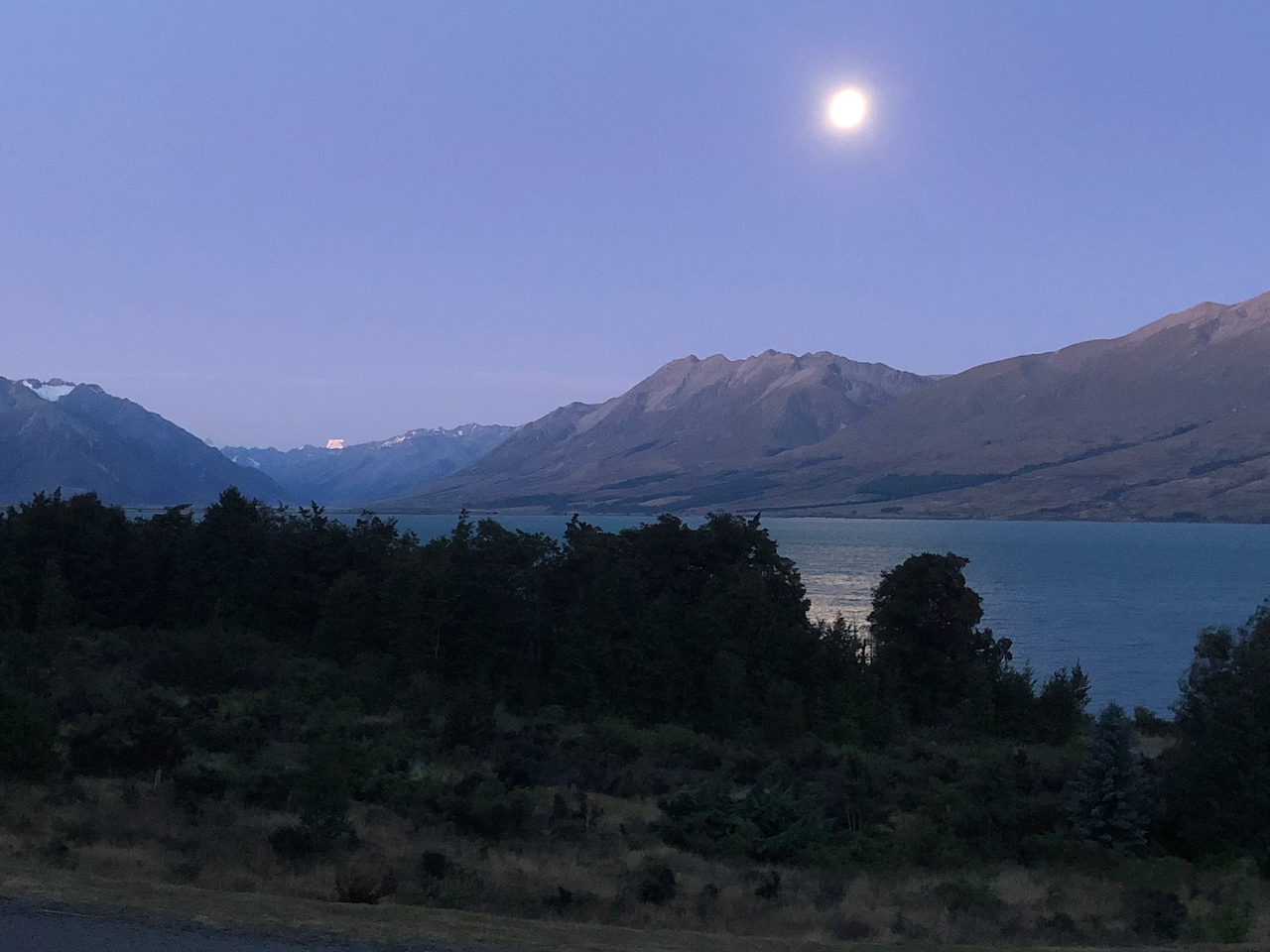
After a dinner in the lodge of pumpkin miso soup, salmon, and chocolate mousse, we returned to our room to see the moon rising and the the mountain glowing in the twilight, then in alpenglow. I seemed to be sitting in a picture postcard.

DSC07170DSC07177DSC07178Image 12-5-21 at 8.20 PMDSC07182

Later, the rising moon was reflected in the lake, and Aoraki/Mt Cook shone with moon glow.

IMG_0379

We also saw Orion in the sky, but have not yet seen the southern cross. This day ended well, and tomorrow we were looking forward to getting closer to Aoraki/Mt Cook.

NZ2020: Day 13, Ben Lomond hike

February 6, 2020

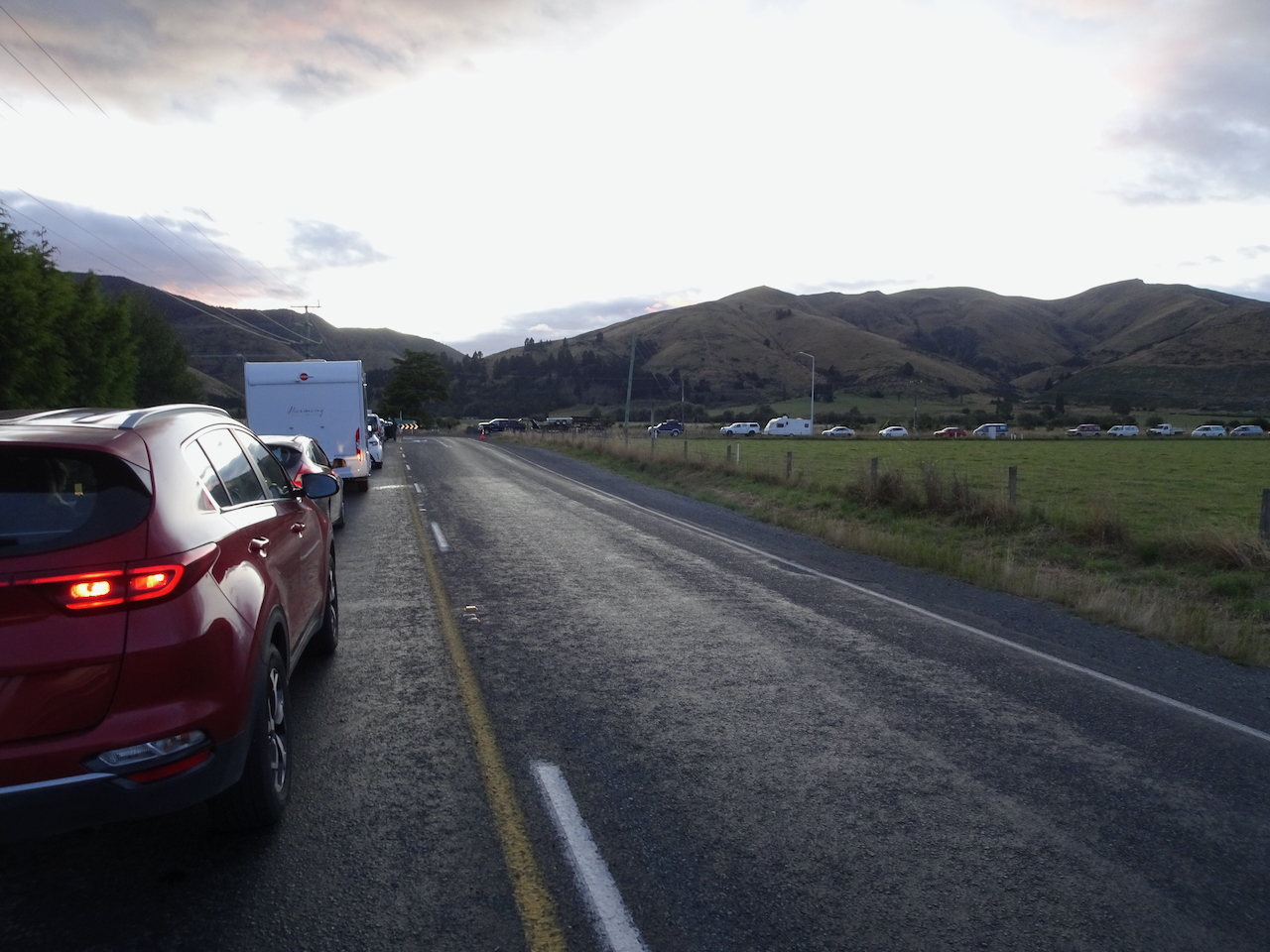
After two days of being sidetracked by flooding, heavy rain and road damage, the road north was opening for limited time windows while being repaired. We departed from Te Anau at 5:30 am to drive to Queenstown. We waited in the dawn at Five Rivers for the 7 am opening.

DSC06909

Queue waiting for the partially flooded road to open

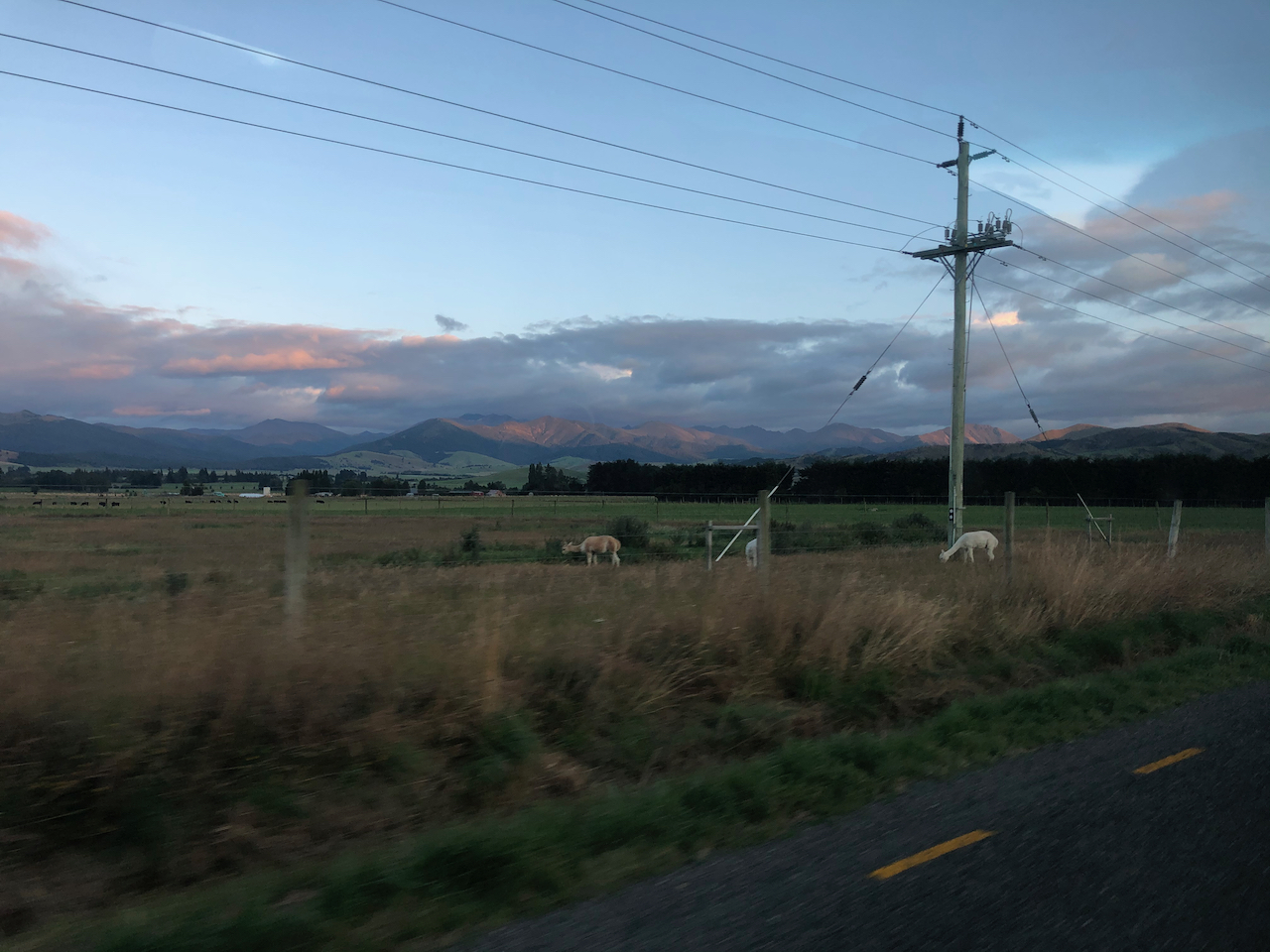
IMG_0363

Sunrise with llamas

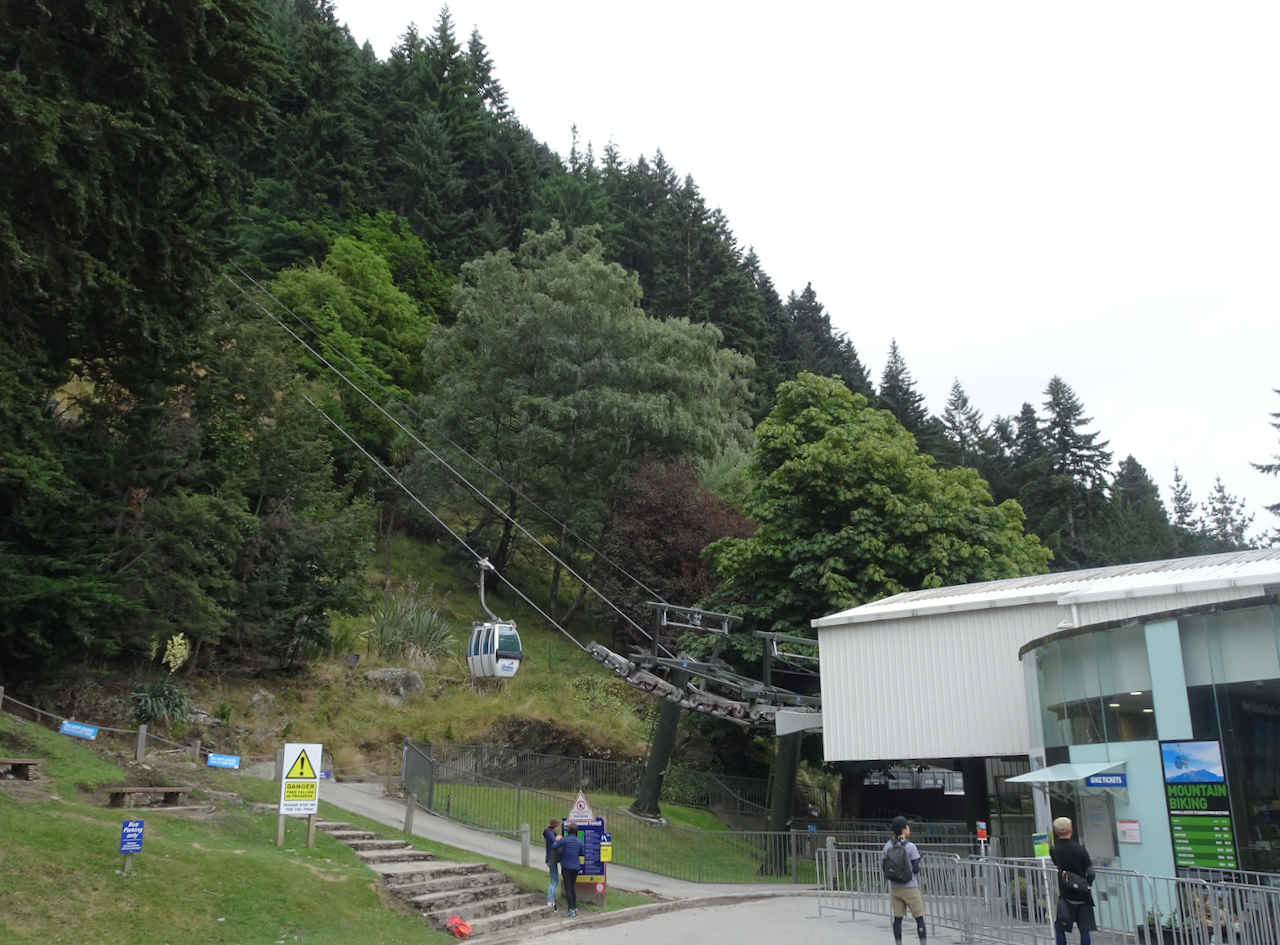
We arrived at the Queenstown Skyline Gondola on schedule for the 9 am opening.

DSC06939

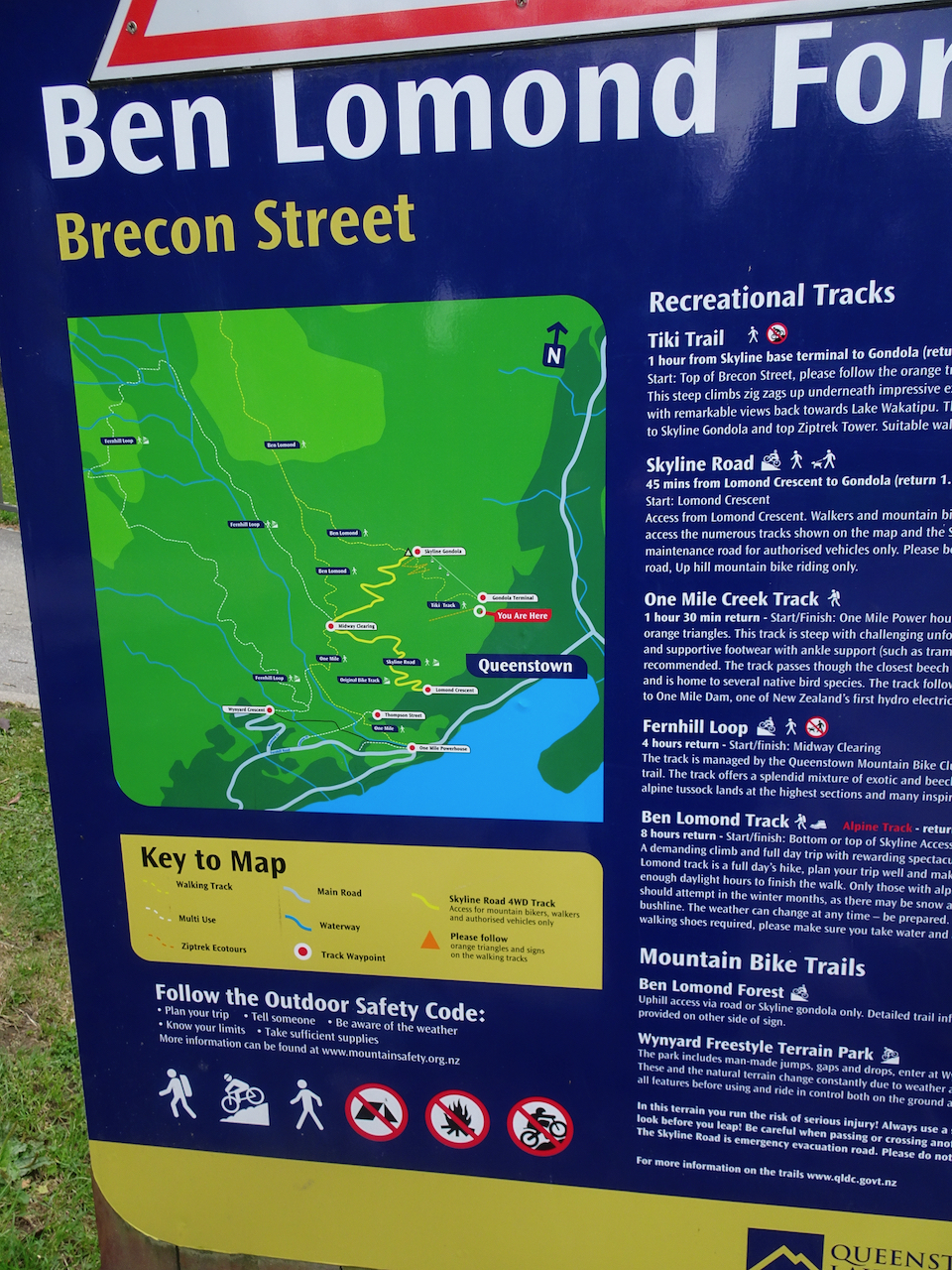
A ten minute gondola ride took us up the first 1500 feet of the Ben Lomond trail.

DSC06937

DSC06940

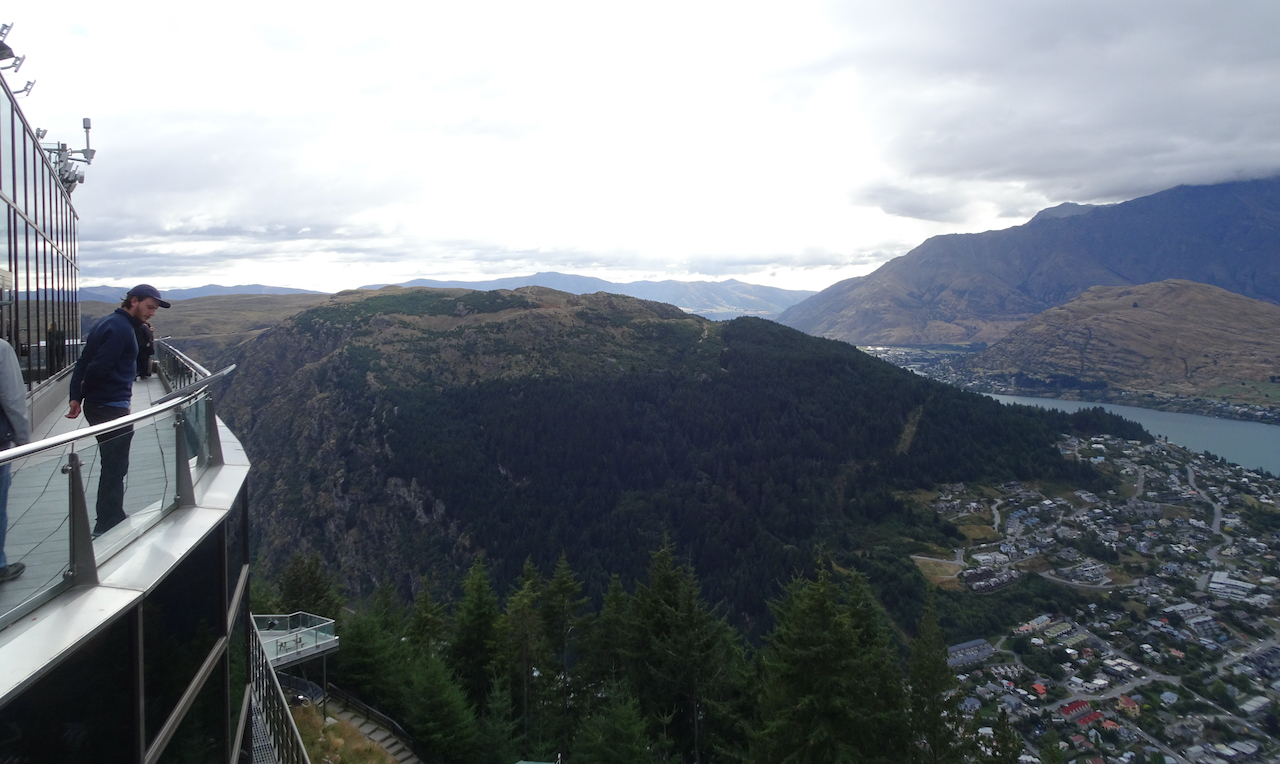
Great views from the Upper Gondola complex.

DSC06942

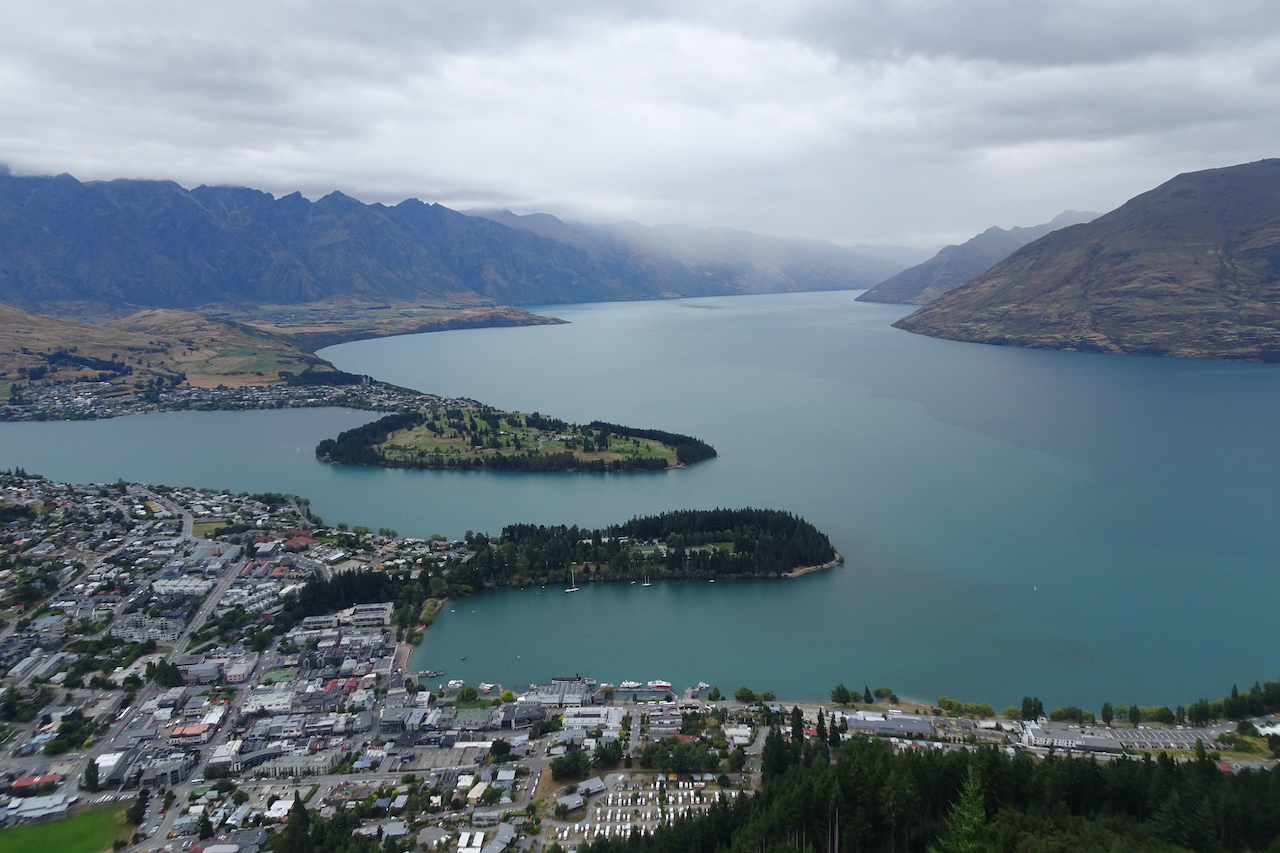
Views below to Queenstown and Lake Wakatipu

DSC06943

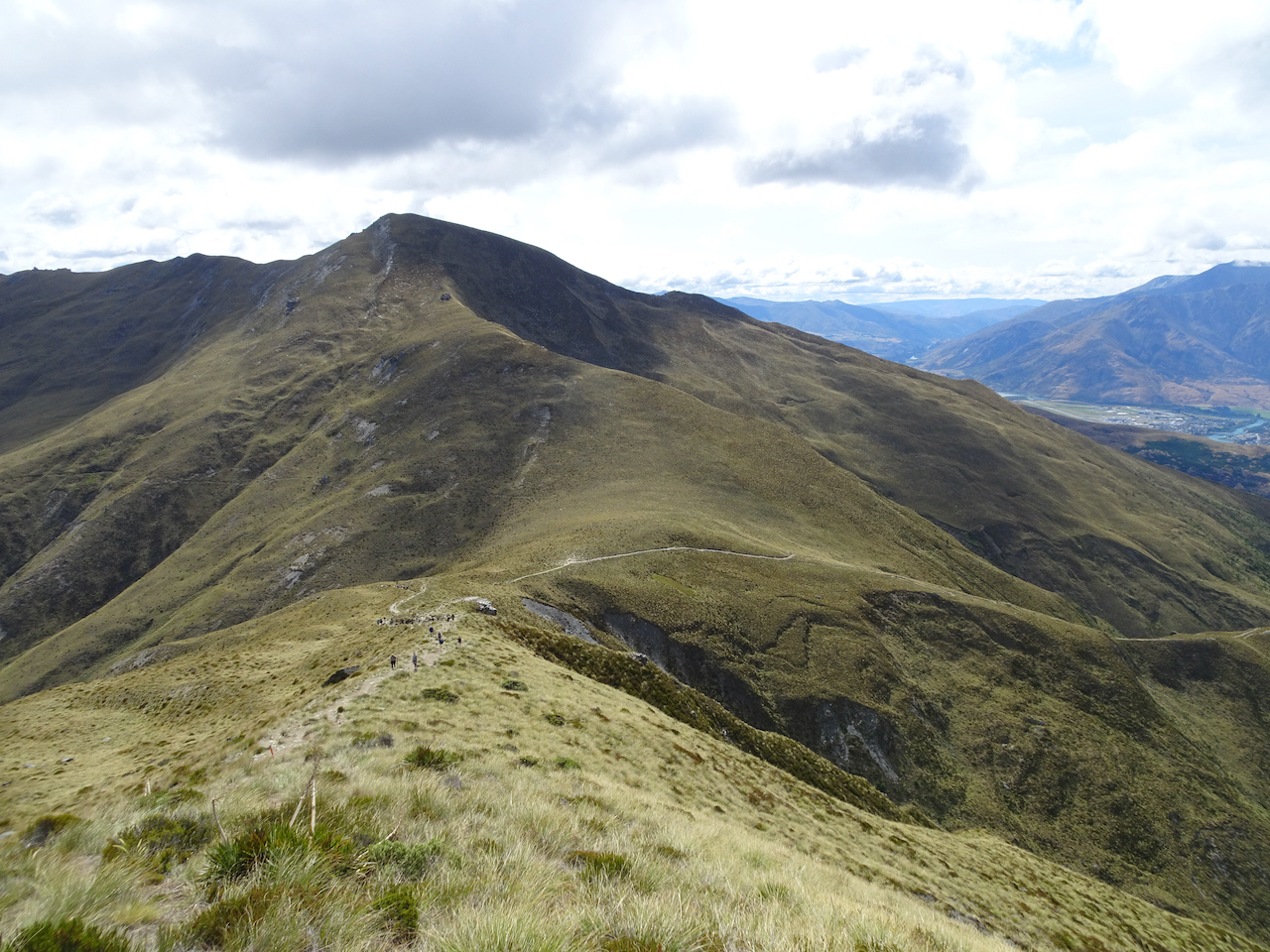
We still had about 4 miles, and 3400 feet to hike to the top of Ben Lomond. We started up, through sun, mist, and a little rain. The weather got better through the day, but many of the surrounding mountains retained a high cloud cover. The cooler temperature was perfect though, as it gets warm hiking continually up. This was a challenging hike for me! We took a steady pace, with rests.

DSC06949

Lower trail. Ben Lomond is the high peak on the skyline.

DSC01504

Looking back toward Lake Wakatipu.

DSC06954

Getting closer to our destination.

DSC06955

First we have to get to the saddle,

DSC06956

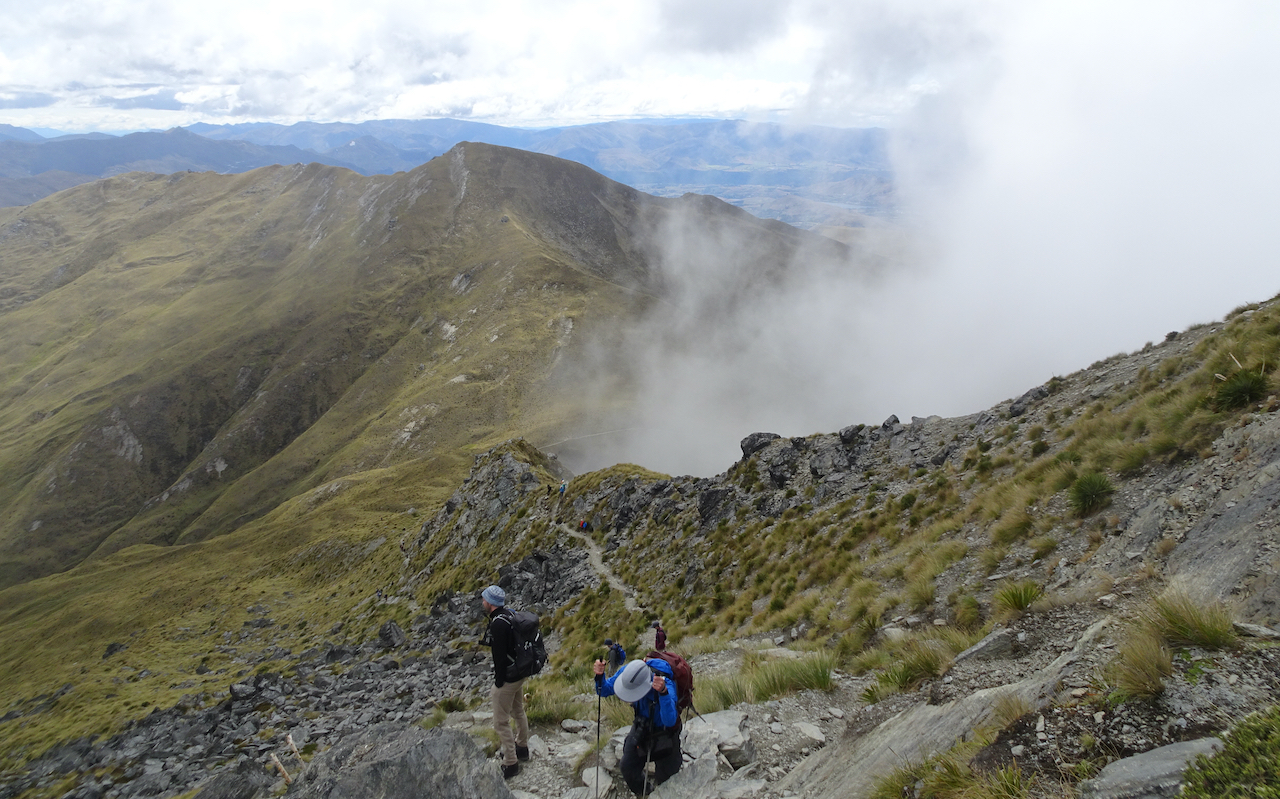
then up the rocky and steeper ridge.

DSC06957

Looking back down at the saddle.

DSC06962

Up the rocky section, with mist wafting in and out.

DSC06967

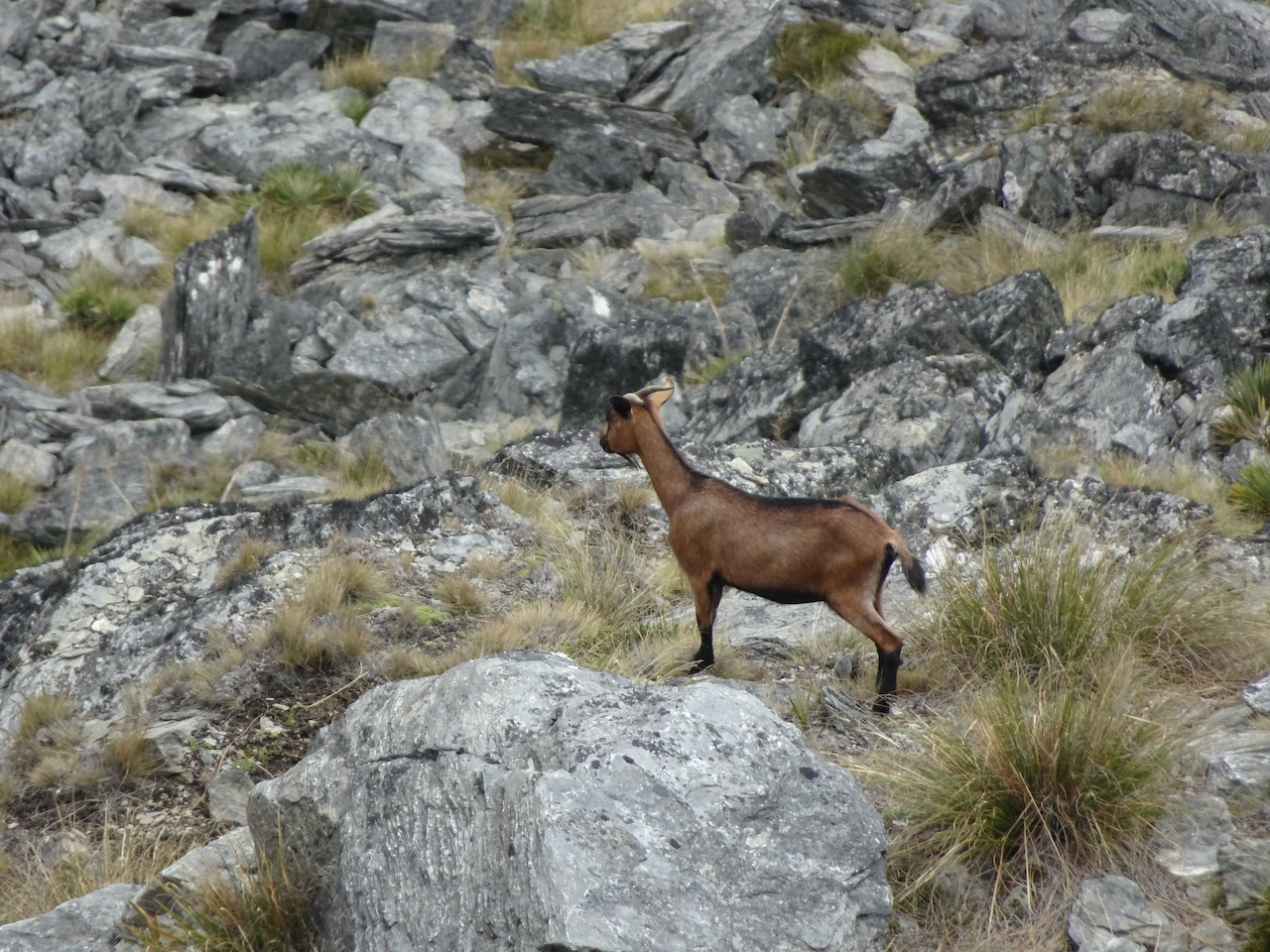
A feral goat below on the rocky crags.

DSC06964

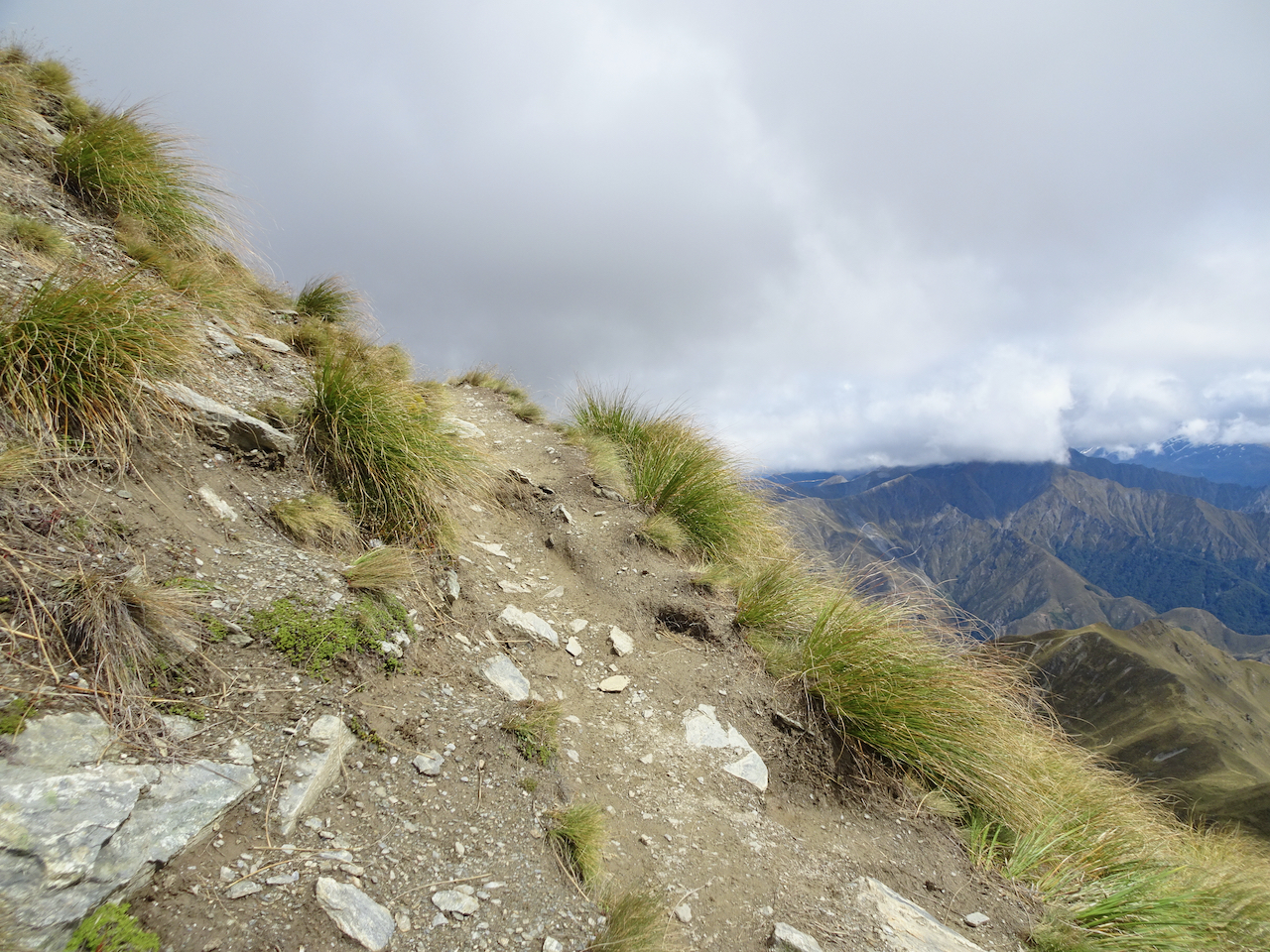
The last steep pitch…

At the top, my relief of making it to the peak was almost completely sidetracked by the surprise of finding mountain parrots at the summit!

DSC01663

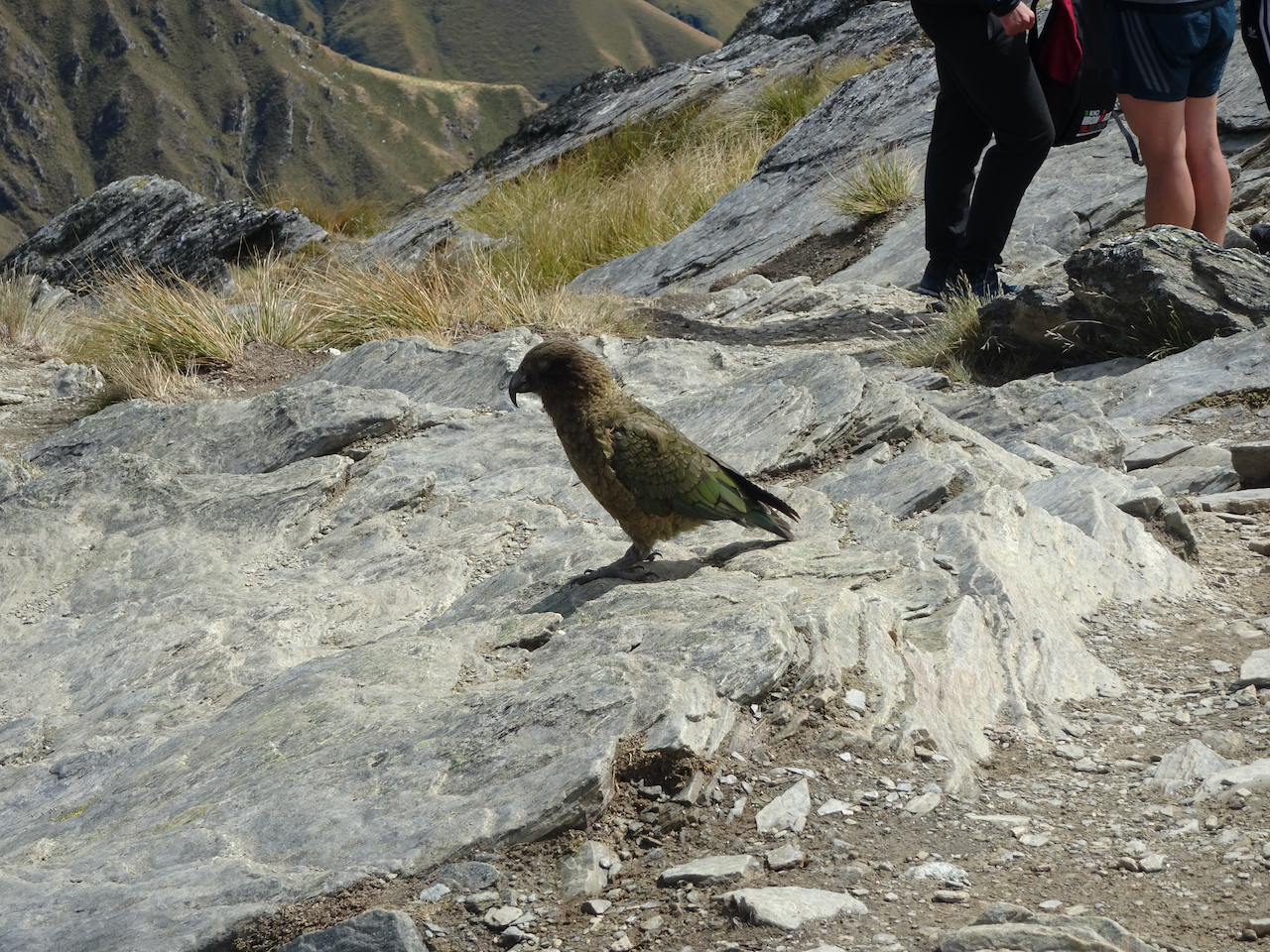
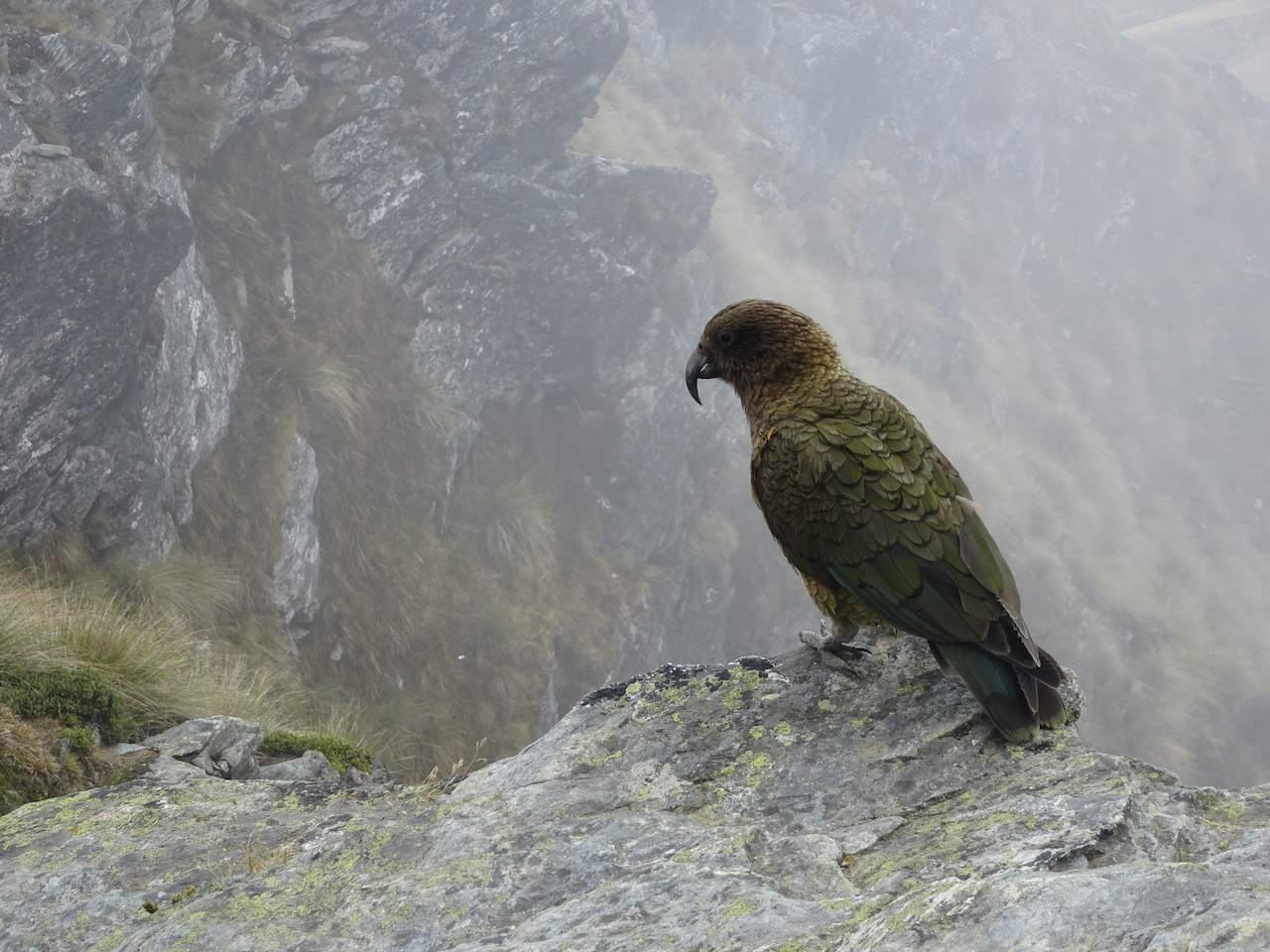
Kea, or mountain parrot, perched on the summit cliff of Ben Lomond.

There were five or six of these large birds (about 18 inches tall), flying around, undaunted by the people, and fairly aggressively scrounging for hiker lunch crumbs. I am accustomed to seeing marauding chipmunks where I come from, so this was an unexpected reward for the last three hours of steady upward effort.

DSC06983

Kea and hikers on summit of Ben Lomond

DSC06989

Kea, metamorphic rocks

DSC01710

Kea, flashing orange back feathers while flying.

DSC06988

Face close up

DSC06973

Mists rolling in

I watched the keas for a while, and rested, while clouds rolled in and out from the steep southern cliffs. We looked around as much as possible before beginning the hike down. I would have liked to stay longer, but it was very cold and windy.

DSC06975

Lake Wakatipu

DSC06981

Clouds wafting across

DSC06997

The view!

DSC07014

Southern alps to the west

DSC07016

Starting down – view back to The Remarkables and Queenstown, with our trail in view.

(Geology interlude) As we looked back toward Queenstown on our return hike, I noticed the effects of the rain on the rivers downstream from Lake Wakatipu. The very brown and muddy Shotover River flows into the deep blue Kawarau River (the Lake Wakatipu outlet). Downstream farther, the Kawarau River is muddier in color.  (I saw this happen a long time ago at the confluence of the Little Colorado and Colorado Rivers in the Grand Canyon, on a once in a lifetime river trip.)

DSC07019

Confluence of Shotover and Kawarau Rivers

DSC07020

Wider view, muddier Kawarau downstream.

We continued down the mountain, on tired and satisfied legs.

DSC07031

Resting, Southern Alps beyond.

DSC07032

Clouds have lifted, this peak finally exposed.

DSC07035

Last look at Ben Lomond

DSC07036

and the tiny people enjoying the summit.

DSC07044

The down trail crosses over the luge track at the Gondola Complex.

We took the gondola back down to town, then checked back into the Crowne Plaza Hotel. We had a group dinner in town, and said goodbye to our additional tour members and guide. We still had two more days with our guide Kaleb, and we were going north toward Aoraki/Mt Cook.

DSC07011

NZ2020: Day 12, Southland improvisation; Te Anau Bird Sanctuary

February 5, 2020

After the previous few days of constant rain, we were happy to see blue sky this morning. The roads in most directions were still closed by flooding. Fortunately, our guides had grown up in the area, and chose some of their favorite places for our day’s adventure in Southland.

DSC06626

Snow on the mountains near Te Anau

Image 8-13-21 at 5.58 PM

Today’s route, and stops in Southland.

DSC06627

Clearing skies above the Southern Alps as we drive south.

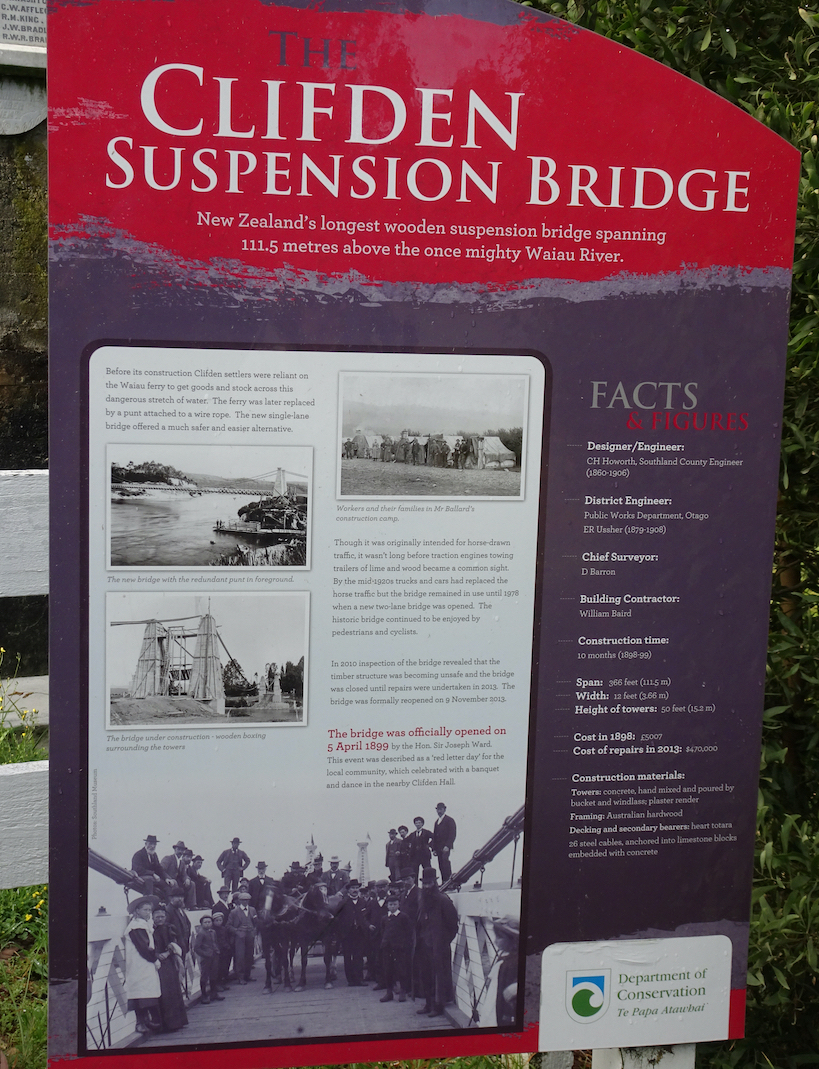
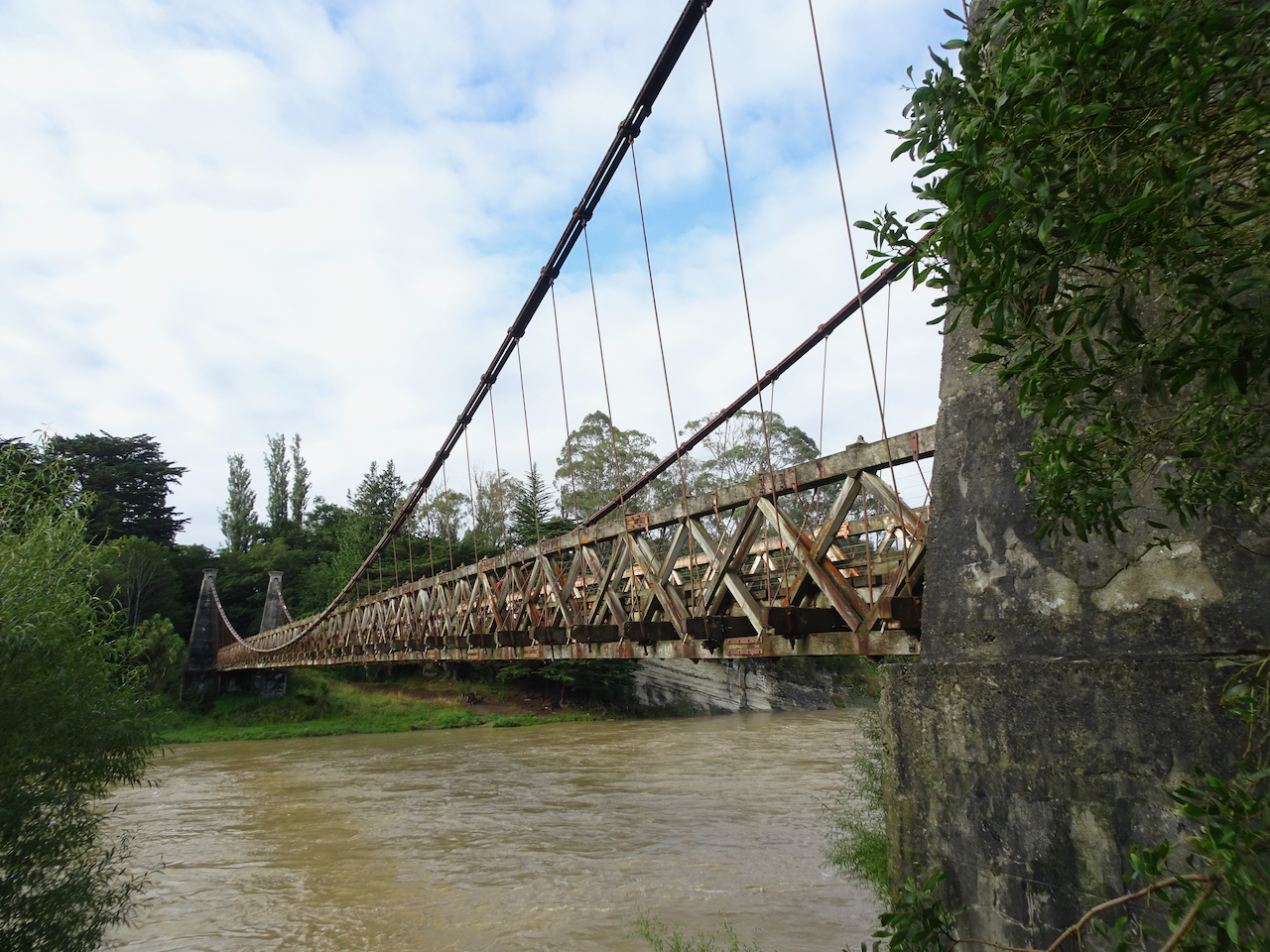
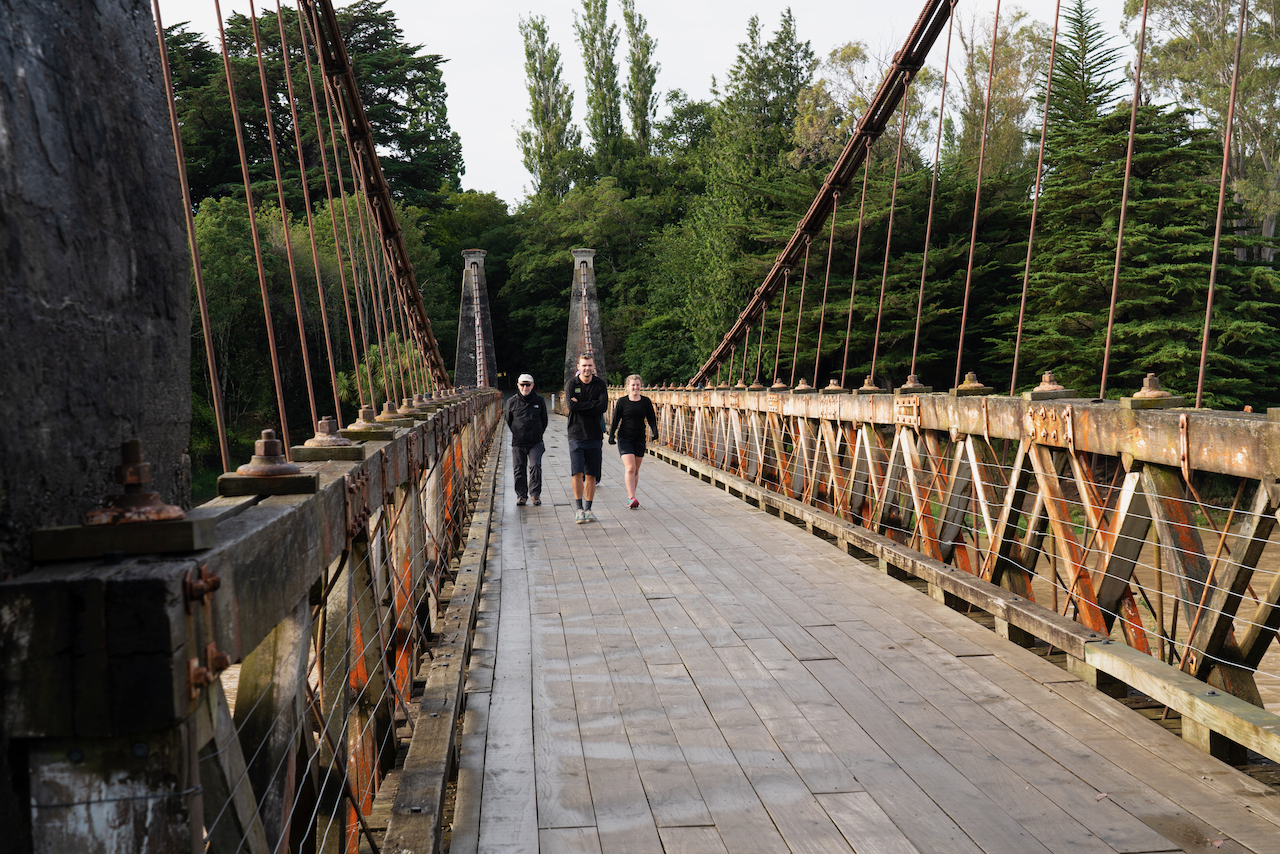
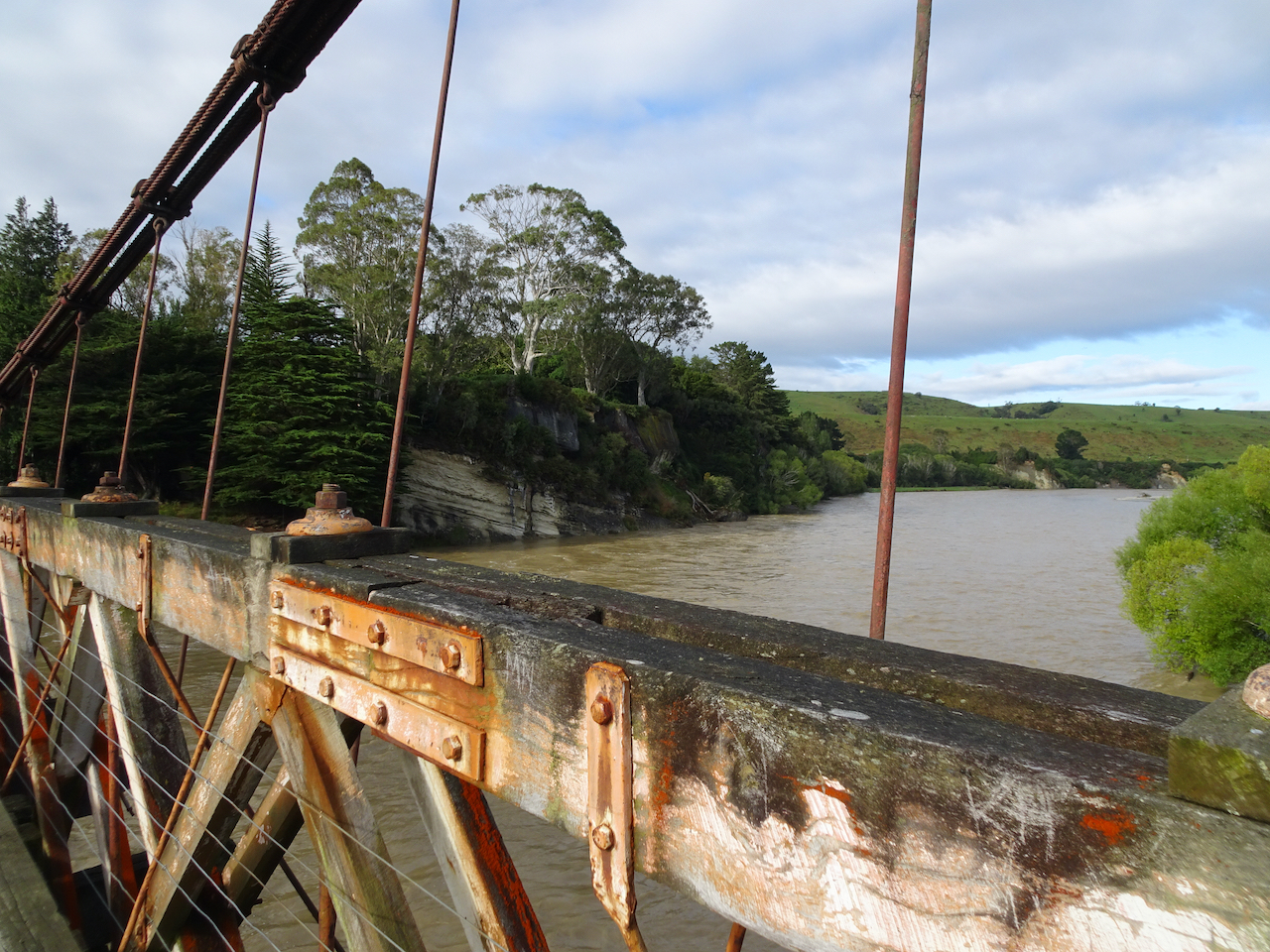
Clifden Suspension Bridge

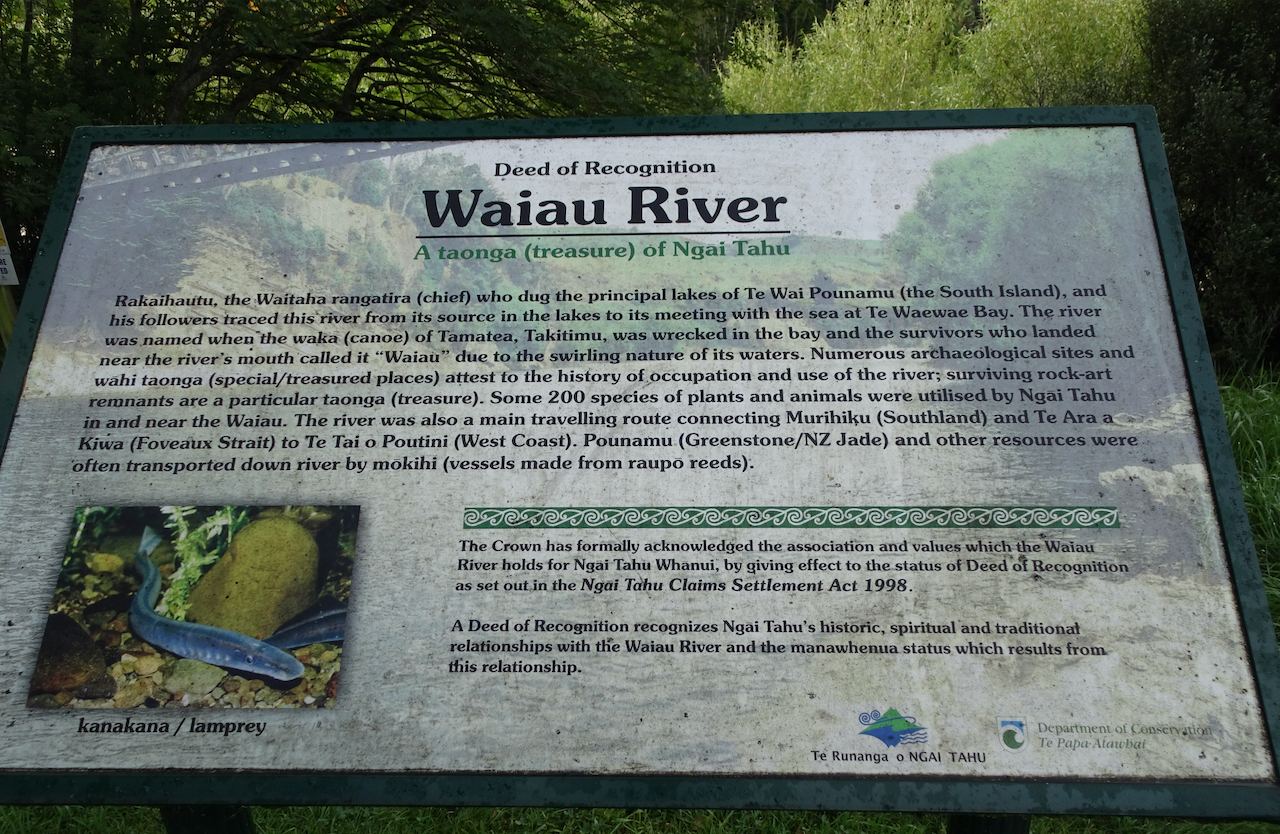
We stopped here to stretch our legs, and to look at the historic bridge over the Waiau River as it continues south to the sea. We had been walking along its banks yesterday near Lake Te Anau.

DSC06637

Historic Bridge

DSC06642

Clifden Bridge

DSC01191

DSC06639

Muddy river – from the recent storms

DSC06644

DSC06645

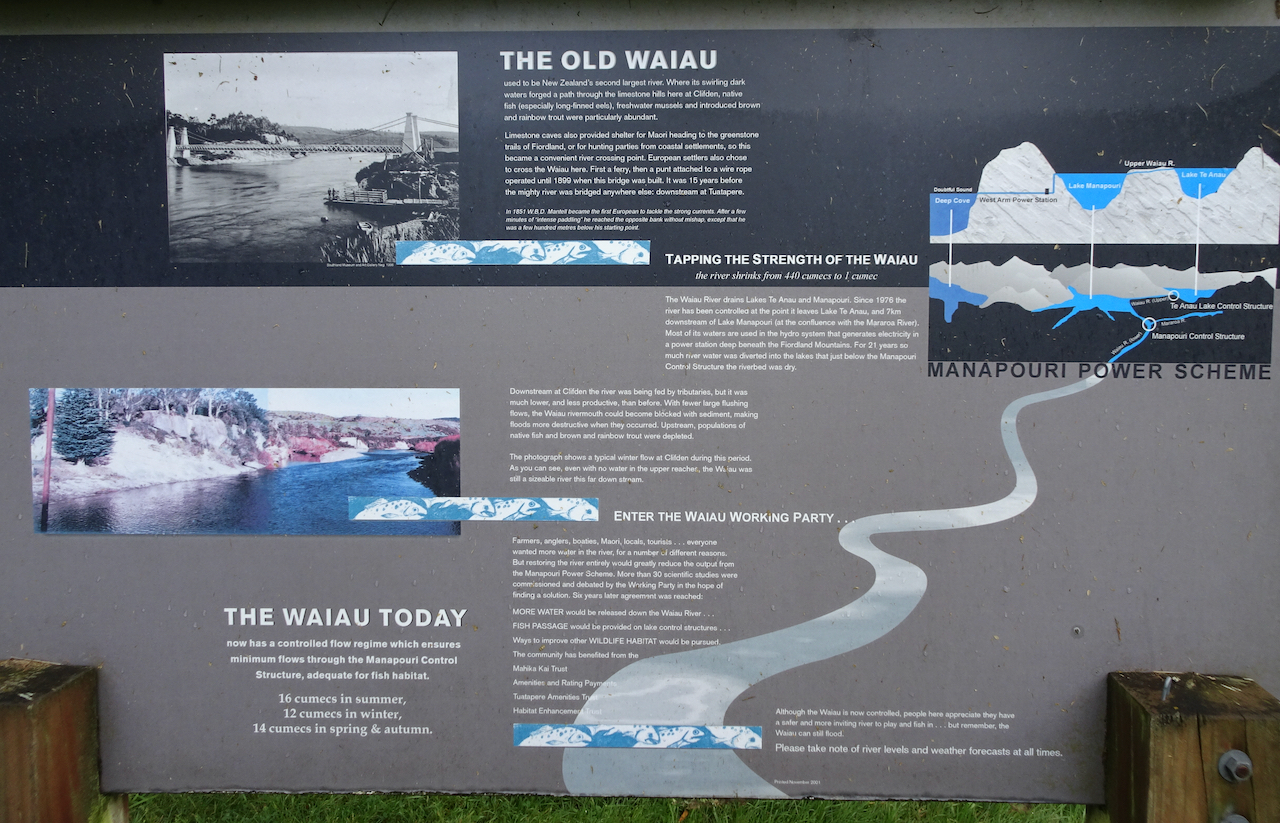
The Waiau River is connected all the way upstream to Doubtful Sound.

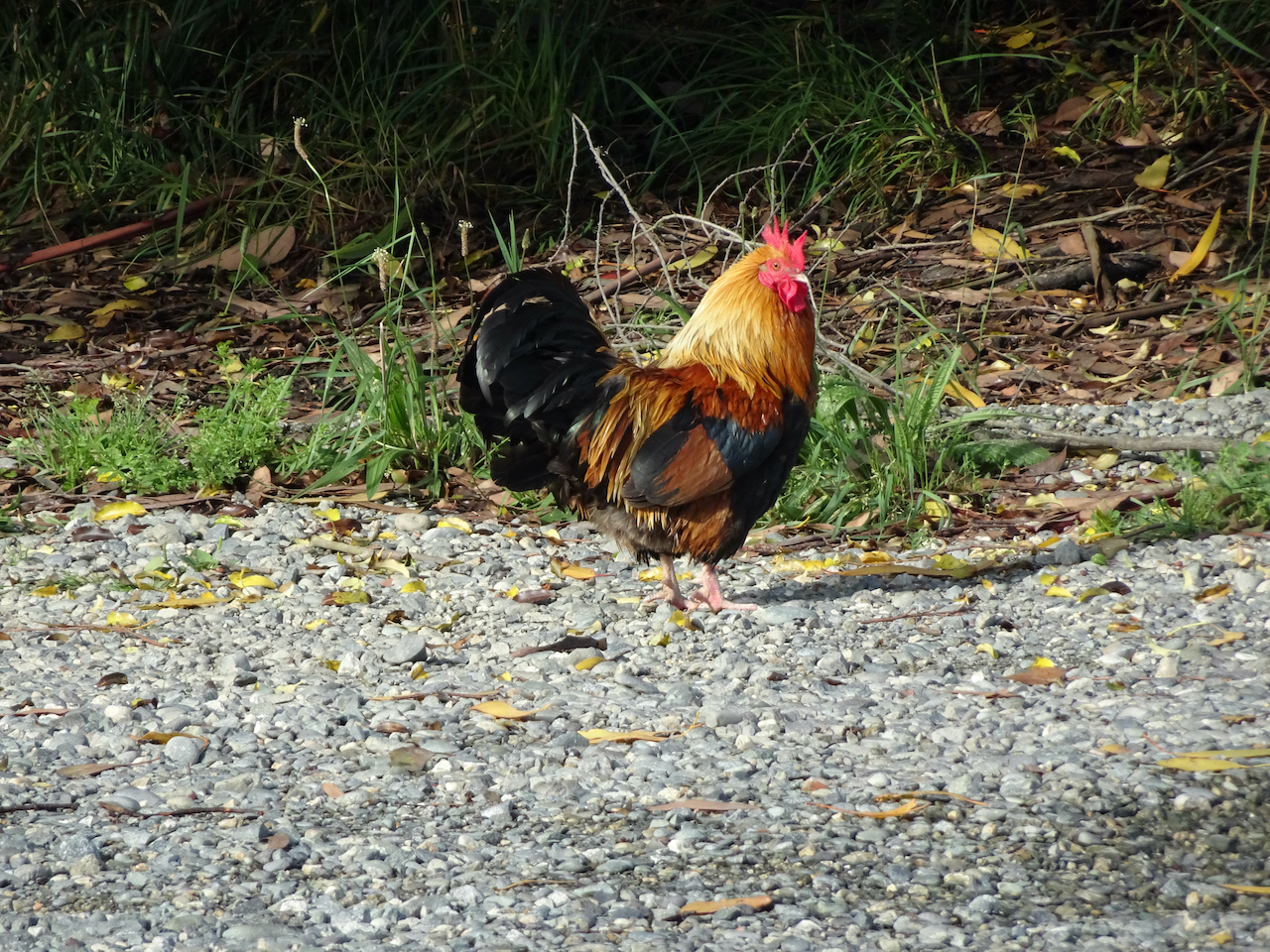
DSC06633

Feral rooster

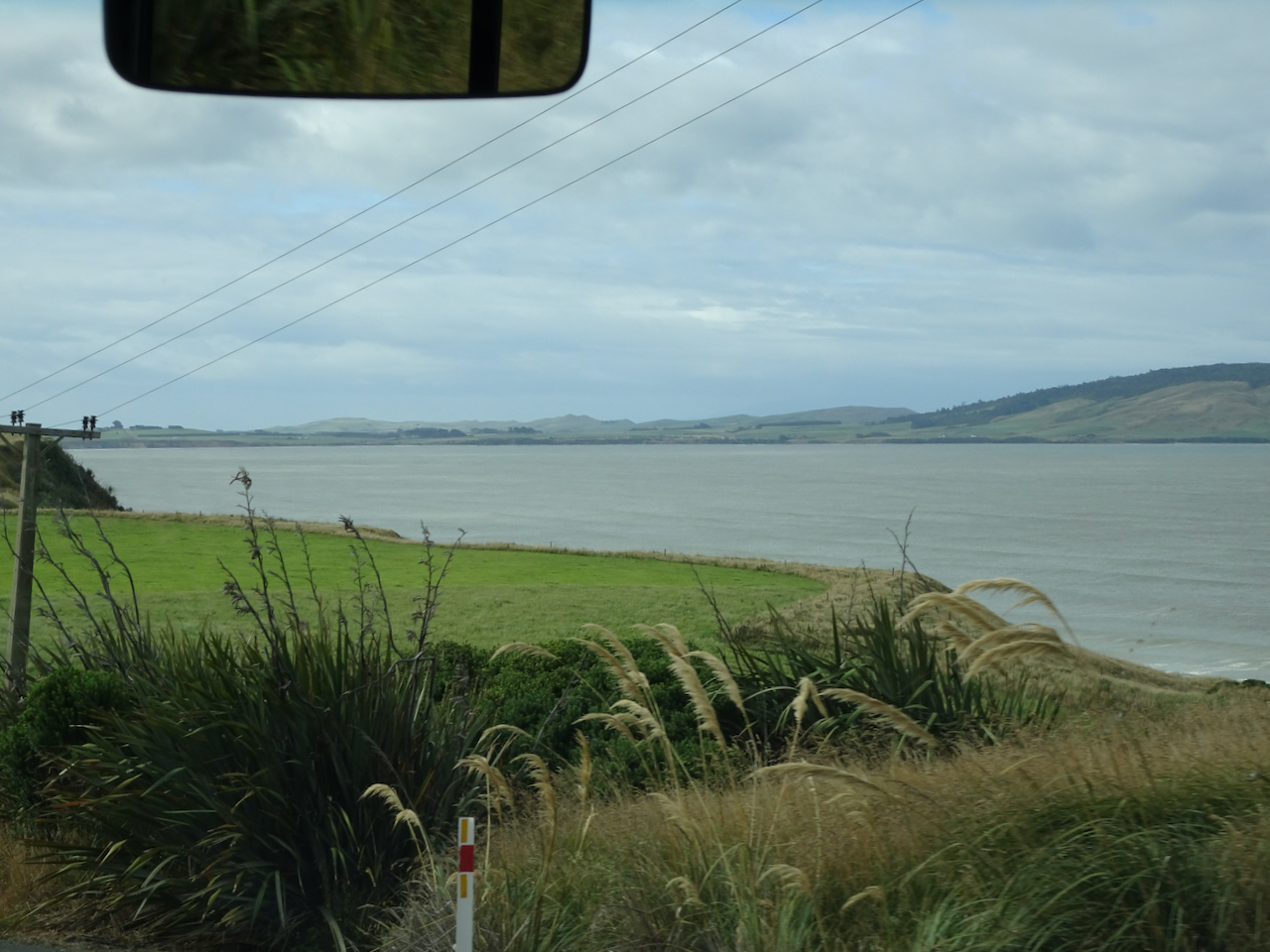
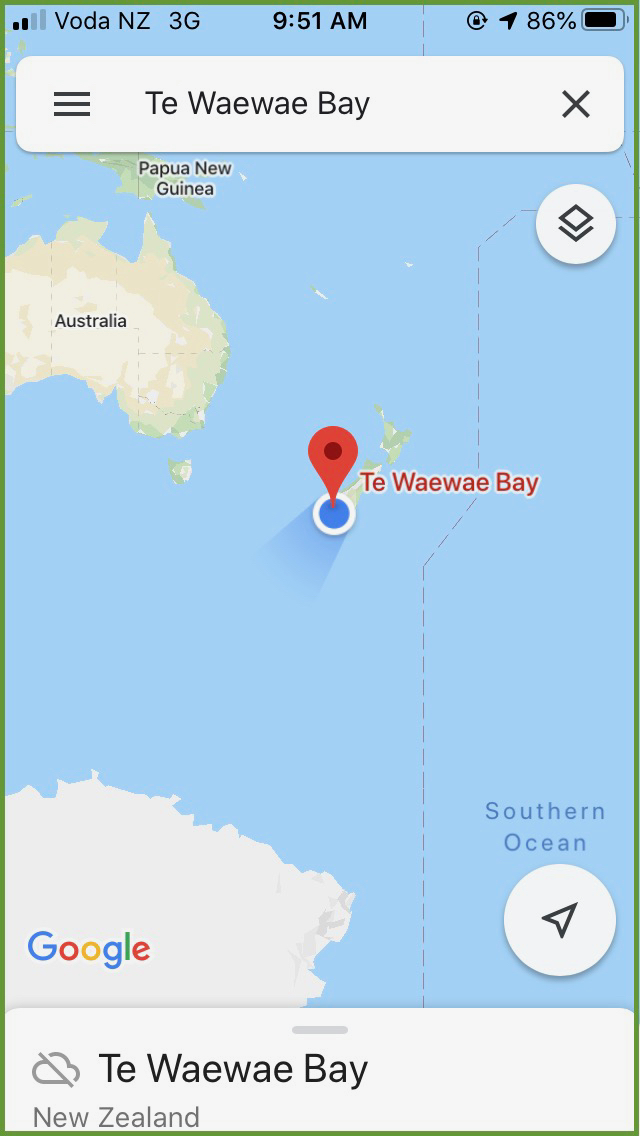
We continued driving south on the Southern Scenic Route, eventually reaching Te Waewae Bay near the mouth of the Waiau River.

DSC01199

Quintessential New Zealand scenery – sheep and mountains,

DSC06646

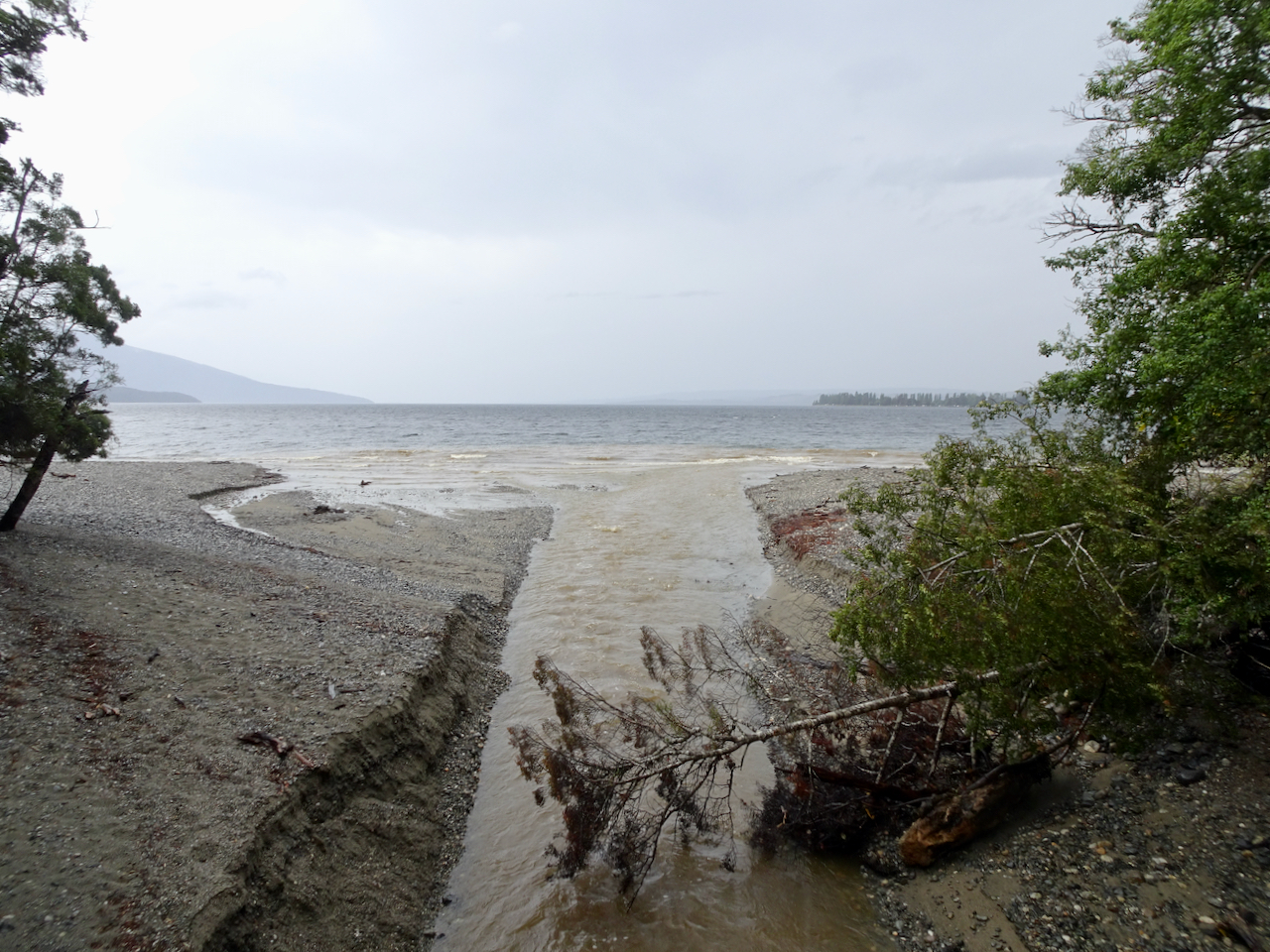
Te Waewae Bay, muddy from the recent storms.

IMG_0355

My Google maps image – showing that I am the closest I have ever been to Antarctica!

We stopped at several beaches and took two longer hill walks while in Southland.

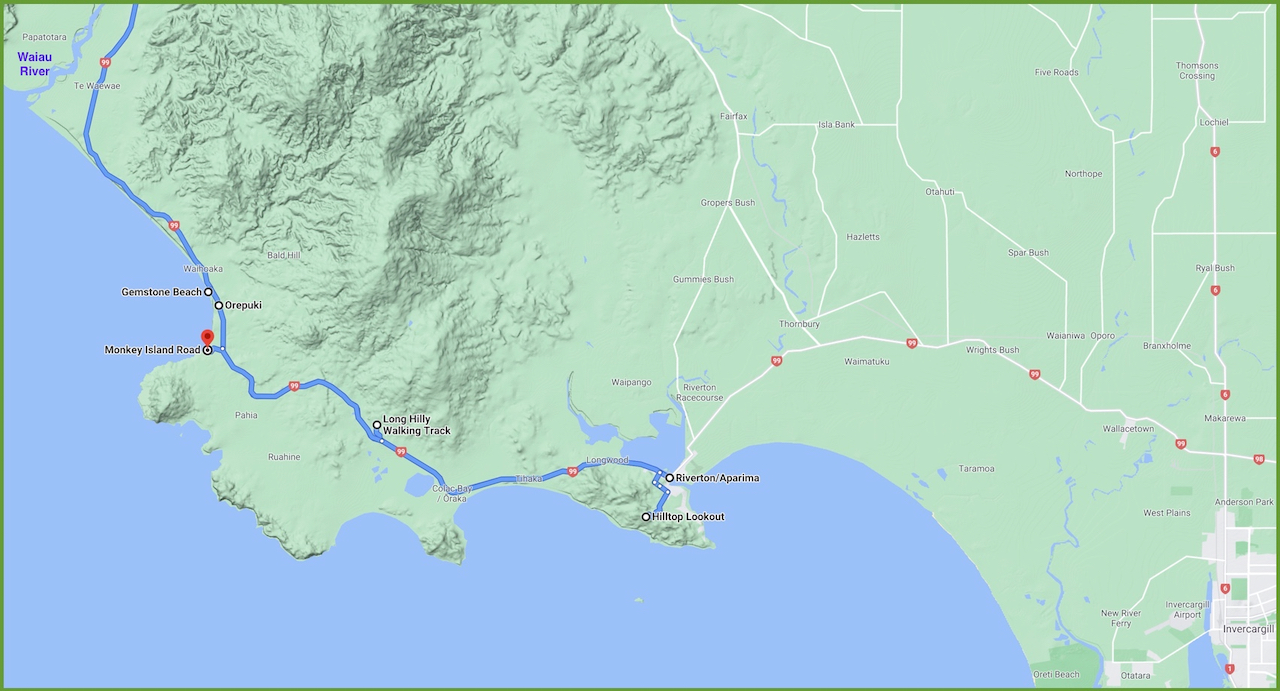
Image 8-13-21 at 6.00 PM

Southland stops

Gemstone Beach

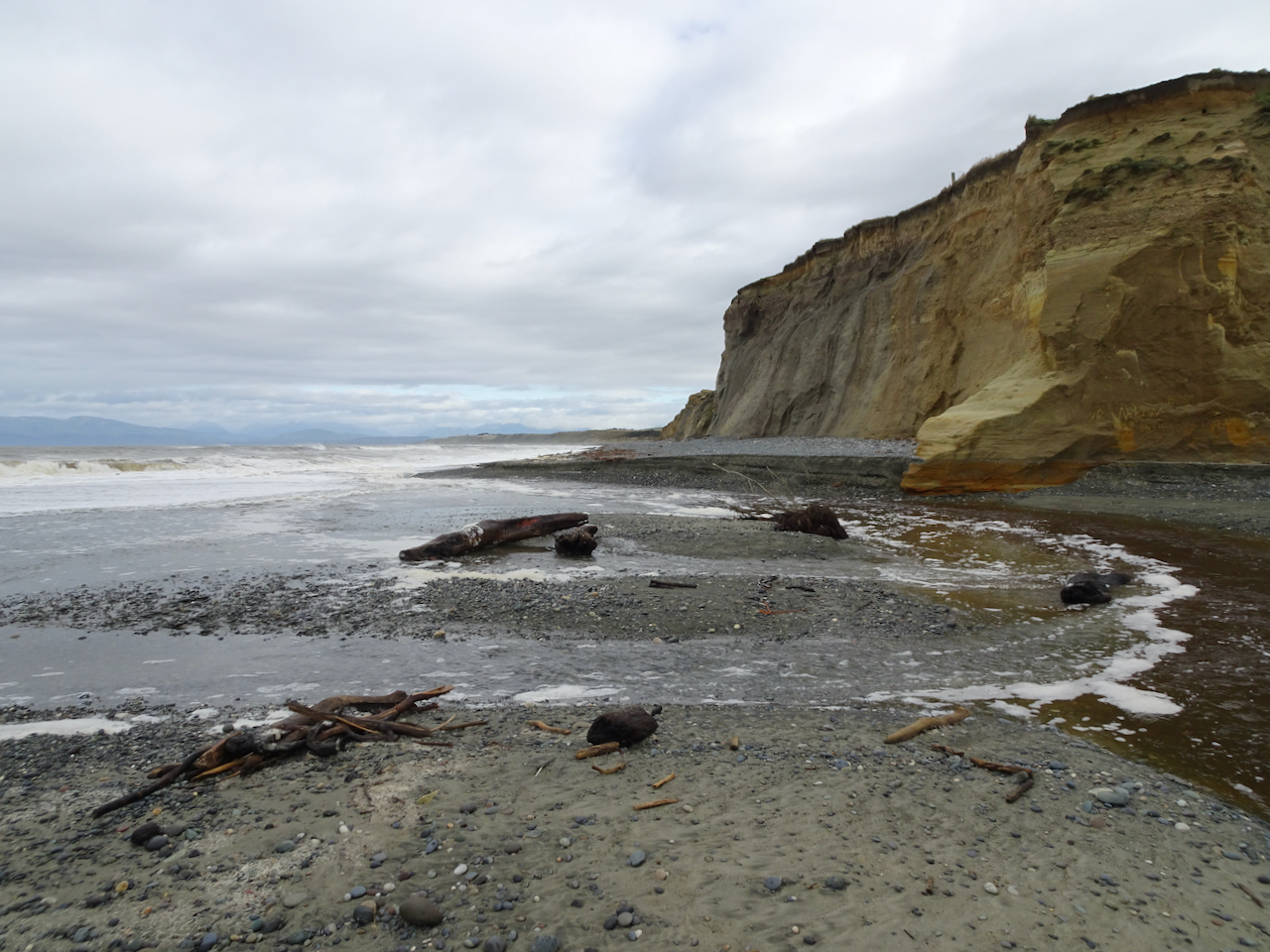
Once on the coast, we stopped first for a walk at Gemstone Beach.

DSC06647

Gemstone Beach

DSC06648DSC06650

DSC06651

Caves in the sandstone

DSC06655

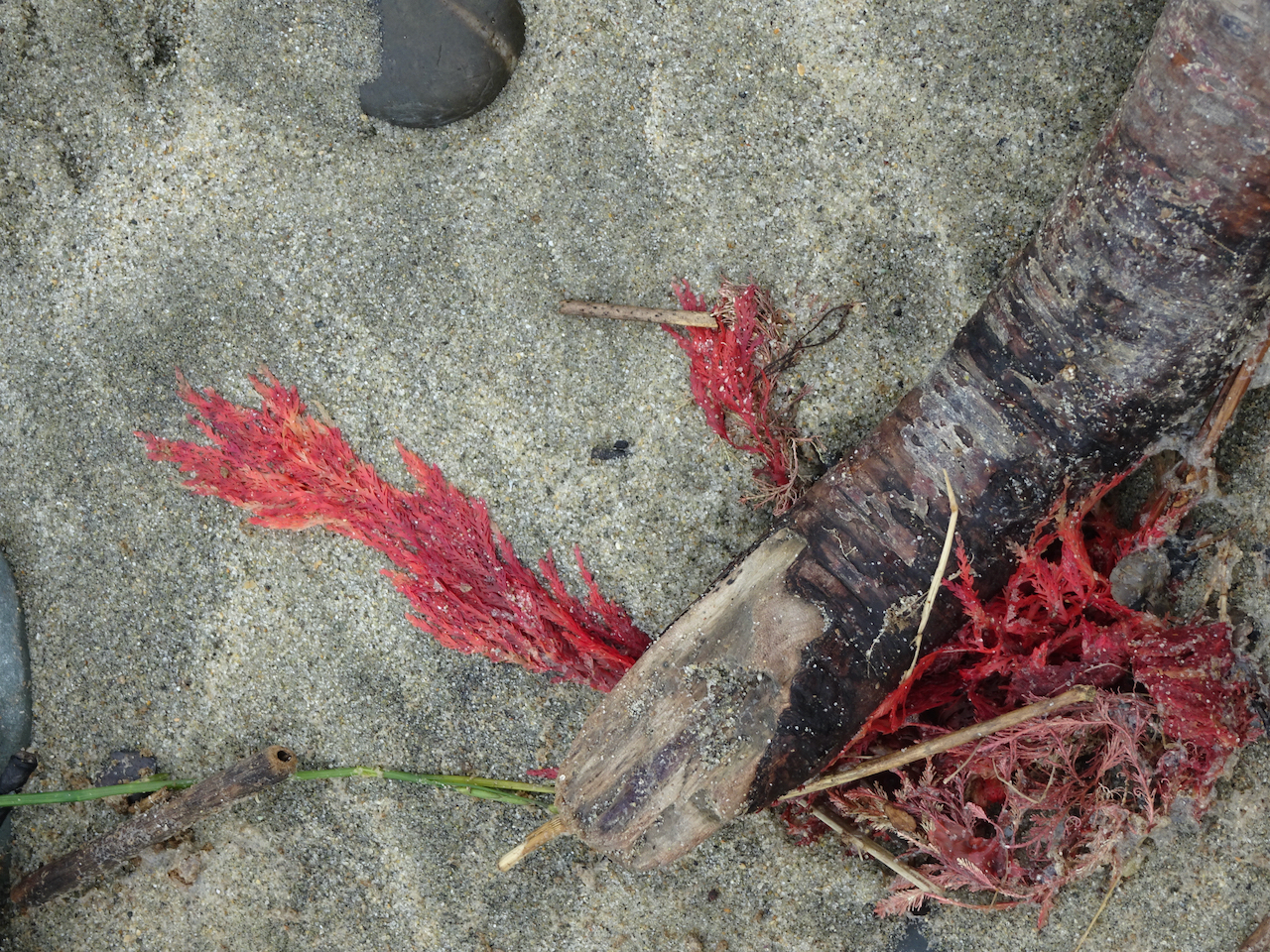
seaweed

DSC06656

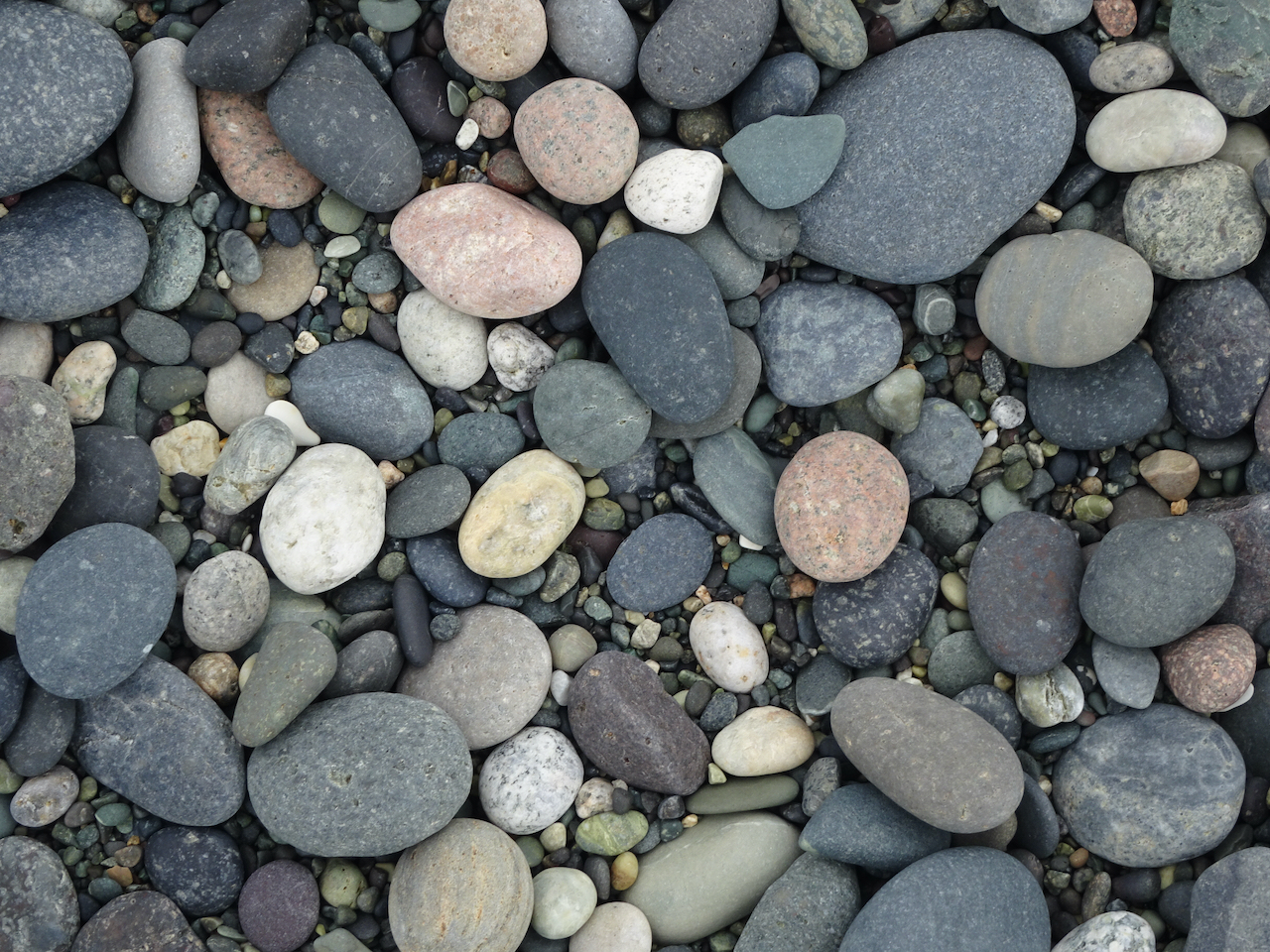
beach rocks

DSC06664

DSC06667

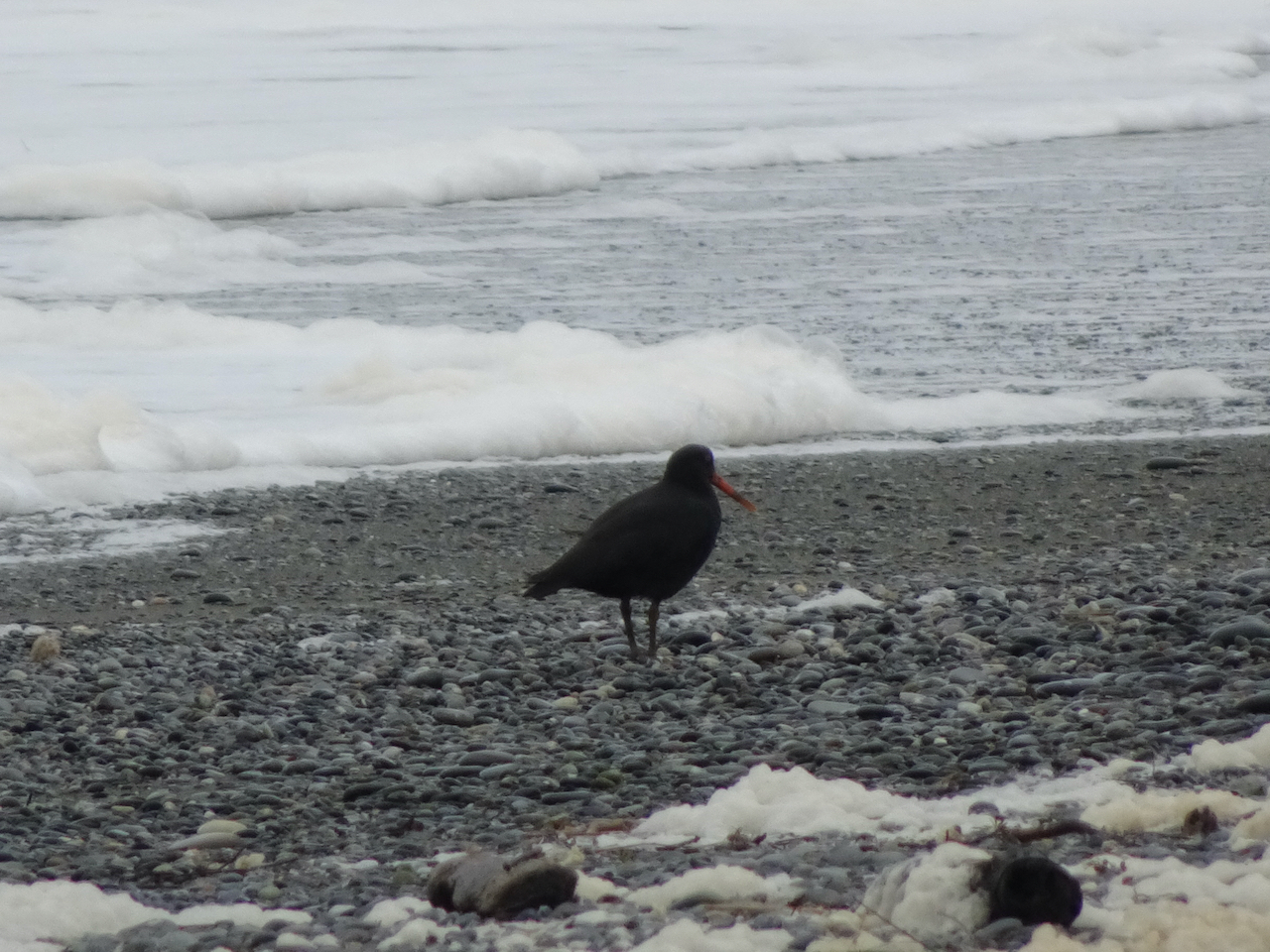
oyster catcher

DSC06669

sandstone erosion

DSC06659DSC06658

Orepuki

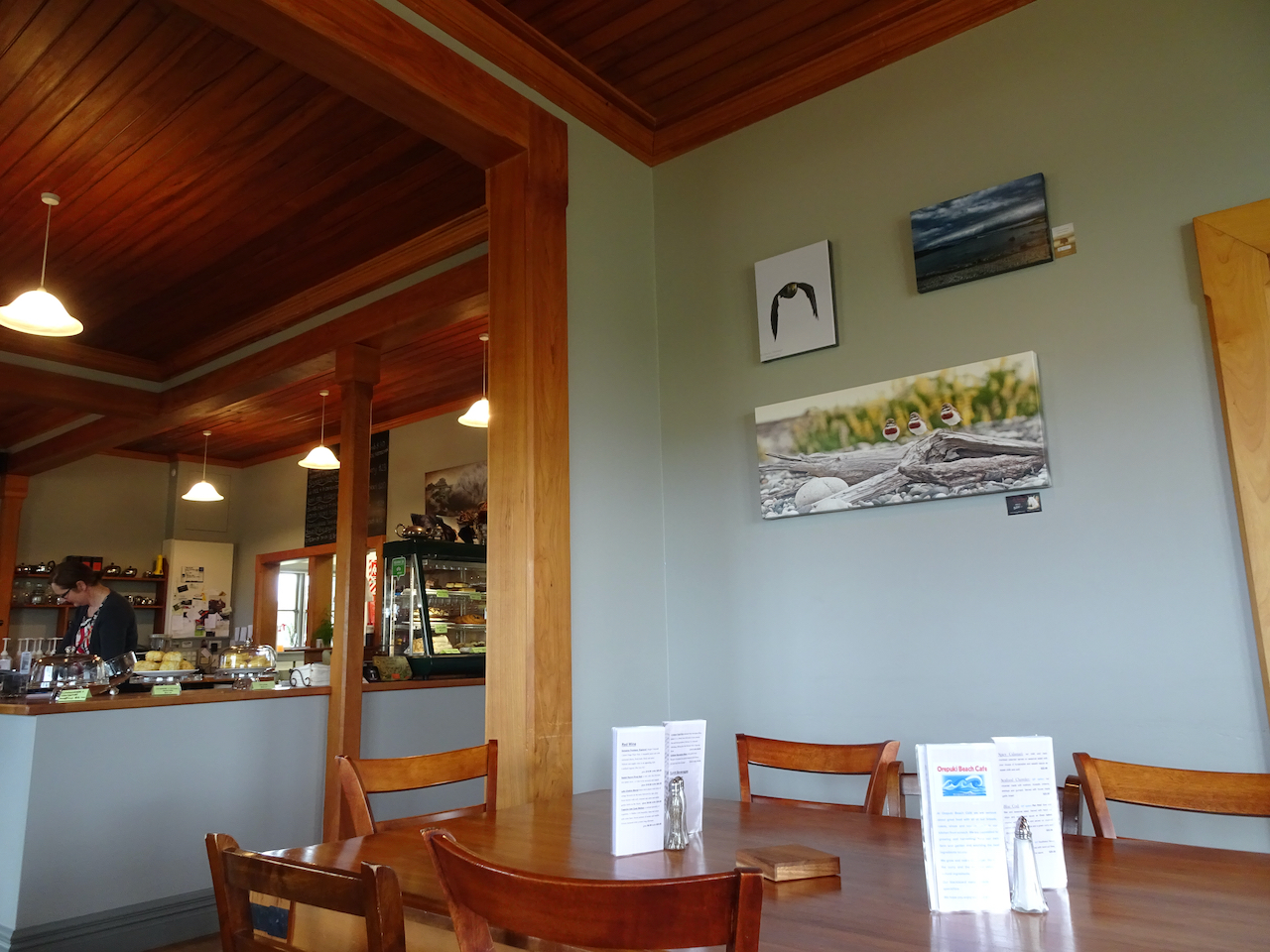
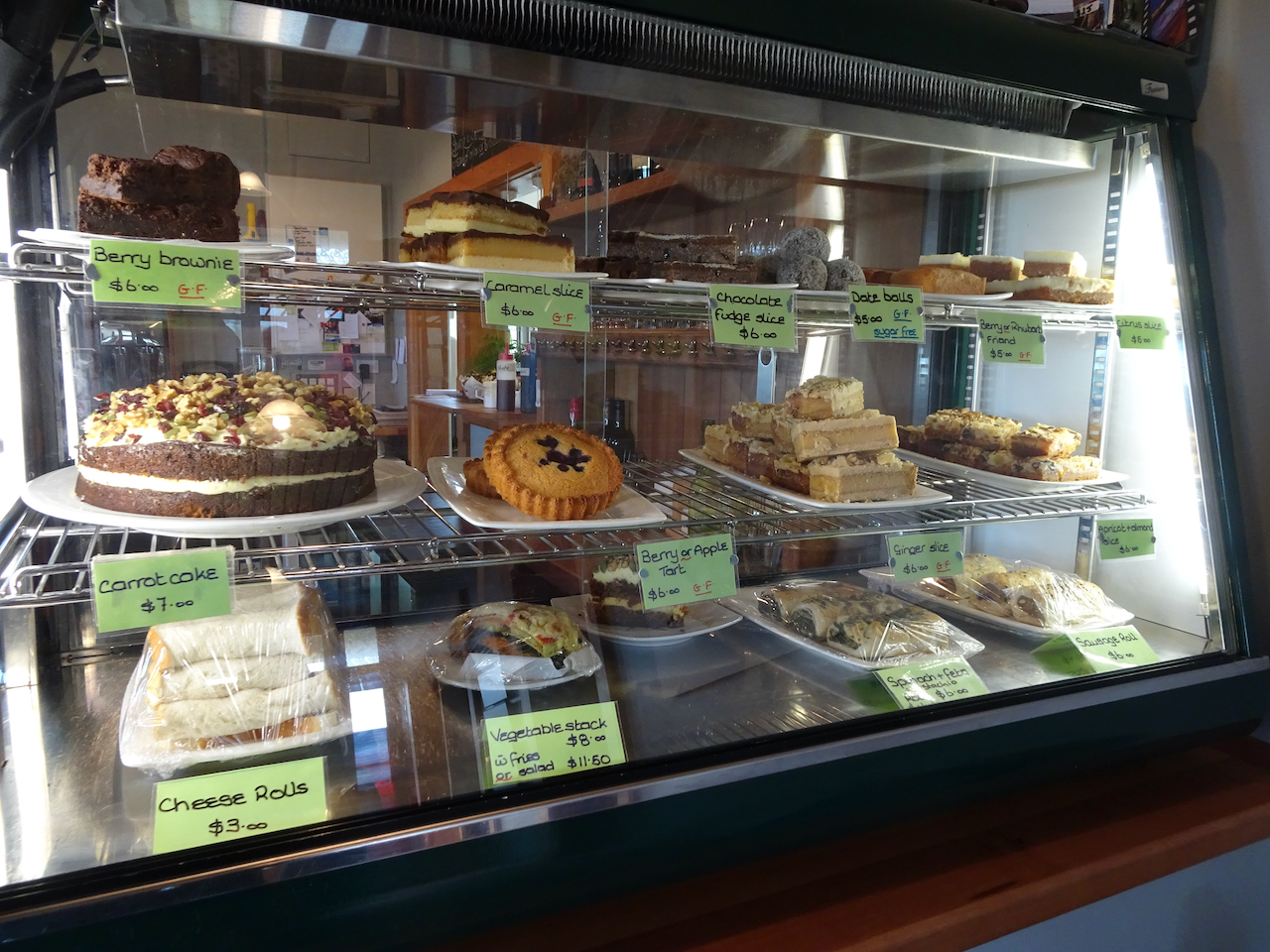
By this time, we were ready for a coffee break at the Orepuki Beach Cafe.

DSC06671

Lovely setting and delicious cakes!

DSC06675

Monkey Island Beach

We took a short walk at another beautiful beach – at low tide one can walk out to the island.

DSC06693

Monkey Island Beach

DSC06683

Monkey Island

DSC06677

Westward view

DSC06684DSC06688DSC06690

Long Hilly Walking track

Next we went on a short hike on the Long Hilly Walking Track to Round Hill, through historic gold mining areas of the 1870’s.

DSC06694

DSC01241

Tree fern forest

DSC06698

DSC06712

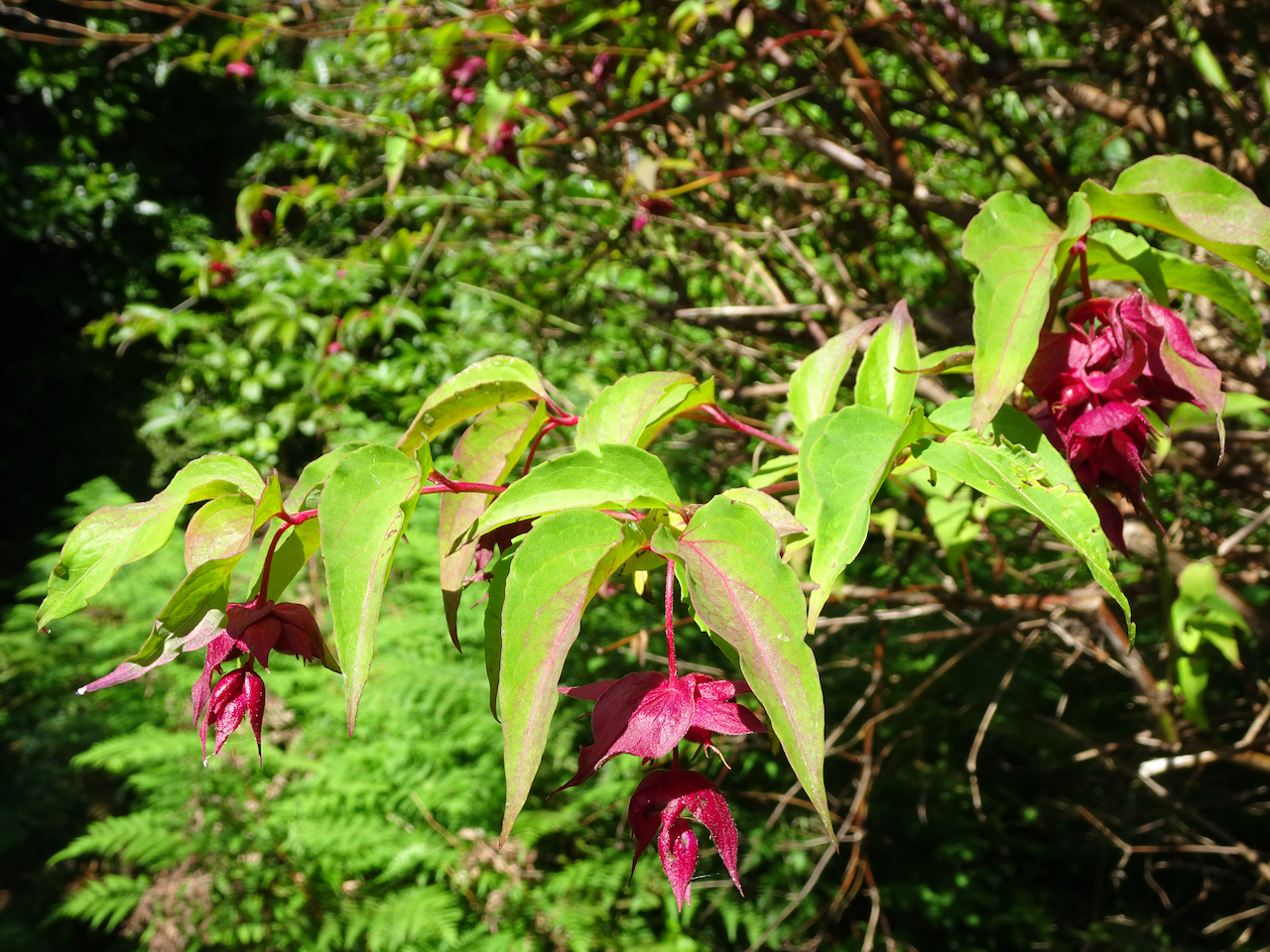
Tree fuchsias

DSC06717

DSC06722

Historic mining ventures

Riverton

We continued our drive along the southern coast to the town of Riverton,

DSC06728

Riverton, Pourakino River Bridge

DSC06733

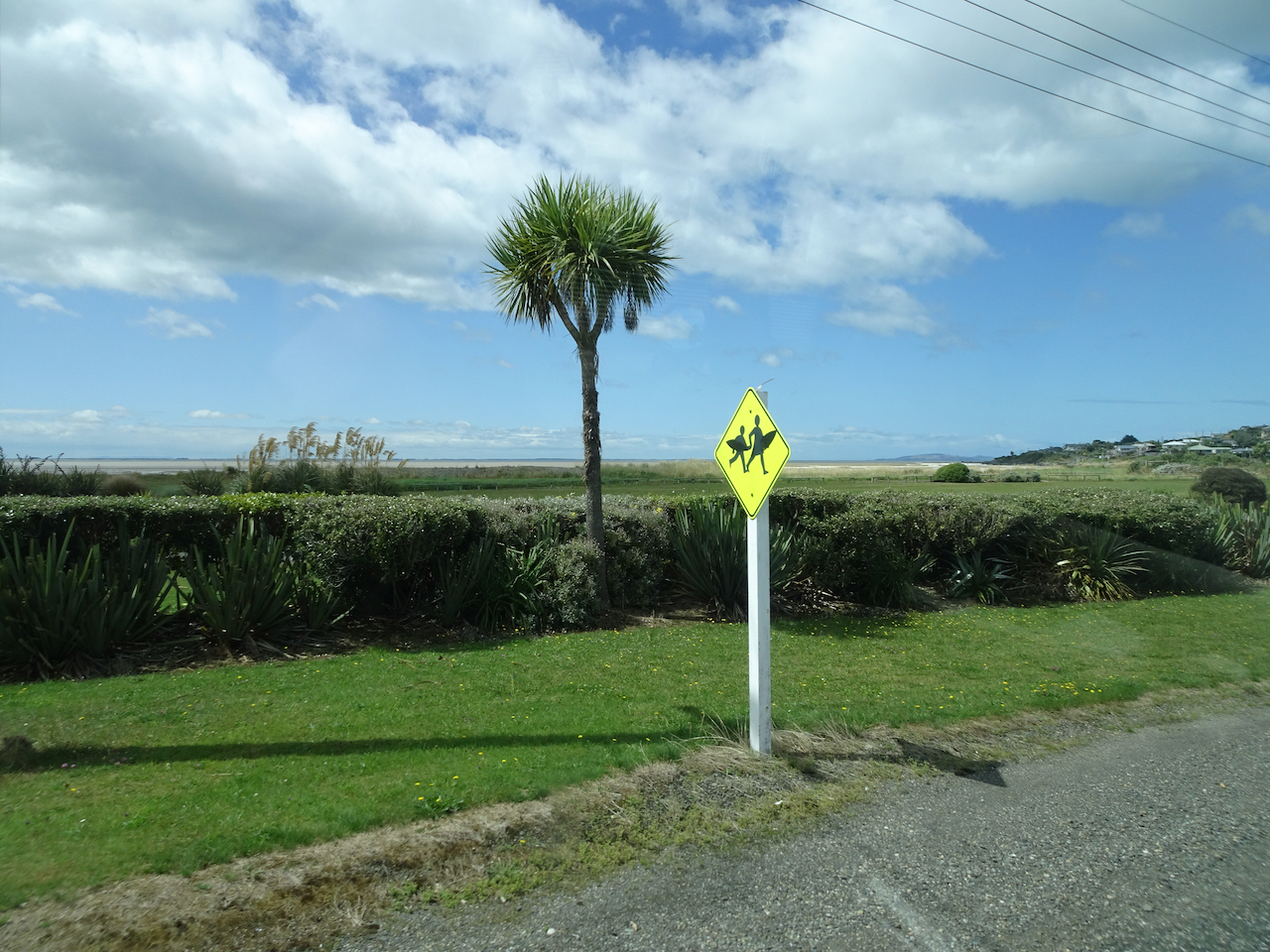
Surfer crossing 

then to a beach cove along the drive to Howell’s Point for our lunch break.

DSC06737

Cove with picnic bench along Rocks Road

DSC06758

Lunchtime

DSC06745

Exploring the cove…

DSC06754DSC06755DSC06753

After lunch, we stopped to see the view to the south from Howell’s Point:

DSC06760

Bluer water away from the river

DSC06766

Red billed gulls on the beach

Hilltop Lookout

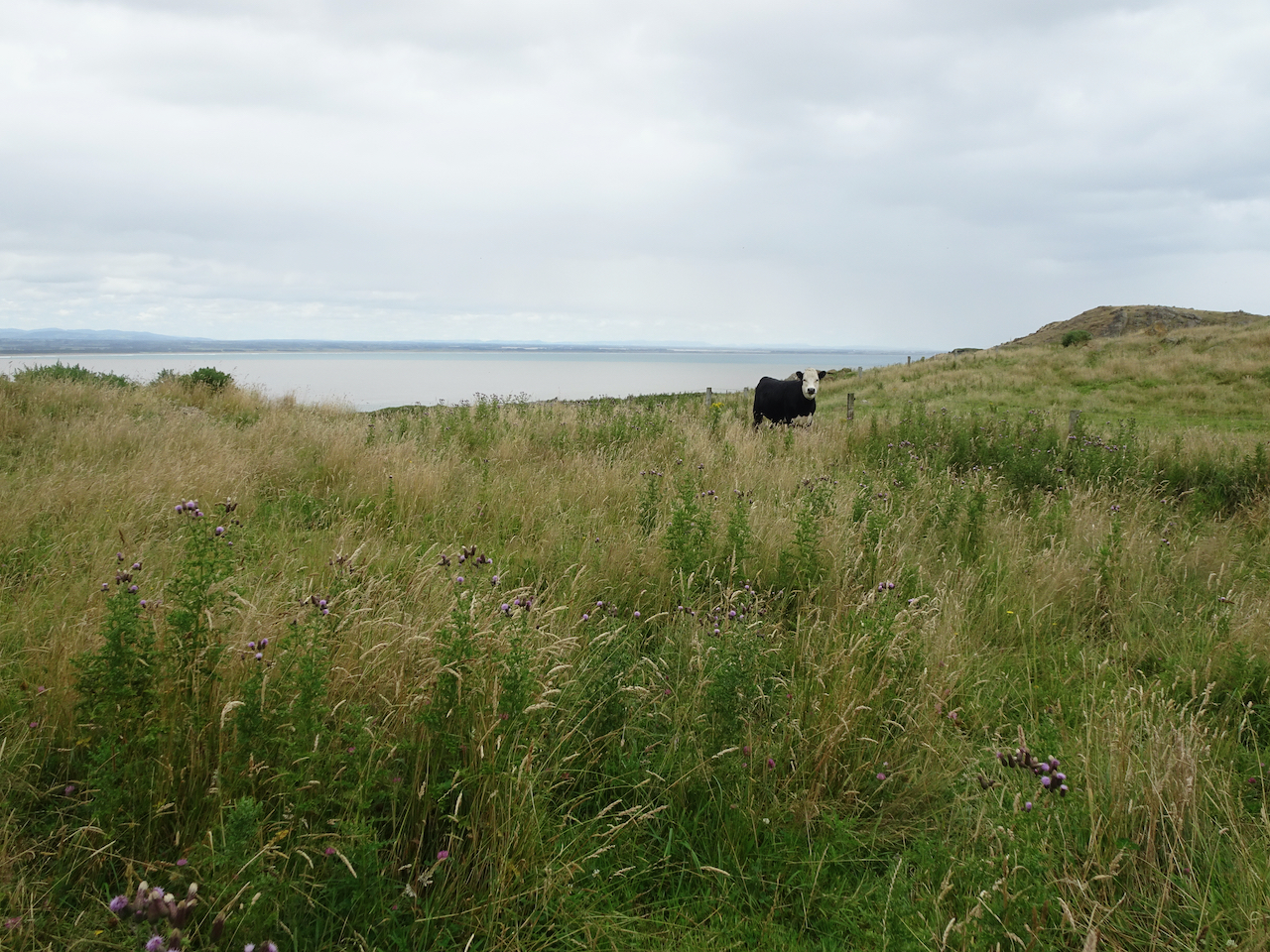
Next, we took another hill walk over the headland – past cows and Balancing Rock.

DSC06770DSC06768DSC06776

DSC06781

Balancing Rock

DSC06782DSC06783DSC06785

DSC06789

And a cow…

After the hike, we drove back to Te Anau, with our guides keeping touch with the flood status of the roads for tomorrow.

DSC06796

Driving back through Riverton

DSC01307

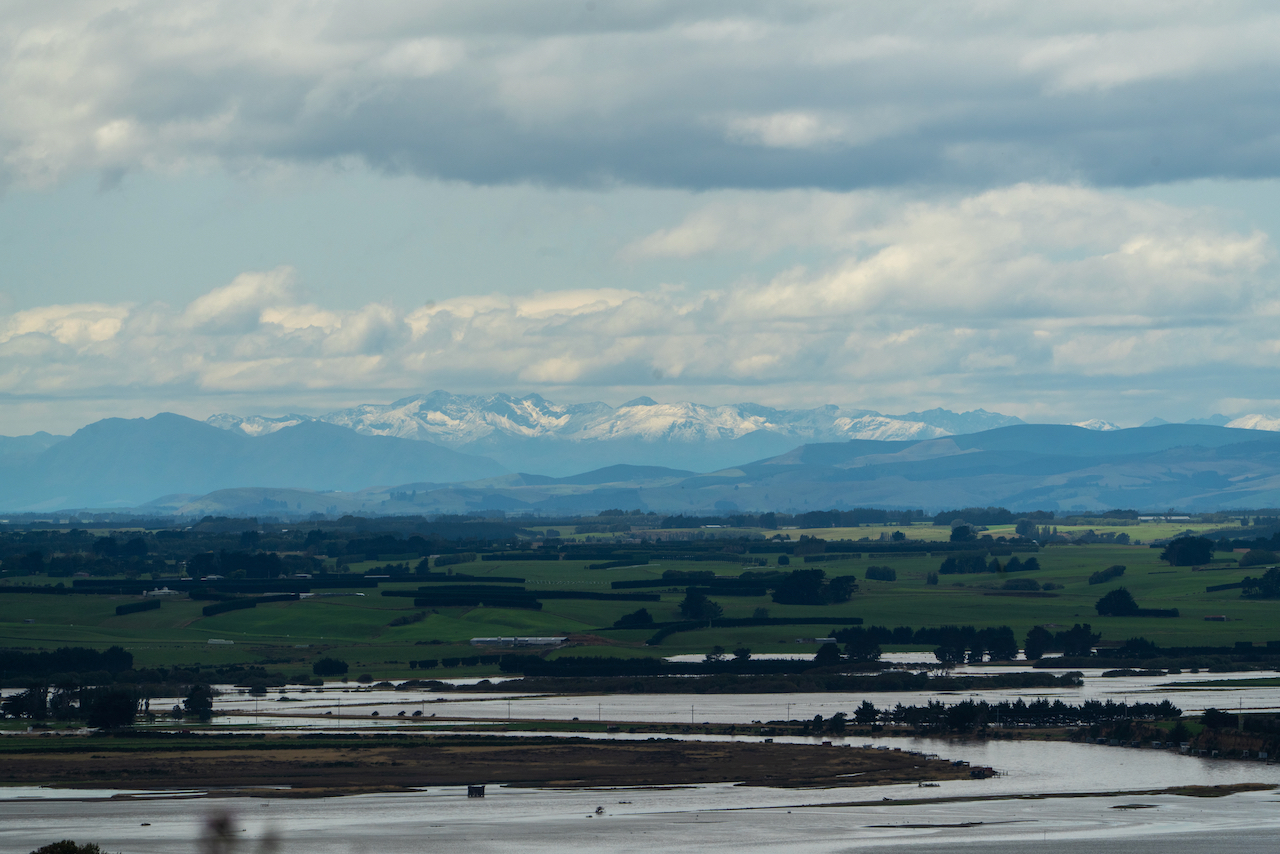
View of the flooding rivers and the southern alps beyond

IMG_0360

Sheep again, and the Tasman Sea

Te Anau Bird Sanctuary

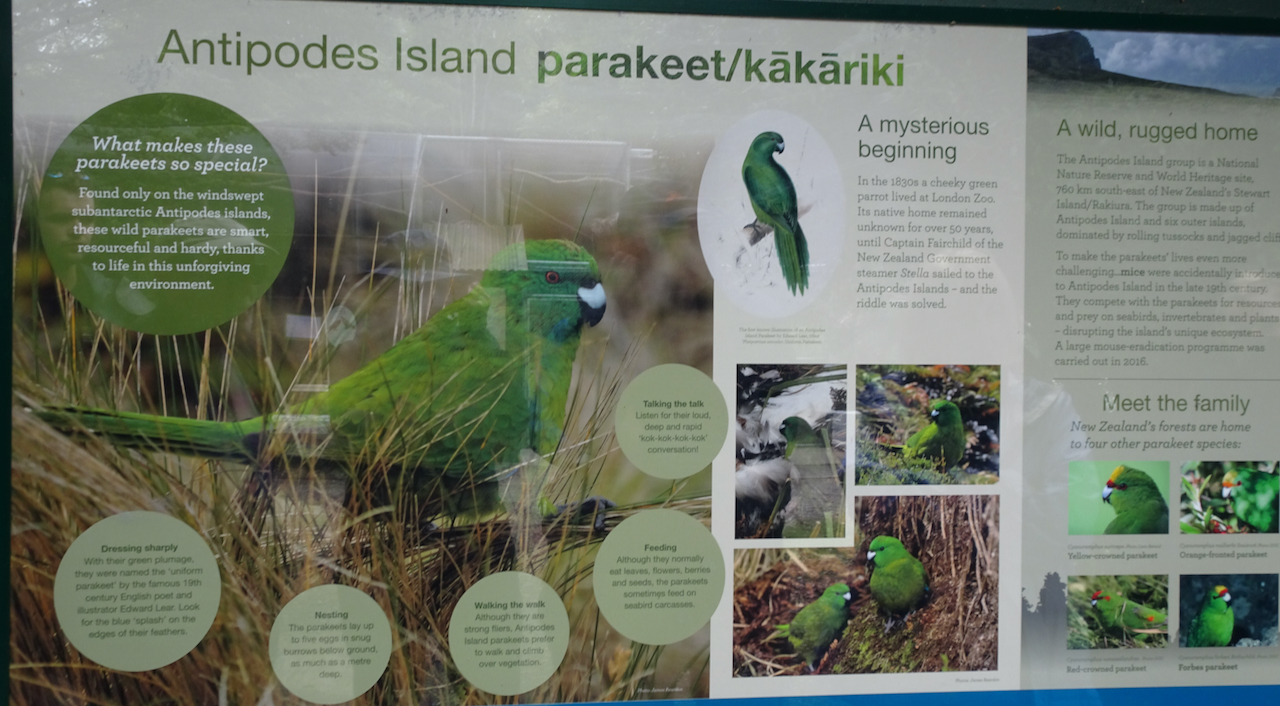
We arrived back in Te Anau with time to visit the Bird Sanctuary. Here was a chance to see some of the endangered birds that are endemic to New Zealand. It was a challenge to get good photos through the chain link fencing.

DSC06803

Entrance to the Birdpark.

DSC06816

First, the parakeet/kakarike:

DSC06810DSC06815

Next, the parrot/kaka:

DSC06820DSC06822DSC06829

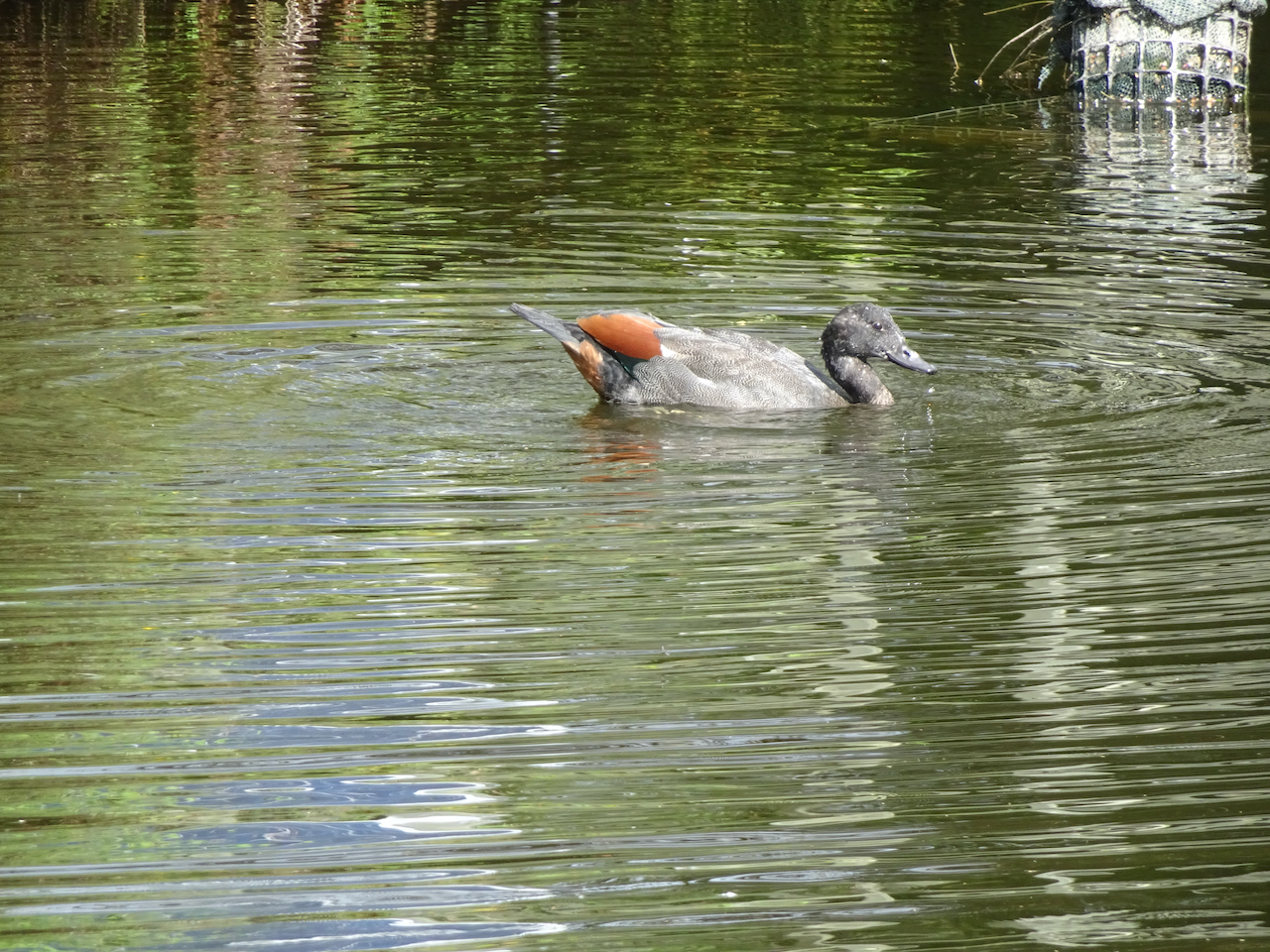
We walked past the lake area, and saw some waterfowl…

DSC06848

DSC06842

Paradise shelduck

DSC06832

And last we spent quite a bit of time admiring the flightless Takahe, who were running around free range in their enclosure. There were several adults and a chick. they were very odd and fascinating to watch, and gave us a good final interesting new thing for the day.

DSC06849DSC06850

DSC06863

Takahe are about the size of a chicken

DSC06870

Takahe chick being fed

DSC06892

Both beaks and feet look formidable!

DSC06895

Takahe

I enjoyed our improvised day in Southland. It was all new landscape to me, and as with everyday day so far, brought me surprising new views and experiences. Tomorrow, we were returning to our originally scheduled tour, and going back to Queenstown to take a hike up a mountain called Ben Lomond.
DSC06804

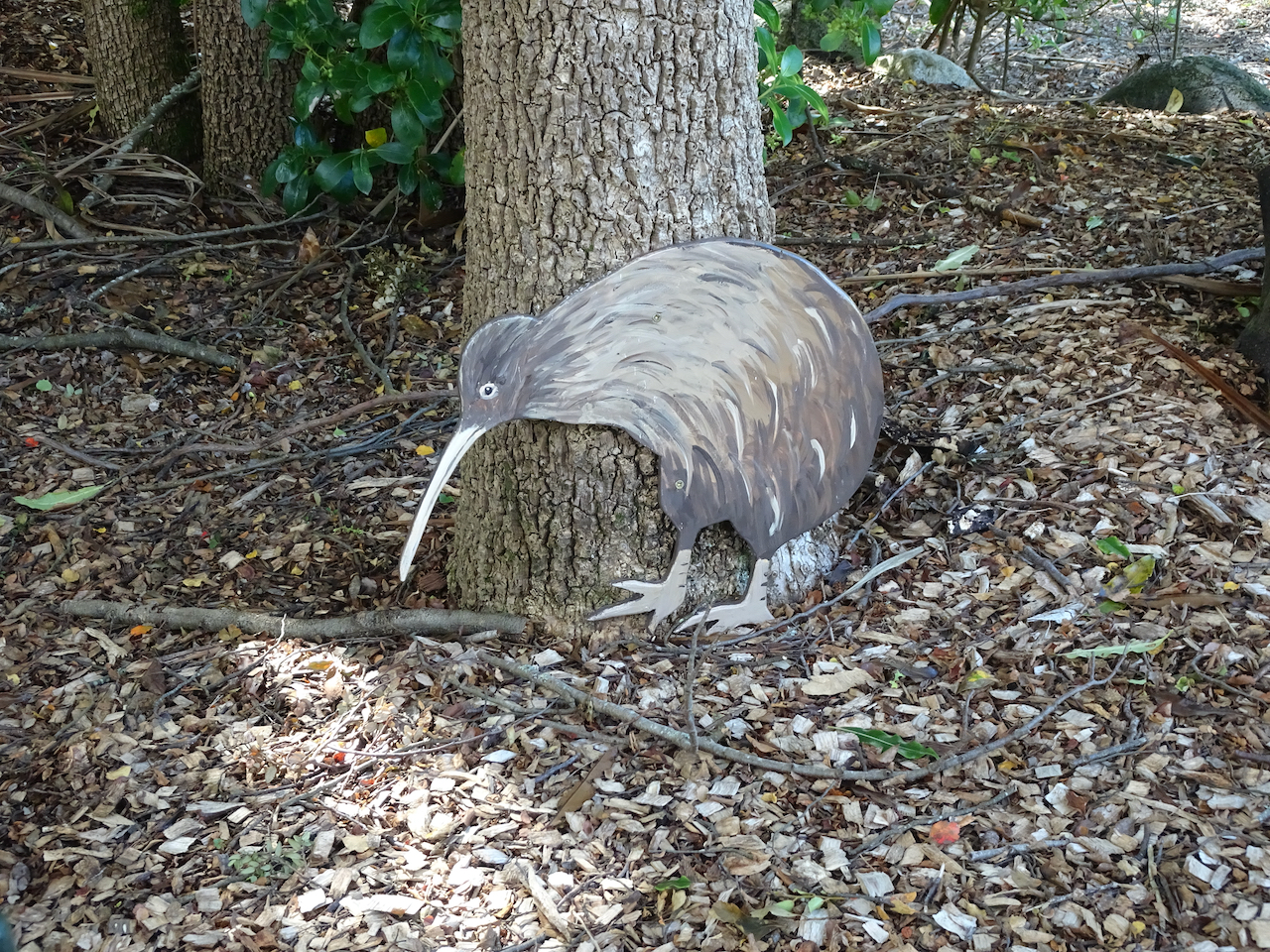
The only kiwi bird we saw at the bird sanctuary. It is extremely rare to see one anywhere, as they are nocturnal and almost extinct. There are a few refuges one can visit, but we did not seen on our trip.

NZ2020: Days 10 and 11, Walking the Kepler Track near Te Anau, lots of rain, and a film

February 3rd and 4th, 2020 – Te Anau, New Zealand. After returning from our Doubtful Sound cruise, we were supposed to go to Milford Sound. As described in my earlier post, we were experiencing extreme rain and flooding throughout Fiordland. Many roads were washed out. Our guides improvised some other adventures for us, based near Te Anau.

DSC06575

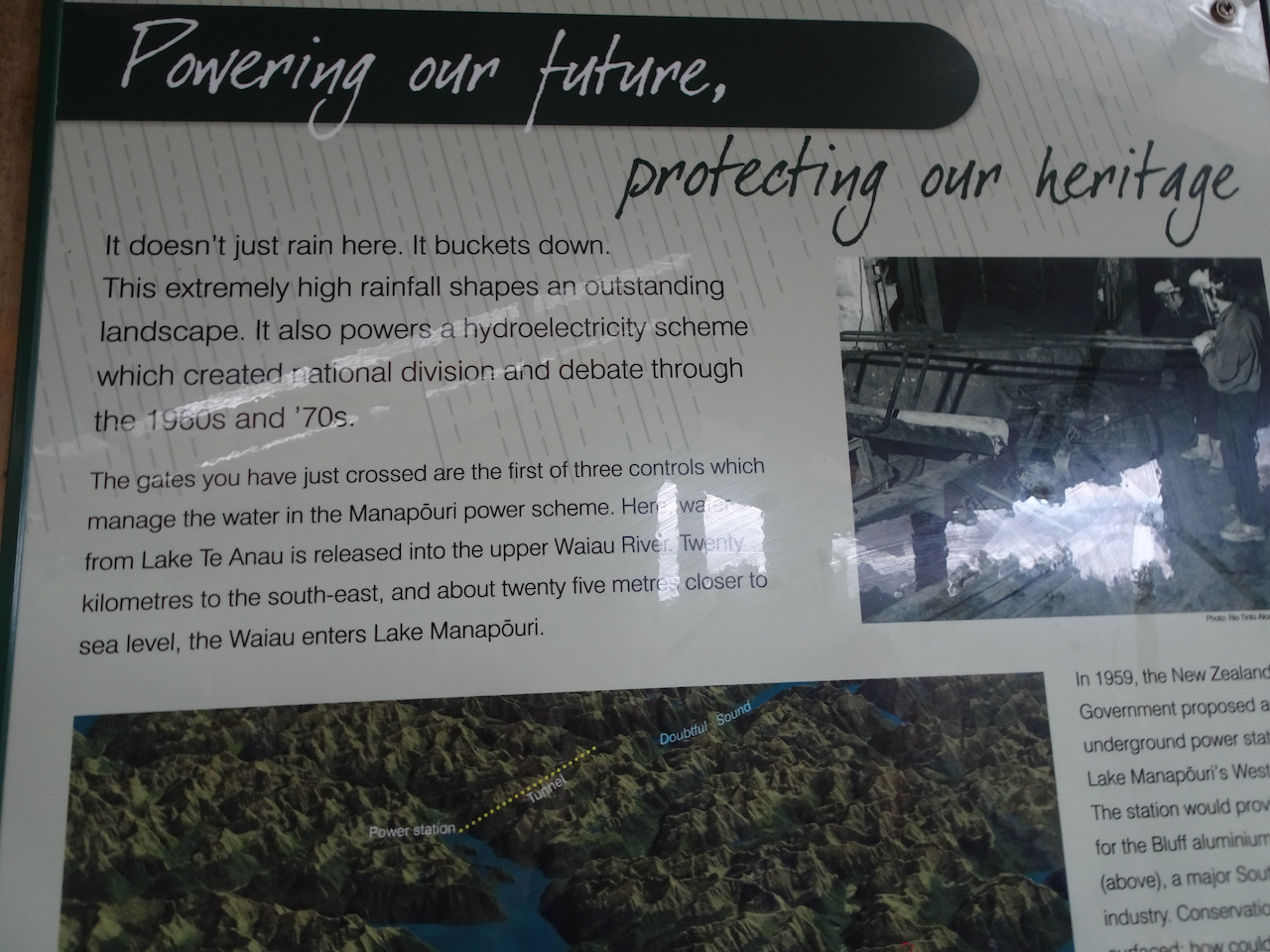
Trail sign, locations of our next two hikes circled. The diagram shows how these lakes are interconnected to the huge hydropower scheme that ends up at Doubtful Sound, where we were the previous day.

DSC06576

Yes, it rains!

February 3, 2020

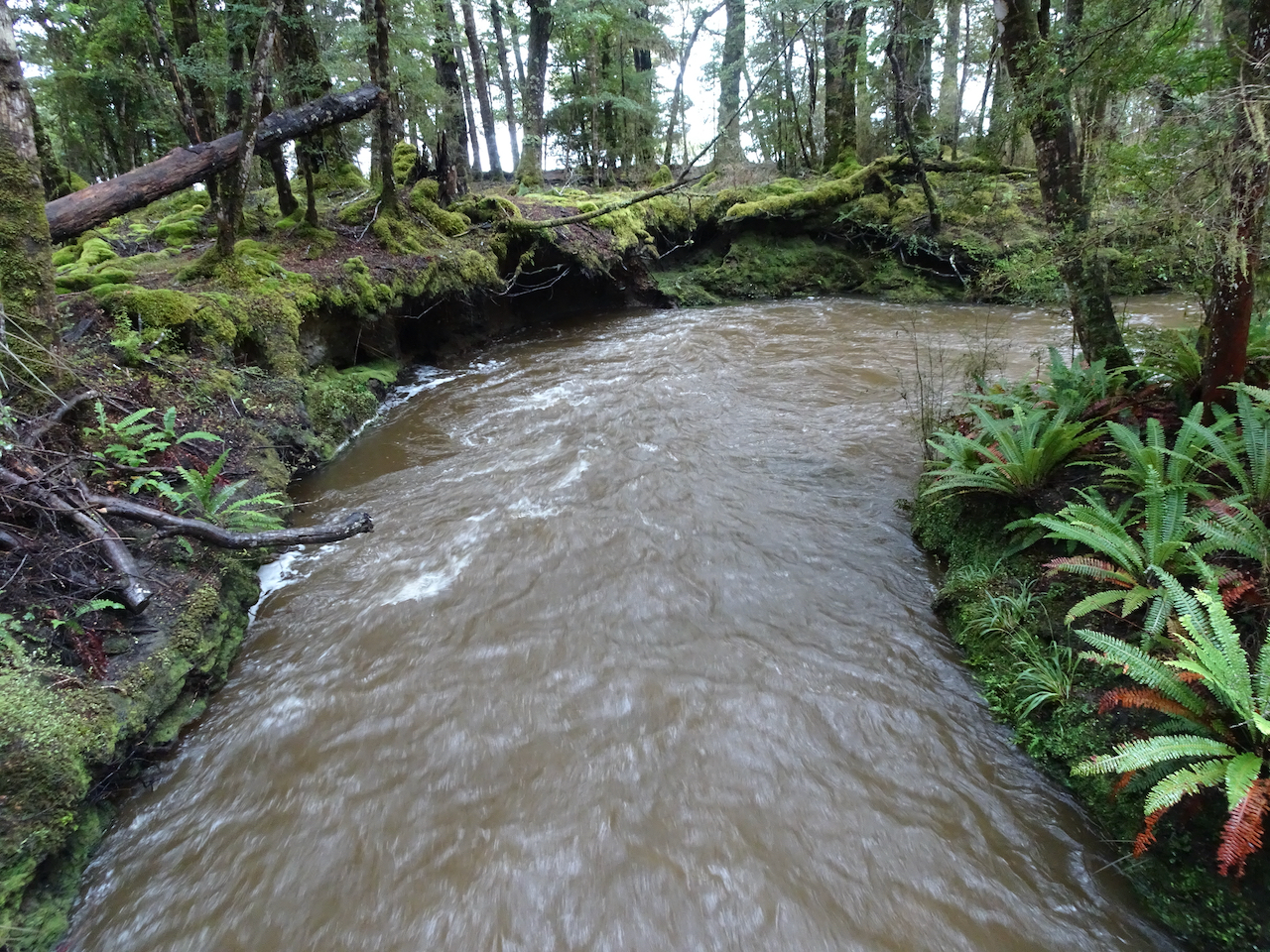
After lunch, we zipped up our rain gear and set off on a 6 mile hike near the shores of Lake Te Anau on the Kepler Track.  We passed through beautifully green rainforest, and crossed a river that was swollen with runoff. We paused at Brod Bay on Lake Te Anau, our turnaround point, then walked back the way we came.

DSC06564

Starting off on the Kepler Track in our rain gear.

DSC06566

A swollen creek entering the lake.

DSC06567

DSC06569

Brod Bay beach, turnaround point.

DSC06570

Walking through the rain forest.

DSC06571

Another view toward Te Anau across the lake.

February 4, 2020

The next morning, with rain still falling, and many surrounding roads still closed, we set off on a different stretch of the Kepler Track, this time along the Rainbow Reach to Moturau Hut, a 7.5 mile hike.

We crossed the Waiau River bridge, above a swollen river.

DSC06580

Waiau River

DSC06581 

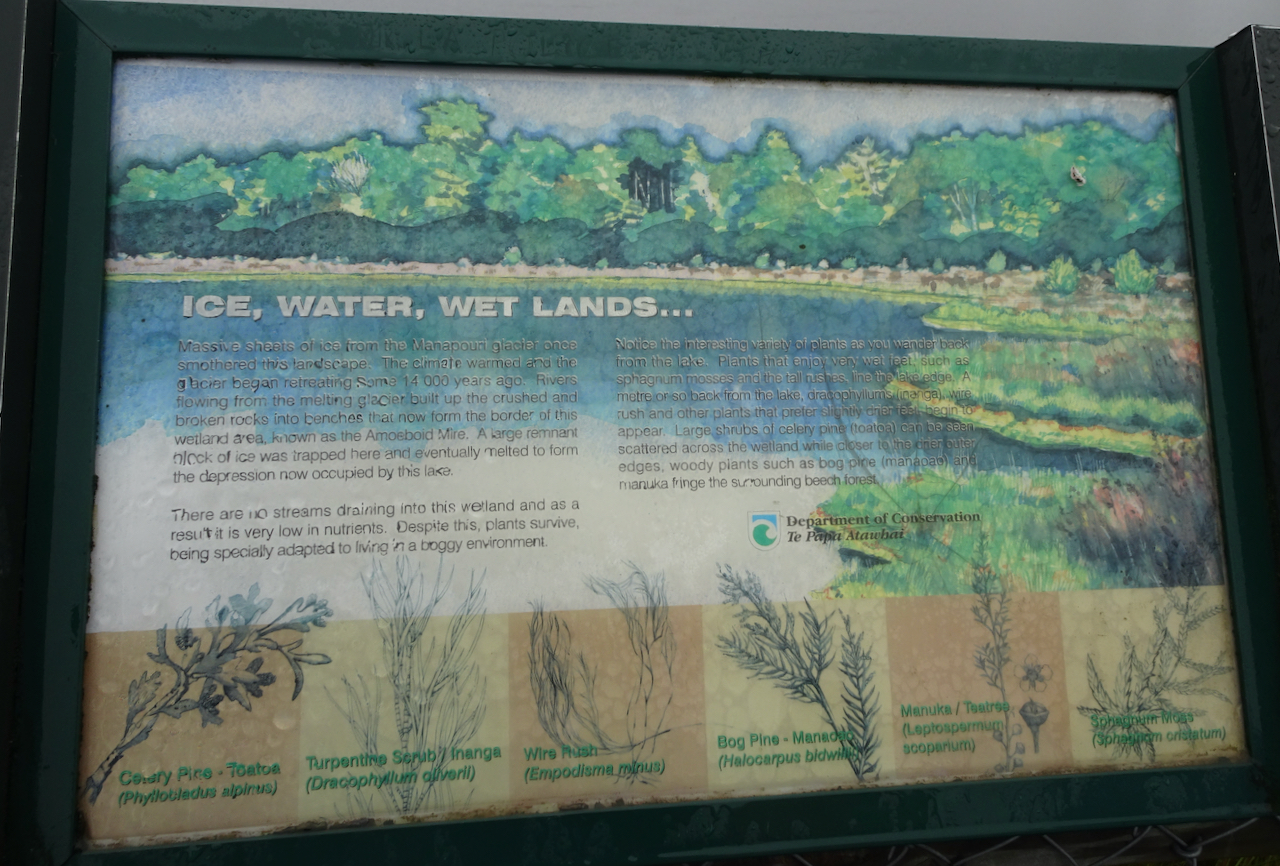
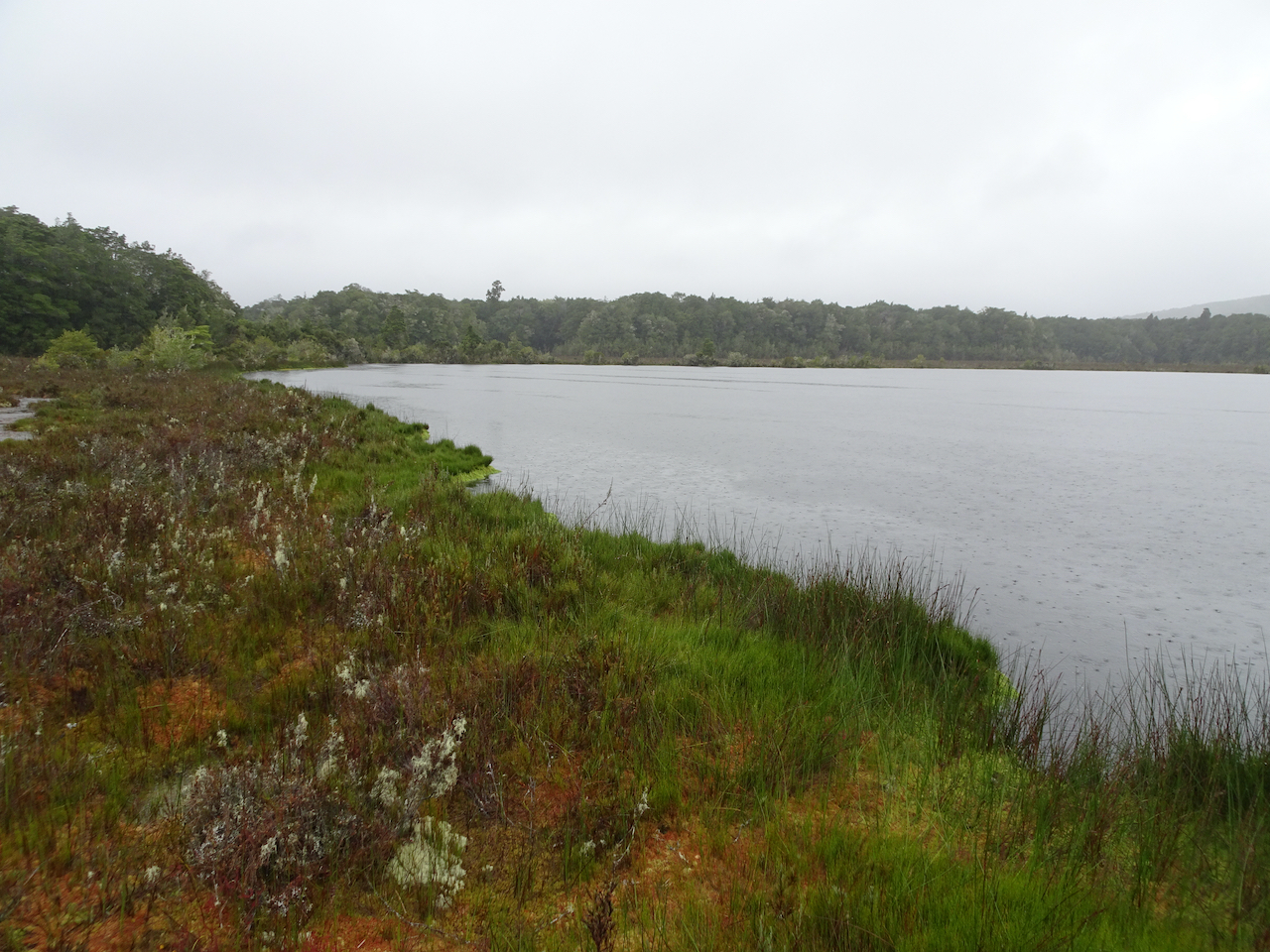
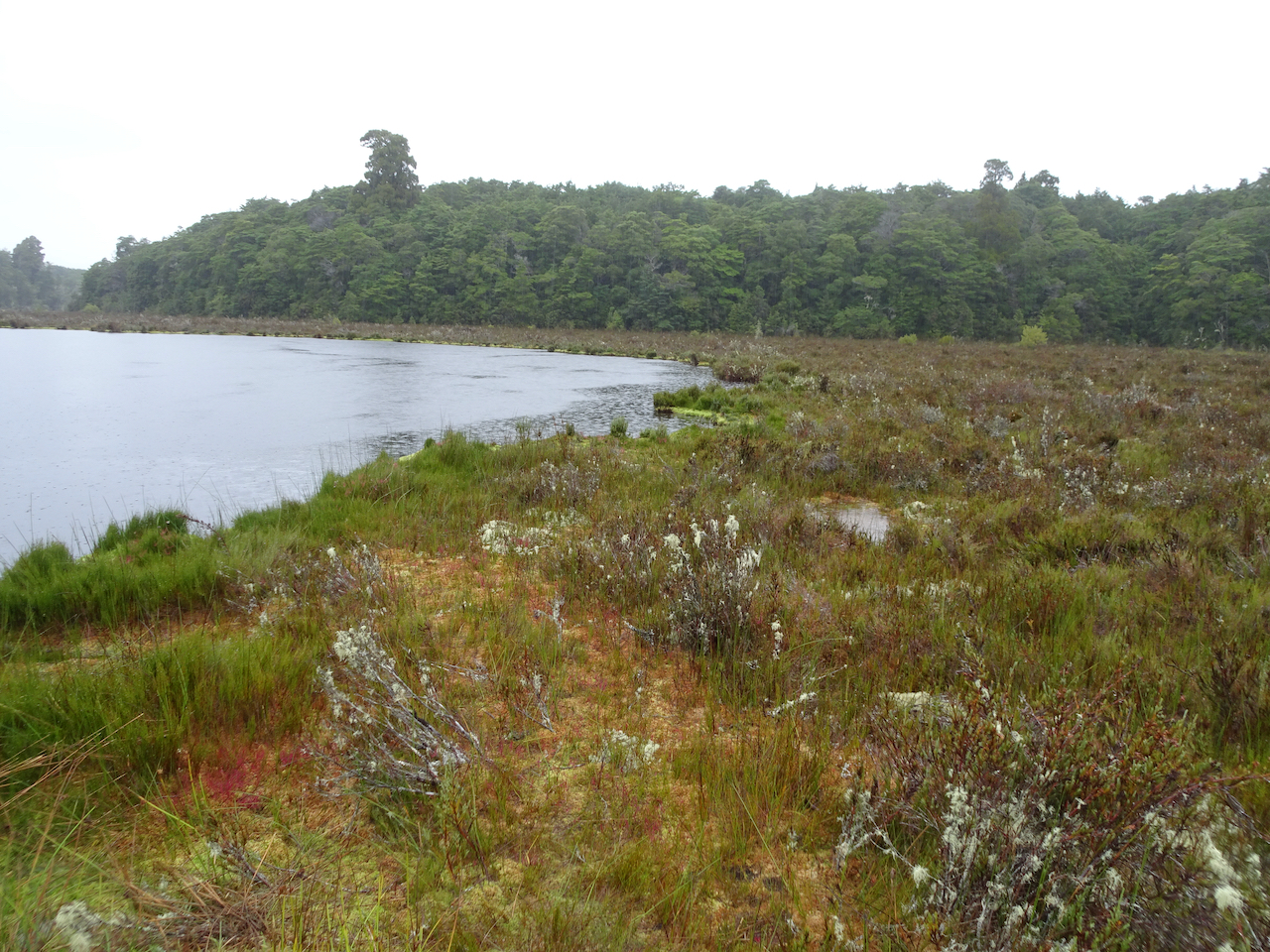
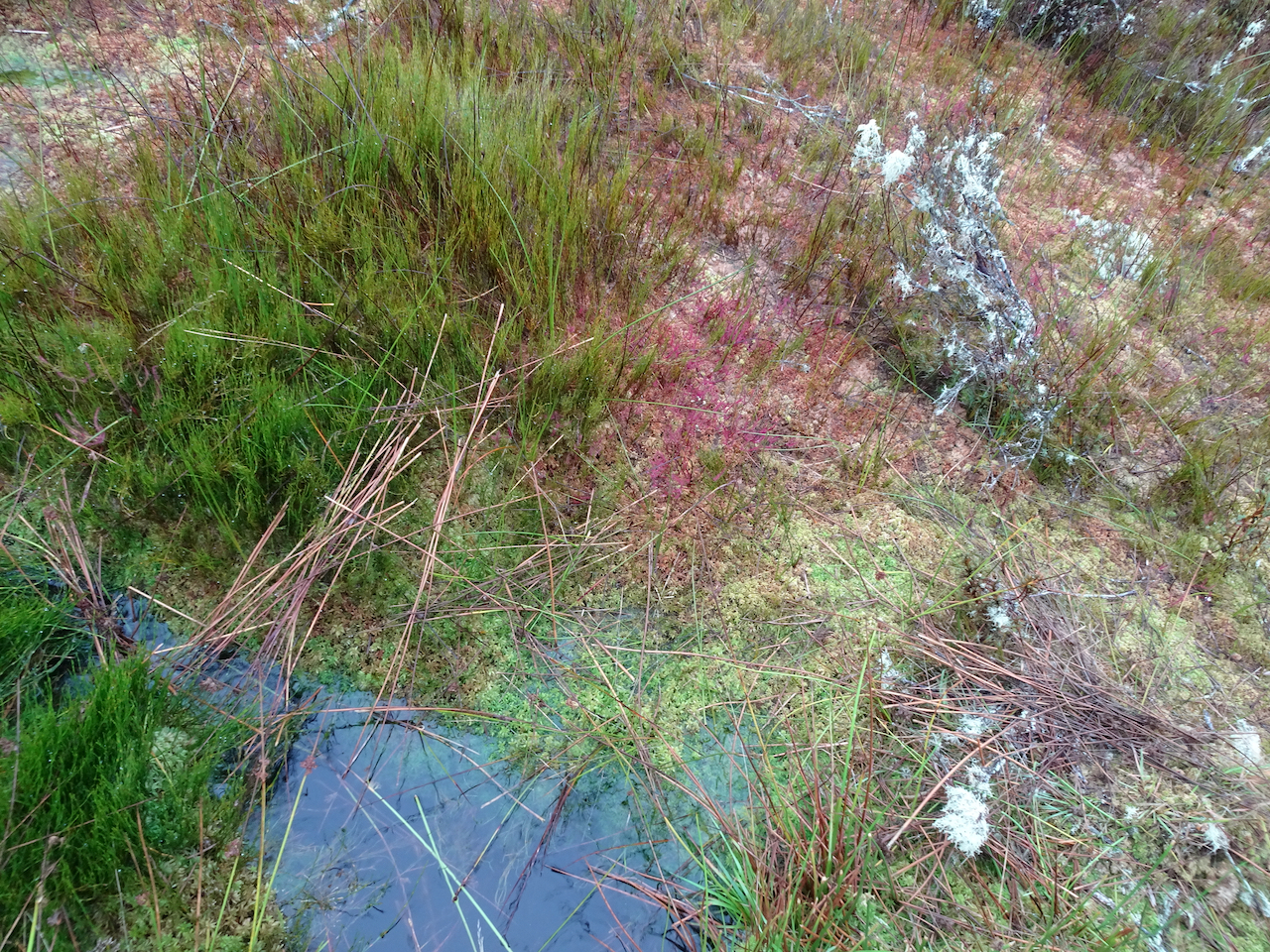
One of the highlights was passing through a wetland near Spirit Lake, with amazingly colorful plantlife and beautiful reflections in the water. On a nicer day I could have spent a lot of time here playing with the lights and reflections with my camera. 

DSC06597

Wetland side trip

DSC06592

DSC06593

Spirit Lake, rain.

DSC06599DSC06591DSC06600DSC06604DSC06616

We arrived at Moturau Hut, near Lake Manapouri, where we paused long enough to eat lunch. The rain continued to fall during our return hike, again through the lush and green rainforest.

DSC06606

View from Moturau Hut to Lake Manapouri

DSC06608

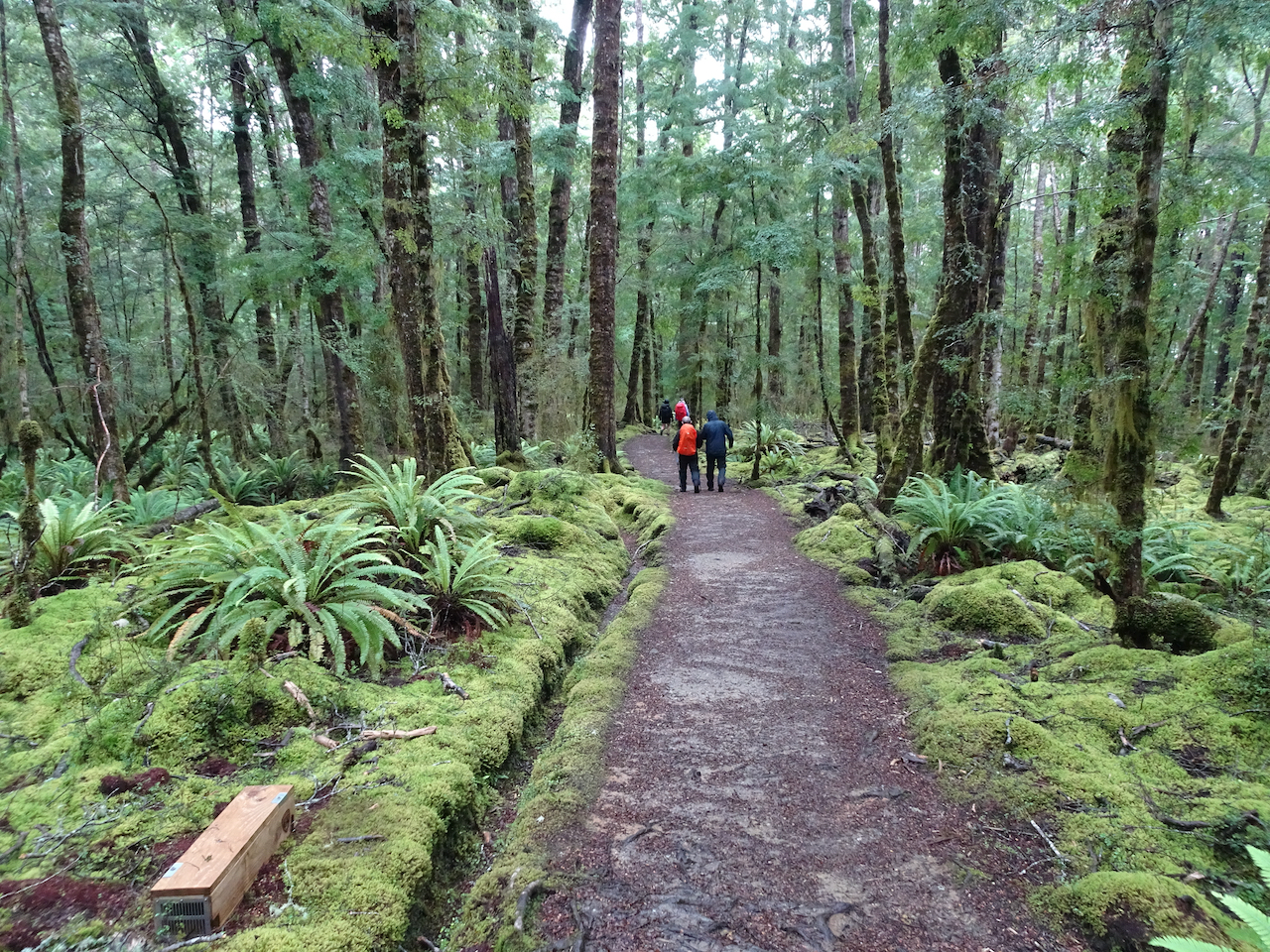
Rainforest trail with possum trap.


I took two pictures from the same vantage point, about three hours apart, that show how Waiau River still rising.

DSC06585

9:20 am

DSC06618

12:30 pm

Later that afternoon, after we had dried off, we visited a pub in the town of Te Anau, and then went to the Fiordland Cinema, and watched a film called Ata Whenua – Shadowland. The movie was made by some of the Lord of the Rings film makers, and included gorgeous cinematography and ethereal music depicting the beautiful Fiordland landscape that we could not see because of all the rain.

IMG_0351

Serious Jenga at the Redcliff Cafe.

Image 7-25-21 at 2.54 PM

Another map of our Kepler Track hikes.
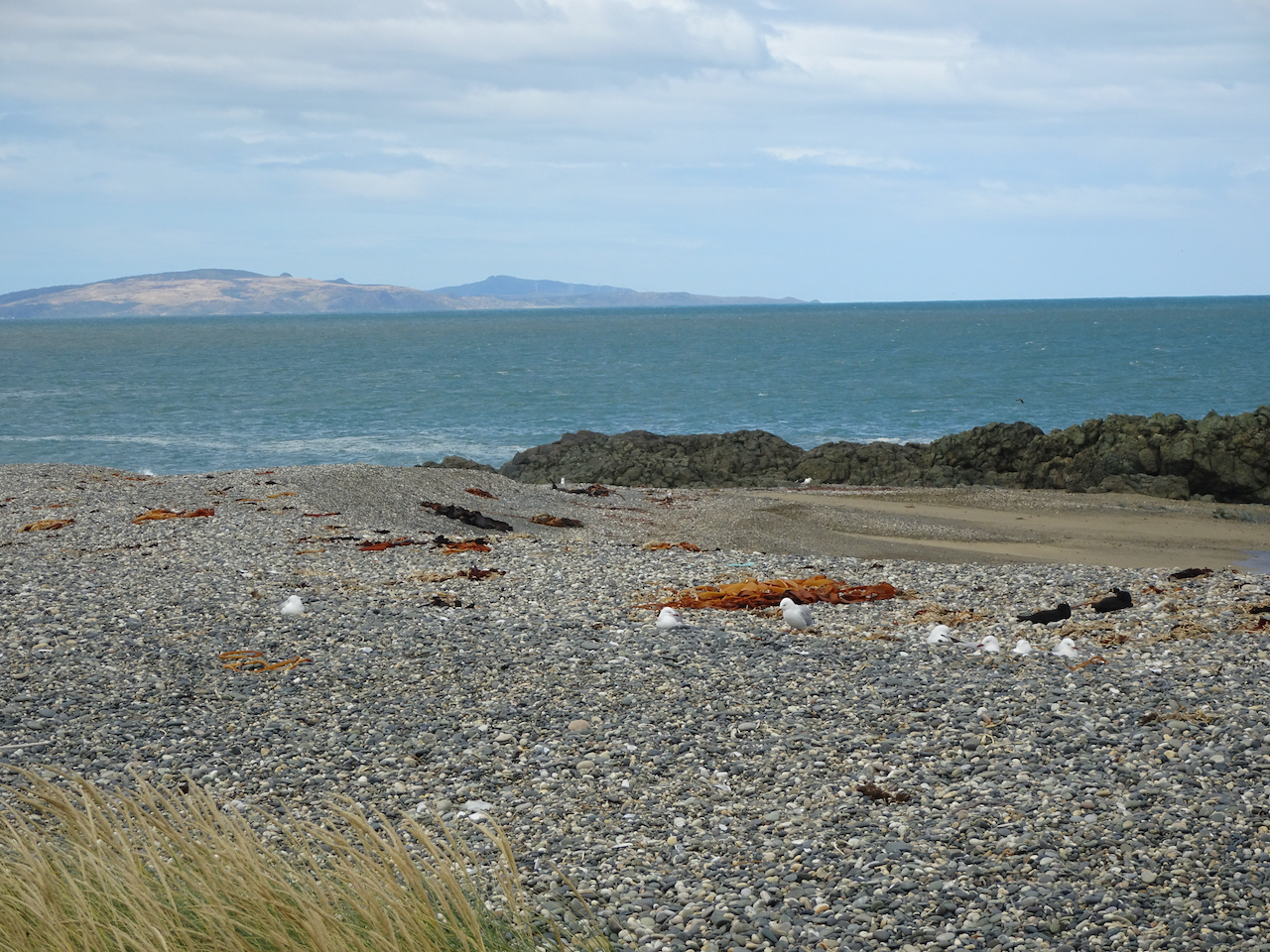
Meanwhile, our guides were creating a new agenda for the next day, an impromptu tour of Southland, since all the roads in every other direction were closed by flooding.
 

NZ2020: Days 9 and 10, Deluge in Doubtful Sound

February 2nd and 3rd, 2020: Overnight cruise on Doubtful Sound, Fiordland, NZ

After our day off in Queenstown, we began the second part of our tour by meeting three new tour members, and an additional tour guide, in our hotel restaurant. We drove south and west, from Queenstown to Manapouri, in a steady rain, with two stops along the way.

Image 9-10-20 at 6.33 PM

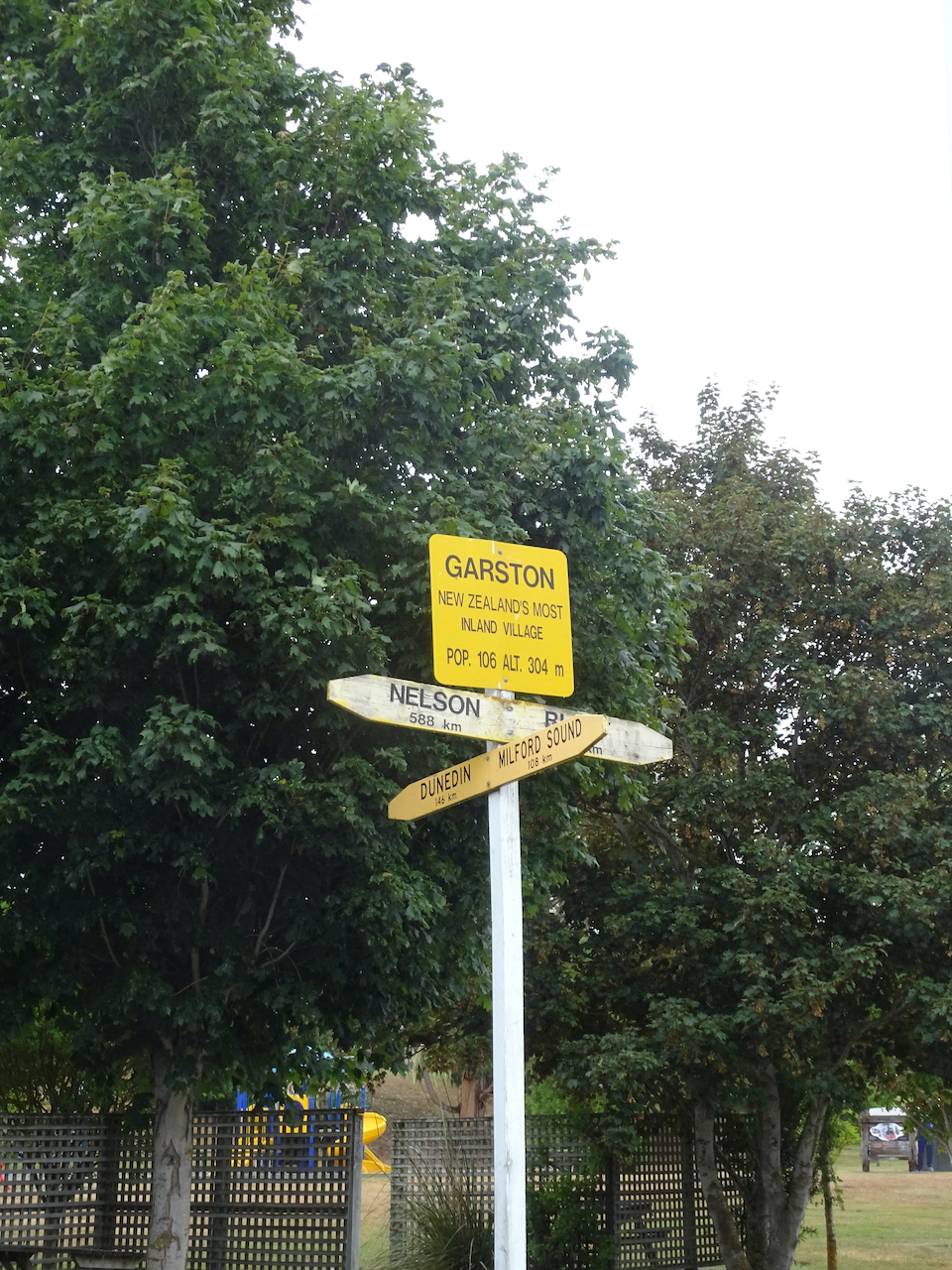
Our first break was in the town of Garston – a small inland village with a speciality in honey production. We sampled some honey, then resumed our journey. Mountains, clouds, green fields full of sheep, elk and deer whizzed by, through the rain.

DSC06307DSC06308

We next took a short leg stretching break at a wilderness reserve that demonstrated the native plant communities that are typical of this cold, mountainous inland area before European settling and agriculture. We took in what we could, but the rain and clouds obscured mountain views and much exploring.

DSC06315

DSC06318

View to the Southern Alps.

DSC06321

DSC06324

Closer view of some of the plants.

Off we went again, this time to our final tour bus destination – Pearl Harbor in Manapouri, where we began our overnight in Doubtful Sound adventure. We said goodbye to one of our guides for the moment, as he was staying with the bus. To get to Doubtful Sound, deep in the mountains of the Southern Alps, one must take a ferry boat across Lake Manapouri, to the far shore.

DSC06325

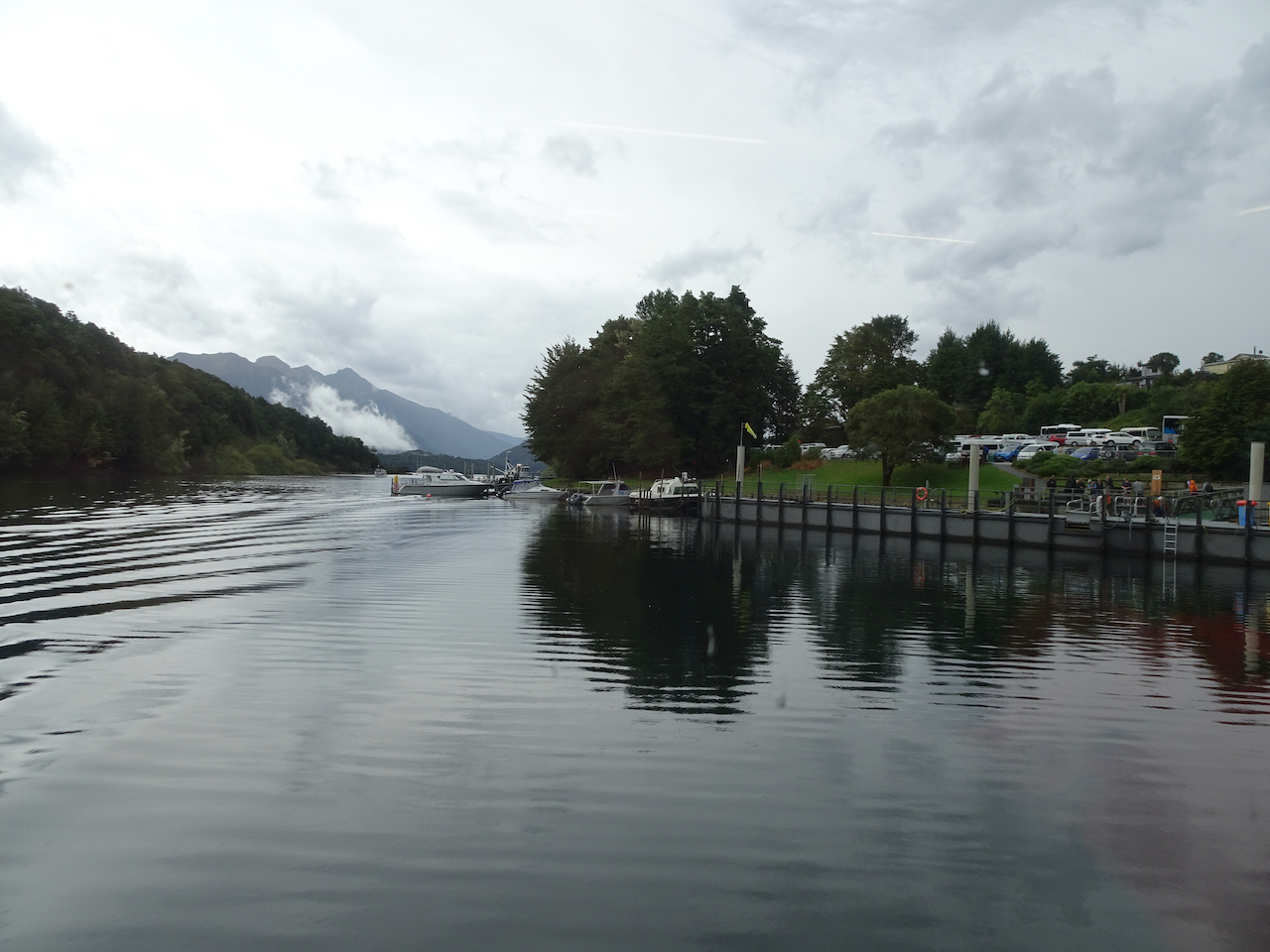
Crossing Lake Manapouri by ferry.

DSC06332

Next we boarded a bus that took us over the steep, 13 mile long Wilmot Pass Road, then down to Deep Cove Dock at Doubtful Sound. There, we boarded the Fiordland Navigator, our home for the next 24 hours.

DSC06552

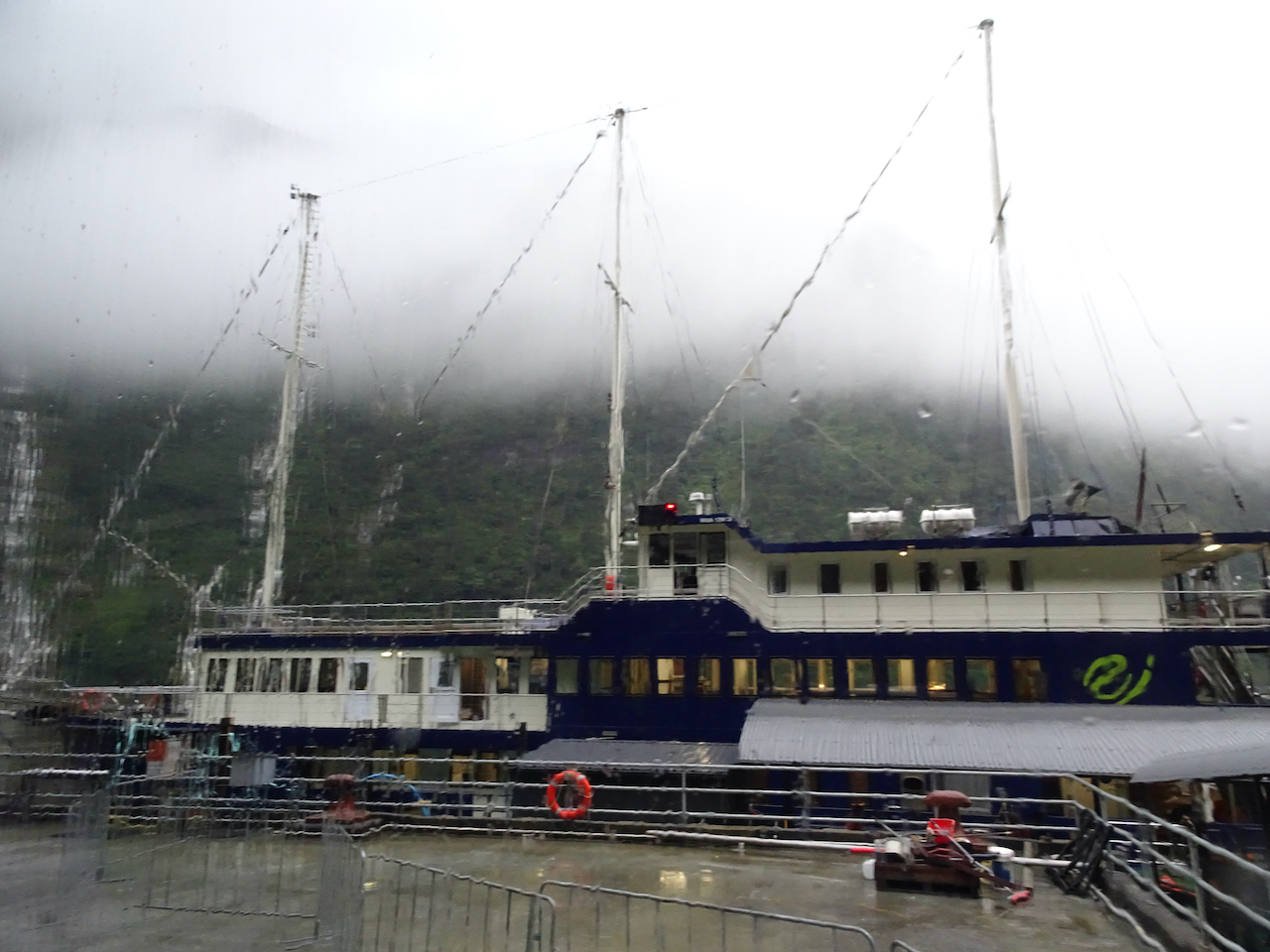
Fiordland Navigator, from the bus window, in the pouring rain.

The Navigator was a very comfortable ship with an experienced, multitasking crew that choreographed our time on board with a well crafted schedule. The 42 passengers were shown into the main cabin/dining salon. We received our safety briefings, and were assigned our sleeping accommodations – for us, a private cabin, but for most, four bed bunk rooms.

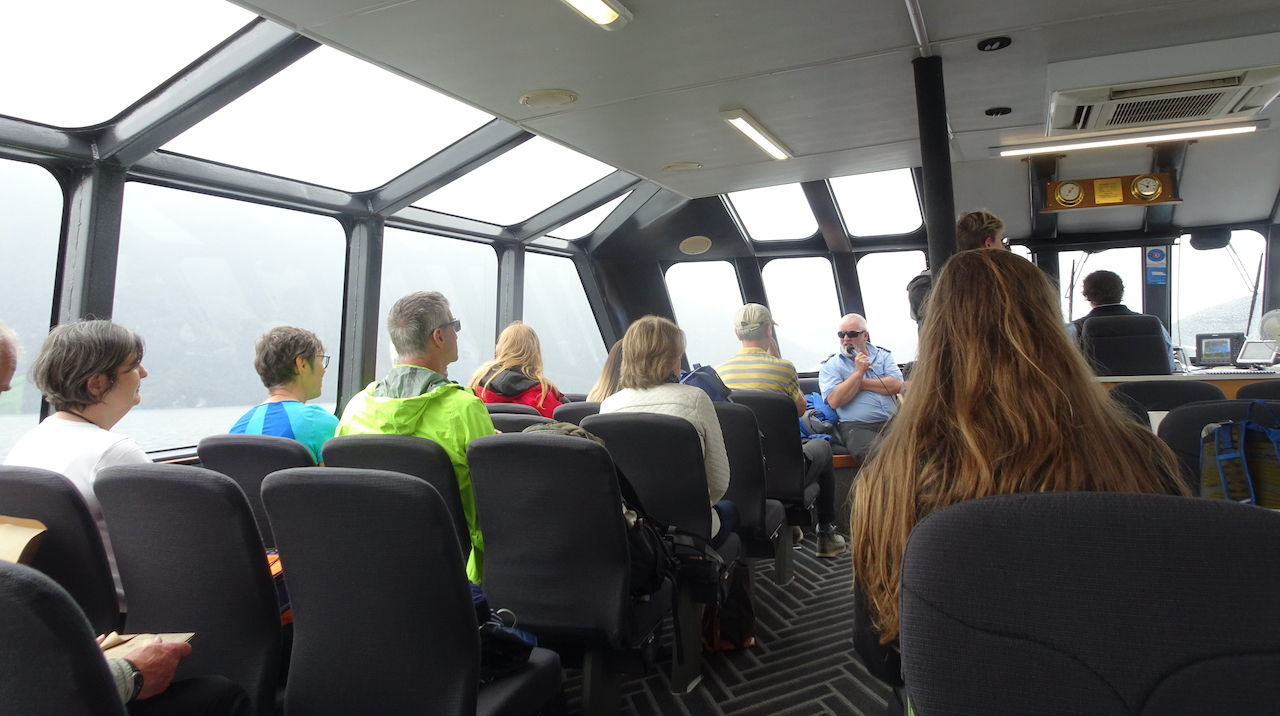
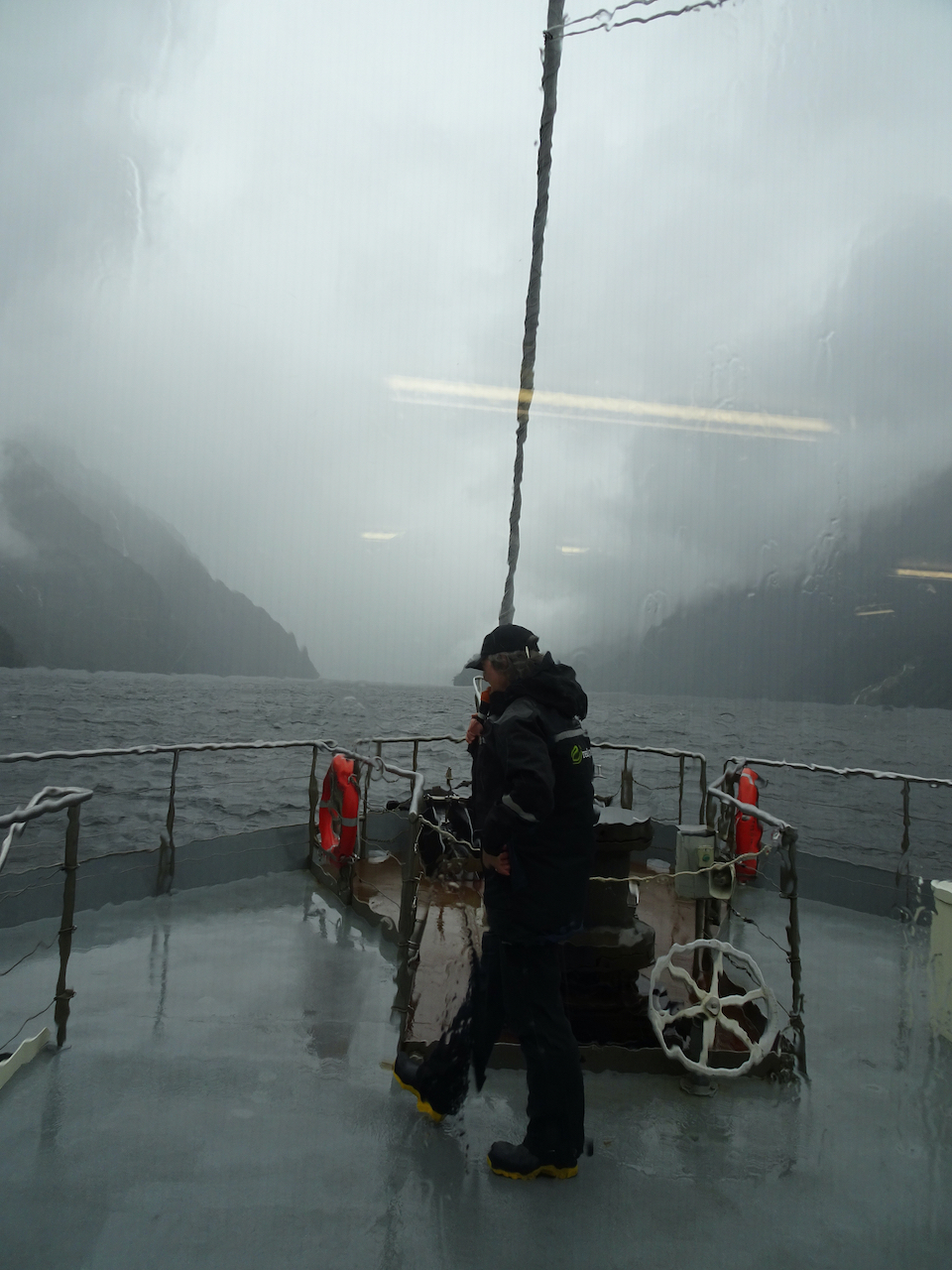
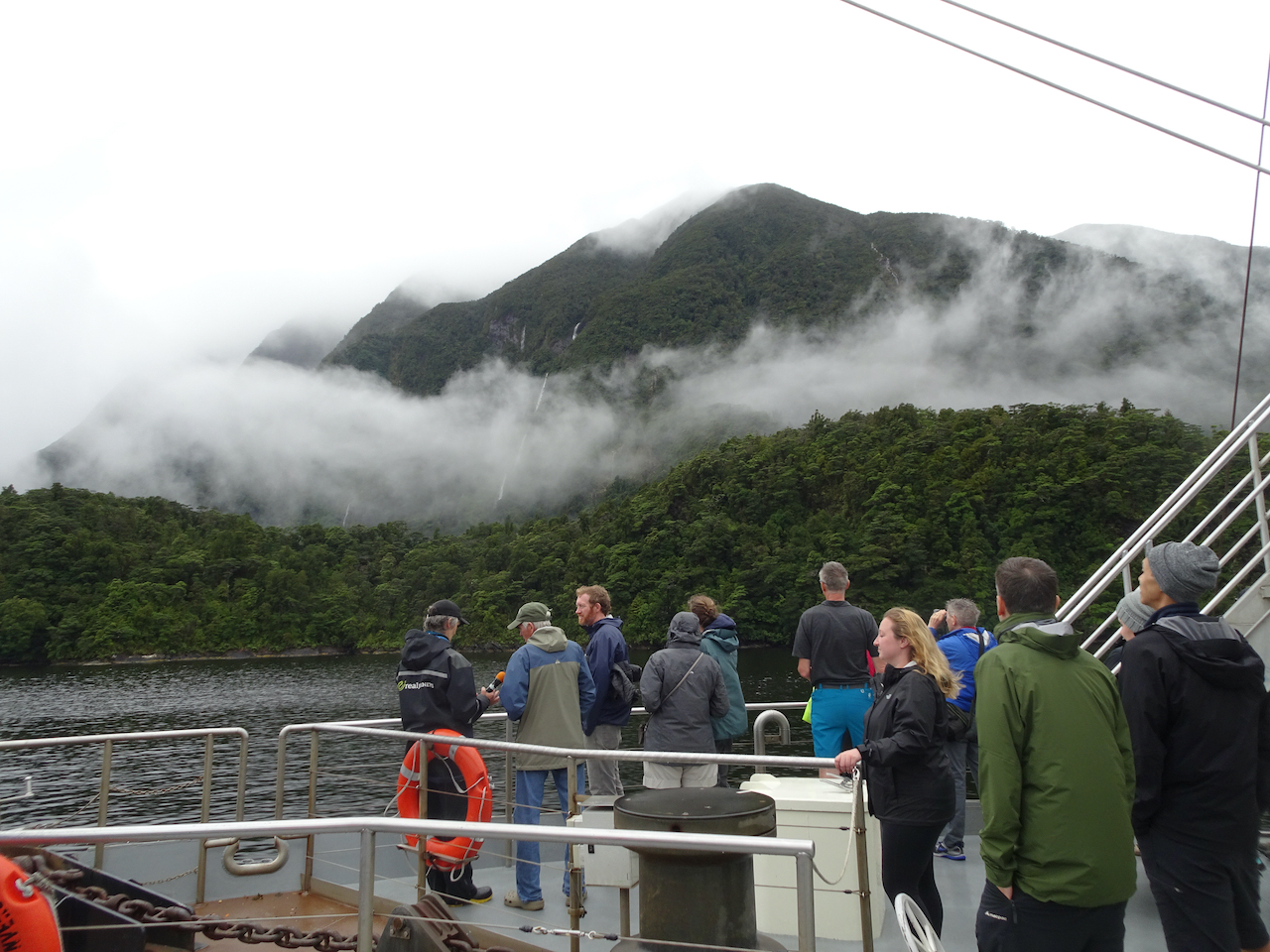
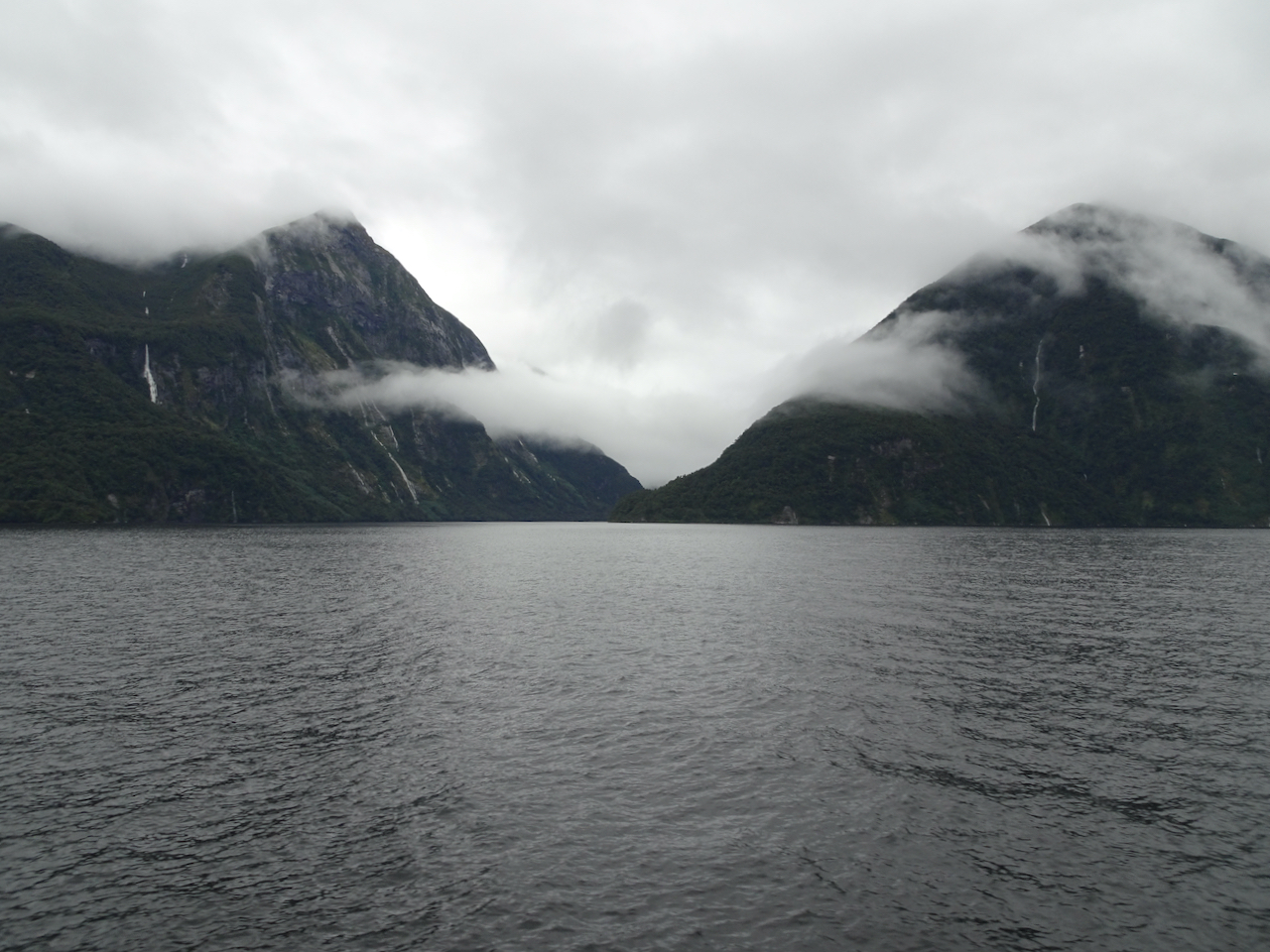
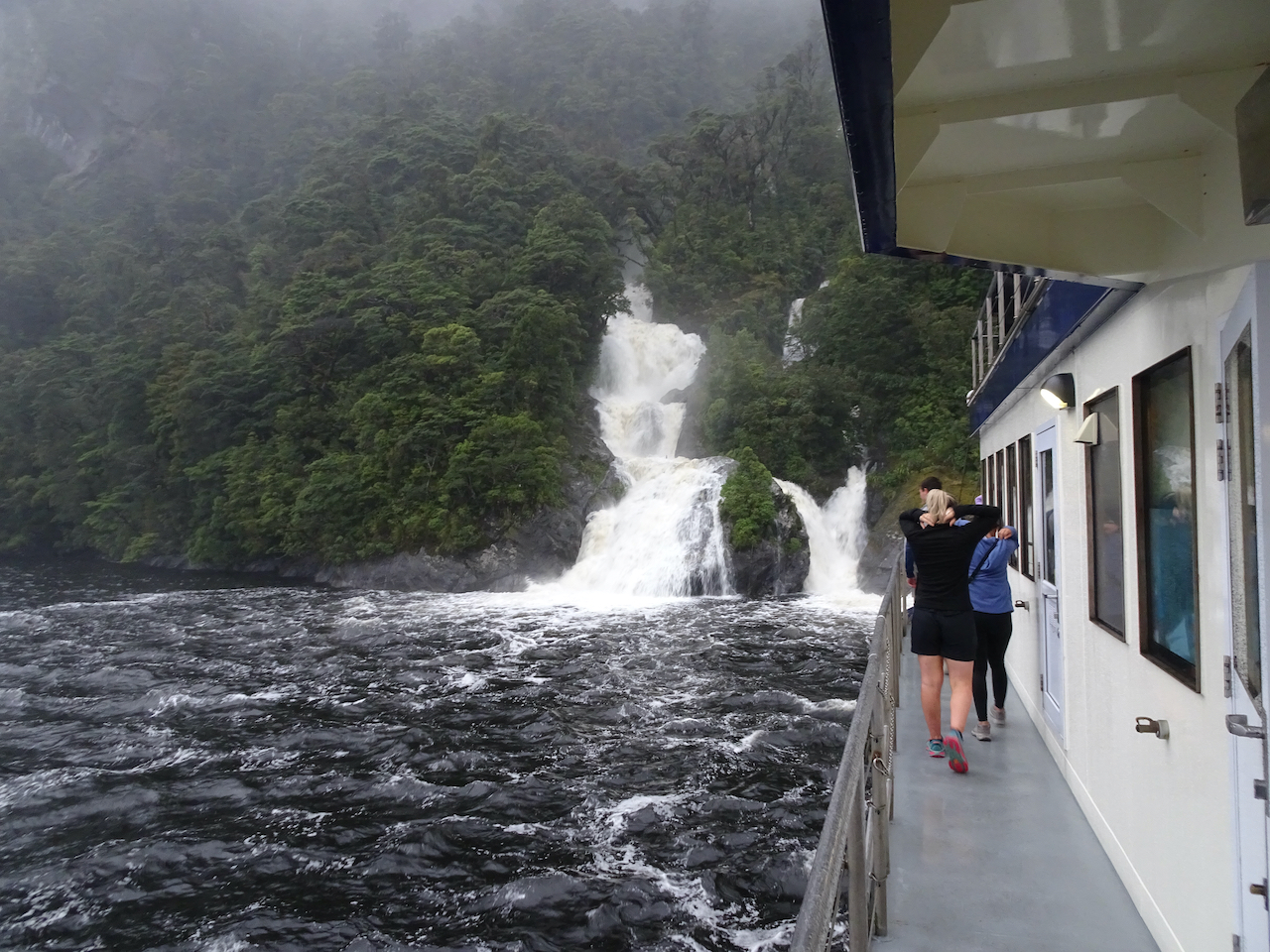
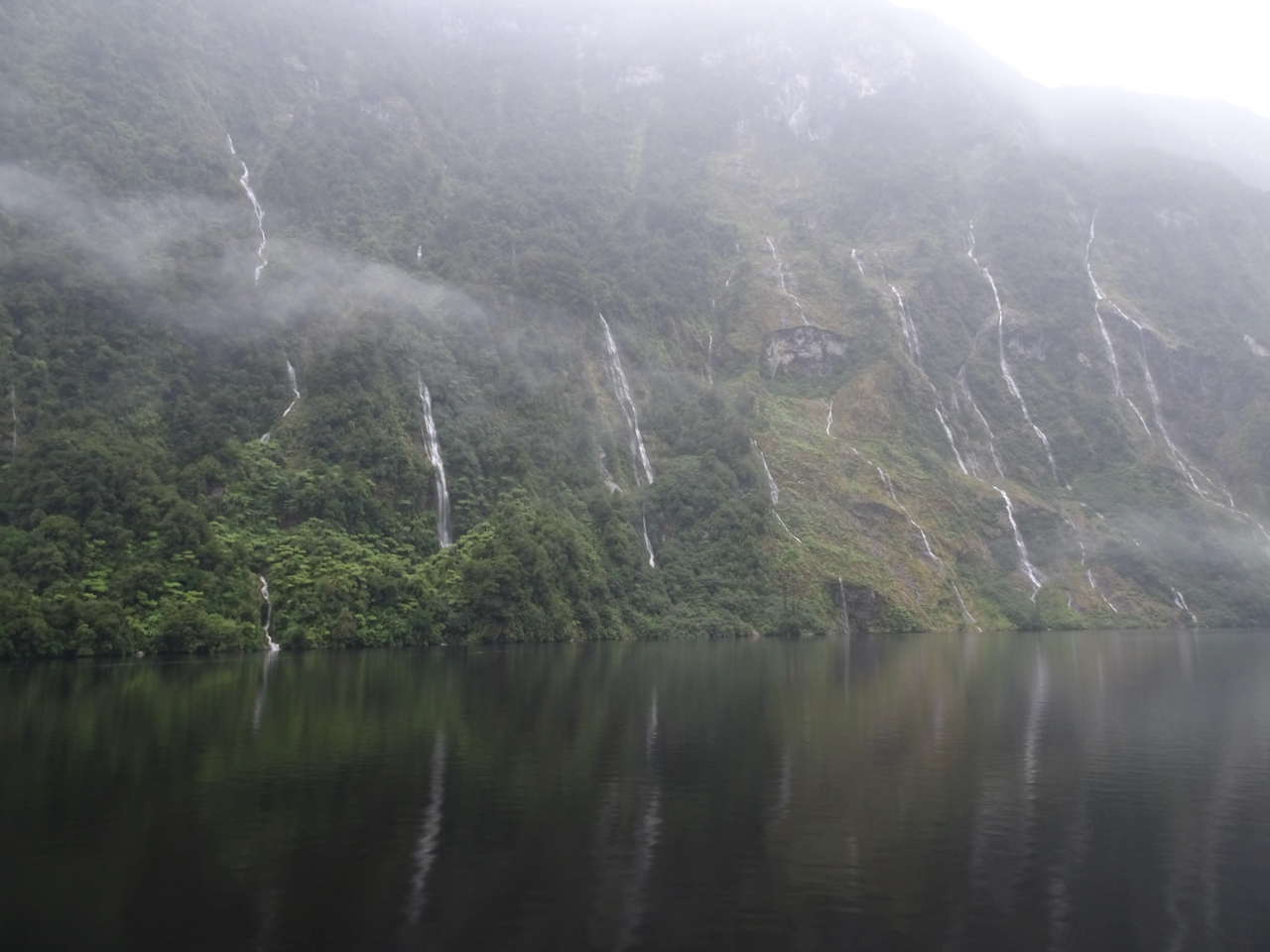
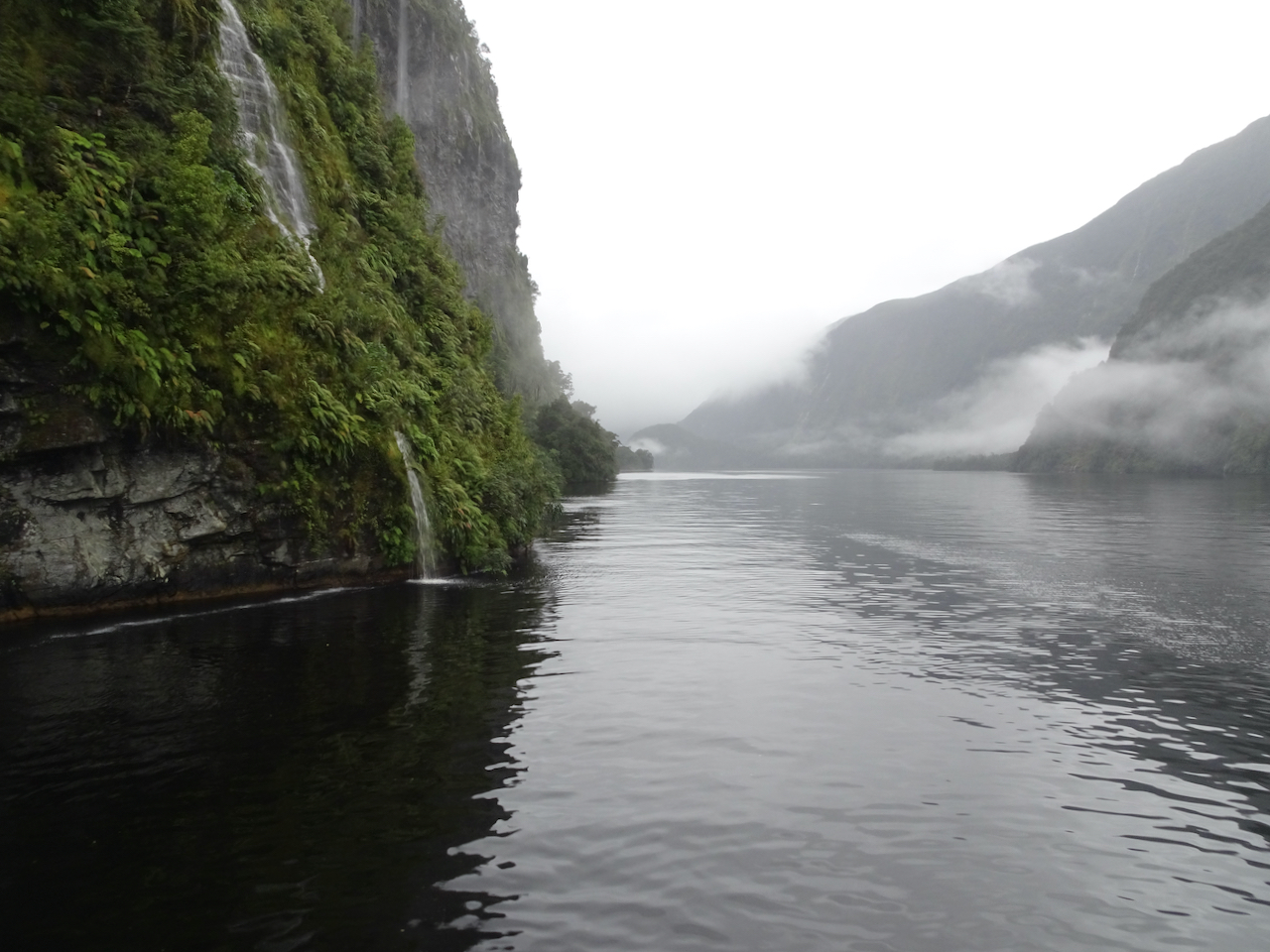
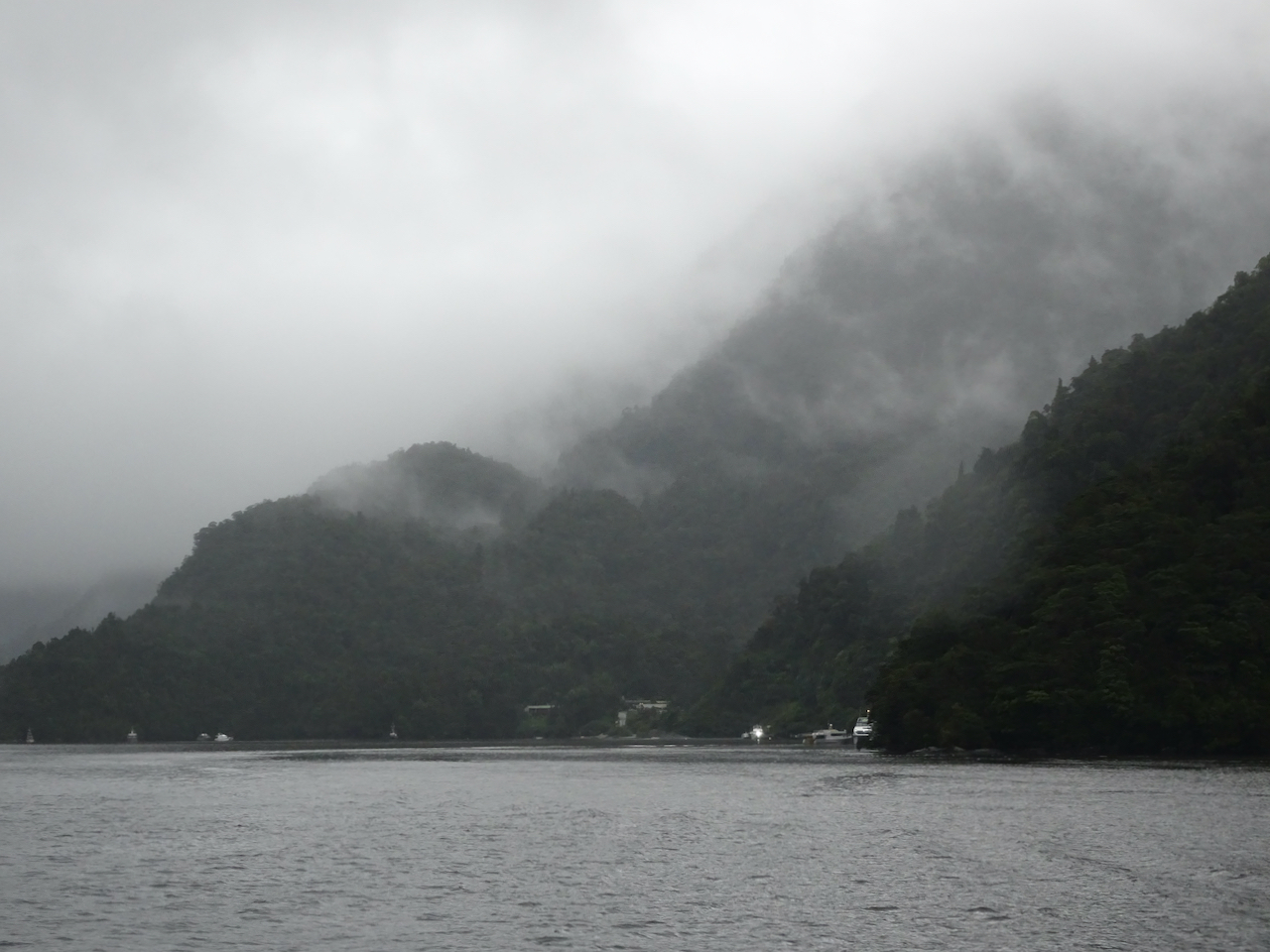
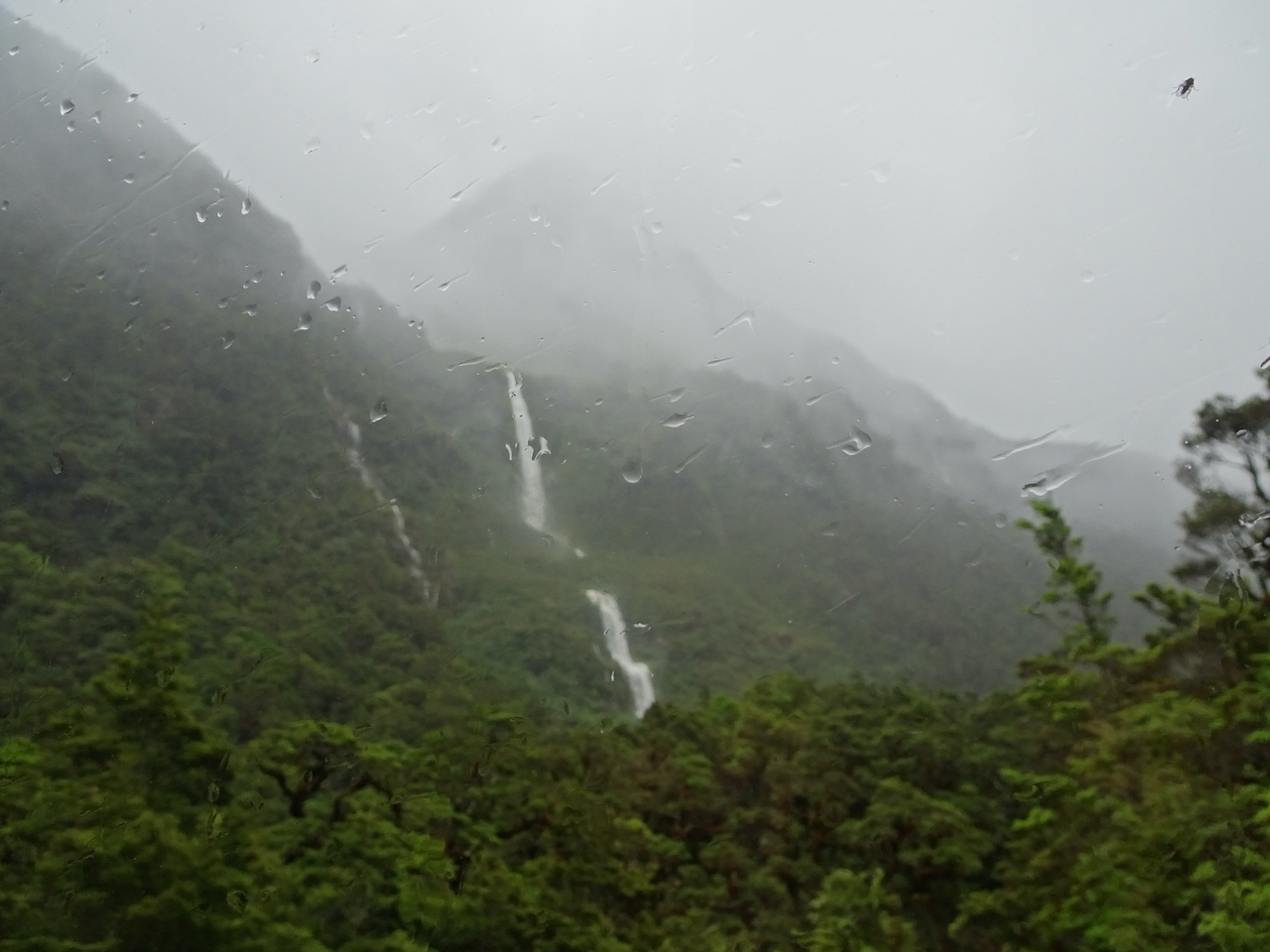
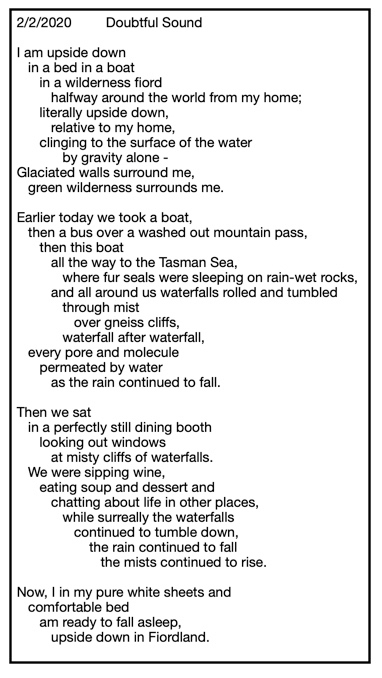
Then we were free to explore and wander, and hopefully see all the views, while the naturalist pointed out various features of interest. Steep glaciated gneiss walls rose up on both sides of the fiord, draped in brilliant green foliage, and streaked with tumbling white waterfalls in every direction. Our naturalist told us that they usually see a lot of waterfalls, but because of the steady downpour, we were seeing more than usual, and more volume than usual. We could see fairly well from the large windows in the dining salon and forward viewing cabin, and even from under covered walkways on the lower deck. How lovely it would have been to stand or sit on the upper deck as we passed through the fiord, but the drenching rain made that uncomfortable. We did go out for short forays, and longer moments during rain breaks, but really, it did rain most of the time this first day. We made the best of it, constantly, not always successfully, trying to keep water off camera lenses. We assumed that this much rain was typical. Later, we learned that this was a particularly wet stretch of weather – more so than usual, and that it would affect the next few days of our tour. Our intrepid naturalist spent most of her time out on the deck, narrating the landscape, seemingly unphased by the drenching.
DSC06365

Waterfall after waterfall…

DSC06373DSC06370DSC06374DSC06380DSC06383

DSC06359

Our intrepid naturalist…

DSC06406

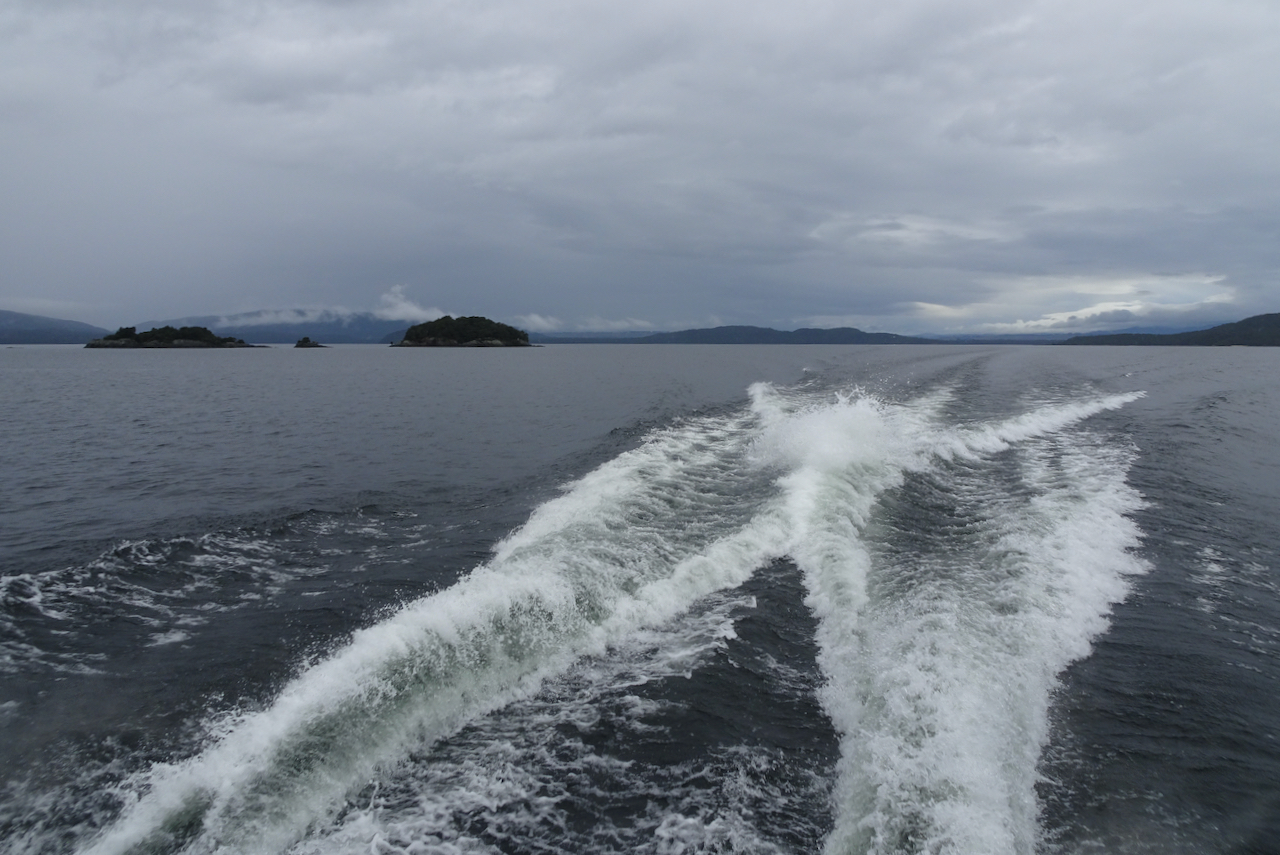
A rain pause as we continue west toward the Tasman Sea.

DSC06400DSC06399

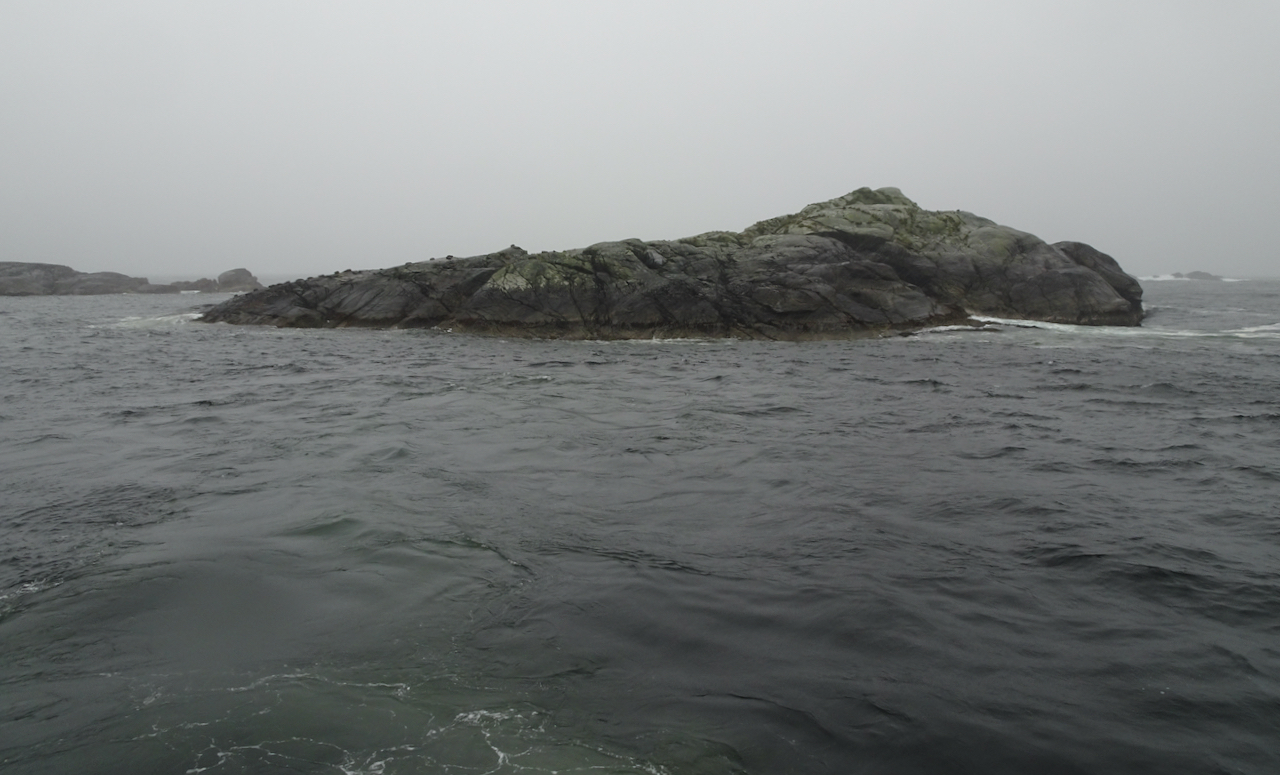
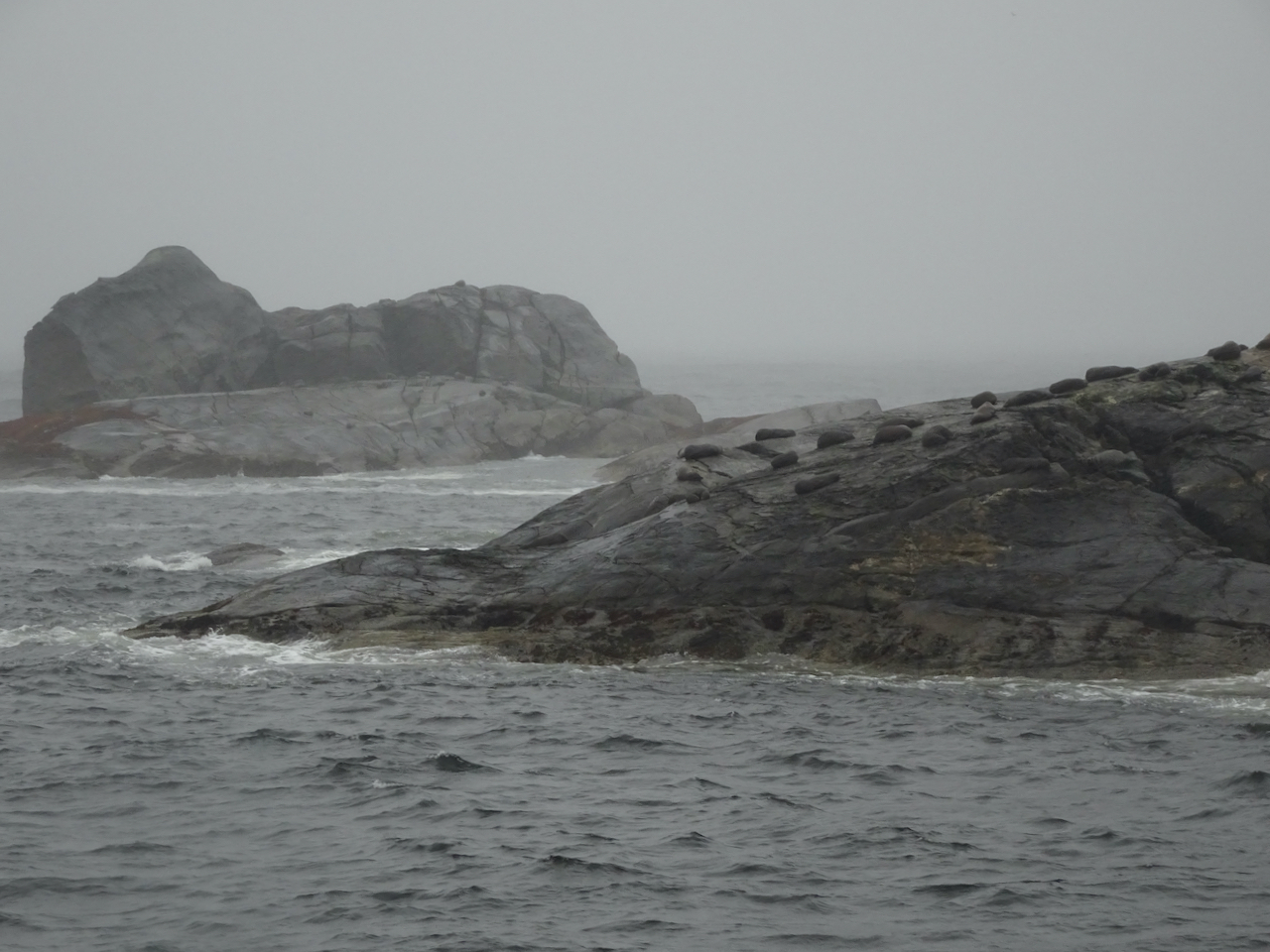
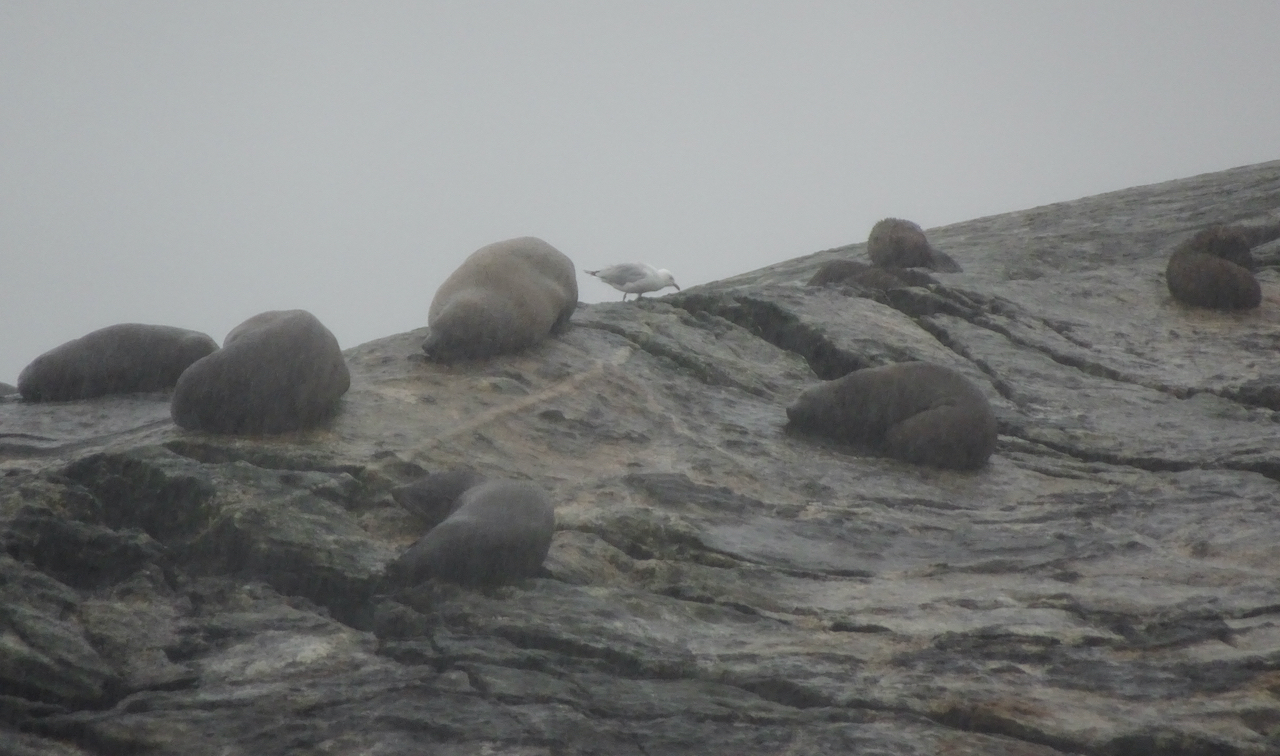
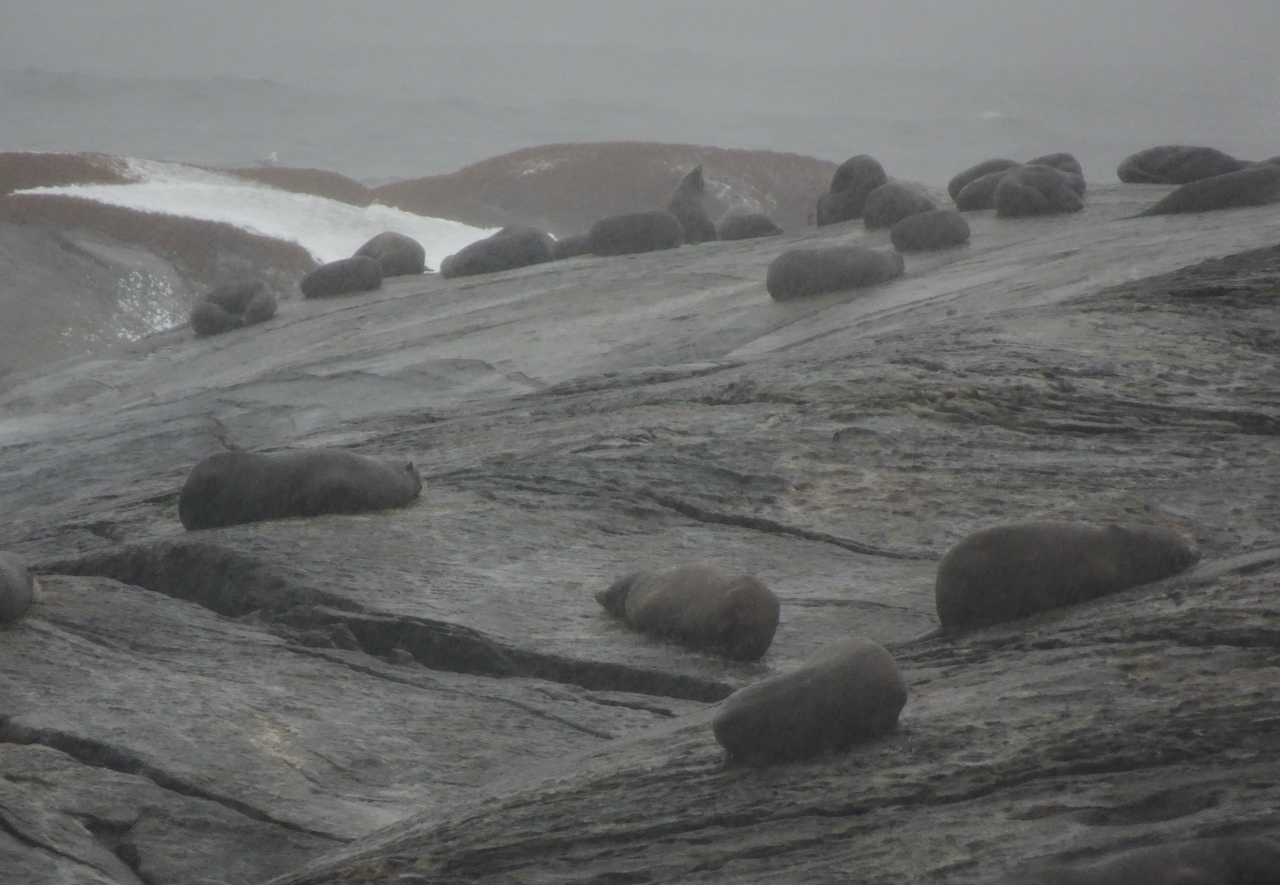
We travelled all the way to the entrance of the fiord with the Tasman Sea. We stopped to watch fur seals basking on the rocky islands in the sound entrance – also unphased by the constant rain. But of course, they are creatures of water and cold.

DSC06418

Fur seals on rocky islands near the mouth of Doubtful Sound.

DSC06413DSC06417DSC06425DSC06427

We turned back inland, still watching the waterfall-striped walls of the fiord go by. We reached the “activities” location and weighed anchor for a while. Here, most of the crew switched to guide mode. Most of the passengers, despite the rain, opted to go out in kayaks or rafts, to get a closer view of the walls and waters of the fiord. I might have joined in better weather, but it was still rainy and cold. I felt that just being where I was, in the middle of a fiord in the wilderness was a fairly extreme adventure for me. We watched the kayakers and boaters from the deck.

DSC06455

After they all returned safely, the crew changed roles again, and became ushers/servers for a delicious, many options, buffet dinner. It was all run like clockwork, yet not pressured or uncomfortable. Our little group sat in a booth with windows and enjoyed getting to know each better as the beautiful landscape drifted past. Later, we retired to our tiny stateroom and slept very comfortably in crisp white sheets. I peeked out our window occasionally, to see rain and dark and gray.

DSC06470

Dining salon.

DSC06356

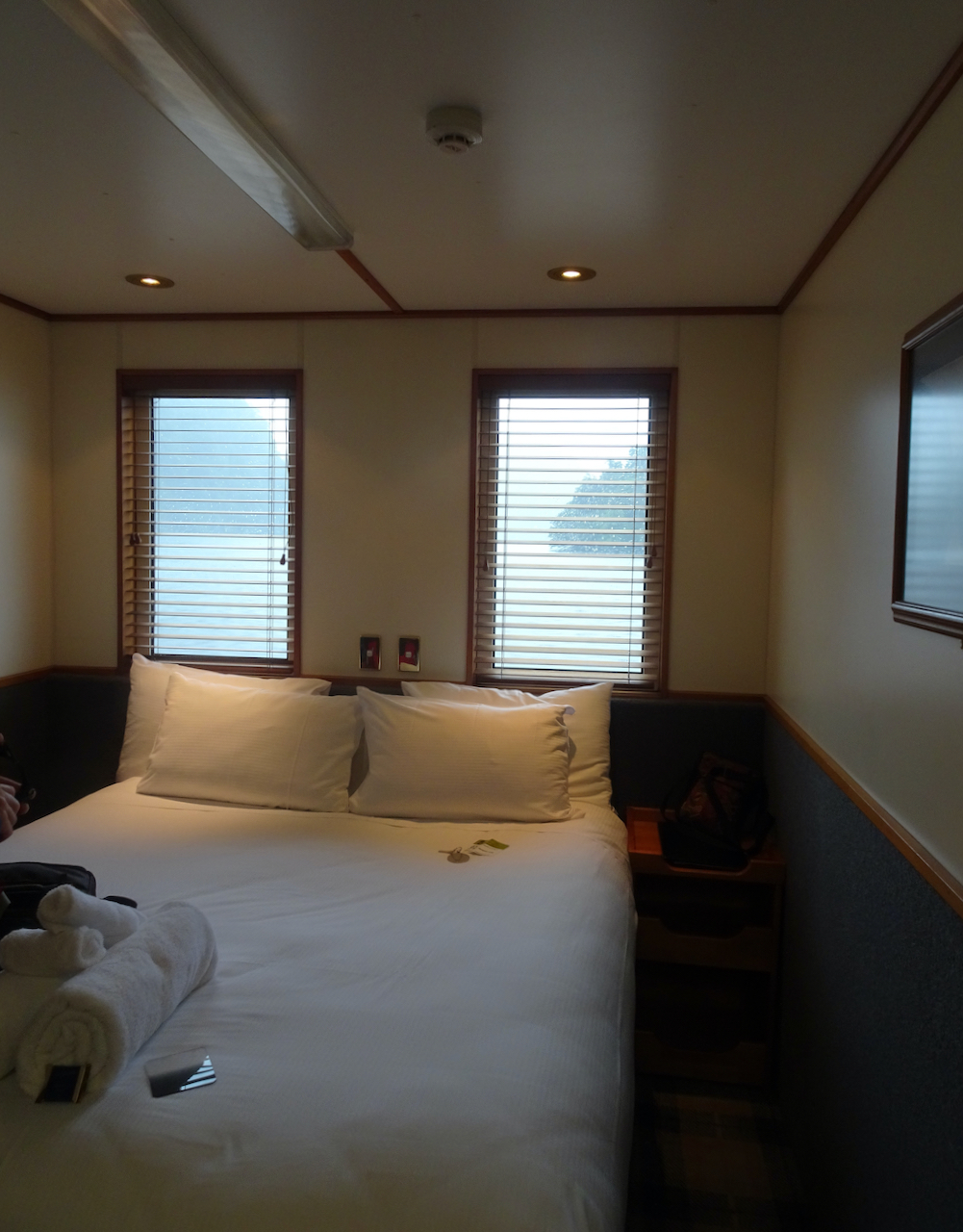
Sleeping cabin.

The next morning, breakfast was run again in buffet fashion, extremely efficiently, and we packed up, ready to enjoy another morning of viewing in Doubtful Sound.

DSC06462

DSC06464

Morning waterfall viewing.

DSC06471DSC06485DSC06486

We traveled into the Hall Arm of the Sound, where we experienced a quiet moment – engine off, passengers in a preselected spot, five minutes of complete silence, during a break in the continuous rain.

DSC06492DSC06511

Afterward, the boat motored up again, dipped its snout into a flowing waterfall, and we eventually made our way back to Deep Cove.

DSC06516DSC06526DSC06519DSC06528DSC06529DSC06534

DSC06551

Return to Deep Cove.

During both journeys across Wilmot Pass by bus, the drivers expressed concern about the river ford being washed out. Both times we made it across, but there was plenty of heavy equipment at the crossing keeping the road clear. We reboarded the ferry to Manapouri, ready for our next adventure.

DSC06343

Waterfall from the bus windows on Wilmot Pass.

DSC06338

Wilmot Pass river crossing, from the bus.

DSC06561

Pearl Harbor – return to Manapouri.

Our next stop was supposed to be Milford Sound – a place we really wanted to see. We were supposed to drive to Milford Sound via Hwy 94, with a hike up Key Summit on the Routeburn Track enroute, and a short cruise on Milford Sound the next morning. Over the past 24 hours there had been over a half meter of rain in the area and more than a meter of rain during the four day deluge. All roads to Milford Sound were flooded. People there were stranded and moving to higher ground – no one could get in or out by land. It was several days before they were finally able to open the roads. Meanwhile, our guides and tour company had formulated a new plan for our tour. They found lodging in nearby Te Anau, accommodations that were open because the people with those reservations were trapped in Milford Sound, or because so many of the usual tourists from Asia this time of year were beginning to cancel travel due to a spreading coronavirus in that part of the world.  (I am finally writing this account about a year later, after almost a year of global pandemic. That was one of the early signs of it, though we didn’t really think too much of it in the moment.) Meanwhile, we had a new agenda for our tour, starting with a rainy walk on the Kepler Track near Te Anau.

We loved our Doubtful Sound experience. I might have liked it more had we had sun, but we had soo many waterfalls – I don’t imagine I will ever see more in such a short time. We got to experience an extreme rain event – a different sort of bucket list item, I guess. I am very glad we were with an experienced tour company for this time, because they very swiftly arranged new plans. I had been expecting a more rustic experience on the boat, but it was actually fairly luxurious – delicious hot meals, a dry viewing cabin, extremely comfortable bed with privacy, and amazing scenery. It was a beautiful immersive adventure!

Image 2-5-21 at 5.28 PM