25. Early Fall in the Gifford Pinchot

September 30, 2017    Rainy weekend predicted; possible dry window Saturday to the east of Portland;  Indian Heaven still closed from the Crater Fire; windy along the Columbia River. We decided to try some short hikes in the Gifford Pinchot National Forest between Mt Adams and Indian Heaven, near Trout Lake, WA.

IMG_0036

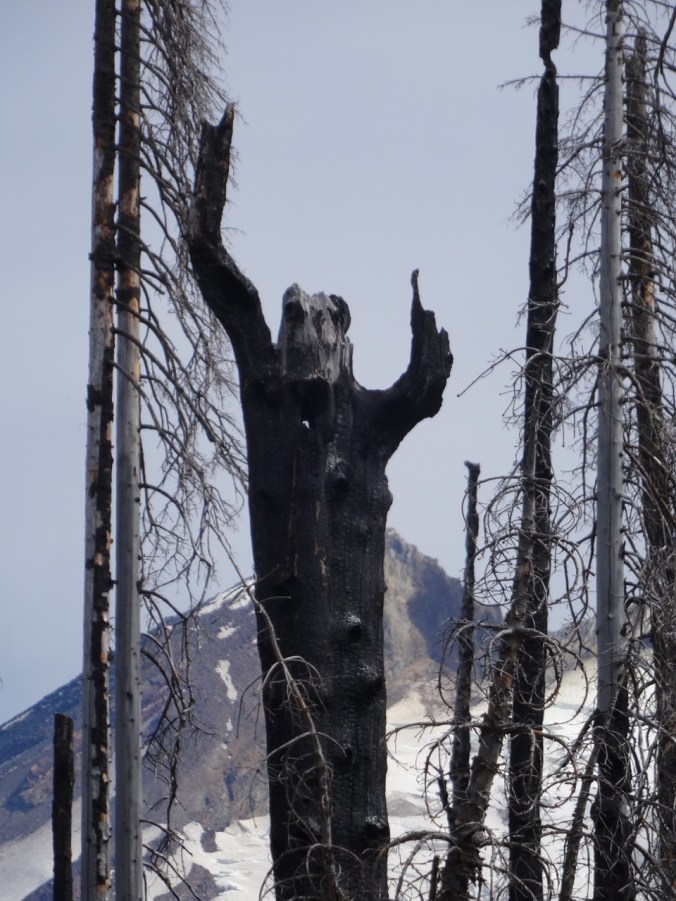
Our first drive through the Columbia River Gorge since the fire: Good photos are posted in official feeds elsewhere.  I was pleased to see how much is not burned. That said, it was sobering to see the extent of the burn: blackened trees on the skyline, blackened forest floors down to the highway in some places, blackened trunks on still green trees.  I felt great appreciation for the fire fighting, for the massive cleanup that has already occurred, and for the challenge ahead. We will be back someday but not soon.

DSC09082

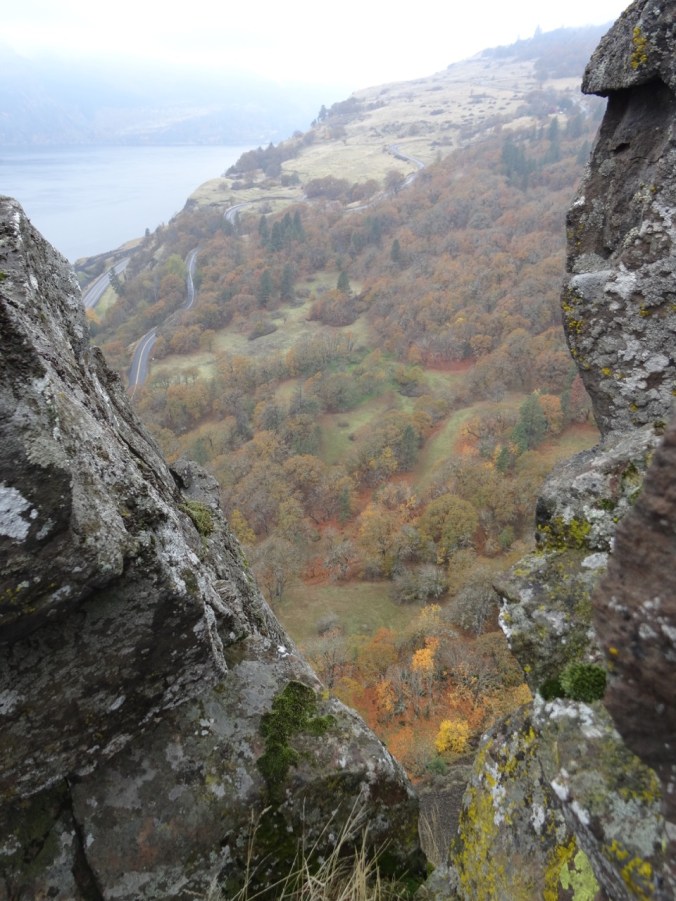
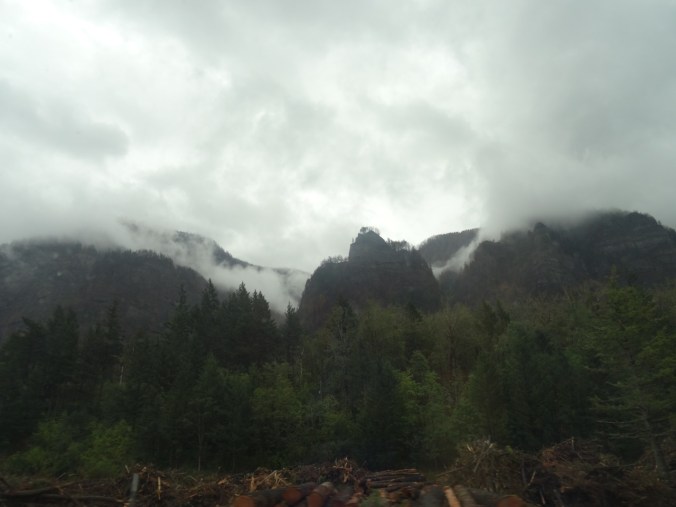
Through the passenger window of a moving car:  Blackened trees on the skyline; slash piles below.

We got a glimpse of Mt Adams and an intense, wide rainbow just as we entered Trout Lake.


Steamboat Mountain  (#48)

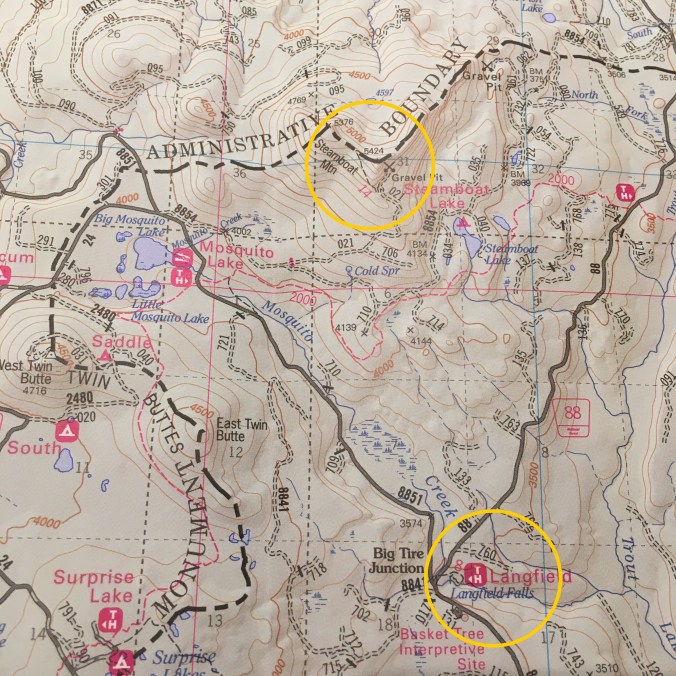
This short hike (1.5 miles, 400′) is touted by Scott Cook in his Curious Gorge book to have some of the best views of the Cascades and a relatively easy trail. The weather was not in our favor, though.  When we parked at the trailhead/quarry, we could just see the top of Steamboat Mountain from the base.


As we hiked up the well graded trail through red huckleberry the clouds closed in.


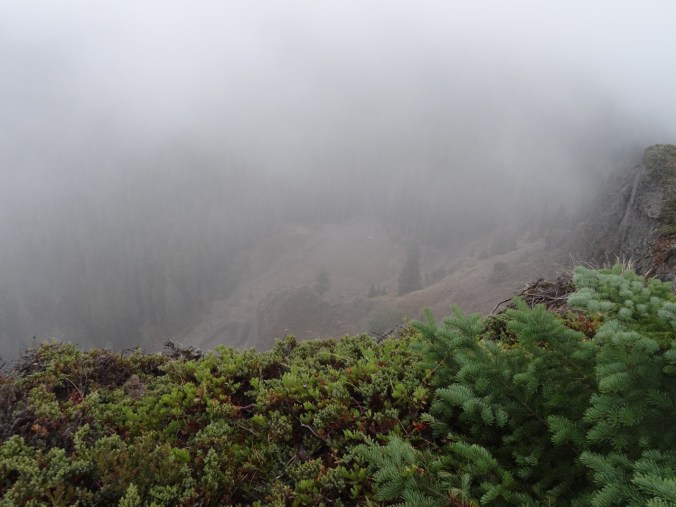
From the rocky top, I could just make out our Suburu parked at the base, but no mountains, no views.

DSC09103

Looking down at our Suburu (center of photo) from the top


We ate our lunch, hiked down.  We were reminded that we are now in hunting season, as people were firing guns just on the other side of the quarry.

Langfield  Falls

Driving back south toward Trout Lake, we visited Langfield Falls, just east of Tire Junction.  There is a short trail down to the waterfall viewpoint, and another user trail along the creek above the falls. A spatter of rain, a lovely waterfall.


Natural Bridge

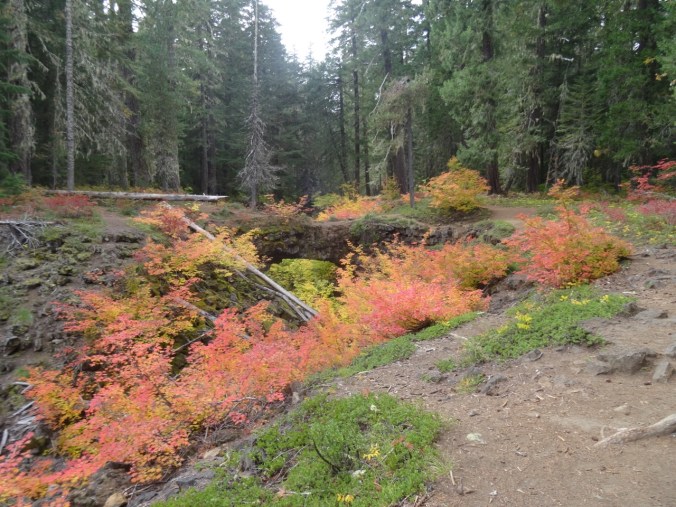
Back to Trout Lake, then west about 5 miles, is the Natural Bridge area- a collapsed lava tube with bridges in places of incomplete collapse.  A friend from the Portland Hikers Facebook group had tipped us off to brilliant fall color here, and we found this to be true – even if we were early for the full show.  The inner collapsed tube is overgrown with vine maples that blazed in gradation through the spectrum from bright green, to yellow green, yellow, yellow orange, orange, red orange and red: the analogous colors from half the color wheel on view.  We wandered around for a while, and Dan set up his tripod as we waited for sunbreaks to illuminate the scene.

DSC09140

One of the Natural Bridges


DSC09182

Dan with tripod

22. Mt St Helens Boundary Trail

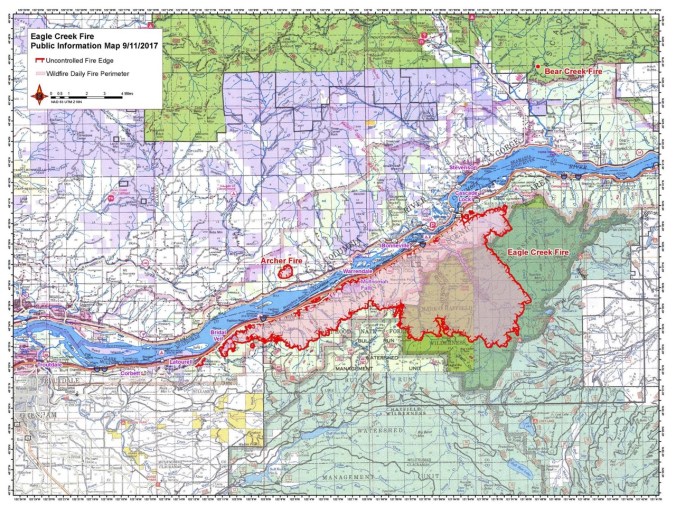
Eagle Creek fire update as of  9/11/17:  34000 acres, 7% contained.

21640885_123414854982697_7881458328682540061_o

USFS Incident Map

Boundary Trail toward Harry’s Ridge     9/10/2017    (#45)

The skies are alternating blue and cloudy today. Unsure of any firesafe place east of us, we opted to drive north to Johnston Ridge, Mt St Helens National Monument.  Clouds that were floating at mountain level when we arrived late morning evaporated during the day.

DSC07837DSC07842

DSC07848

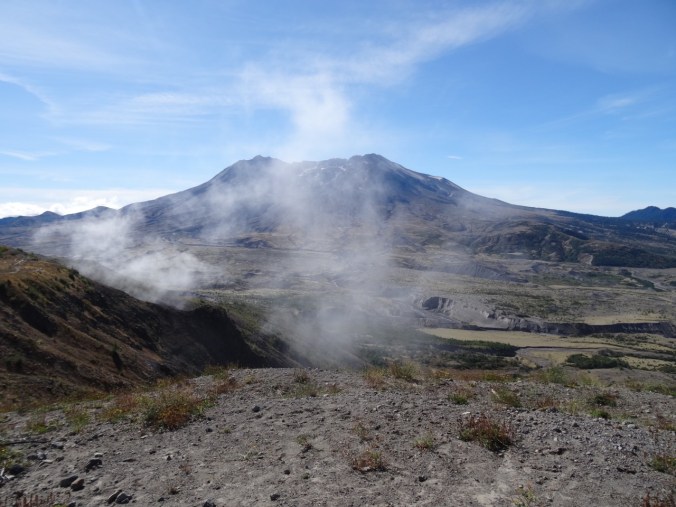
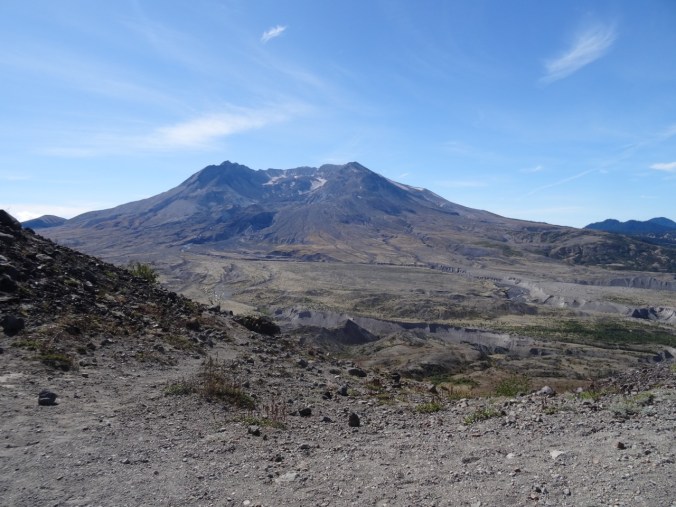
Mt St Helens

We hiked the Boundary Trail toward Harry’s Ridge.

DSC07855

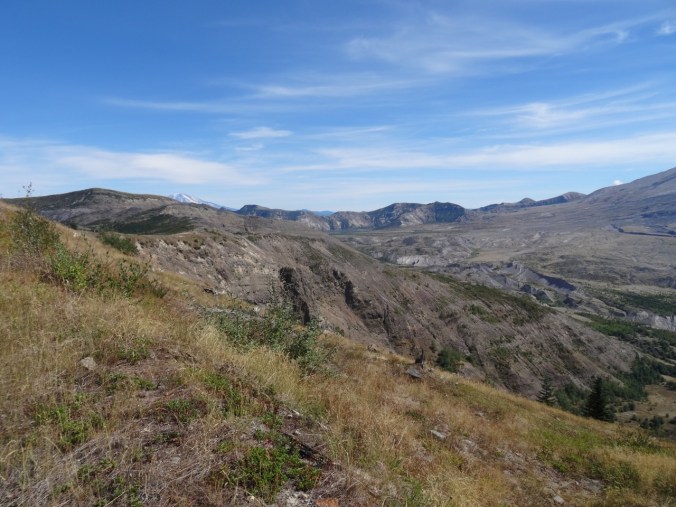
Coldwater Peak, north of the Boundary Trail

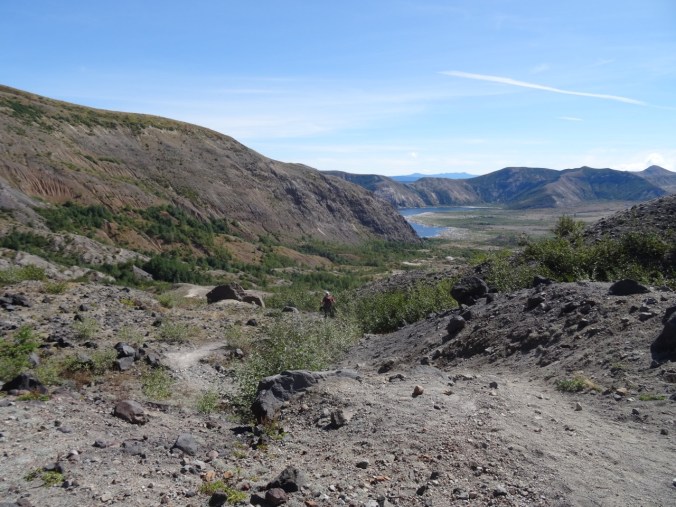
The trail that used to go along a steep, cliffy slope to the grand viewpoint at Devil’s Elbow is now closed.  The new alternate route cuts over the ridge, and has a view to Spirit Lake from the pass at the top of the cutoff. We stopped there for lunch.

DSC07851

Lunch stop at the top of the new cut off trail, with view to Spirit Lake

I decided it was too hot to continue, so hiked slowly back to the observatory.  Dan went on to Harry’s Ridge then met me back at the observatory later.  I had the chance to watch the excellent 16 minute film that simulates the eruption and illustrates the forces of nature during the 1980 eruption.

DSC07861

View while hiking back toward Johnston Observatory

DSC07871

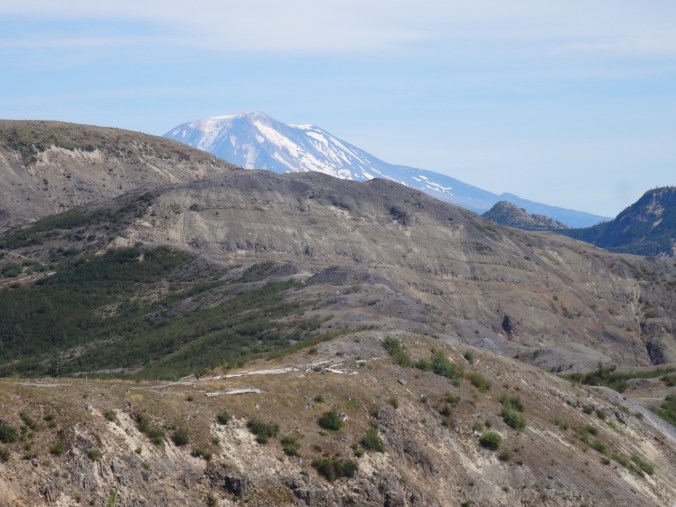
Looking east from the observatory toward Mt Adams

DSC07872

Mt Adams

There are straggling summer flowers in bloom – lupine of both large and dwarf varieties, penstemon, paintbrush, yarrow, an abundant yellow composite, and equally abundant white pearly everlasting gilding the slopes, and standing out strongly in contrast to the early reds of fall.

We stopped at Coldwater Lake to walk the boardwalk trail that illustrates the Birth of the Lake. It was peaceful and beautiful there, with excellent views of Minnie Peak and Mt St. Helens. It is pleasant to walk through shady foliage after spending time in the blast zone. My total mileage for the day was about 5 miles/800 feet.
LOOKBACK:

Boundary Trail to Harry’s Ridge – we have hiked this trail in several seasons, with different views of the mountain:

DSC05594

June 2016

DSC07868

September 2017

DSC05602

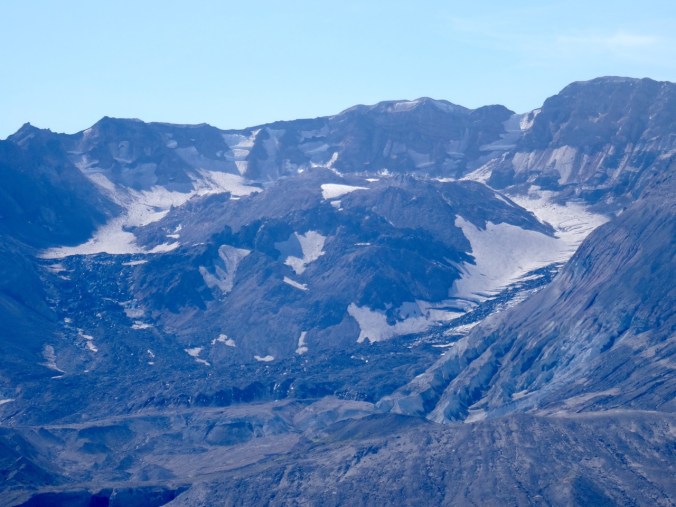
Inner crater dome close up    June 2016

DSC07849

September 2017

Coldwater Lake:

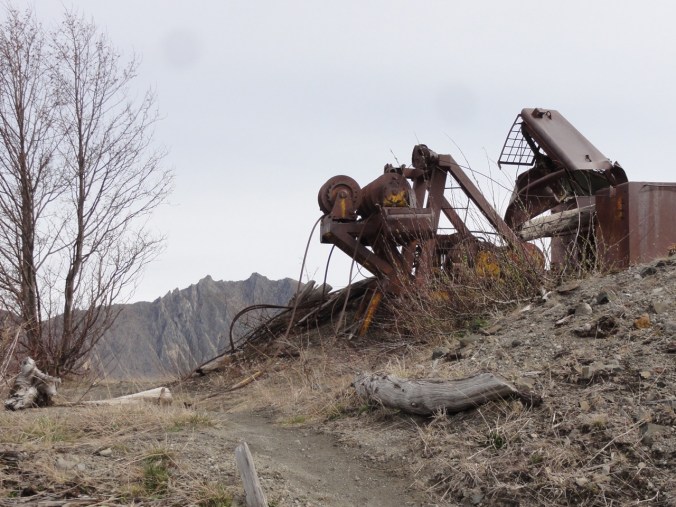
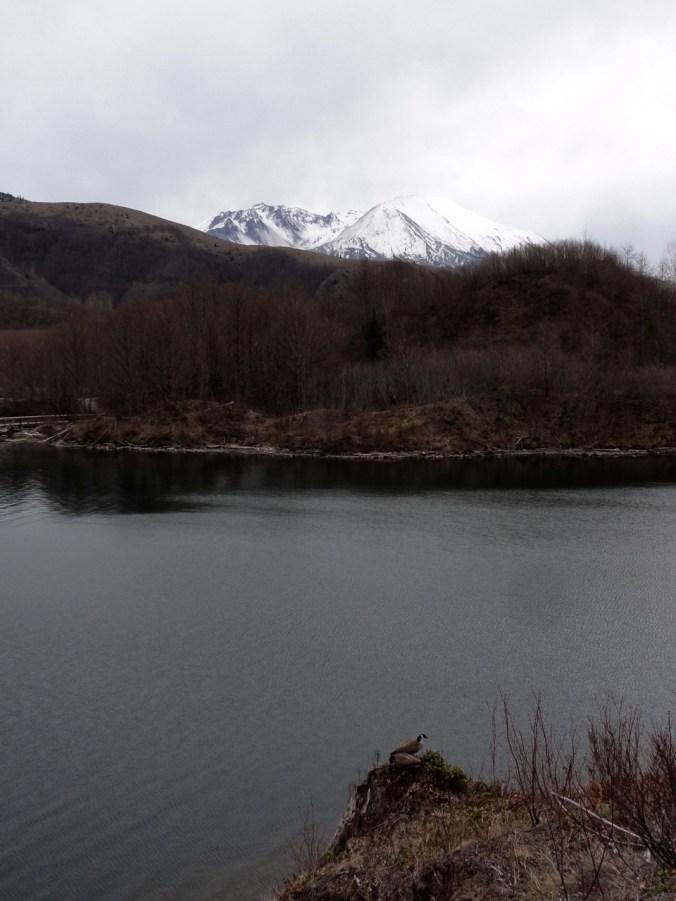
In March of 2015, a low snow year, we walked the 12 mile loop around Coldwater Lake.  The foliage was mostly dormant and brown.  We had views of the mountain, walked by the abandoned logging machinery destroyed by the blast, got some closer views of Minnie Peak.

DSC03346

March 2015   Minnie Peak and old logging machinery on Coldwater Ridge

DSC03371

March 2015    Minnie Peak


DSC03460

March 2015

DSC07882

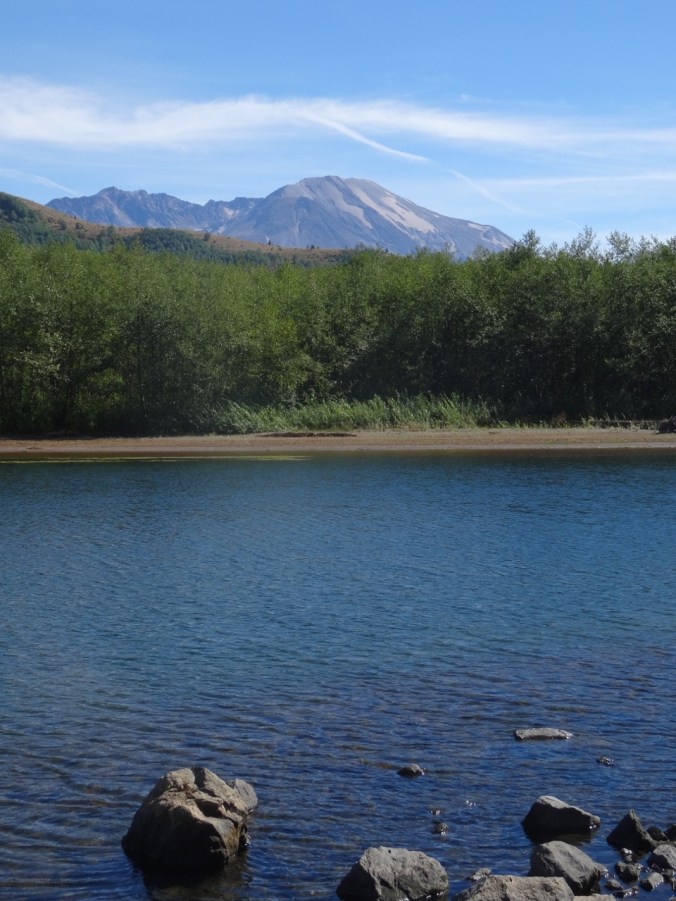
September 2017 Mt St Helens and Coldwater Lake

In Spring of 2017 we were in the area hiking the Hummocks trail, and we visited the Science and Learning Center, which gave us a snowy view of the boardwalk that we walked on today.

DSC01570

February 2017   Looking down on Coldwater Lake


18. Late Summer on Mt Adams, Stagman Ridge Trail

Stagman Ridge, Mt. Adams, Washington      8/20/2017     (#42)

DSC07271

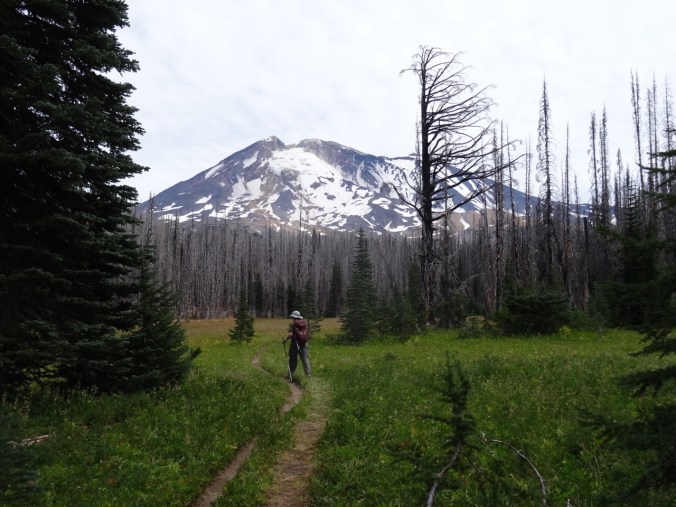
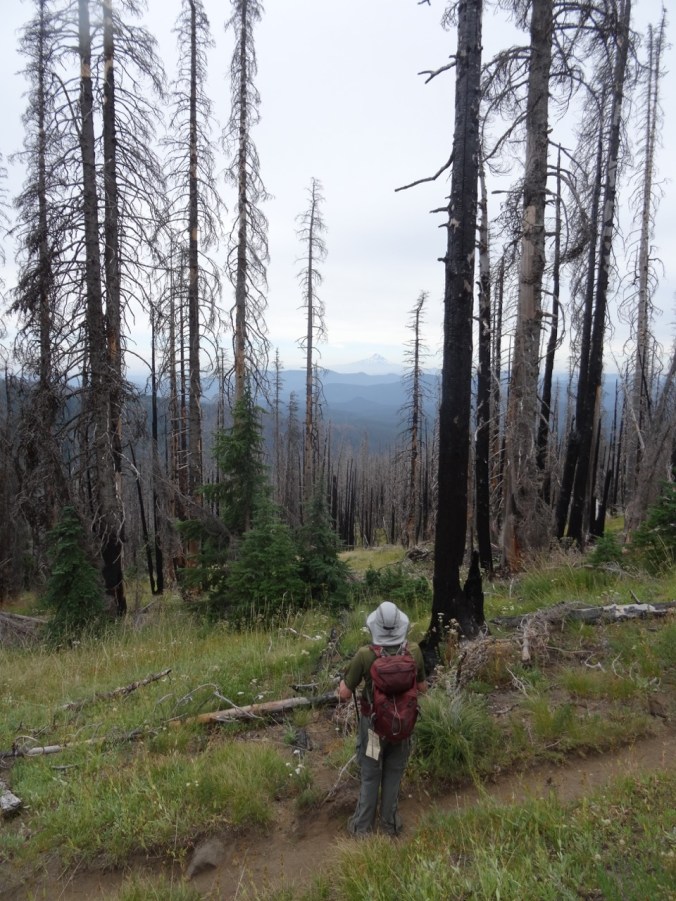
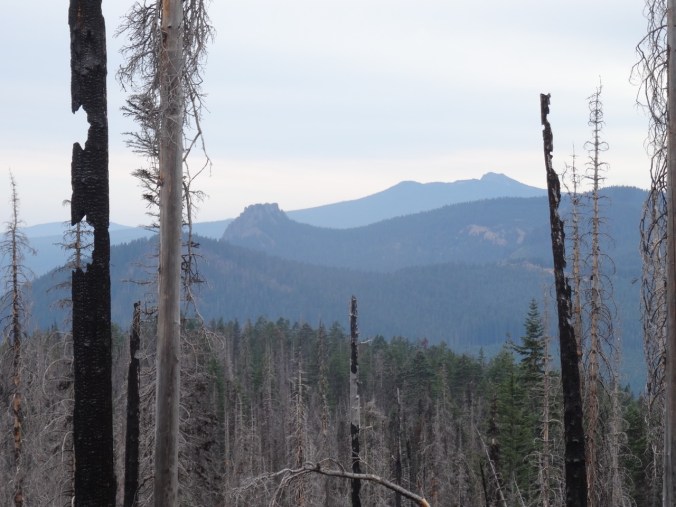
Looking for a hike that avoided wildfire smoke and eclipse traffic, we headed to the west side of Mt. Adams, north of Trout Lake, WA.  This was our first time hiking this trail. We like to hike in Bird Creek Meadows this time of year, but that area is closed due to the massive Cougar Creek Fire of 2015. The area around Stagman Ridge was also recently burned, by the Cascade Creek Fire of 2012. The trail traverses through burned forest, with occasional forays into unburned terrain. The silver lining is mountain views through the ghost trees.

DSC07121DSC07155

In many burned places the underlayer is green, topped by a pink swath of fireweed. Pearly everlasting and golden rod are abundant at lower elevations.

Higher up, the last of the asters, lupine and licorice root were hanging on in shady areas.

The open meadow at about mile 3 was green but past bloom – most likely thanks to the intense two week heat wave of early August.  I would like to return when this meadow is in full bloom – with the open view of Mt Adams to the east – it is a lovely spot.

DSC07189DSC07190DSC07192

DSC07193

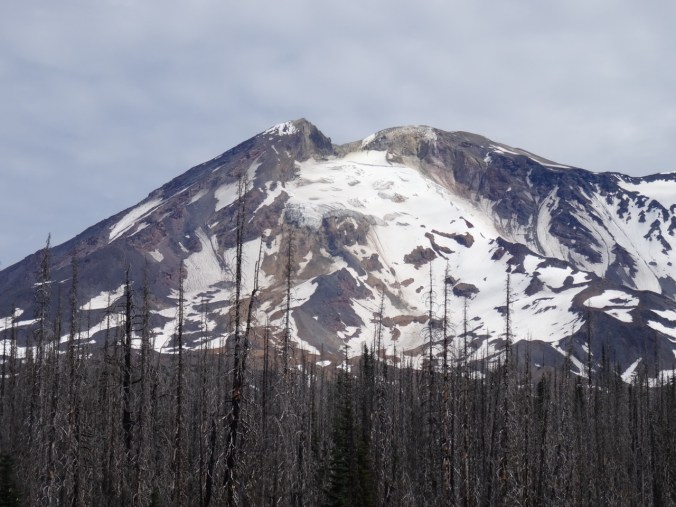
Glacier close up

We continued on past the meadow to the Graveyard trail junction, then crossed the small creek and headed west toward Lookingglass Lake. Riparian flowers lined the creek crossings.

We decided the crossing of Cascade Creek looked difficult so we turned back after a rest at the water with great views of the mountain.

DSC07235DSC07238DSC07242DSC07247

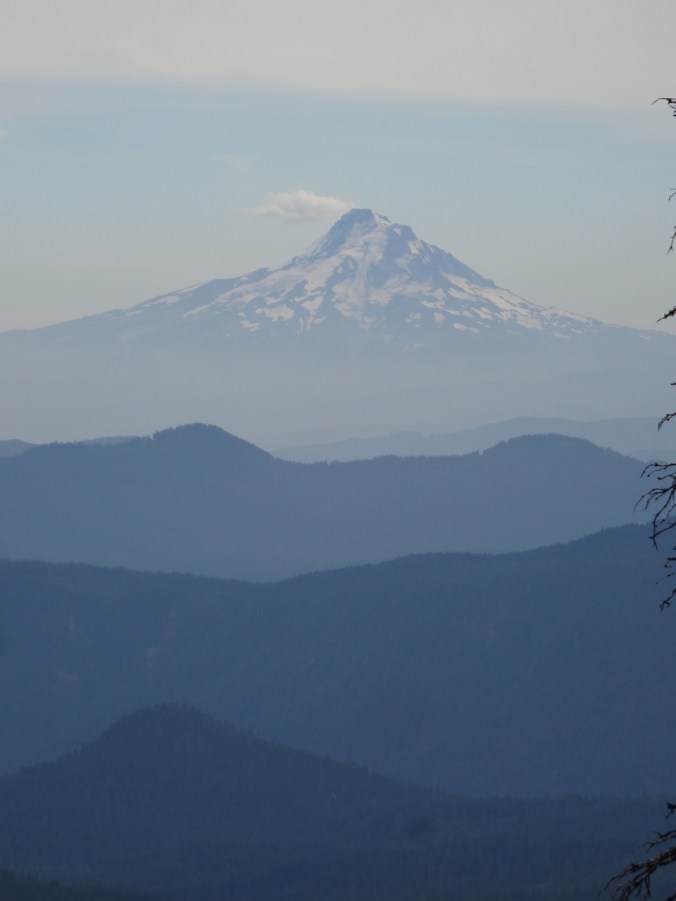
On the way down, we noticed the distance views of Mt St Helens, Mt Hood and west toward Indian Heaven.

DSC07264

DSC07265

Mt St Helens

DSC07311

DSC07310

Mt Hood

DSC07318

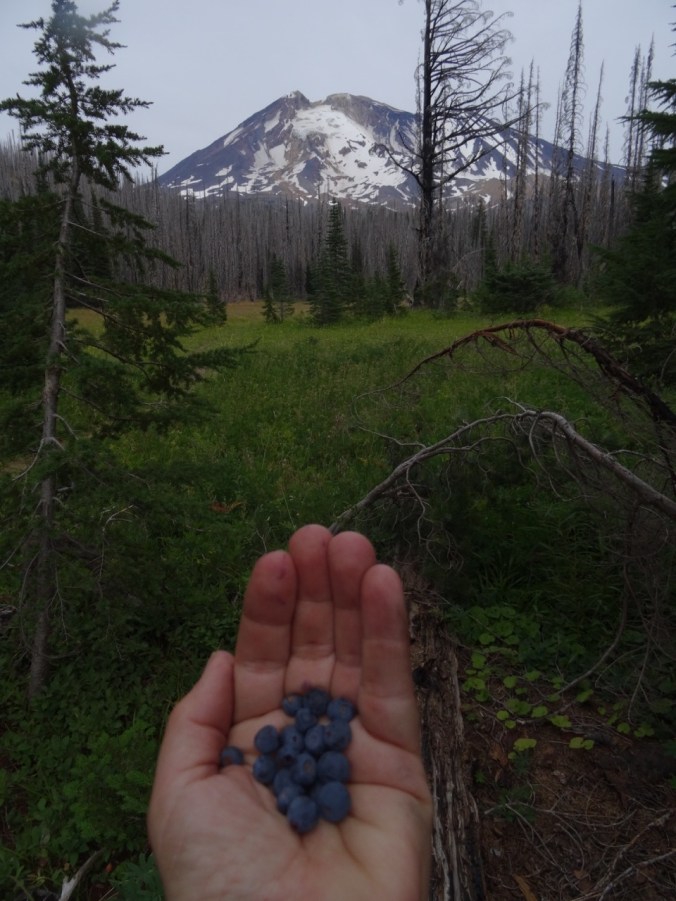
There were plenty of huckleberries for the picking.  Berries, flower seedheads and tints of red foliage in the huckleberry and vine maple foreshadow the coming of fall.

A few other items of interest along the way:

DSC07278

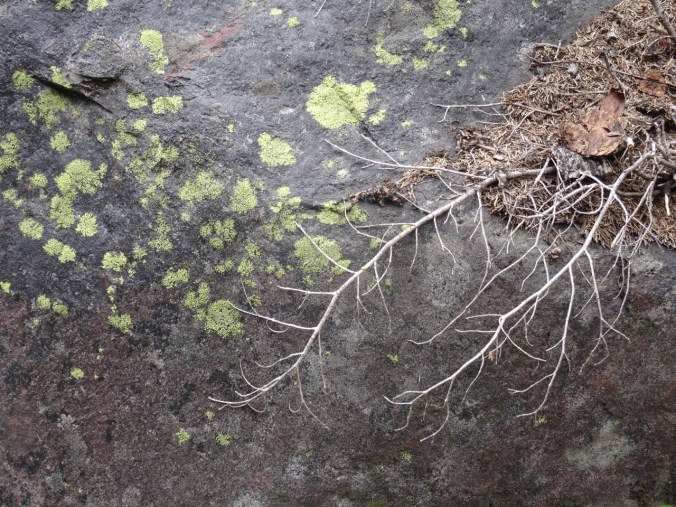
lichen and roots

DSC07166

ghost tree

DSC07115

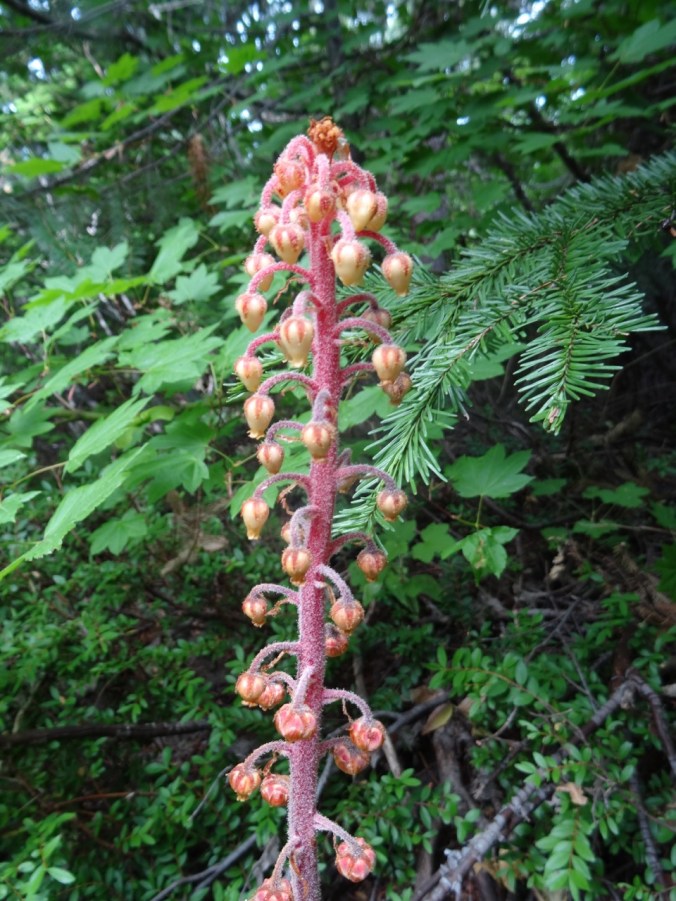
My first time seeing pine drops

Our hike was approximately 9 miles with 1500 feet elevation gain, and the flower count was 34, with 5 berries.

Mementos from my Peruvian travelers:

DSC07058

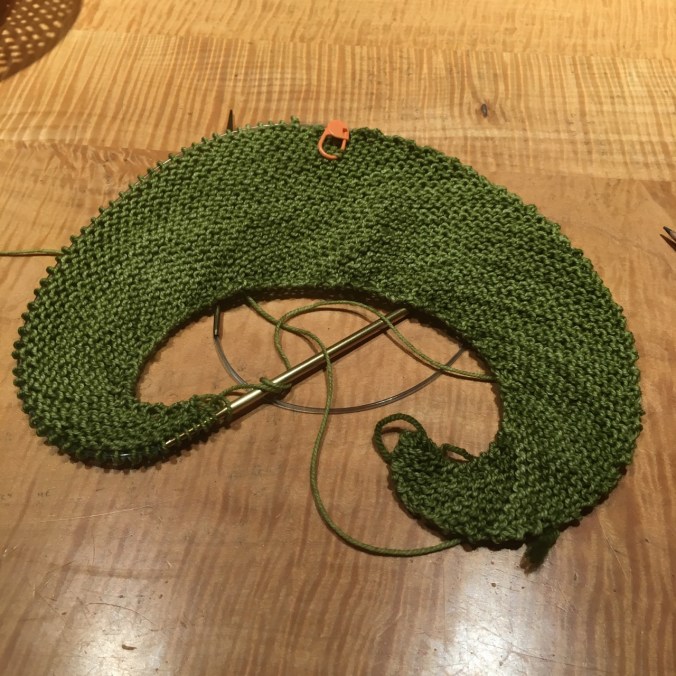
Knitting:

DSC07023

two more tortillas for the collection

And of course, the Eclipse, which I watched at 99% in my front yard:


12. Ridgefield Wildlife Refuge

Kiwa Trail   7/4/2017  (#36)

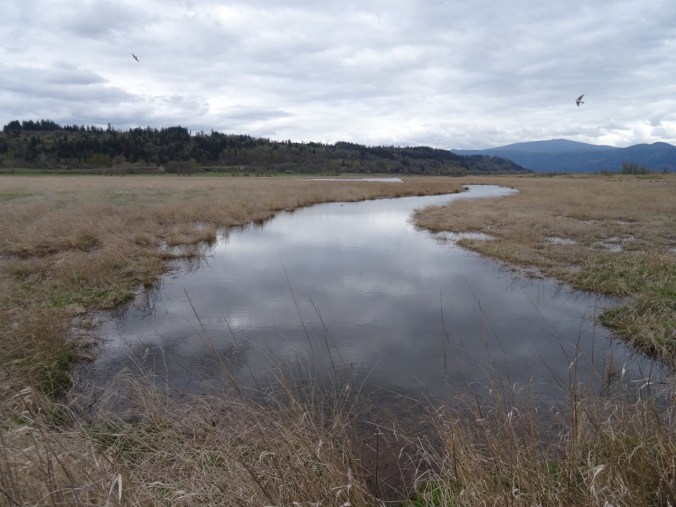
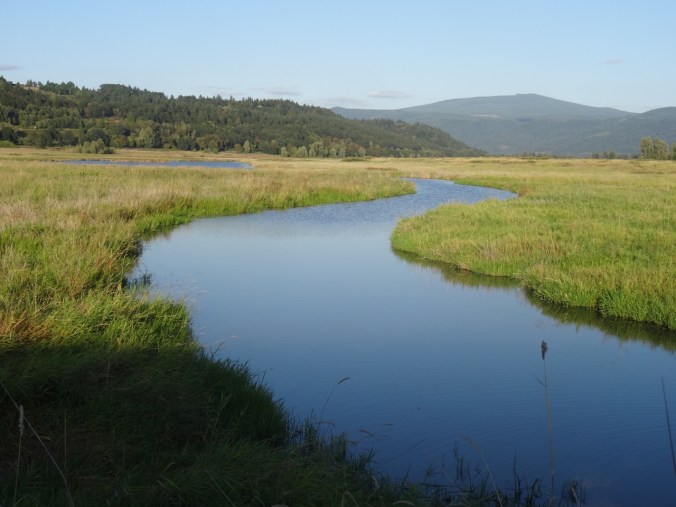
We celebrated 4th of July with a midday stroll along the Kiwa Trail at Ridgefield National Wildlife Refuge, Washington. The  one and a half mile loop trail crosses through treed areas, open fields and wetlands.

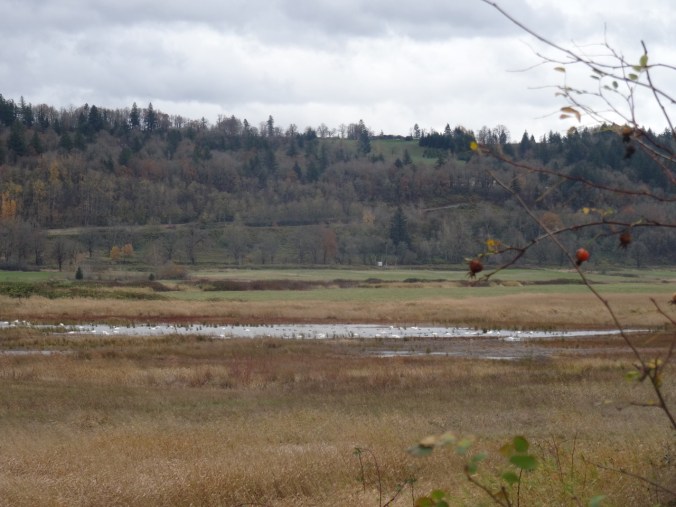
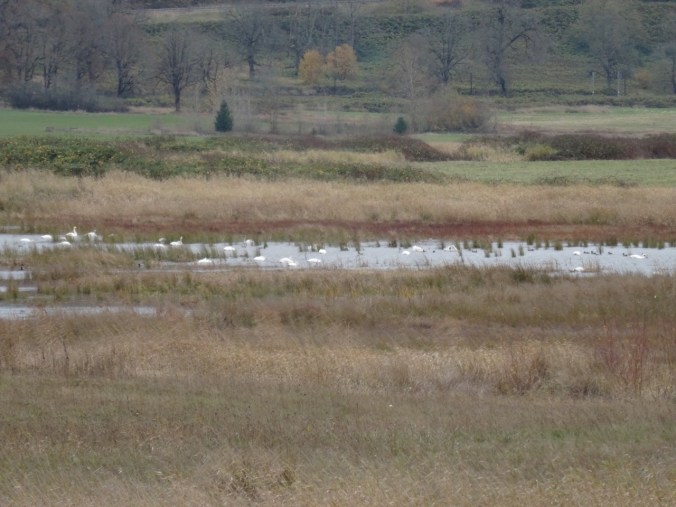
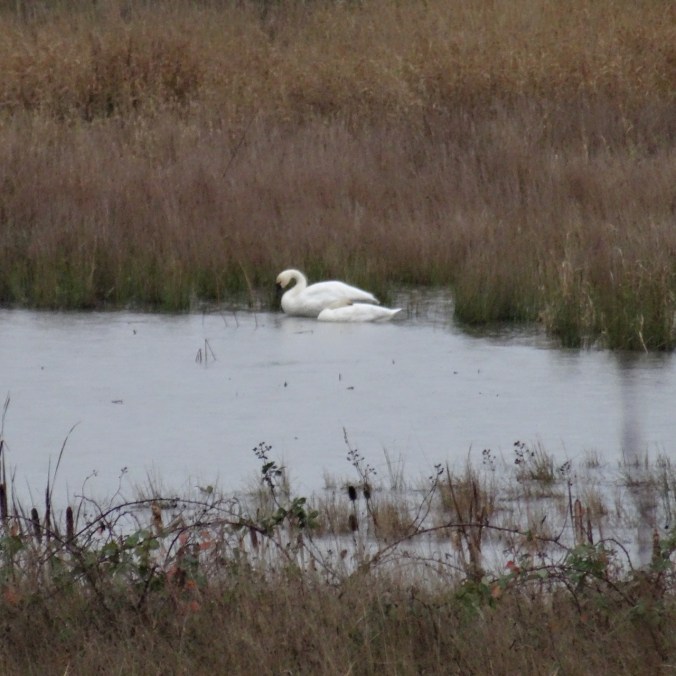
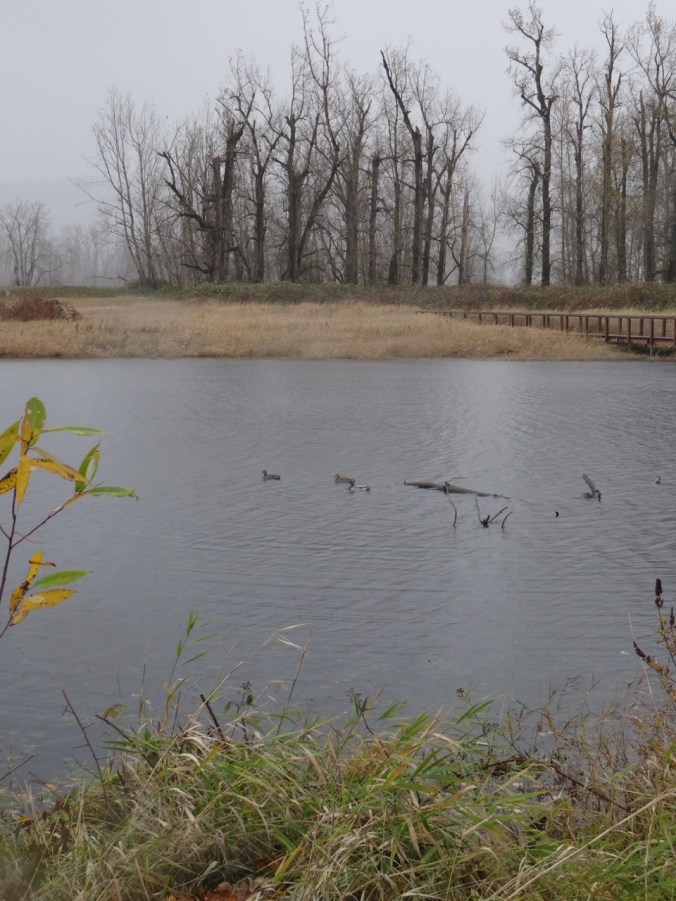
Birders love this trail – we were surrounded by much birdsong and glimpsed a few, including redwing blackbird sentinels.  The trail is closed during winter nesting season, and I can easily imagine the fields full of swans and geese. Today was warm and dry with only a few clouds, so not much wildlife viewing.  We appreciated the vistas, the quiet,  the ambient sounds, and the splash of color from the midsummer wildflowers.

Sounds:

  • bullfrog – a deep bass mooing,
  • birds – higher pitched tweets, warbles, pips and chirps,
  • train – periodic horn blast and thrum of wheels on rails,
  • breeze in trees – intermittent light percussive ruffling,
  • country band – occaisional wafts from the Ridgefield 4th of July celebration, less than a mile away as the crow flies,

Critters: tree frog, turtle, butterfly, redwing blackbird, other birds.

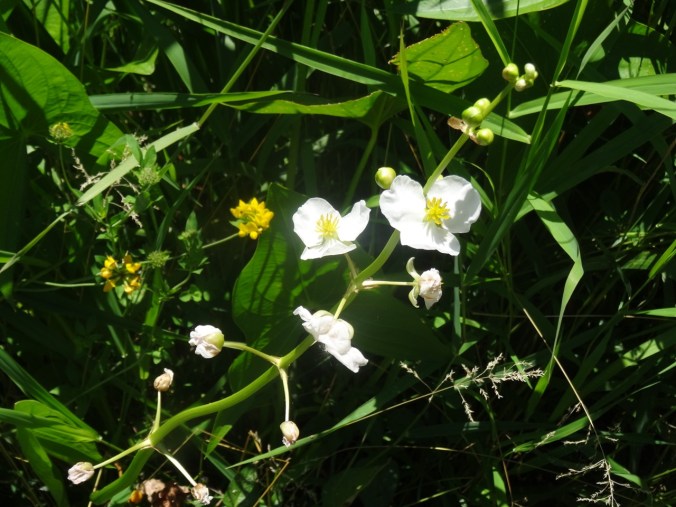
I noticed wapato plants with acute triangular leaves and three petaled white flowers growing in one of the wetlands.  The bright green leaves reflect the sunlight in an array of pointed spaceships, ready for takeoff, and also shadowed transparency with interesting intersecting shapes in the bright sunlight.

The wapato blooms are  bright white with three petals.

DSC06265

Other blooming wildflowers/weeds were mostly dry season holdovers – many noted for growing in disturbed areas.  The refuge is a reclaimed pastureland, after all.

Preserving time by catching shadows behind leaves and light on grass, on water, and on a butterfly in a freeze frame photo.