Bath, UK – May 11, 2018

Day 16, Roman Baths, River Walk, Postal Museum

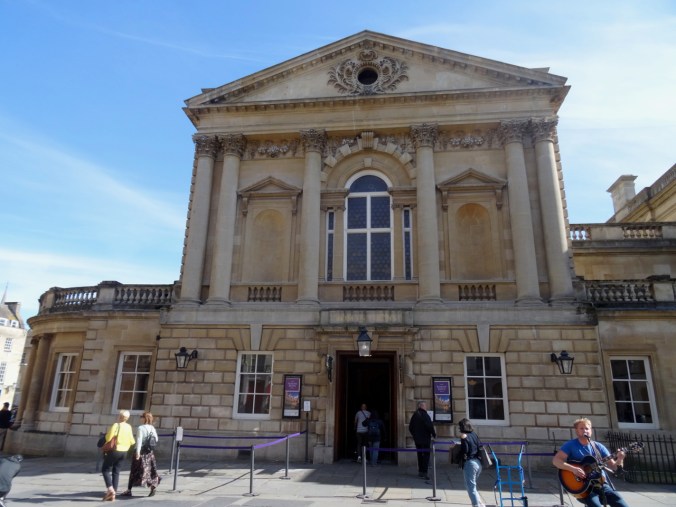
Our second day in Bath (Bath, Day 15) began with a tour of the Roman Baths. The natural hot springs were a social center for Romans in the first to sixth centuries AD, and then for the Georgians in the 1700-1800’s. Museum exhibits describe life in Roman times. Docents dressed in Roman attire add to the ambiance, anachronistically juxtaposed with the adjacent towering spires of Bath Abbey and other Georgian buildings, and the modern day tourists and buskers.
DSC04747

The Roman Baths

DSC04968

DSC04923

The Great Bath

DSC04965

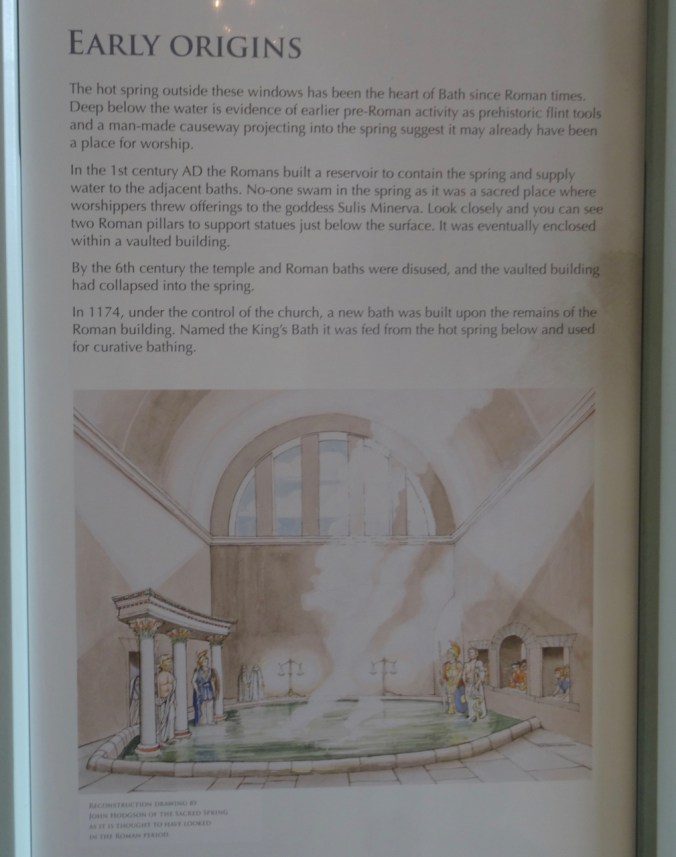
Roman History

DSC04964

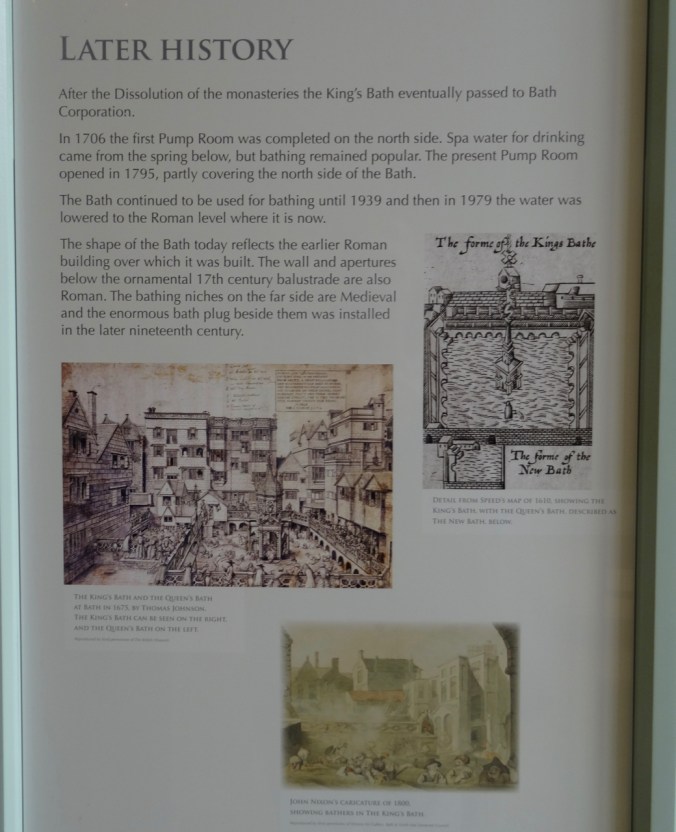
Georgian History

DSC04820

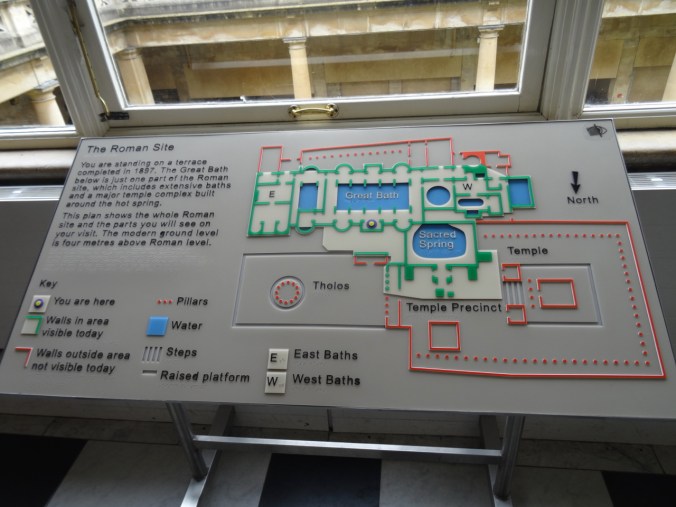
Floor plan

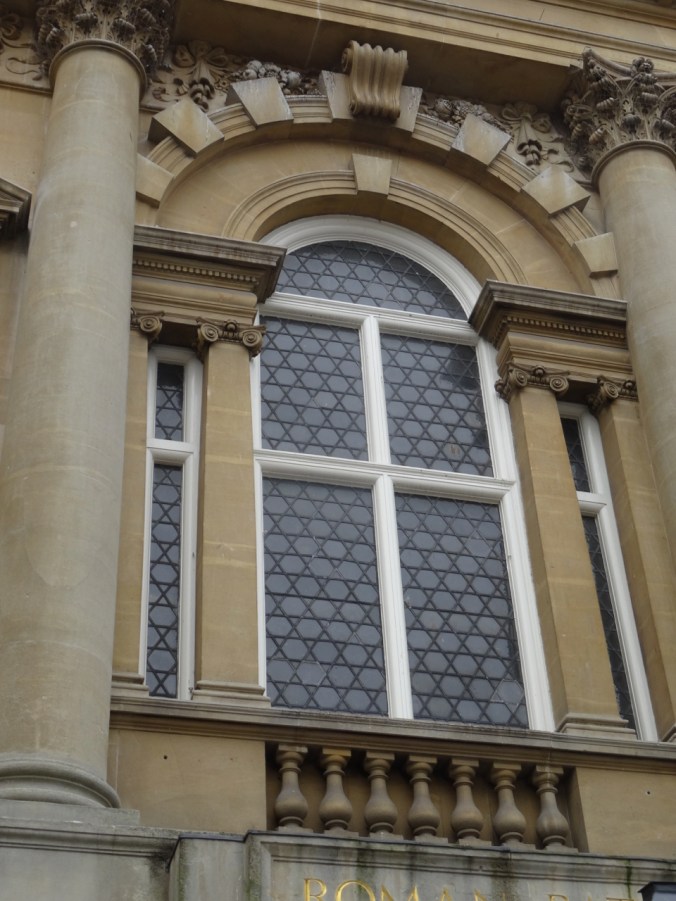
More exterior details:

DSC04931

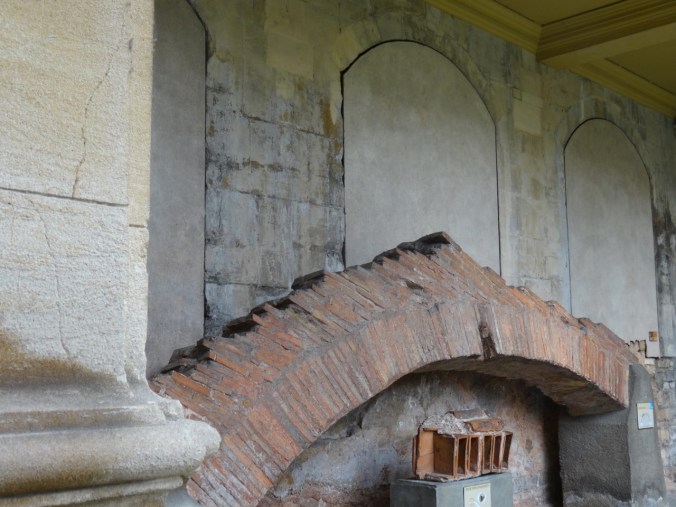
Brick Arch

DSC04821

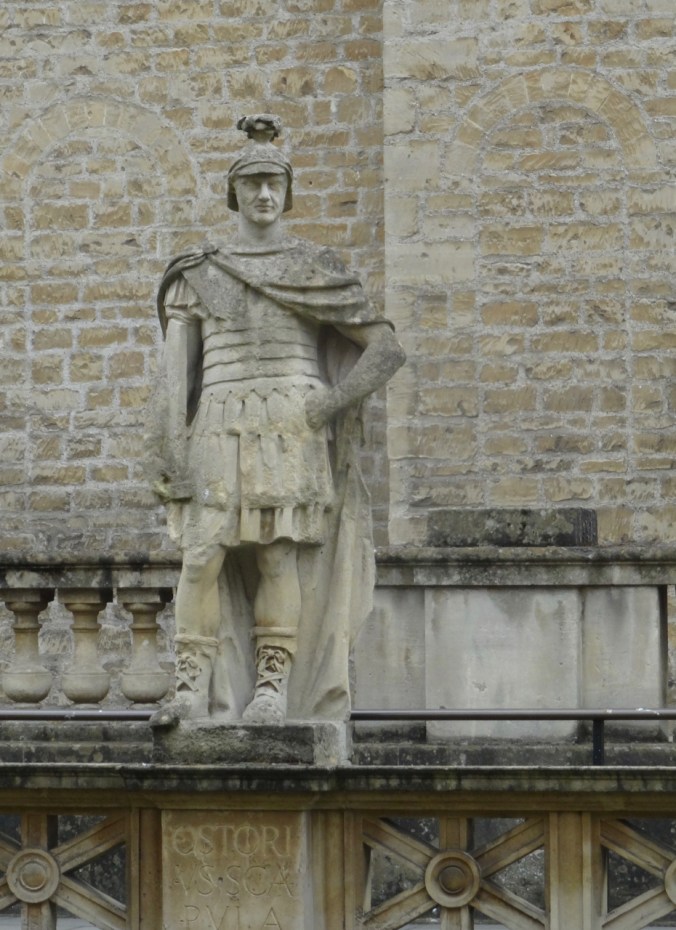
One of many Victorian-era statues of Roman leaders on the terrace
DSC04829

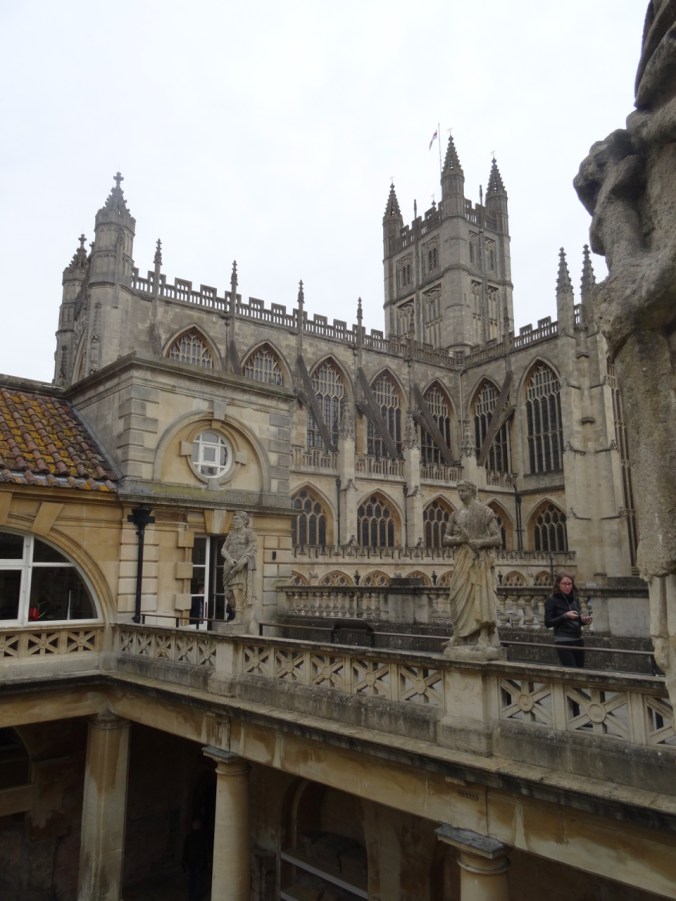
View of Bath Abbey beyond the terrace

DSC04830

Roof tiles

DSC04831

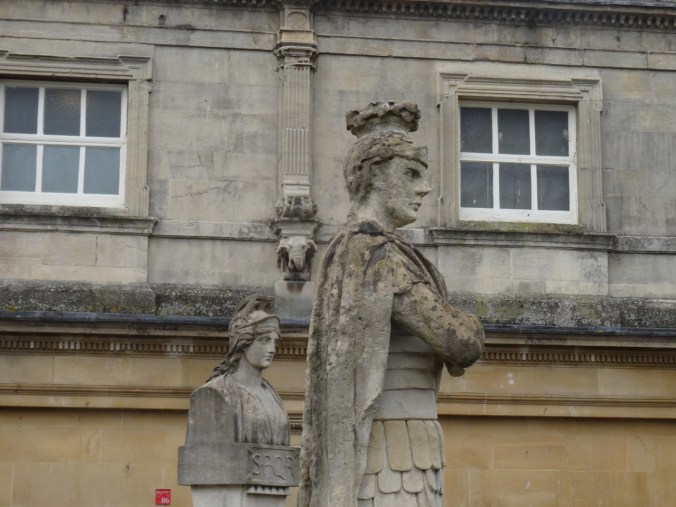
Another Roman – Agricola

DSC04835

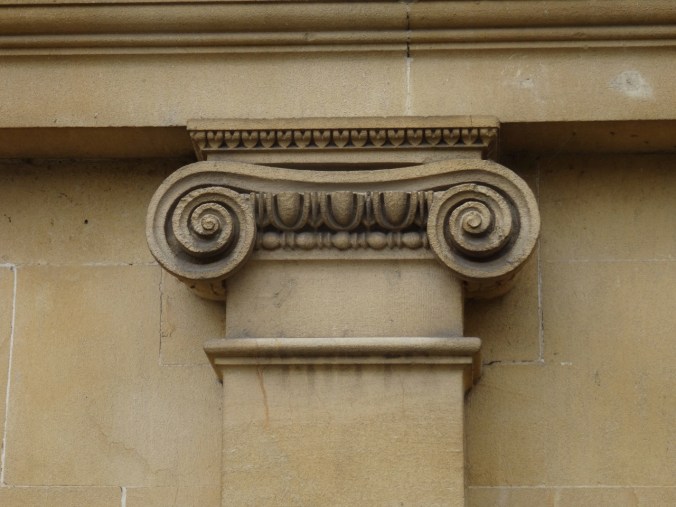
Ionic columns

DSC04840

The Great Bath

DSC04845

The Sacred Spring

History and archeology exhibits were informative and a little overwhelming. A few visits to this museum would be necessary to take it all in.
DSC04854

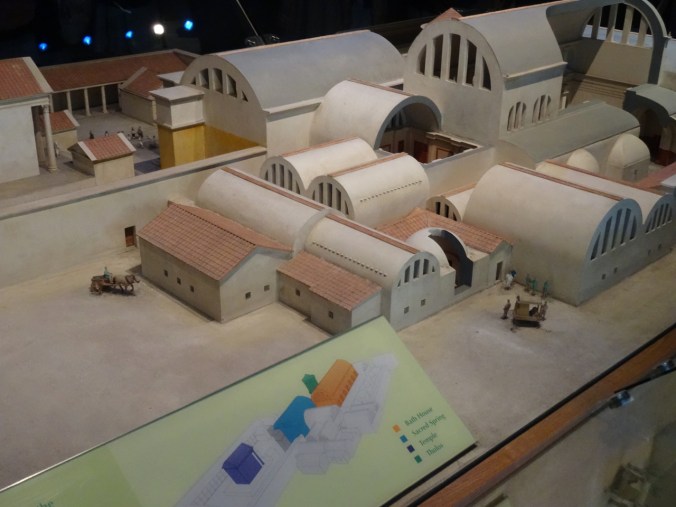
Reconstructed model of the Roman Baths
DSC04867

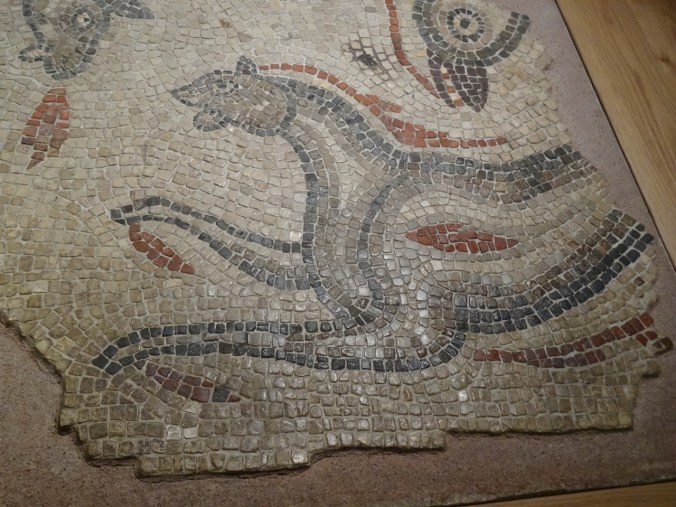
Mosaic floor from the bath house

DSC04881

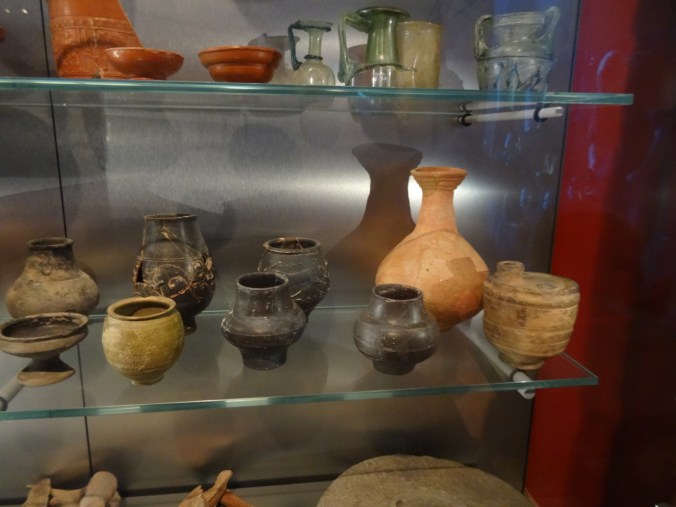
Pottery

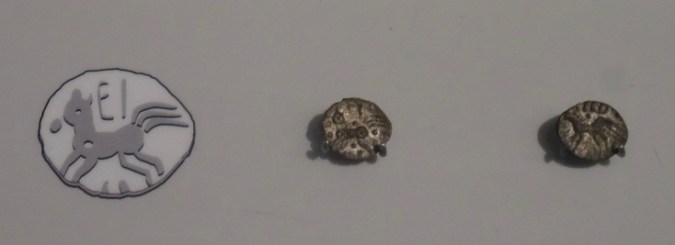
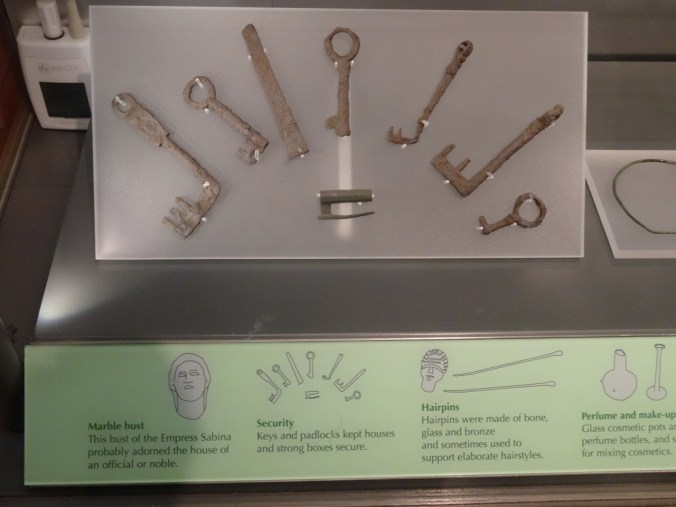
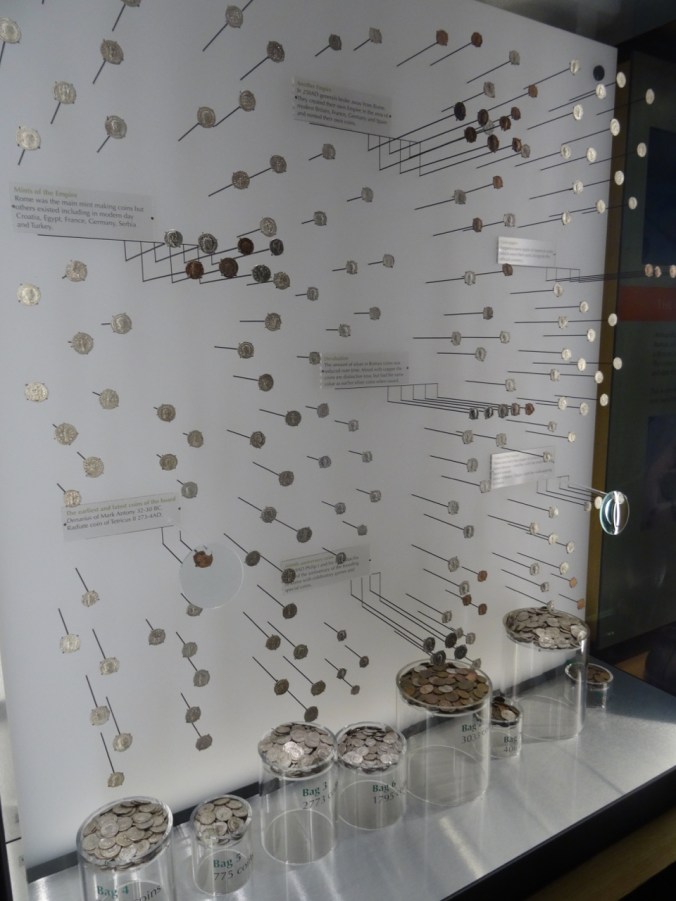
Many items have been recovered from the springs during archeological studies. DSC04853

DSC04851

Pre-Roman coins

DSC04871

Keys

DSC04878

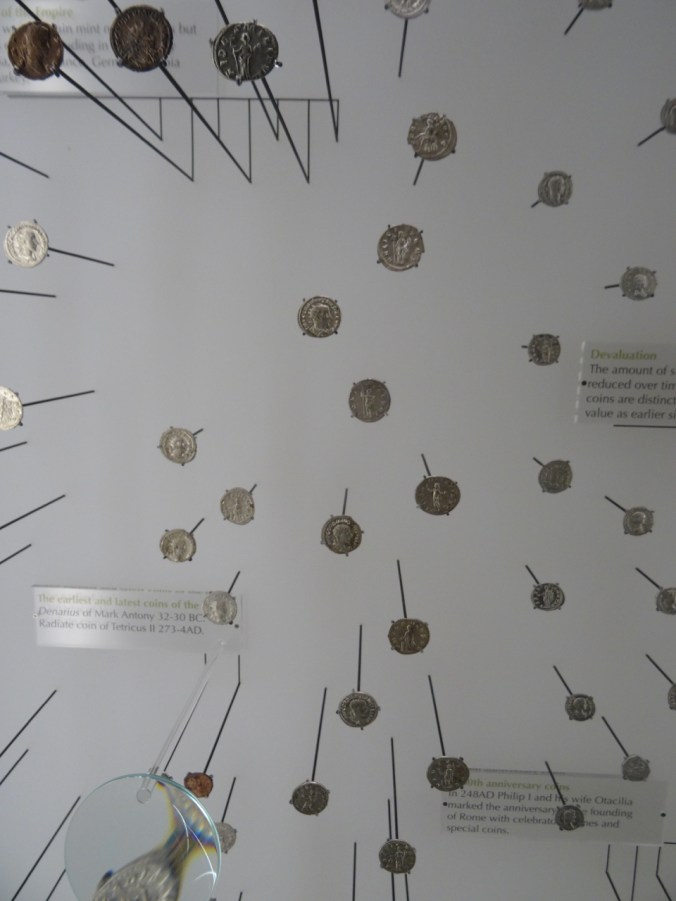
Roman Coins

DSC04880

DSC04903

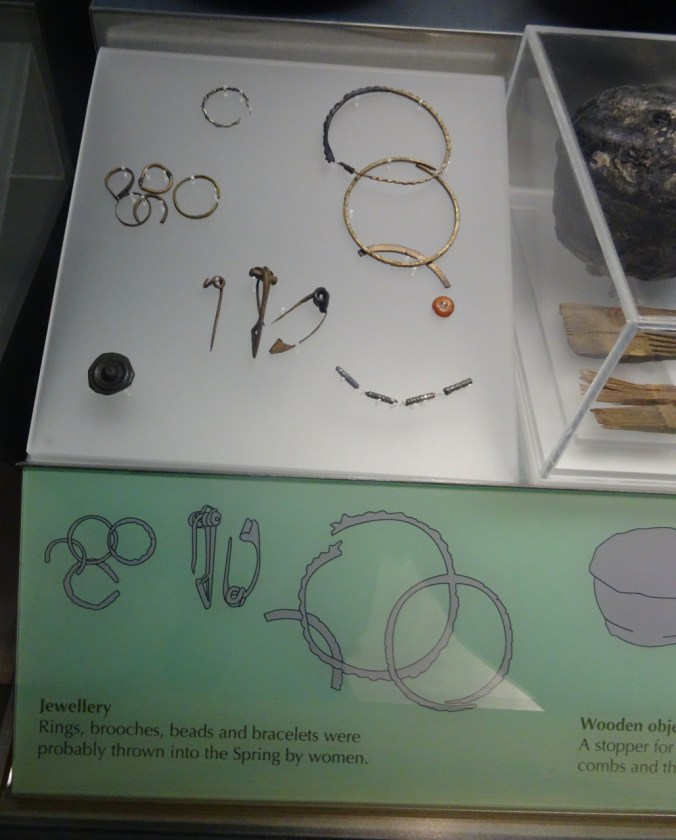
Jewelry

DSC04889

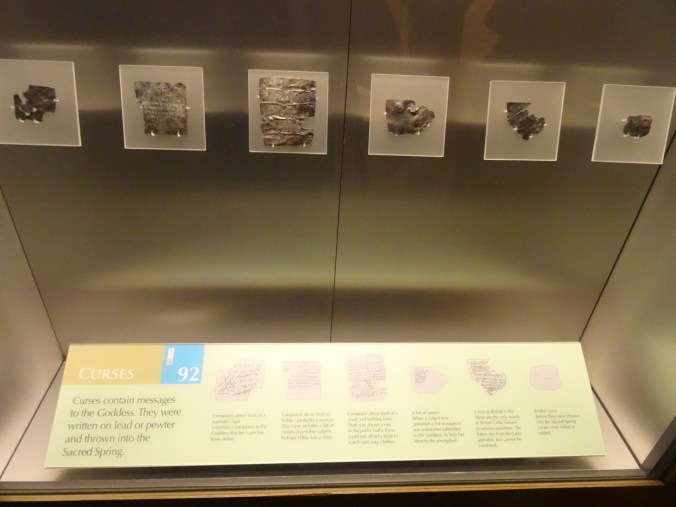
Curses written on metal pages

More underground architecture:
DSC04910

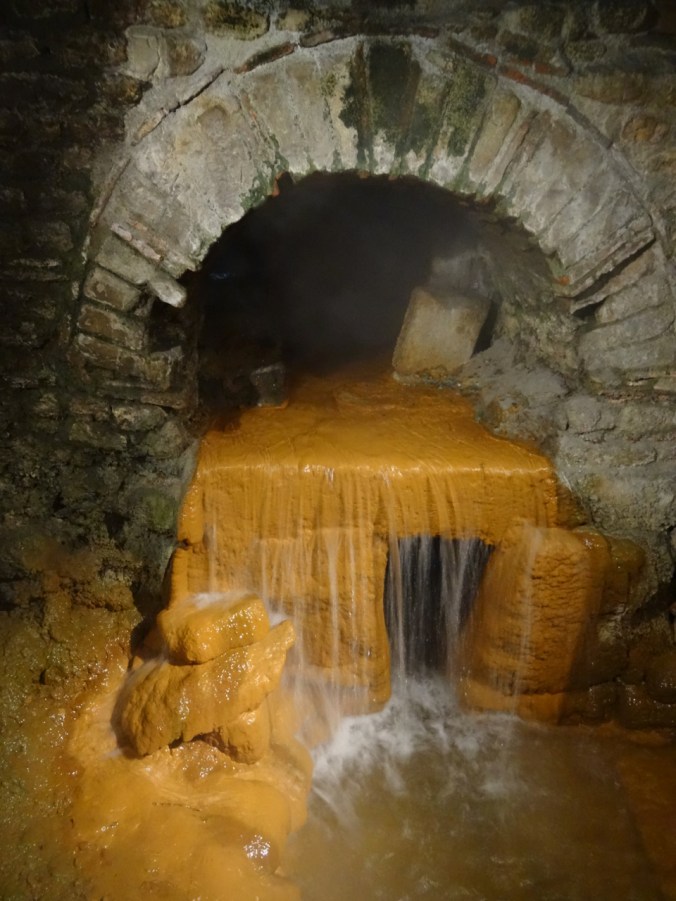
The spring

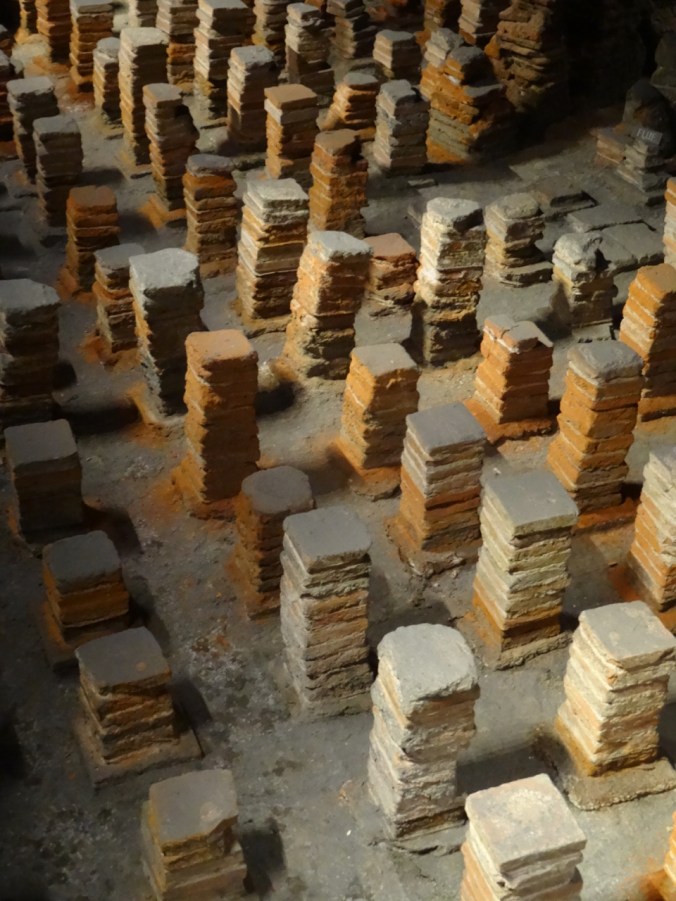
Hypocausts – The Romans devised a method of underfloor heating. Stacks of bricks allowed for warm air to be circulated in the space below the spa room floors.

DSC04938DSC04939DSC04954

A last look at the Sacred Spring and the Great Bath:
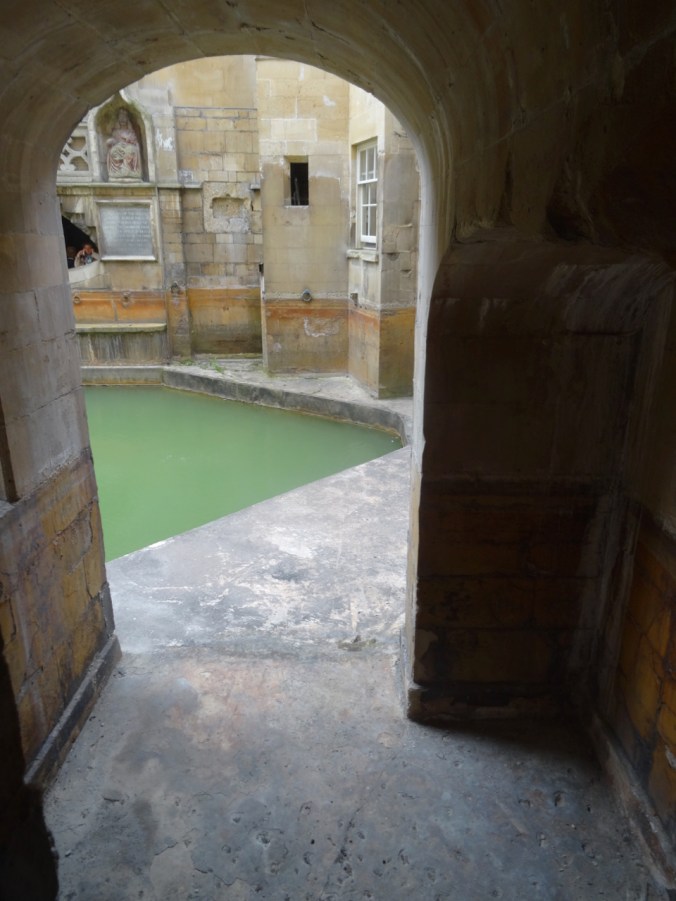
DSC04906

DSC04919

Roman docent

River Walk

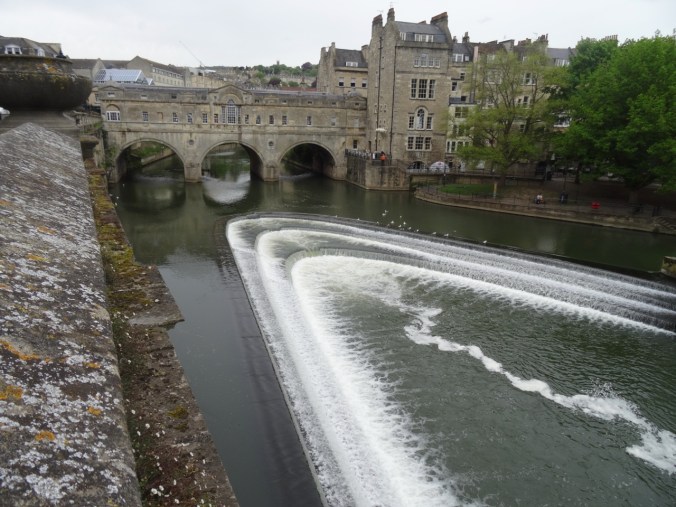
After our tour we wandered up and down both sides of the River Avon, and found a picnic ground viewpoint to eat our lunch.
DSC04972

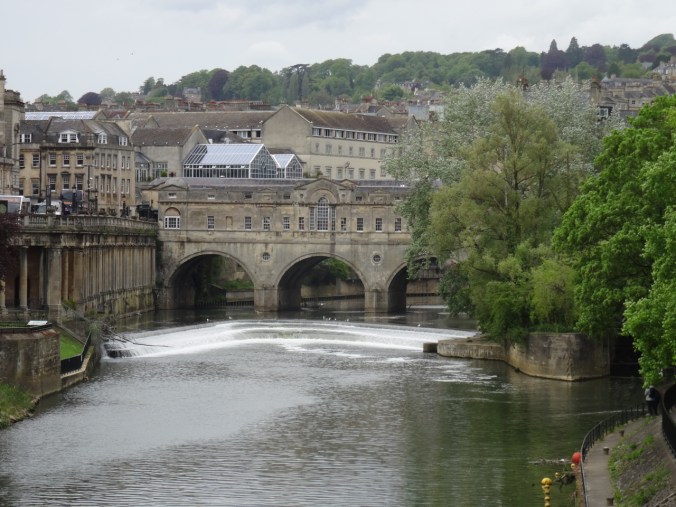
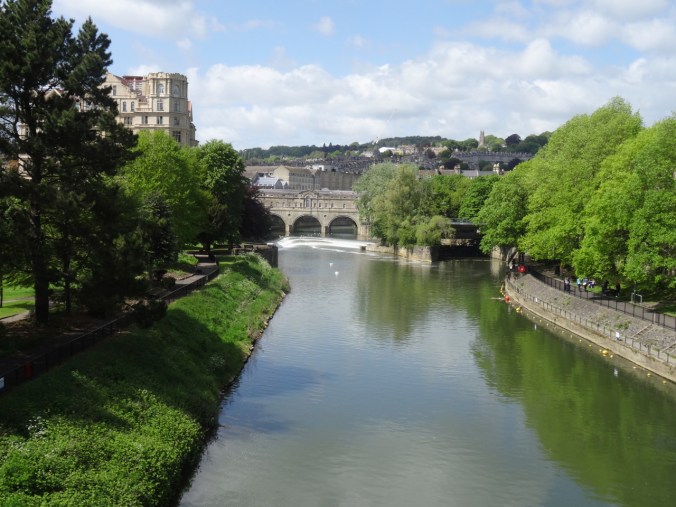
Pulteney Bridge from the Parade Grounds

DSC04988

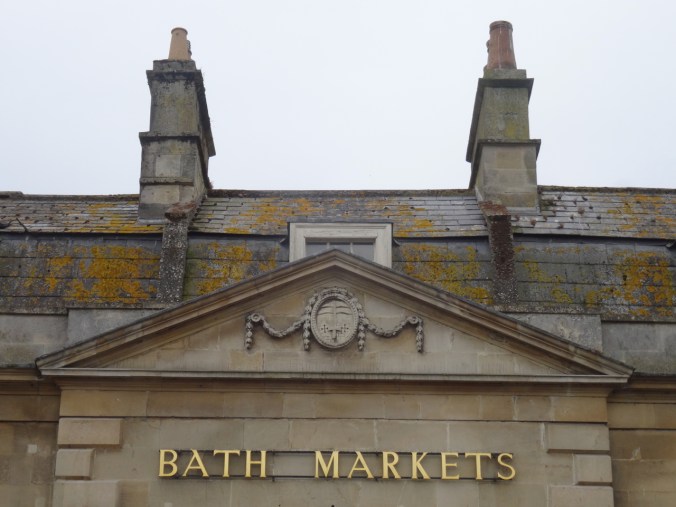
Looking toward the weir and Bath Markets
DSC04983DSC04993

DSC05015

Tour boat

DSC05020

Pulteney Bridge

DSC05024

North side of the Pulteney Bridge

DSC05026

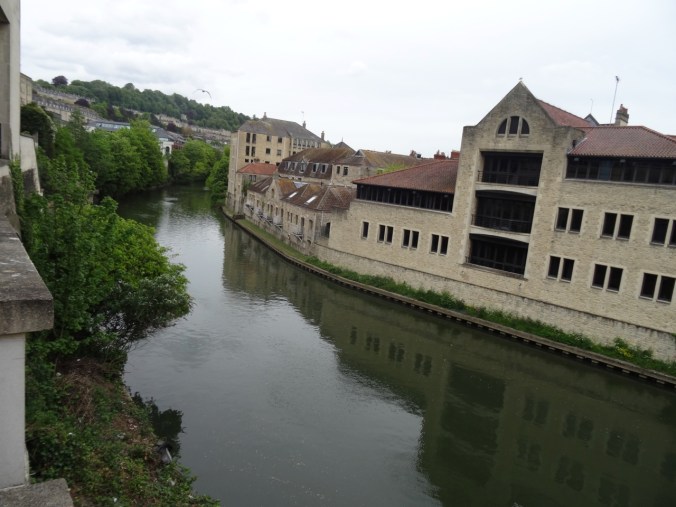
Looking up river from the Pulteney Bridge

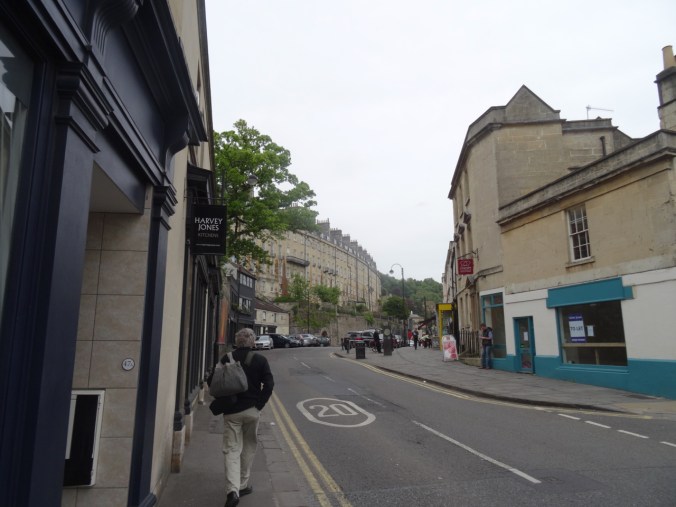
We did a little window shopping and wandering.
DSC05033

Approaching the backside of one of the crescents
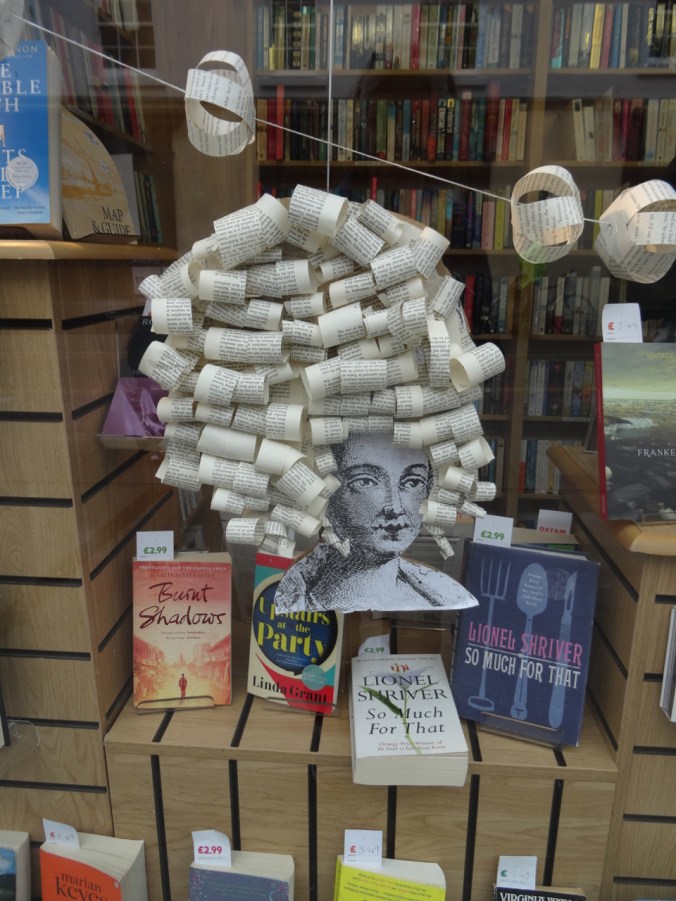
DSC05007

Book shop window

DSC05030

Fascinators for the upcoming Royal wedding (Meghan and Harry, 2018)
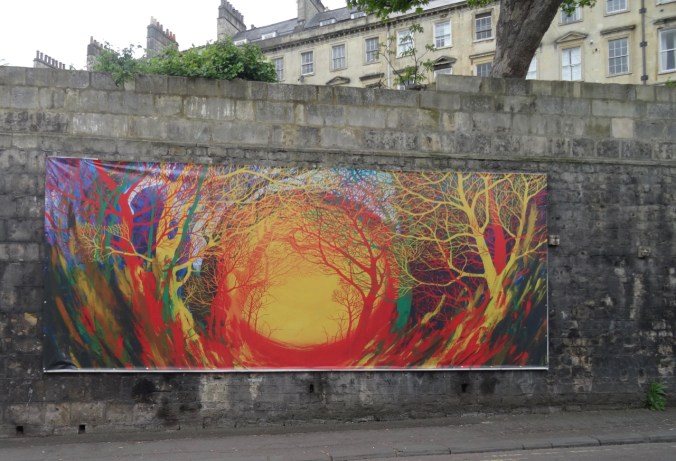
DSC05034

Street mural

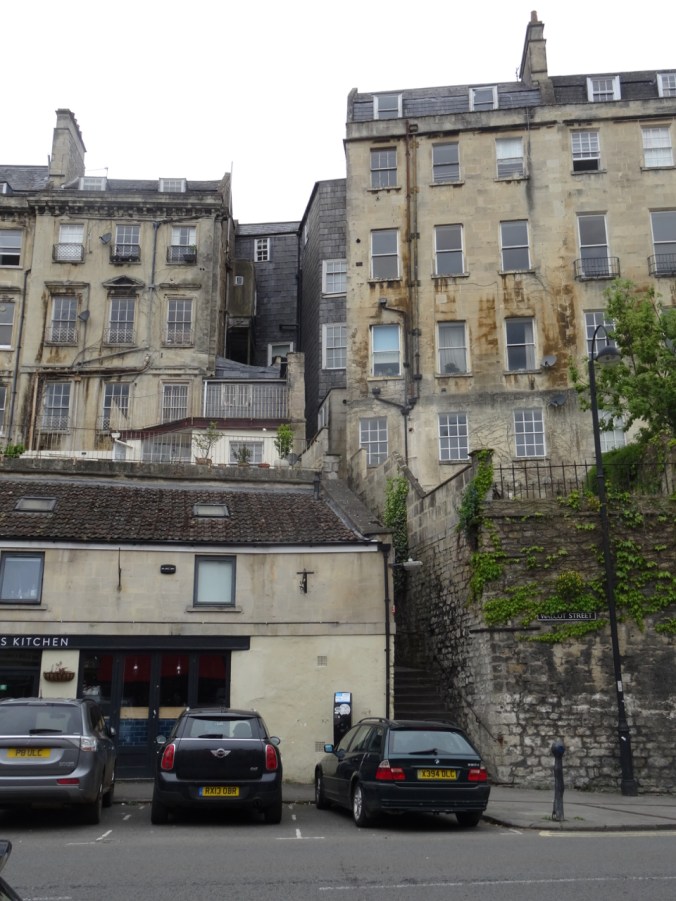
DSC05035

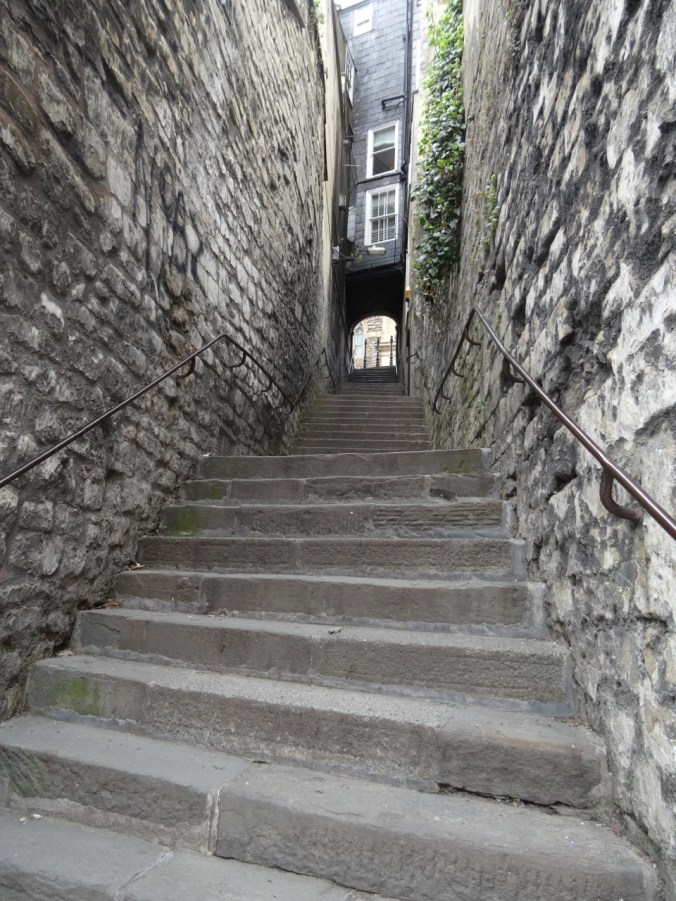
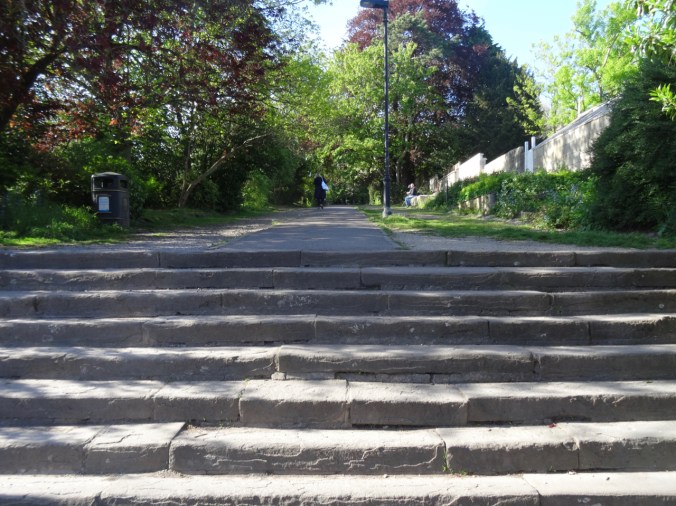
Public staircase

DSC05036

Looking up

DSC05039

DSC05043

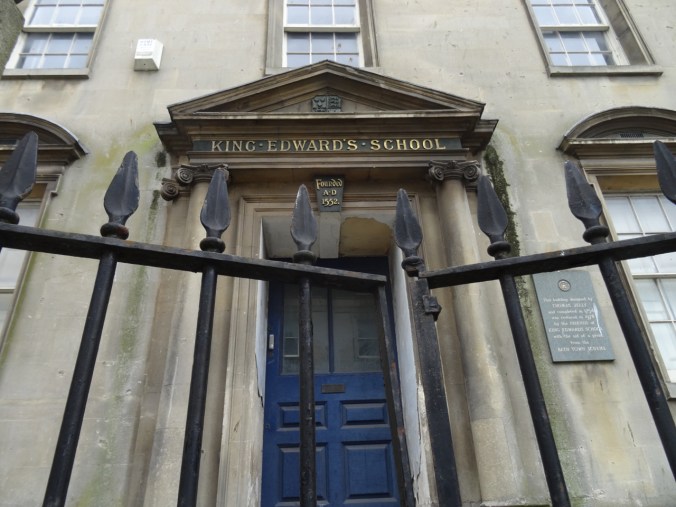
Old school

Bath Postal Museum

After shopping and walking for a while, we decided to visit the Bath Postal Museum. The well curated exhibits highlight many curiosities from the early history of mail as a commercial and government endeavor. 

DSC05050

A lightweight coach designed to speed transport of mail delivery, 1874.
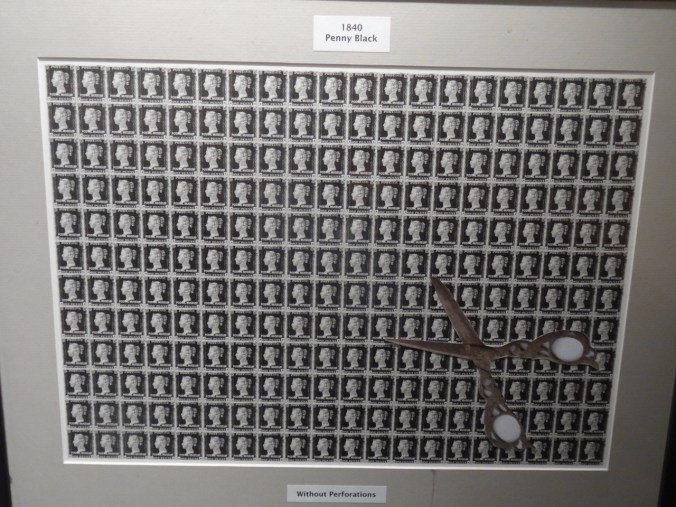
DSC05045

The world’s first self-adhesive postal stamp

DSC05046

Victoria on the Penny Black stamp

DSC05044

DSC05047

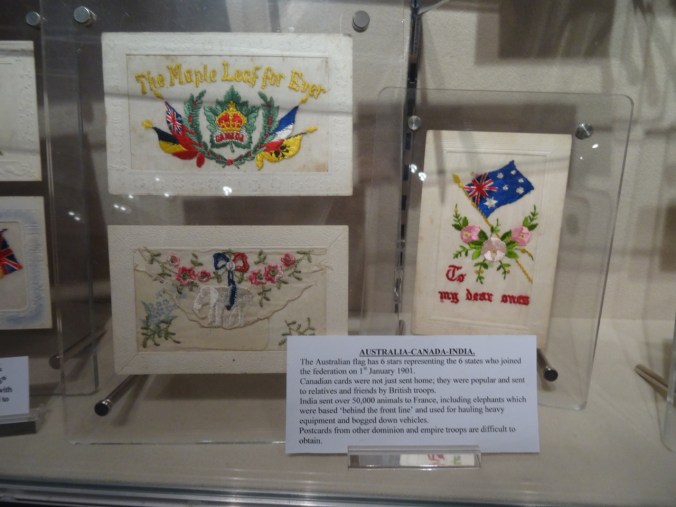
WWI era postcards

DSC05054

The cross written letter uses every bit of letter paper – must have been a challenge to actually read.

At this point, we had used up all of our sight seeing time. We ended the day by driving to an airport hotel near Heathrow, to prepare for our flight home the next day.
Exploring Bath, UK – May 10, 2018

Day 15 – Following Jane Austen around town

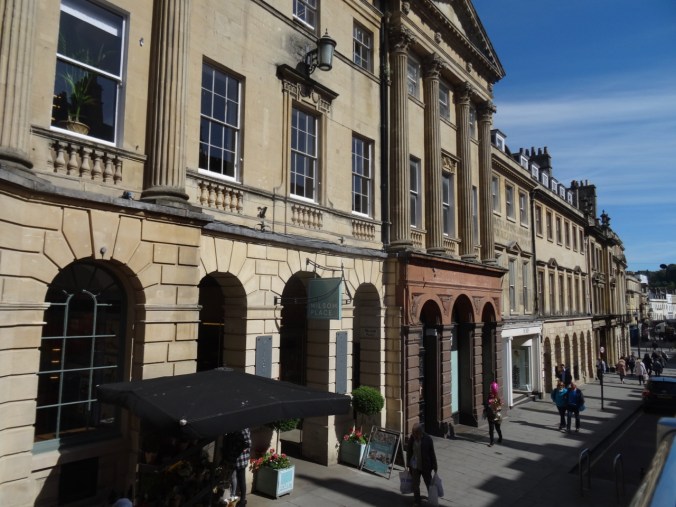
We left Devon and drove to the city of Bath in Somerset, a world heritage city known for Georgian architecture and Roman Baths. Also home to Jane Austen for a few years of her life, and the setting for parts of her novels – Northanger Abbey and Persuasion.

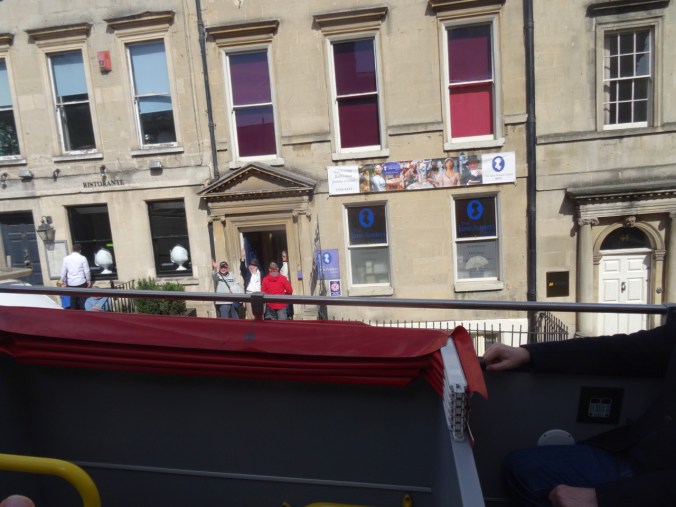
After setting up in our B&B on Charlotte St, we took an Open Top Bus tour, then walked around town to get a closer looks.

Version 3

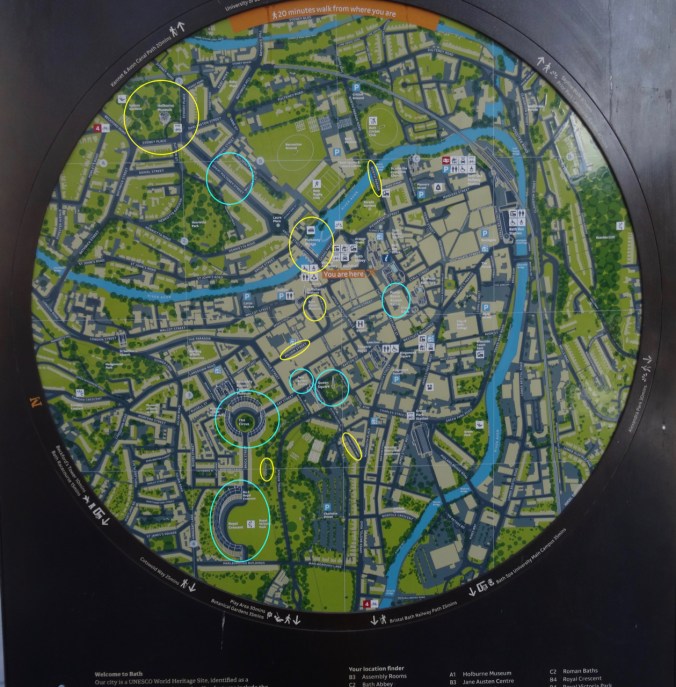
Signpost map of Bath, with some of our highlights circled.

Jane Austen Centre:

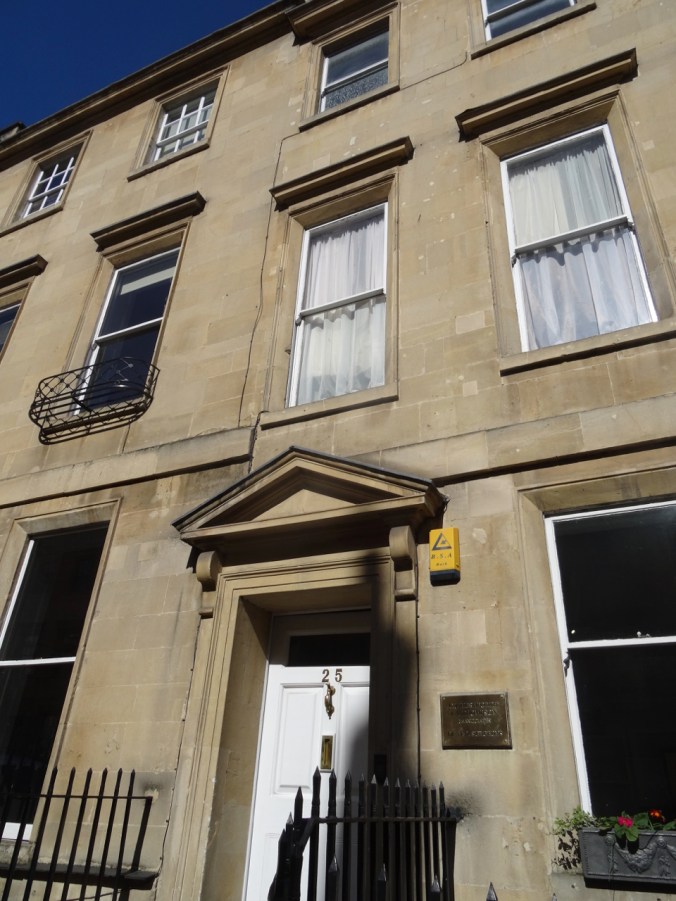
Our first stop was the Jane Austen Centre on Gay Street, which is just down the block from Number 25, where Jane Austen lived in 1805. It is now a dentist office.

DSC04698

Jane Austen Centre on Gay Street

DSC04755

25 Gay Street, home to Jane Austen in 1805.

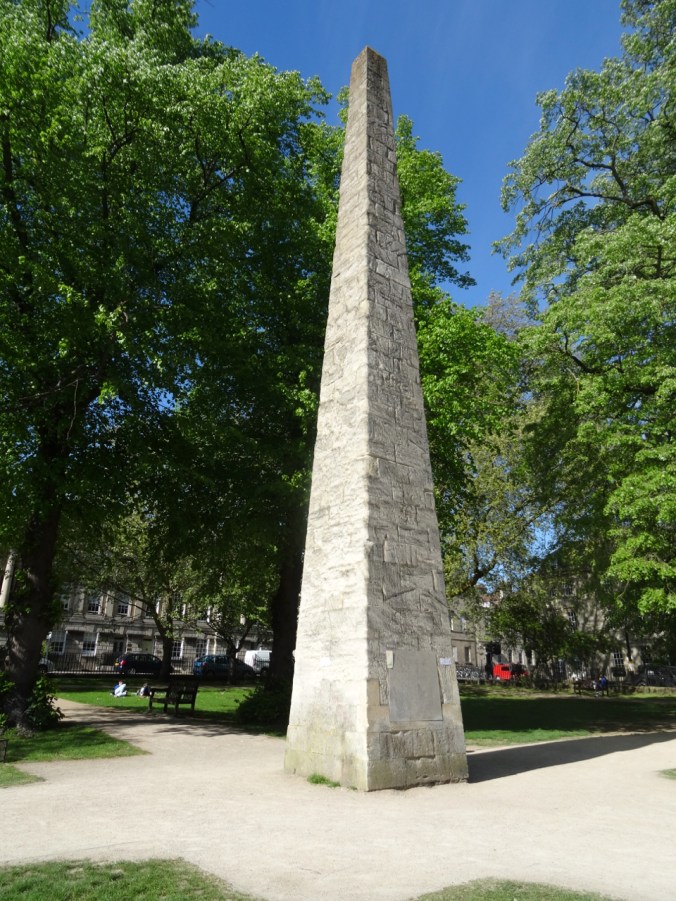
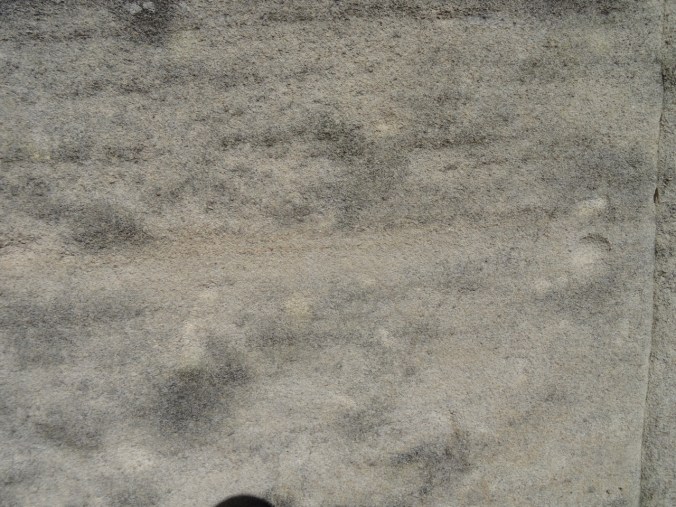
Jane Austen spent some time in lodgings near Queen Square. She would have been familiar with the Obelisk in Queen Square Gardens which dates back to 1738, and was made in honor of the Prince of Wales by Beau Nash, the Master of Ceremonies of the town at the time. It is made of the same Jurassic oolitic limestone that is the prominent building stone throughout Bath.

DSC04751

Obelisk in Queen Square

DSC04752

Bath Stone – Jurassic oolitic limestone

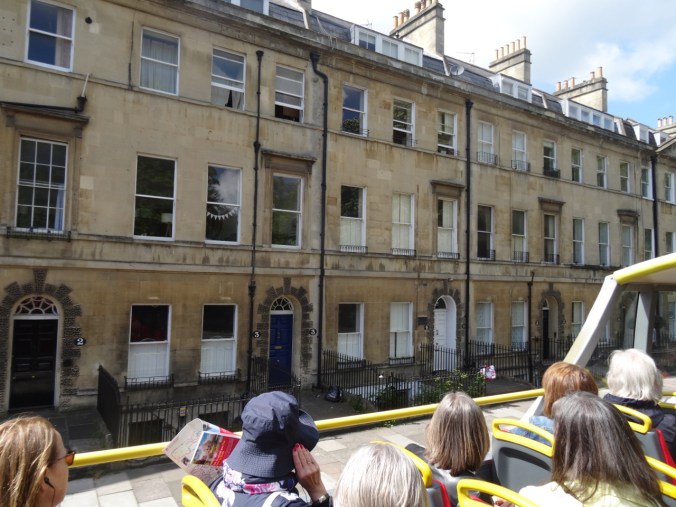
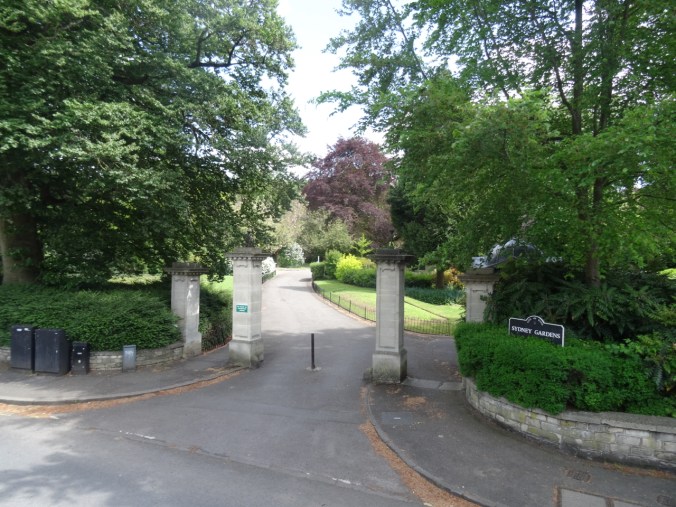
While on the Open Top Bus Tour, we were shown another of Jane Austen’s former residences at 4 Sydney Place near the Sydney Gardens.

DSC04636

4 Sydney Place – Jane Austen lived here in 1801,

DSC04638

and walked here.

Jane Austen would have been familiar with many other Georgian buildings around town:

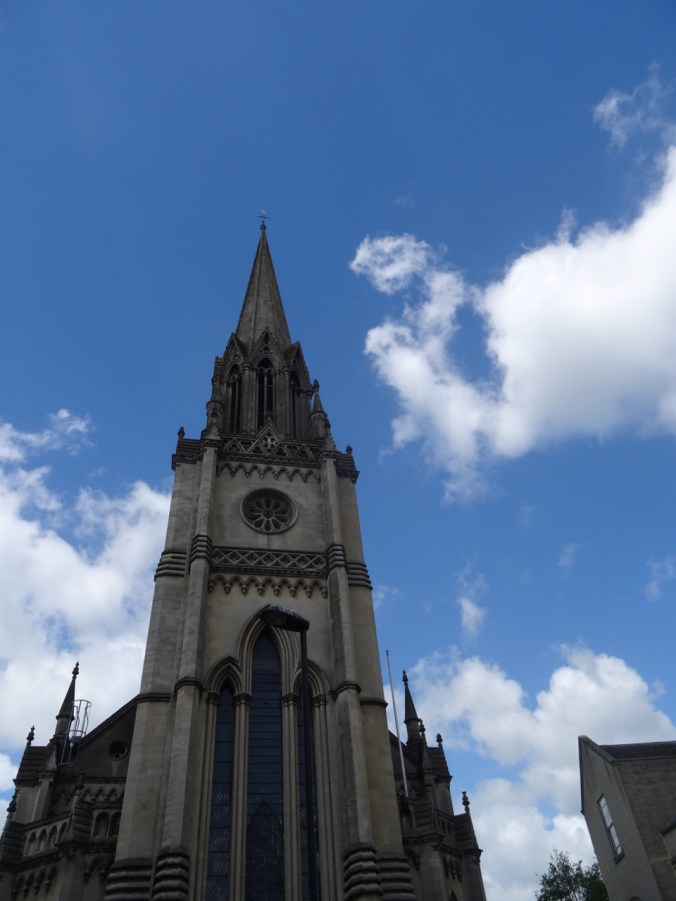
DSC04610

St Michael’s Church

DSC04746

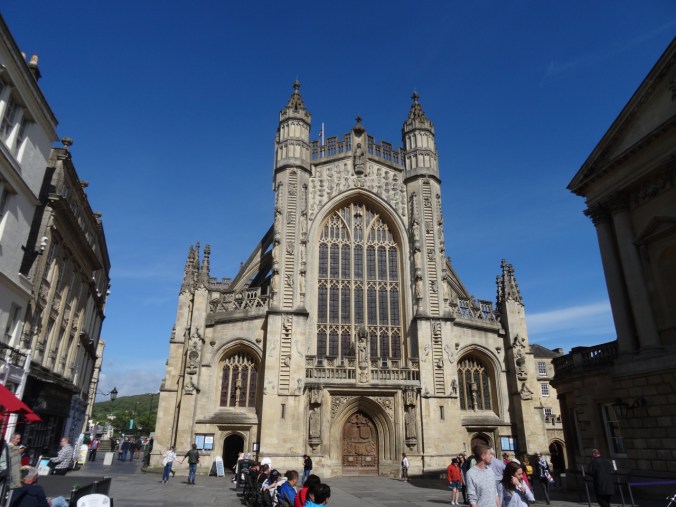
Bath Abbey

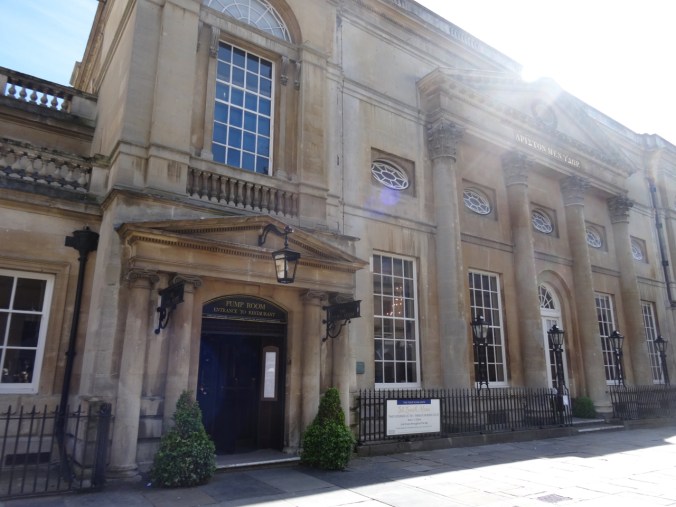
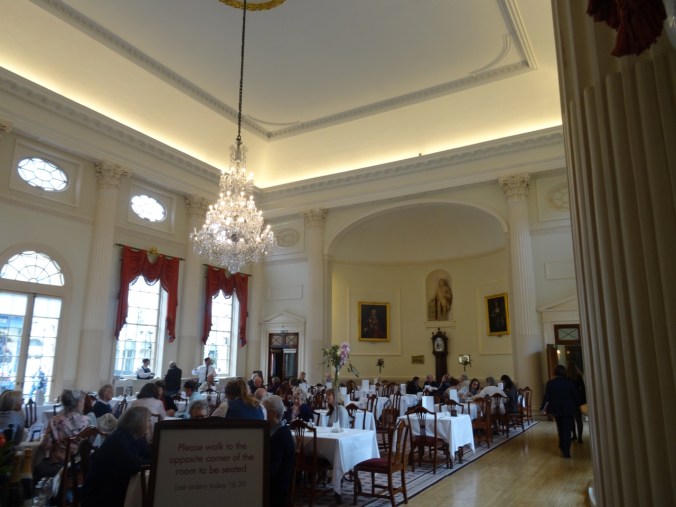
The Pump Room: Where people drank the waters in hopes of improved health. Some of Jane Austen’s characters met in the Pump Room for their daily drink and for socializing.

DSC04748

DSC04958

The Pump Room is now a restaurant.

A few other streets and shopping areas:

DSC04630

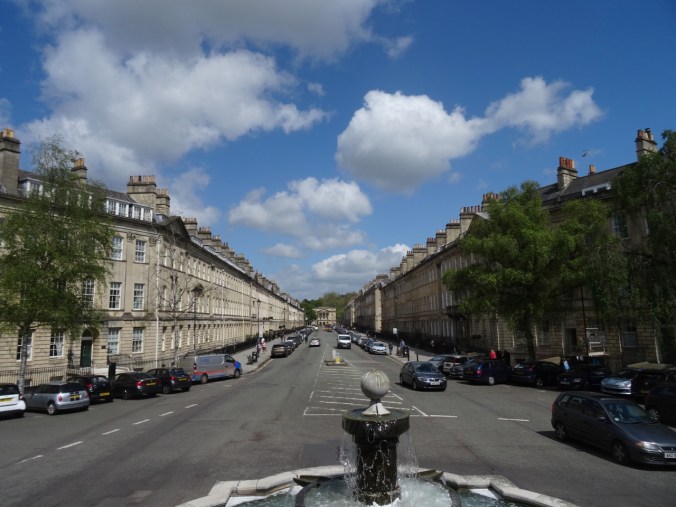
Great Pulteney Street

DSC04737

Milsom Street

The River Avon runs through town, and we crossed several times. This is the view of Pulteney Bridge from the North Parade Bridge:

DSC04624

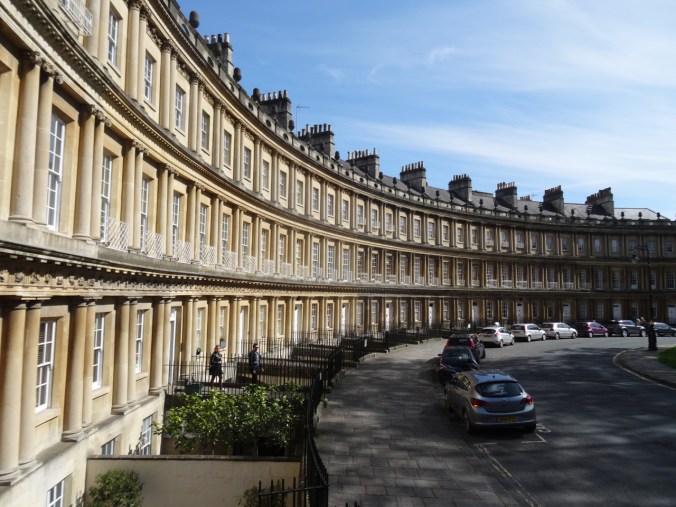
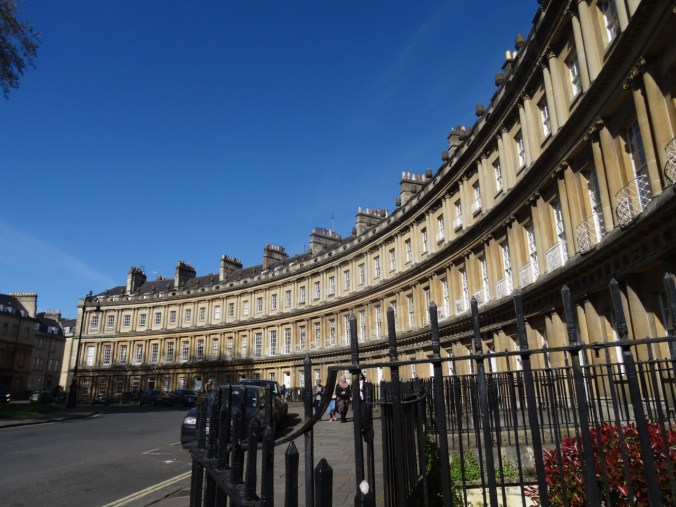
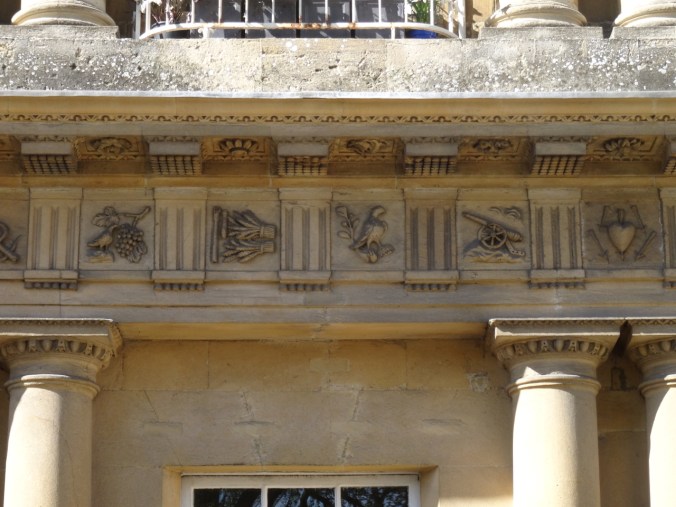
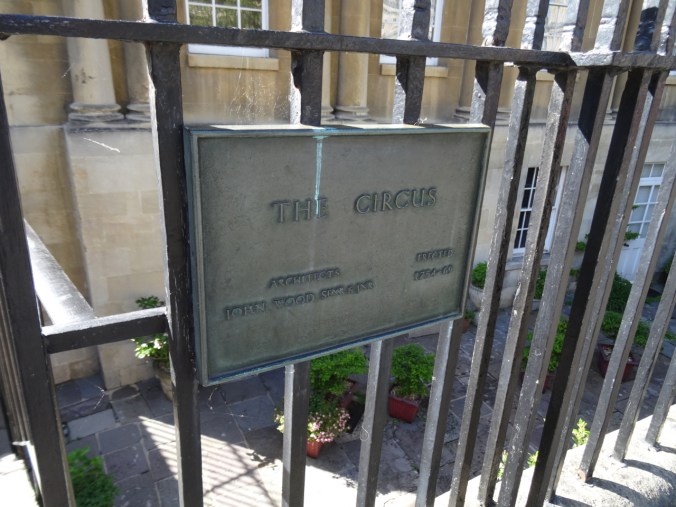
Two of the landmark Georgian streets and buildings in Bath are The Circus, and The Royal Crescent. The imposing curved edifices are built of Bath Stone.

The Circus: Three massive crescents form a complete circle around a central green.

DSC04710DSC04757

A closer look at the architectural details along the eaves:

DSC04773DSC04771DSC04774

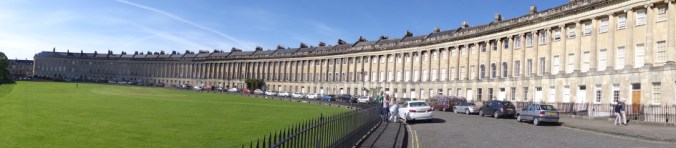
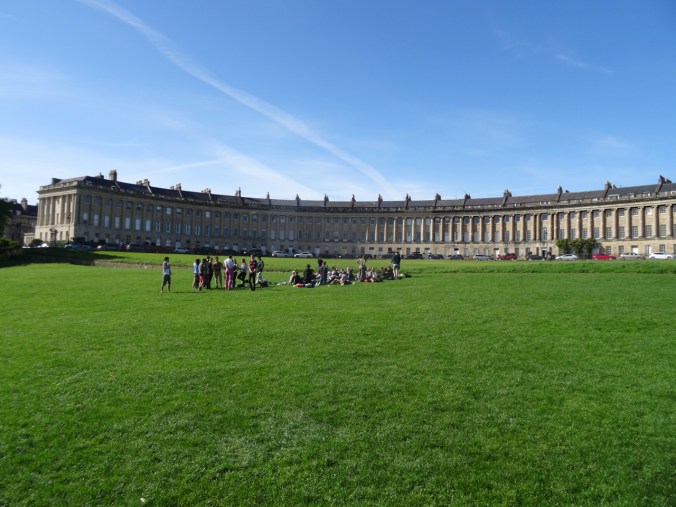
The Royal Crescent: An even larger crescent of Georgian buildings.

DSC04791DSC04800DSC04799

The Royal Crescent is over 500 feet long and difficult to photograph!

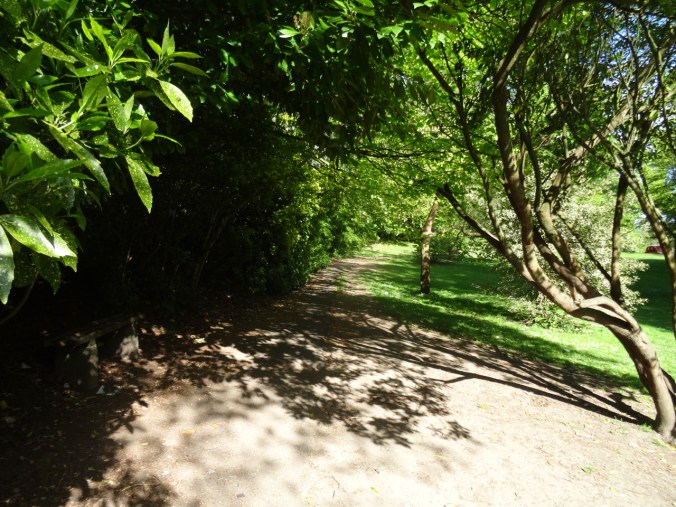
We walked along the Gravel Path, a protected off street pedestrian walk that leads from the parks near the Royal Crescent to the heart of town. It is where Jane’s characters Anne Elliot and Captain Wentworth finally found some privacy to declare their love.

DSC04807

The Gravel Path

DSC04811

The Gravel Path

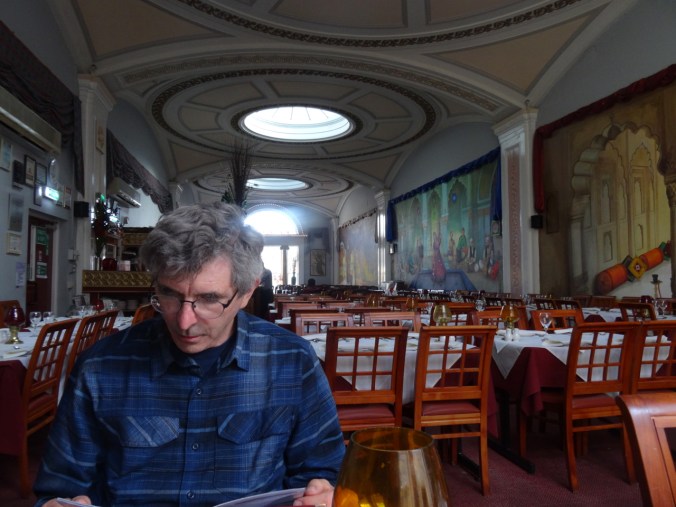
Bath is an easy town navigate on foot, and if we had been staying longer, it would have been easy to walk into the surrounding hills to see other places where Jane Austen walked. For this day, it was time to enjoy a delicious Indian meal and then plan our next day’s adventure – to see the Roman Baths, and a little more sight seeing around town – our last full day of the trip.

DSC04812